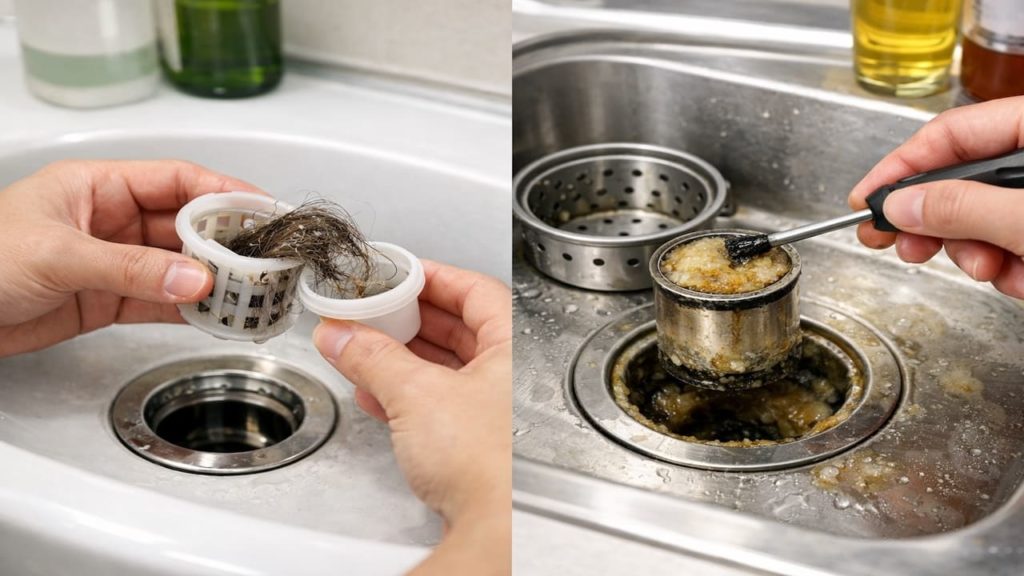
You searched “repair slow drain” because the sink or shower takes forever to empty, and the water line rises like it is thinking about flooding.
In Malaysia, humid air, warm water, and daily cooking grease can build sludge fast, especially in condos with long pipe runs and terrace homes with shared wet walls.
In this guide, you’ll learn how to diagnose slow drains and clear the real plug safely so you stop the smell, reduce mold risk, and avoid paying twice for the same clog.

Hi, I’m Ken. I write practical home guides for Malaysia—no fluff, just what works.
I hold a formal building design qualification and have spent about 20 years on job sites across hundreds of projects. My goal is simple: help you avoid costly mistakes with clear, safe steps—a quick way to decide what to do next.
1. Repair slow drain: 5 checks
Find the exact choke point before you pour anything.
Slow drains are usually a local trap clog, a greasy line, or a venting issue, and Malaysia heat makes biofilm grow faster — gross but fixable. Clear facts.
- Test drain speed using one bucket of water
- Check if gurgling happens during steady flow
- Inspect overflow holes and rim channels for sludge
- Watch if multiple fixtures slow at same time
- Smell the drain after flushing and waiting
Some people jump straight to chemicals because it feels fast. If the clog is hair and soap, the chemical may not reach it well and can damage seals. Diagnose first, then act.
2. Hair traps and grease plugs first
Most slow drains are hair mats or grease paste.
Hair and soap form a net, grease makes a sticky glue, and both thrive in warm humid bathrooms — classic Malaysia combo. Simple.
- Remove hair trap and rinse with hot water
- Pull visible hair using hook tool or tweezers
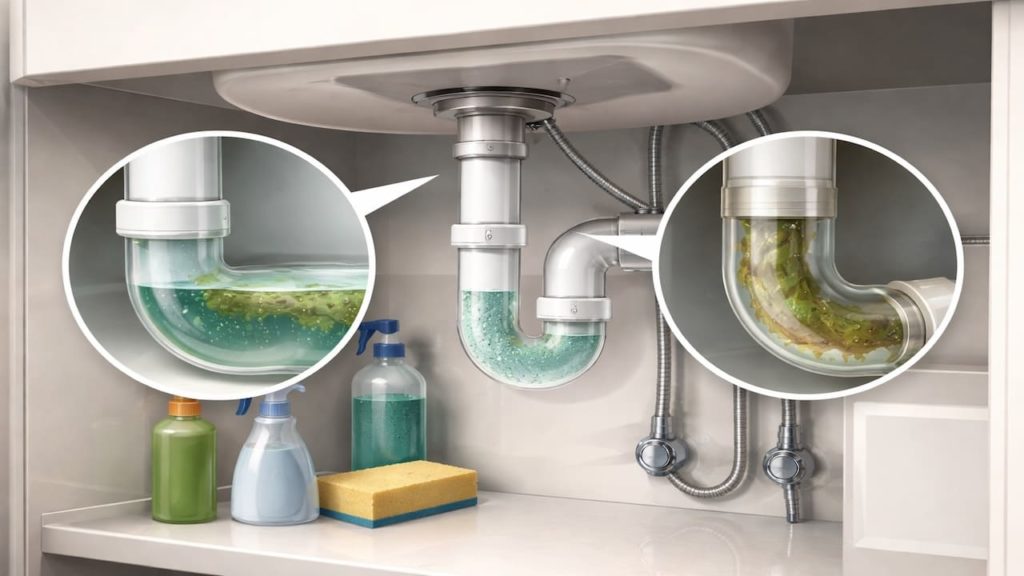
- Open P trap and empty sludge into bag
- Flush pipe with hot water and dish soap
- Snake short line past trap to break plug
Some say “it is only a little slow” and ignore it. That little slow becomes standing water, then smell, then moldy corners. Start with hair and grease because they are the usual villains.
3. Why slow drains keep coming back in Malaysia homes
Humidity and daily habits feed biofilm inside warm pipes.
Biofilm is a slimy layer that grabs hair, grease, and sand, and it rebuilds quickly when pipes stay damp in humid weather — especially under sinks and shower floors. Reality.
- Check for oily film on bathroom drain cover
- Look for soap scum rings near pipe joints
- Inspect kitchen sink for grease dumping habits
- Check floor trap for trapped hair and grit
- Observe slow drain worsens after heavy cooking days
Some blame the building design only. Long pipe runs can slow flow, sure, but habits and maintenance decide whether the line stays clean. Fix what you can control.
4. How to clear safely and what it may cost
Use mechanical clearing then flush and prevent rebuilding.
Start with traps and short snaking, then move deeper only if needed — in Malaysia, a simple unclog visit is often around RM120–RM300, deeper snaking or jetting can be RM300–RM900, and replacing a cracked trap or corroded fitting may add RM80–RM250 depending on parts and access. Cost guardrails.
- Turn off water and remove trap carefully
- Snake line slowly and pull debris out
- Flush with hot water and dish soap after
- Install new hair strainer on shower drain
- Stop pouring grease and wipe pans first
Some people want to blast with strong acid and call it done. That can attack seals and pipes, then you pay for leaks. Mechanical first, then flushing and habits.
5. FAQs
Q1. How do I know it is a local clog or main line?
If only one sink or one shower is slow, it is usually local. If multiple fixtures back up together, suspect a deeper line and stop running water.
Q2. Is boiling water safe for clearing grease?
Hot water helps, but avoid extreme boiling on some plastic traps and older fittings. Use hot tap water plus dish soap and repeat in rounds.
Q3. Do chemical drain cleaners solve slow drains long term?
They can open small clogs but often leave slime behind, and misuse can damage seals. Mechanical clearing beats chemicals for most slow drains. Use chemicals only with caution.
Q4. Why does the drain smell worse after rain?
Humidity slows drying and can push sewer odors through weak trap water seals. Check trap water level and look for floor trap evaporation in hot weather.
Q5. When should I call a plumber immediately?
If water rises fast, you see leaks under the sink, or multiple drains back up at once. Also call if you suspect a blocked main line in a condo stack.
Pro’s Tough Talk

Alright, I’ve been on site for 20+ years and handled hundreds of jobs, and slow drains in Malaysia are the same drama on repeat. Warm pipes plus humidity equals slime growth, then hair and grease move in like squatters.
Three causes show up nonstop. One, hair mats in the trap, the little monster net. Two, grease paste in the line, like candle wax in your pipe. Three, biofilm lining the pipe, a sticky carpet that grabs everything. Structure.
Do 3 steps and stop guessing. Step one, pull the hair trap and clean it properly. Step two, open the trap and remove sludge, then snake past the bend. Step three, flush hot water with dish soap, then add a strainer and change the habit. Simple.
You didn’t fail and not every plumber is trying to rob you, but don’t be the genius pouring mystery chemicals every weekend. Pull the trap snake the line then change the habit. That’s the jab, because I’ve seen that lazy loop wreck seals for nothing.
Relatable moment one, you shower and the water kisses your ankles like a bad joke. Relatable moment two, you wash dishes and the sink burps back like a swamp. Fix it now, or enjoy living with a drain that moves slower than your Monday mood. Enjoy.
Summary
Slow drains are usually hair and soap at the trap, grease paste in the line, or biofilm buildup that grows faster in Malaysia heat and humidity. The pattern tells you where to start.
If only one fixture is slow, clear traps and short lines first, then improve prevention with strainers and grease control. If several fixtures slow together, stop running water and plan a deeper line check.
Today, clean the hair trap, open the trap, snake past the bend, and flush with hot water and dish soap, then add a strainer and stop pouring grease. Mechanical clearing plus simple habits keeps drains fast. If you also have drain smells or porch puddles, follow those guides next and reduce moisture sources.