You searched “repair window leaks” because water shows up after heavy rain and you do not want damp walls, peeling paint, or mold near the frame.
In Malaysia, wind driven rain hits windows hard, and humid air keeps the area wet longer, especially in condos with exposed facades and terrace homes with splash zones.
In this guide, you’ll learn how to find frame gaps and stop rainwater entry properly so you seal the real path and avoid messy repeat patching.

Hi, I’m Ken. I write practical home guides for Malaysia—no fluff, just what works.
I hold a formal building design qualification and have spent about 20 years on job sites across hundreds of projects. My goal is simple: help you avoid costly mistakes with clear, safe steps—a quick way to decide what to do next.
1. Repair window leaks: 5 checks
Prove the entry point before sealing random edges.
Window leaks can come from frame joints, failed sealant, clogged weep holes, or cracks in surrounding render. Malaysia storms can push water uphill, so you need a calm method. Evidence.
- Dry sill area and mark water line with tape
- Check leak timing only during strong wind rain
- Inspect silicone bead for gaps and shrink lines
- Look for water trail from top corner down
- Check exterior wall hairline cracks near frame
Some people assume the glass is leaking. Glass rarely leaks by itself, the joints and drains fail first. Find the path, then seal once.
2. Frame gaps after heavy rain
Wind driven rain finds tiny frame gaps fast.
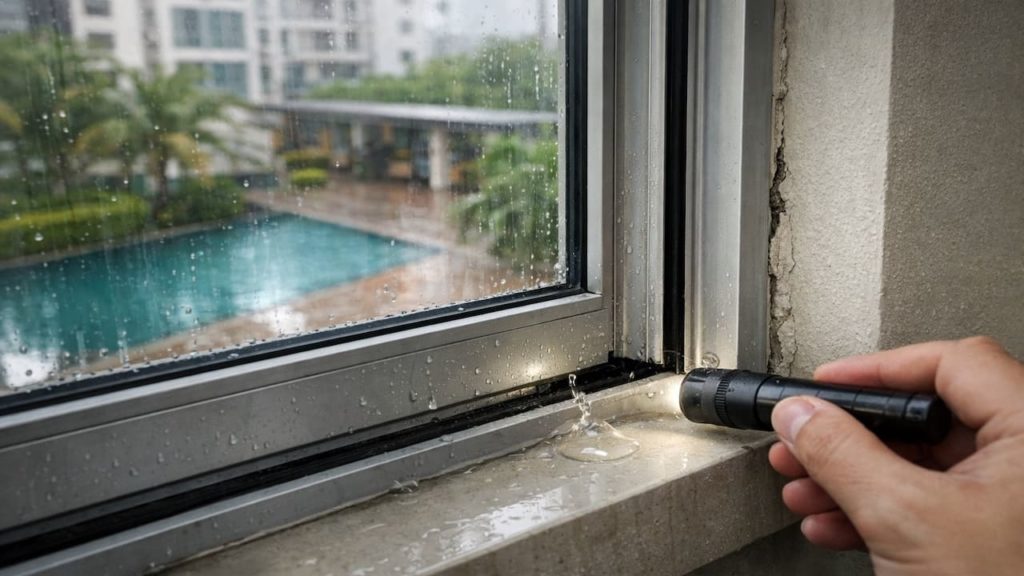
Heavy rain plus wind forces water into micro gaps at miters and screw holes, then it travels inside the frame and exits into your room. In Malaysia condos, high rise wind pressure makes it worse — small gaps become rivers.
- Inspect frame corner joints for hairline separation
- Check rubber gasket brittleness and missing sections
- Test weep hole blockage using small zip tie
- Check sliding track debris and standing water
- Inspect wall seal between frame and plaster edge
“I sealed the inside and it still leaks” happens because the water enters outside first. Interior sealant can trap water in the frame and worsen damp. Seal from the correct side.
3. Why window leaks happen in Malaysia homes
UV heat and wet cycles age sealants quickly.
Sun bakes sealant, rain floods it, then humidity keeps it soft, so it cracks and shrinks over time. Condos face constant facade exposure, while terrace homes get splashback and roof runoff near windows. Aging is normal.
- Old silicone shrinks and pulls away from frame
- Weep holes clog with dust and algae slime
- Sliding tracks warp and hold water pockets
- Wall render cracks channel water to frame edges
- Improper slope makes sill water sit longer
Yes, sometimes the installer did poor work. But even good installs degrade under Malaysia sun and storms. Maintenance is part of the game.
4. How to fix leaks and budget the work
Clear drainage then reseal exterior joints with proper materials.
Start with cleaning and drainage, then reseal only the confirmed failure points. In Malaysia, resealing a few window edges may land around RM150–RM500 depending on access, while facade rope access or scaffolding can push costs much higher if it is a high rise. Guardrails. Do the low cost checks first.
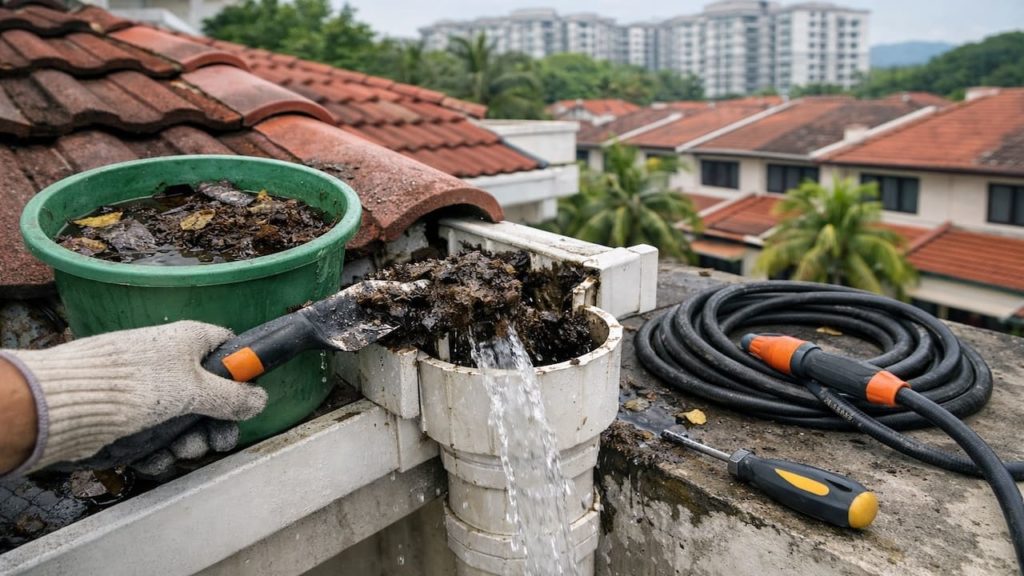
- Clear weep holes and flush track with water
- Remove failed silicone using scraper carefully
- Dry joint fully before applying new sealant
- Apply exterior grade silicone with smooth bead
- Test with gentle hose spray after cure time
Some people rush to seal everything in sight. That wastes sealant and can block weep paths, making leaks worse. Clear drains, seal confirmed gaps, then retest.
5. FAQs
Q1. Should I seal from inside or outside?
Outside is usually the correct side because it blocks entry. Inside sealing can hide symptoms and trap water in the frame. Fix the exterior path first.
Q2. What are weep holes and why do they matter?
Weep holes let water drain out of the frame and track. If they clog, water builds up and spills indoors during heavy rain. Clear them gently.
Q3. How long must sealant dry before rain testing?
It depends on the sealant, but many need at least 24 hours to cure well in humid air. Dry joints and cure time decide seal success. In Malaysia, give extra time.
Q4. Can cracks in the wall cause window leaks?
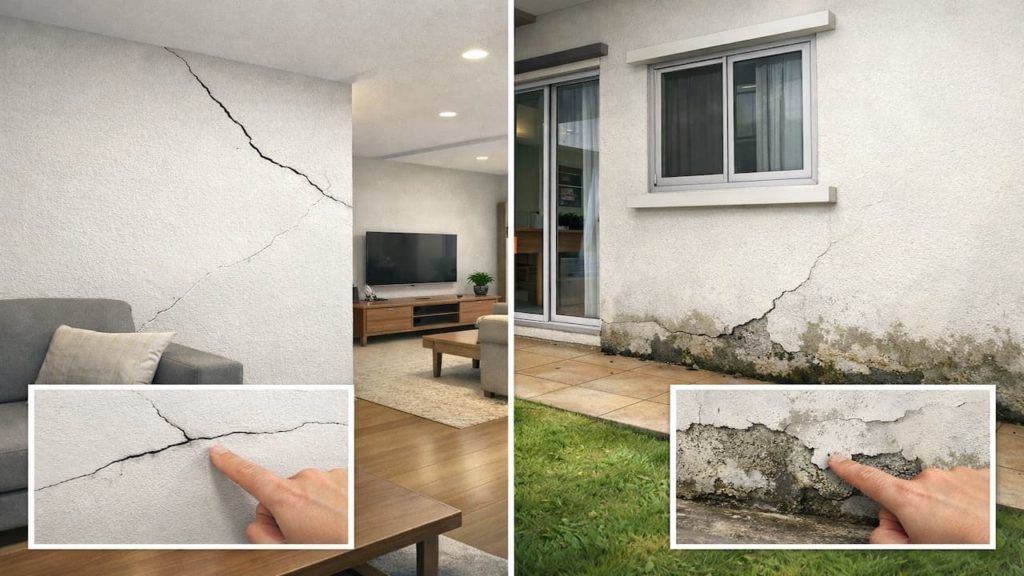
Yes. Hairline cracks can channel water behind the frame and into interior plaster. If you see diagonal cracks near corners, treat them as part of the leak path.
Q5. When should I contact condo management?
If the leak involves exterior facade access, shared wall systems, or repeated issues across units, management usually must coordinate repairs. Provide photos and rain timing.
Pro’s Tough Talk

Alright, I’ve been on site for 20+ years and handled hundreds of jobs, and window leaks in Malaysia are a storm sport. Wind driven rain is like a pressure washer aimed at your frame. It will find the smallest gap.
Three causes cover most cases. Sealant shrinks and cracks from sun and wet cycles. Weep holes clog so the frame fills like a bathtub. Wall cracks guide water right into the frame edge. That’s the structure.
Do 3 steps and stop smearing silicone like butter. Step one, clear weep holes and tracks so water can escape. Step two, find the real gap outside and remove failed sealant properly. Step three, reseal with exterior grade silicone and let it cure, then test gently. Simple.
You didn’t fail and the builder is not always a villain, but the weather is ruthless. Leaks stop when drainage and sealing work together. And anyone telling you to “seal only inside” is selling you a bandage for a broken pipe. That’s my jab.
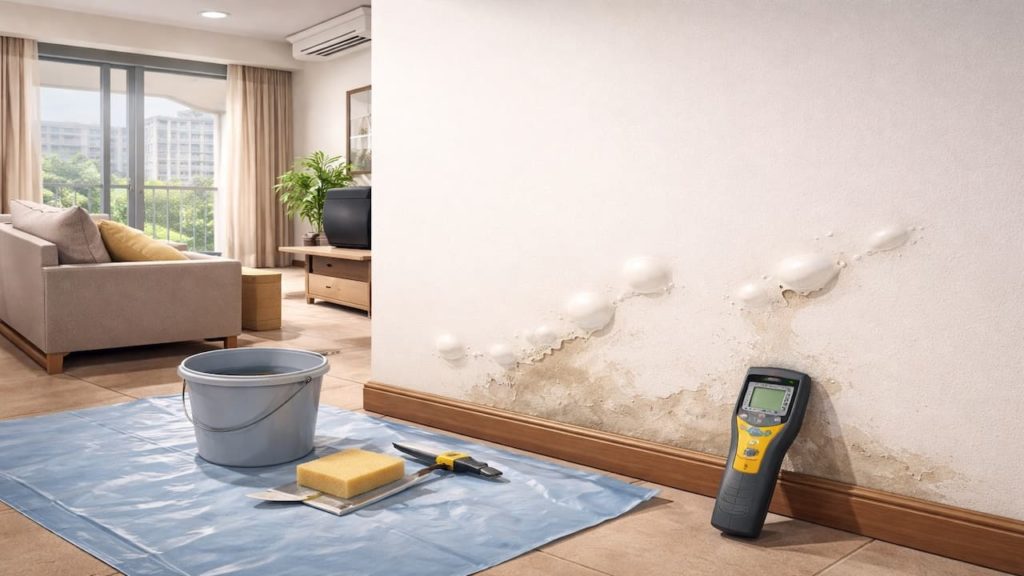
Relatable moment one, it leaks only during the one crazy thunderstorm. Relatable moment two, you wipe it dry and the paint still blisters a week later. Fix the outside path, or enjoy your indoor rain feature like it’s a luxury upgrade.
Summary
Window leaks usually come from frame joint gaps, failed sealant, clogged weep holes, or cracks in surrounding wall render. Malaysia heavy rain and wind pressure make small defects show up fast.
If cleaning weep holes and tracks helps, maintain them and monitor after the next storm. If water trails from frame corners or wall cracks, reseal exterior joints and repair cracks before repainting.
Start today by marking the water line, checking weep holes, and inspecting exterior sealant gaps after heavy rain before you apply new silicone everywhere. Clear drains and seal proven gaps then storms stay outside. If you also have ceiling stains or damp wall paint, read those guides next and connect the moisture path.