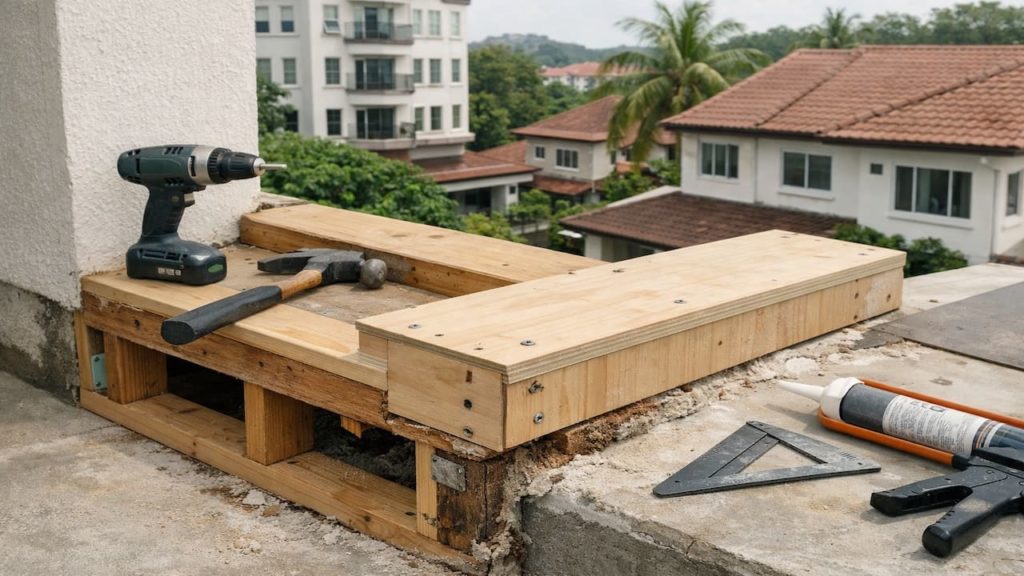
You searched “repair wood rot edge” because a timber edge feels soft, paint is peeling, or the corner crumbles when you press it, especially near wet zones.
In Malaysia, humidity and sudden rain keep timber edges damp, so rot starts at joints, bottoms, and hidden contact points in terrace homes and condos.
In this guide, you’ll learn how to rebuild a rotted edge properly before you seal and paint so the repair stays solid and the rot does not creep back.

Hi, I’m Ken. I write practical home guides for Malaysia—no fluff, just what works.
I hold a formal building design qualification and have spent about 20 years on job sites across hundreds of projects. My goal is simple: help you avoid costly mistakes with clear, safe steps—a quick way to decide what to do next.
1. Repair wood rot edge: 5 steps
Remove all soft wood then rebuild the edge with support.
Rot is not a surface problem. If you seal over softness, moisture stays inside and the edge fails again, especially in Malaysia where drying is slow. Solid wood only. Proof.
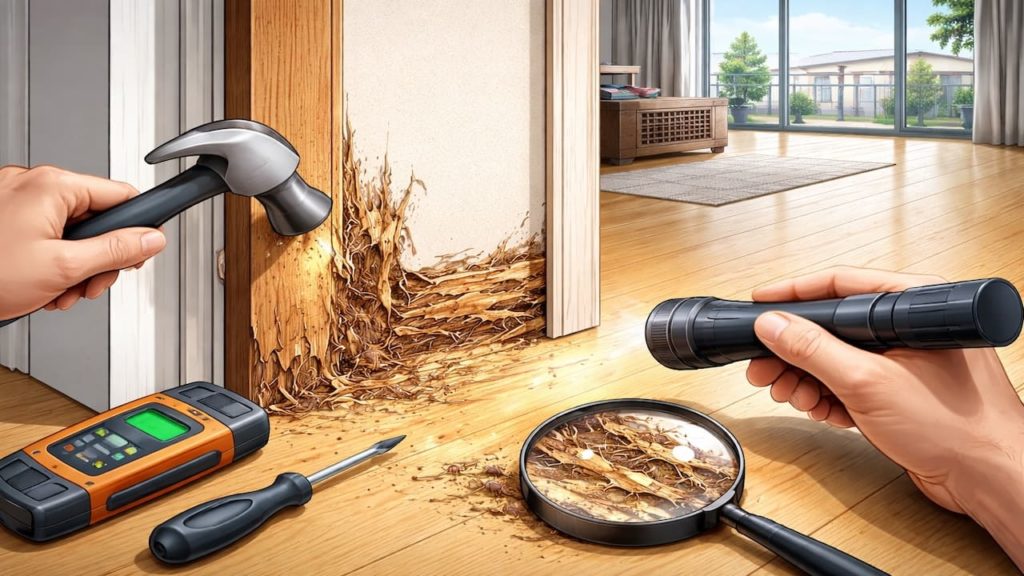
- Probe edge with screwdriver and mark soft zones
- Cut back to sound timber with clean straight line
- Dry the area using fan and dehumidifier
- Rebuild edge using new treated timber insert
- Prime and seal after structure is restored
Some people fill the hole with putty and paint. That looks good for a week, then it crumbles because the structure is still rotten. Rebuild first, then finish.
2. Rebuild structure before sealing
Edge rot returns unless you restore stiffness and load path.
Edges take knocks, hinge loads, and water splash, so they need real material, not only filler. In Malaysia, wet edges also attract termites if moisture stays trapped. Structure matters — not cosmetics.
- Add backing strip inside to support new edge
- Use exterior grade screws and waterproof wood glue
- Replace corroded hinges and fix sagging alignment
- Seal end grain with primer before topcoat
- Leave small airflow gap at bottom where needed
You might think sealing is the main fix. Sealing helps only after the edge is strong and dry. Otherwise you lock in moisture and feed rot from inside.
3. Why wood edges rot fast in Malaysia homes
Moisture sits at joints and end grain in humid weather.
End grain drinks water like a sponge, and joints collect splashback from floors, porches, and bathrooms. Humid air slows evaporation, so wet edges stay wet long enough to break down fibers. Malaysia effect. Slow decay.
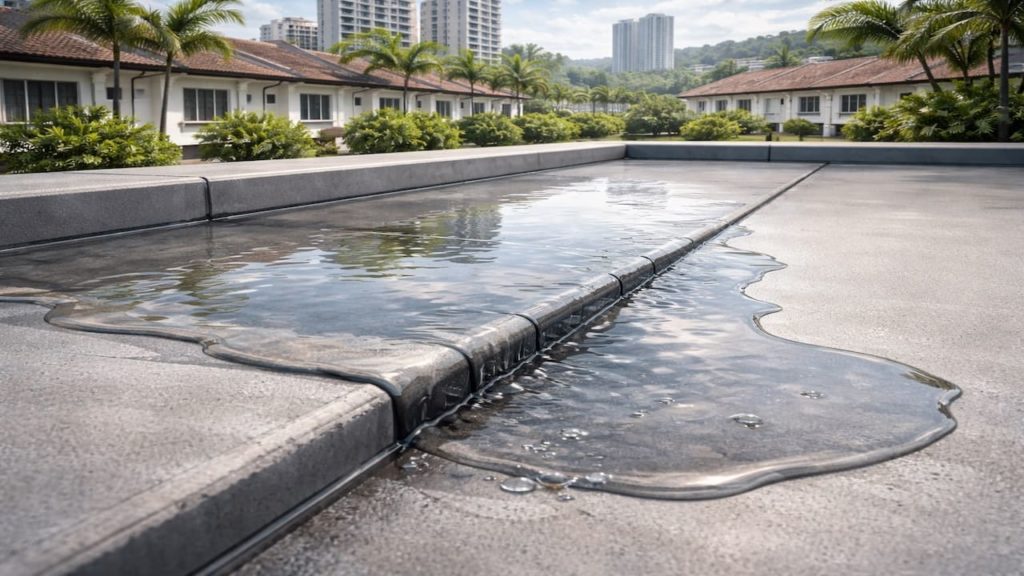
- Check porch puddles splashing onto door frame base
- Inspect bathroom door bottom and skirting corners
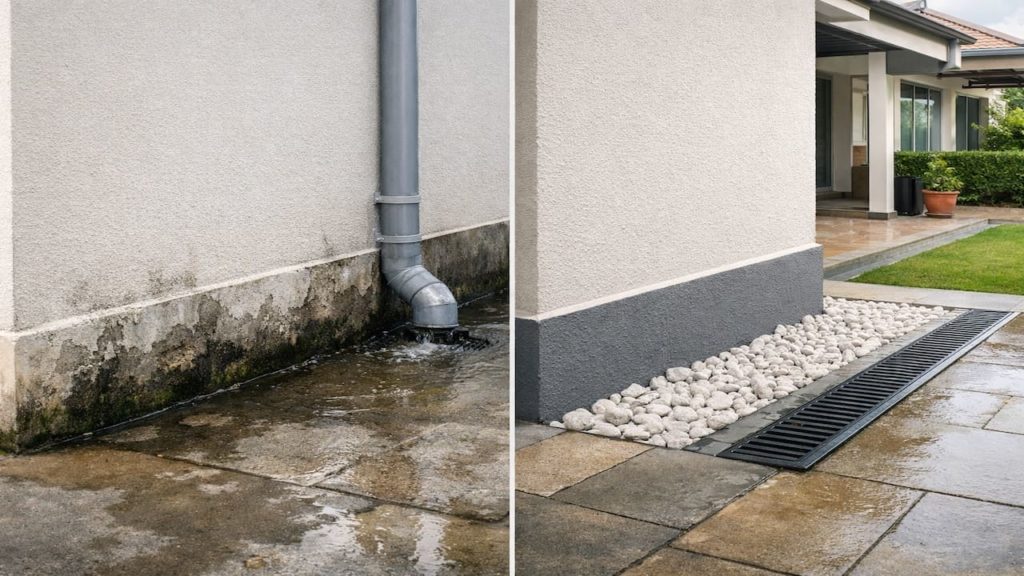
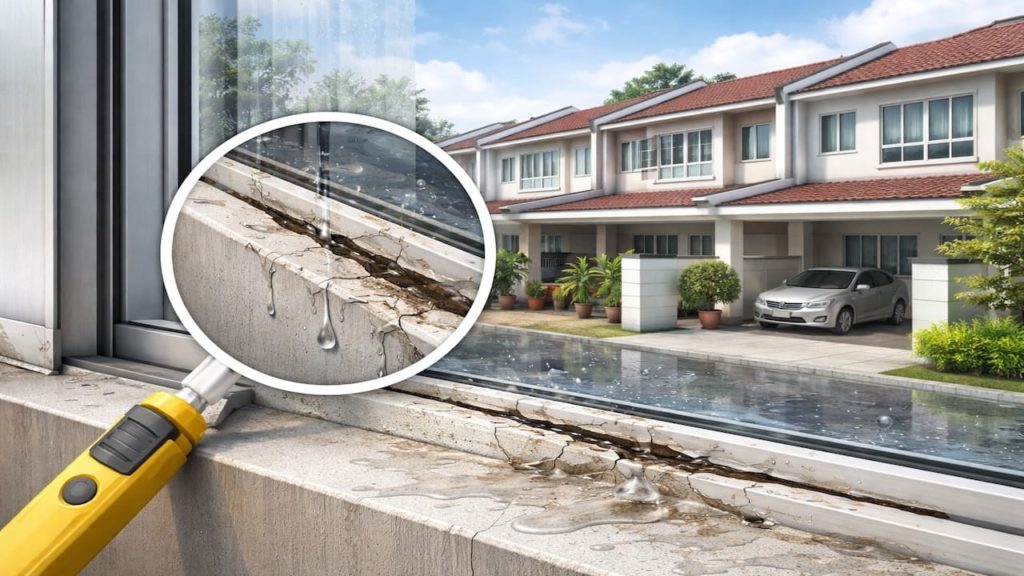
- Look for exterior damp line near wall timber trim
- Check gutter overflow soaking fascia board edges
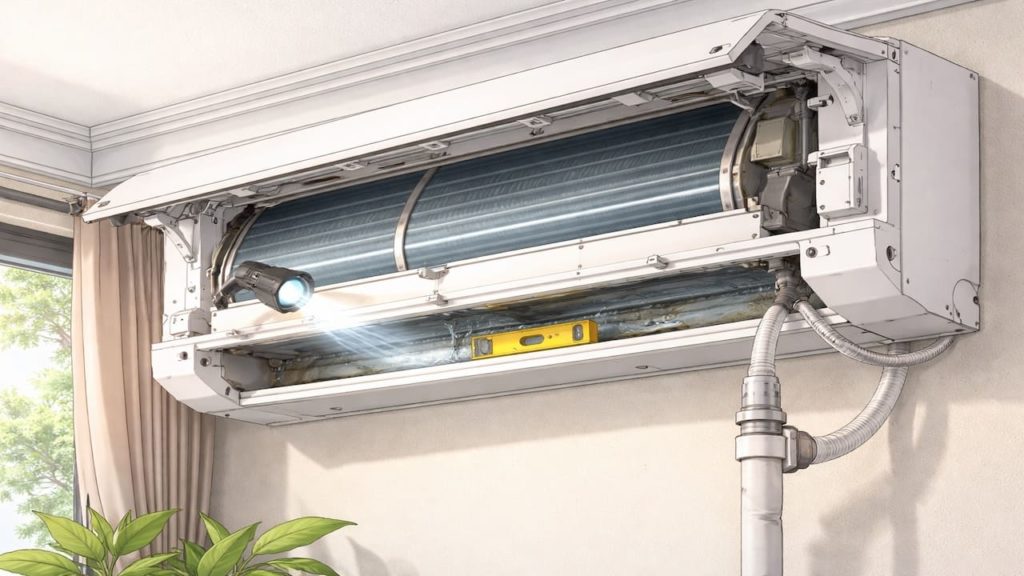
- Inspect AC drip and condensation near timber panels
Some blame only cheap wood. Timber quality helps, but even good wood rots when it stays wet at an edge. Fix the water source or it repeats.
4. How to repair rot and keep costs realistic
Fix the water source then choose repair level by damage.
Small edge rot can be rebuilt with inserts and epoxy, while large rot needs partial replacement. In Malaysia, minor edge repair might be RM150–RM600, replacing a door frame section can be RM500–RM2,000, and fascia or larger exterior trim repair can be RM800–RM3,500 depending on access and repainting scope. Guardrails. Dryness is the checkpoint.
- Redirect splash and runoff away from timber edges
- Remove rotten wood and treat nearby timber preservative
- Rebuild with treated timber or PVC trim board
- Use epoxy filler only on stable dry substrate
- Finish with breathable exterior paint system
Some people replace the trim but ignore gutter overflow or ponding. Then new timber rots in the same place. Fix the moisture path first, then the repair lasts.
5. FAQs
Q1. How do I know if I removed enough rotten wood?
Sound wood feels firm and takes a screwdriver without sinking easily. If it still feels spongy or dark and wet, cut back more until the timber is solid.
Q2. Can I use epoxy to rebuild the edge?
Yes, but only when the wood is dry and stable and you have removed all rot. Epoxy over damp fibers will fail and trap moisture.
Q3. Should I seal the edge with silicone?
Silicone can trap moisture if used as a blanket fix. Seal after rebuilding and only where water enters. Let timber breathe and drain.
Q4. What materials last better than timber?
PVC trim boards or fiber cement can resist rot better in wet zones, but joints still need good detailing. Water management still matters.
Q5. When should I call a professional?
If rot affects structural members, door alignment, or large fascia lengths at height. Also call if termites may be involved, because treatment must come first.
Pro’s Tough Talk

Alright, I’ve been on site for 20+ years and handled hundreds of jobs, and wood rot edges in Malaysia are the same movie every time. Humidity hugs the timber, rain splashes the bottom, and the edge turns to crackers when you touch it.
Three causes show up nonstop. One, end grain and joints drink water and never fully dry. Two, splashback and runoff, porch puddles, gutter overflow, downpipes dumping near edges. Three, people seal first and trap moisture like wrapping wet clothes in plastic. That’s the structure.
Do 3 steps, simple. Step one, cut back to solid wood, no mercy, because rot is not negotiable. Step two, dry it, fan and dehumidifier, then rebuild with backing and treated timber. Step three, prime end grain and paint, and fix the water source so it stays dry. Simple.
You didn’t fail and not every carpenter is useless, but don’t smear filler and call it craftsmanship. Rebuild the edge solid then seal and paint. Anyone selling you “just caulk it” is selling a lid for a boiling pot. That’s my jab.
Relatable moment one, you press the corner and your finger leaves a dent like soft cake. Relatable moment two, you repaint and it bubbles again after the next rainy week. Rebuild it right, or enjoy replacing the same edge forever like a subscription service. Enjoy.
Summary
Wood rot edges are structural damage caused by repeated wetting at joints and end grain, and Malaysia humidity makes drying slow so rot spreads quietly. Sealing over softness only traps moisture.
If rot is small, cut back to sound timber, dry thoroughly, rebuild with backing and treated inserts, then prime and paint. If rot is widespread or linked to gutter overflow, porch puddles, or termites, fix those water paths and treat pests before rebuilding.
Today, probe and mark soft zones, remove all rotten wood, dry the area, rebuild the edge, then seal only after the structure is restored. Dry solid structure makes sealing finally work. If you also have termite damage or exterior damp lines, read those guides next and connect the moisture chain.