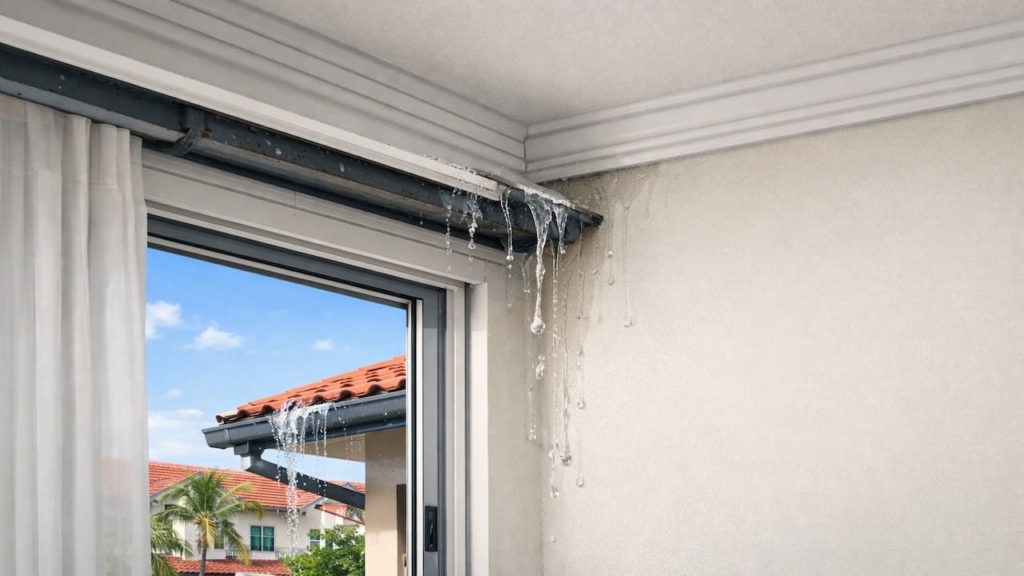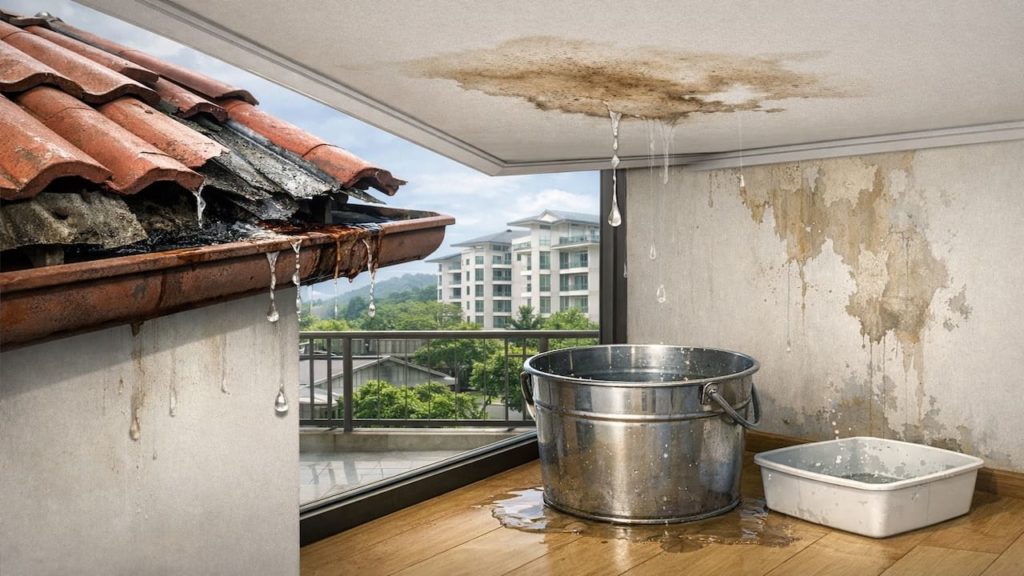
You searched because you saw a ceiling stain grow after rain, heard dripping in the attic, or found wet spots near a light. In Malaysia, roof leaks can show up fast.
Heavy downpours, wind-driven rain, and constant humidity make small roof gaps spread into mold and paint bubbles, especially in terrace homes and top-floor condo units. It feels urgent, but you can diagnose calmly.
In this guide, you'll learn how to spot roof leak signs and decide when patching is enough so you stop damage early, avoid unsafe DIY, and keep repair costs under control.

Hi, I’m Ken. I write practical home guides for Malaysia—no fluff, just what works.
I hold a formal building design qualification and have spent about 20 years on job sites across hundreds of projects. My goal is simple: help you avoid costly mistakes with clear, safe steps—a quick way to decide what to do next.
1. Malaysia roof leak guide: 5 signs
Use these 5 signs to confirm a roof leak fast before you patch the wrong place.
Roof leaks rarely drip straight down—water travels along rafters and beams, then appears at the weakest ceiling point, which is common in Malaysia storms. Look for pattern and timing, not just one stain. Evidence. —
- Check ceiling for yellow ring stains after rain
- Look for paint bubbles and soft gypsum patches
- Smell for musty damp odor near top corners
- Inspect attic for wet rafters and dark streaks
- Watch for drip lines near lights and fans
Some people blame aircond condensation, but roof leaks spike after storms and often create streaks from one direction. Confirm rain timing first, then test AC as a separate suspect. Clear.
2. Know when to patch
Patch only when the leak point is visible and stable or you will waste money and time.
In Malaysia, temporary patches can work for small cracked sealant, a slipped tile, or a minor flashing gap, but hidden rot or widespread cracks need a proper fix. A quick decision rule protects you from endless “patch and pray.” Reality.
- Patch small flashing gap using roofing sealant bead
- Patch tiny nail hole using butyl tape square
- Replace slipped tile and check overlap alignment
- Clean gutter and downpipe to stop overflow splash
- Stop work if roof feels soft or unsafe
People say patch everything first, but patching without locating the true entry point often sends water to a new ceiling spot. Find the source, then patch. —
3. Why roof leaks worsen in Malaysia rain and humidity
Humidity slows drying and hides damage so leaks keep feeding mold and rot.
Even a small gap can stay wet for days during rainy weeks, and wet timber or insulation can hold moisture like a sponge. Wind-driven rain also forces water under tiles and into flashing joints. Malaysia storms do not need a big hole to cause a big stain. Physics.
- Gutters overflow and soak fascia and soffit edges
- Flashing sealant cracks under sun heat cycles
- Tile overlaps shift after strong wind gusts
- Roof screws loosen and open micro entry gaps
- Wet insulation holds water and spreads staining
Some think a stain means an old leak, but fresh leaks can stain fast when humidity stays high and the ceiling never fully dries. Treat it early. Real.
4. How to handle a roof leak safely and control cost
Contain inside then inspect safely then repair properly so you stop damage without risking injury.
Basic patch supplies often cost RM20-80, while a roofer visit can be RM300-1500 depending on height, access, and whether tiles or flashing need replacement. Start with containment and evidence, then pay for the right scope once. Money matters. —
- Place bucket and protect floor using plastic sheet
- Switch off power near wet lights and fans
- Mark stain edges and take photos after each rain
- Inspect roof from ground using binoculars safely
- Call roofer if leak repeats after one patch
Some people climb up in slippers during rain, but that is how injuries happen and the leak still stays. Contain and document first, then repair with safe access. No hero moves.
5. FAQs
Q1. How do I tell roof leak vs plumbing leak?
Roof leaks follow rain timing and often show up after storms, while plumbing leaks can appear anytime and keep growing even in dry weather. Check the pattern across two days. Evidence wins.
Q2. Is it safe to patch during rain?
No patch is worth a fall so avoid roof work in wet conditions. Do indoor containment and wait for a dry window. Safety first.
Q3. Why does the stain appear far from the roof hole?
Water travels along rafters, beams, and ceiling boards before dropping at the weakest joint. That is why the drip point lies to you. Trace uphill when possible.
Q4. How long should I dry the ceiling after a leak?
Drying can take days in humid weather, so use fans and AC dry mode and keep the area ventilated. Do not repaint until the smell is gone and the board feels firm. Patience.
Q5. When should I call a professional roofer?
Call when the leak repeats after patching, when you see multiple stain points, or when roof access is high and unsafe. Also call if timber feels soft or tiles look shifted. Do not gamble.
Pro’s Tough Talk

Alright, I have been on site for 20+ years and handled hundreds of jobs, and Malaysia roof leaks are sneaky little liars. One stain shows up and you swear the hole is right above it. Nope.
Three causes keep repeating: clogged gutters overflowing like a waterfall, cracked flashing sealant baked by sun, and tiles shifted just enough for wind-driven rain to slip under. Storms love those gaps.
Do three steps now: contain the drip and protect the floor, shut off power near wet fittings, then inspect from the ground and mark stain edges after each rain. Like tracking a thief by footprints.
If you keep patching blind, you are paying for guesses not repairs and you will keep chasing stains across the ceiling. The bucket collection in the hallway. The panic climb in flip flops. Two classics.
Ignore it and your ceiling will keep autographing itself with brown rings, so fix the source before the next storm signs your house again.
Summary
Use the 5 signs to confirm a roof leak and separate it from AC or plumbing issues, then contain water and document changes after each rain. Clear.
If the entry point is visible and small, a patch can work, but repeated leaks or multiple stains mean you need a proper repair scope. No endless patching.
Contain and document today before you spend then read our window leak and wall mold spot guides to keep damage from spreading in humid season.