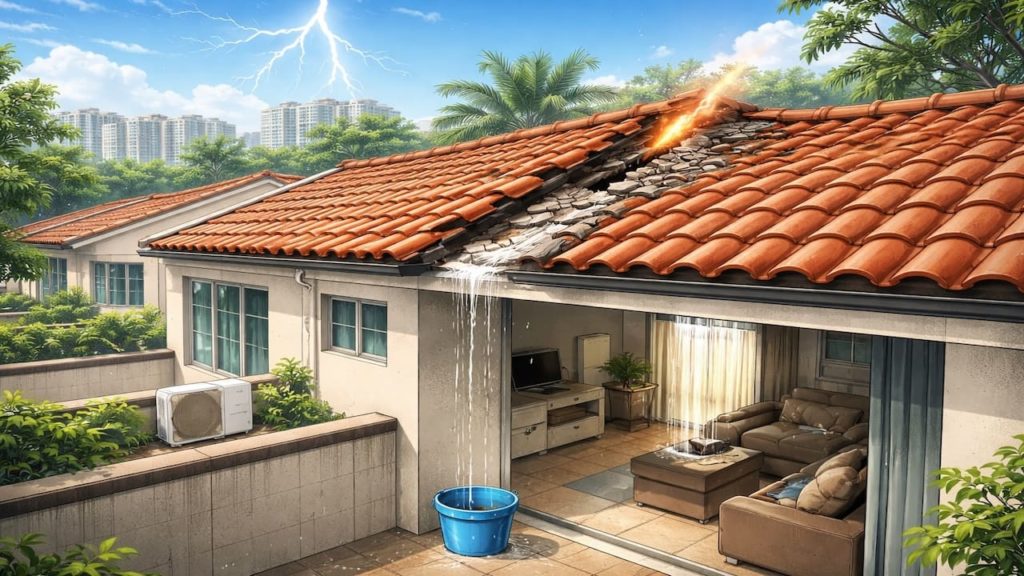
A roof leak after lightning can feel confusing, because you expect electrical damage, not water dripping from the ceiling. In Malaysia storms, lightning, wind, and sudden rain often arrive as one package.
Lightning itself can create cracks, but the bigger risk is that surges and storm impact happen together, so people miss either the leak path or the electrical danger. Treat it as two problems. Serious.
In this guide, you’ll learn how to check for leak and electrical risks after lightning in Malaysia terrace houses and condo units. You will confirm what to isolate first and what to document.

Hi, I’m Ken. I write practical home guides for Malaysia—no fluff, just what works.
I hold a formal building design qualification and have spent about 20 years on job sites across hundreds of projects. My goal is simple: help you avoid costly mistakes with clear, safe steps—a quick way to decide what to do next.
1. Roof leak after lightning: 5 checks
After lightning you check safety first then you trace the water.
Malaysia humidity and wet season rain make ceilings stay wet, so a small entry path can spread fast. But surge risk is immediate, especially near lights and fans. Safety wins.
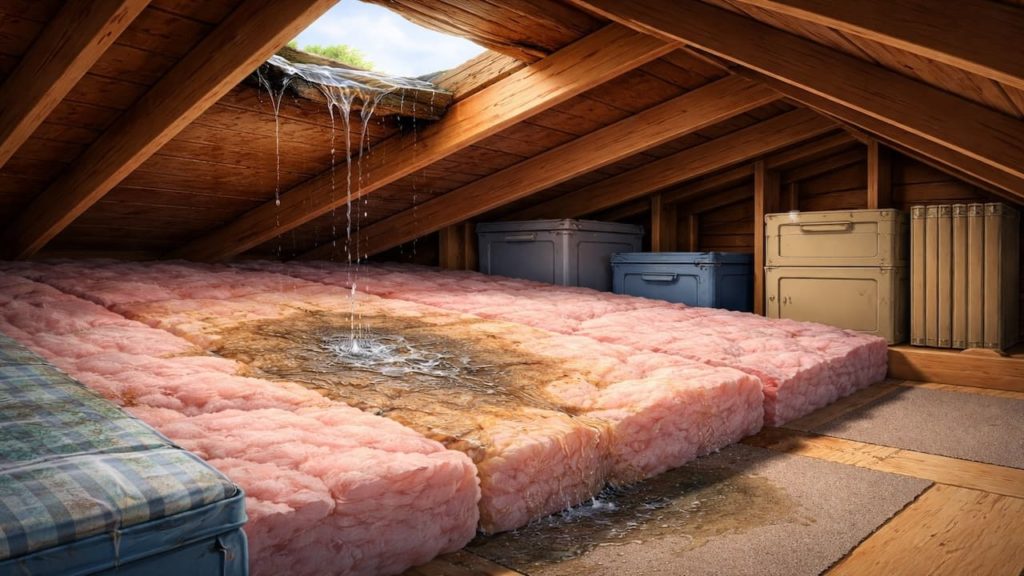
- Turn off circuit feeding wet ceiling area
- Check ceiling light and fan for water
- Look for new cracks along ceiling lines
- Inspect roof ridge and edges for shifted tiles
- Smell for burnt odor near switches outlets
Some people say lightning is rare and nothing changes. Even if the strike was nearby, surges can damage fittings and storms can open gaps at the same time. Do the checks.
2. Surges and cracks can happen together
A surge can weaken fittings while impact opens a leak path.
Lightning energy can travel via wiring and metal parts, while wind and debris hit the roof. In Malaysia storms, you often get uplift, flying branches, and sudden ponding all at once. Double hit.
- Inspect aerial antenna and roof metal for scorch
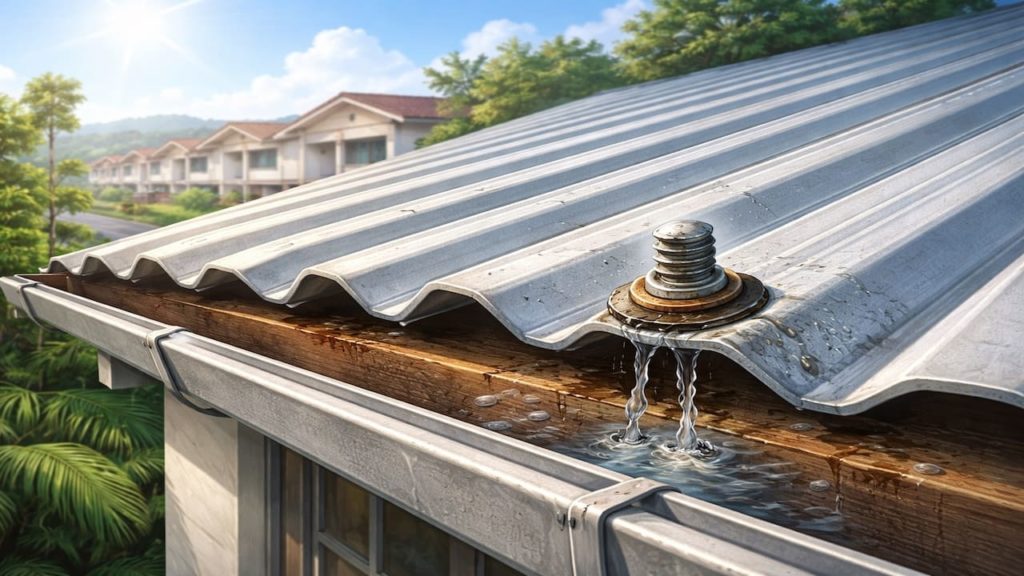
- Check solar panel mounts and bolt penetrations
- Look for hairline cracks on plasterboard joints
- Check metal roof screws for loosened washers
- Test RCD and breakers for proper trip action
You might think cracks are only cosmetic. After storms, cracks can become water channels, especially if they align with roof structure. Track crack lines and leak timing together.
3. Why leaks show up right after lightning storms
Leaks appear because the storm changes pressure and drainage.
Strong gusts can lift edges and push rain under flashing, while heavy downpours overflow gutters and force water backward. Malaysia rain intensity can overwhelm small defects instantly. Rapid exposure.
- Check gutter overflow marks on fascia boards
- Inspect valley lines for debris and pooling
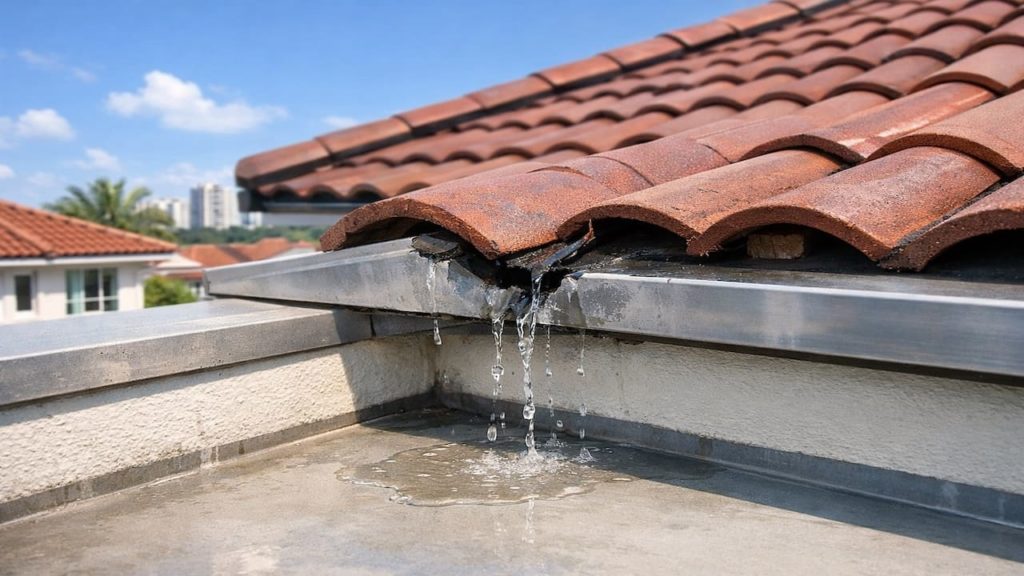
- Look for edge flashing gaps after uplift
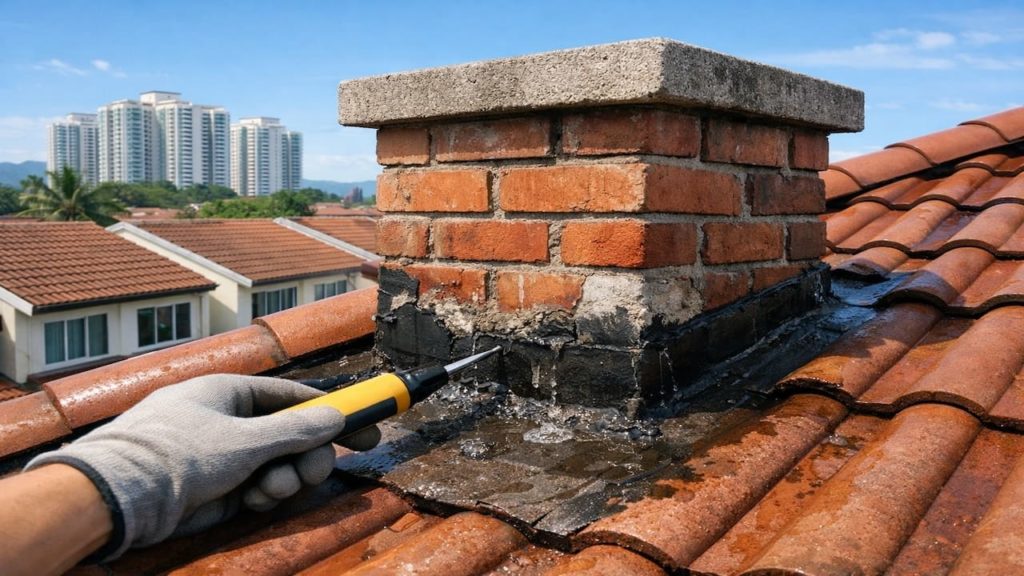
- Check roof penetrations around vent pipes
- Trace drip path using lowest ceiling point
Some assume the lightning directly caused the leak. Sometimes it can, but most of the time it is the storm conditions that reveal a weak point. The timing still matters.
4. How to document for repairs and claims
Good photos and dates prevent arguments later.
Take pictures before drying everything, because wet marks show the pathway. In condos, building management may need evidence for shared roof work, so keep it clear and time-stamped. Proof matters.
- Photograph ceiling stain and drip location closeup
- Record time of lightning and first drip time
- Photo roof area from safe ground angles
- Capture breaker trips and device error lights
- Save weather alerts and storm messages screenshots
People say documentation is pointless because repairs are urgent. You can do both. Photos take minutes and can save you weeks of disputes and extra costs.
5. FAQs
Q1. Can lightning crack a roof or ceiling directly?
It can, especially if current travels through metal paths, but it is more common for storm wind and sudden water load to reveal existing weaknesses. Check both.
Q2. What is the most urgent risk if water is near lights?
Electrical shock and short circuits are the immediate danger. Do not touch wet fittings and shut off power to that circuit right away.
Q3. What should I test in the electrical panel after lightning?
Test the RCD and check for tripped breakers and any burning smell. If the RCD will not reset or trips again, call an electrician before further testing.
Q4. Should I do a hose test right after a lightning storm?
Not immediately, because wet surfaces and active moisture can confuse results and increase risk. Dry and stabilize first, then test on a safe dry day.
Q5. When should I call both a roofer and an electrician?
Call both if water is near wiring, switches, lights, or ceiling fans, or if you smell burning or see flickering. Treat it as two linked hazards.
Pro’s Tough Talk

I’ve been on site for 20+ years and handled hundreds of jobs, and “leak after lightning” is where people panic in the wrong order. Malaysia storms bring a buffet: rain, wind, surge, and fear. Pick the right plate.
Cause 1, the surge messes with lights and fans, so the ceiling becomes an electrical trap. Cause 2, wind lift opens edges and flashing gaps, so water sneaks in like a thief. Cause 3, gutters overflow and backflow, so it looks like the roof is leaking everywhere.
Do 3 steps now. Step 1, cut power to the wet area, because water plus wiring is a stupid combo. Step 2, keep people out and set a bucket stopgap, because slips and shocks are real. Step 3, document the stain, breaker trips, and storm timing, because later everyone forgets and arguments start.
Treat it as safety plus leak path not just a drip. Lightning drama is like two problems holding hands, you cannot ignore one. And the guy who says “just dry it with a fan and chill” deserves a slow blink. Relatable.
Two classic scenes. You reset breakers three times and wonder why it sparks, then you blame the house. Or you repaint the stain and it comes back bigger after the next storm. Cute. The storm is not finished with you.
Summary
A roof leak after lightning storms is often the result of wind uplift, overflow, and exposed weak joints, while surges can create immediate electrical hazards. Treat it as two risks.
Cut power near wet ceilings, document timing and damage, and inspect roof edges, penetrations, and gutters once it is safe. If devices trip or smell burns, call an electrician.
Shut off the wet area circuit today and record evidence, then use your hose test and contractor red flag guides to confirm the entry point and avoid rushed upsells.