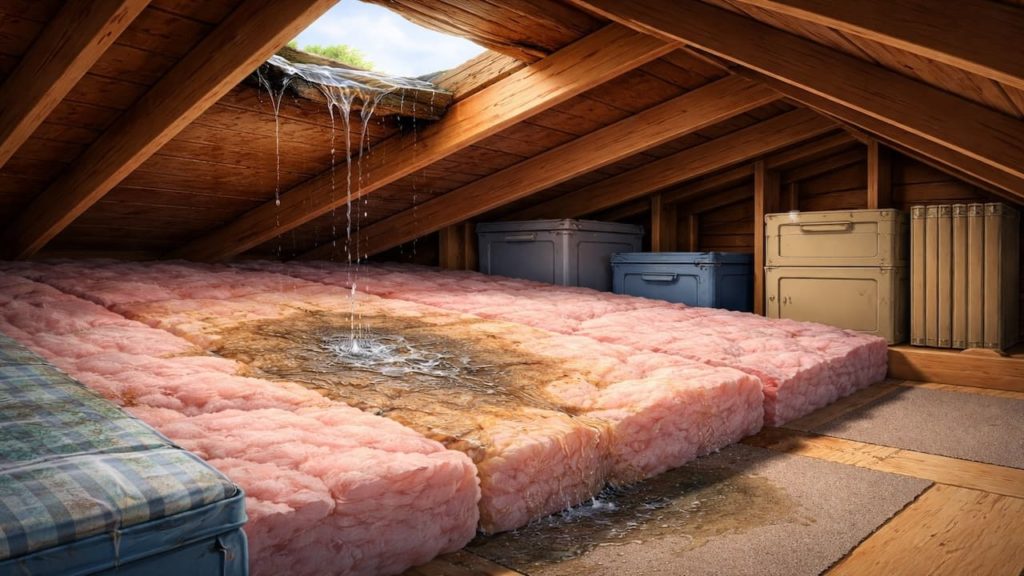
A roof leak in the attic is sneaky, because you may not see any drip inside the room while Malaysia humidity quietly loads moisture into the roof space.
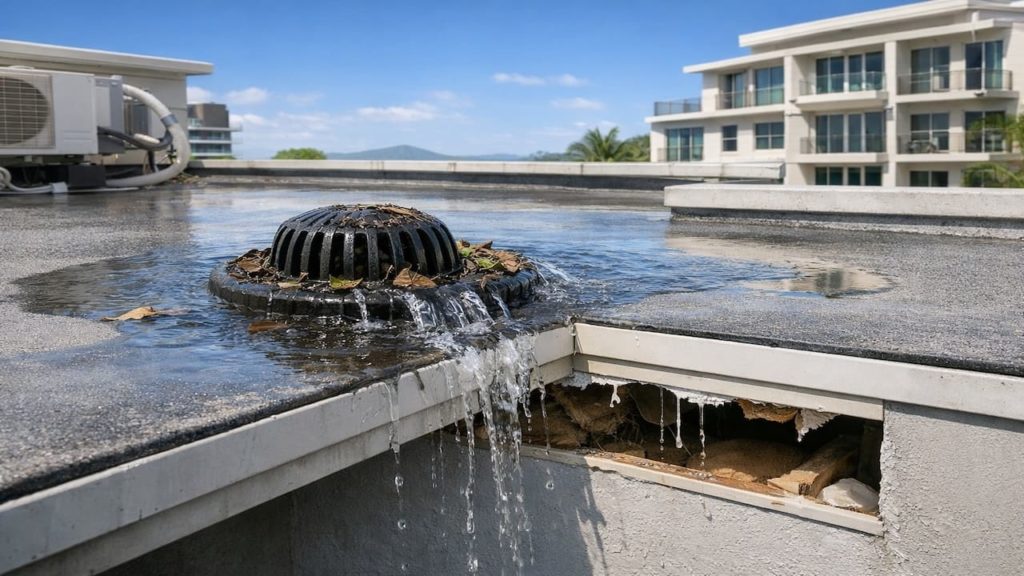
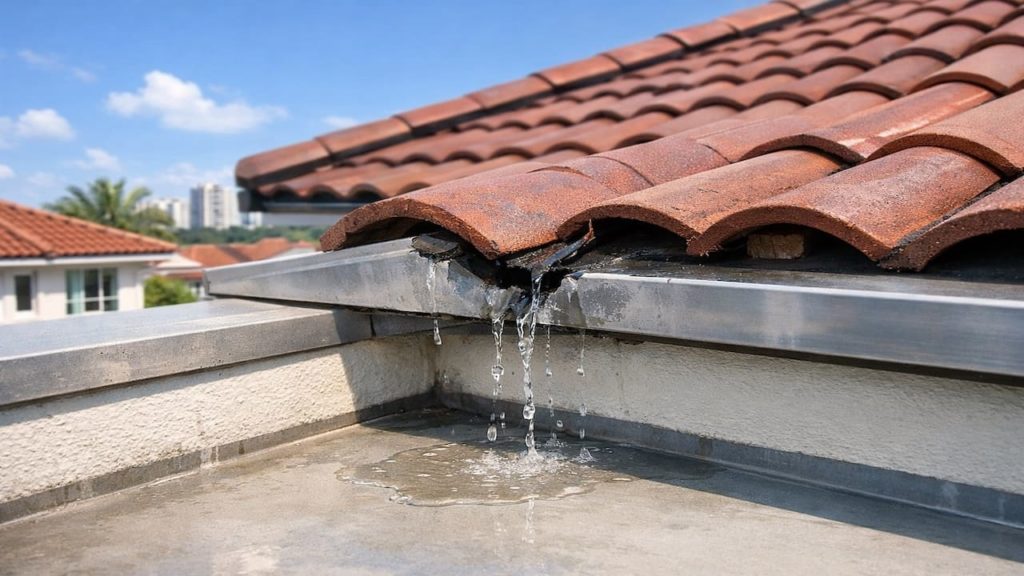
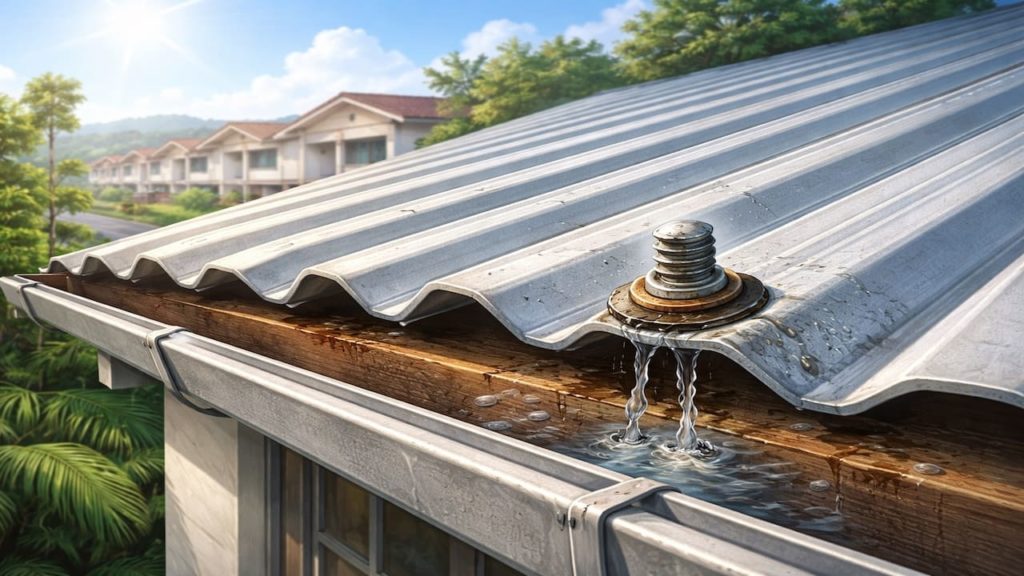
Leaks can come from roof joints, screws, flashing edges, or parapet cracks, and wet insulation can spread damp far beyond the original entry point.
In this guide, you’ll learn how to spot attic leak signs early and how to reduce damage safely in terrace houses and top floor units during tropical rain cycles.

Hi, I’m Ken. I write practical home guides for Malaysia—no fluff, just what works.
I hold a formal building design qualification and have spent about 20 years on job sites across hundreds of projects. My goal is simple: help you avoid costly mistakes with clear, safe steps—a quick way to decide what to do next.
1. Roof leak in attic: 5 signs
Attic leaks show smell and texture before visible drips.
In Malaysia, warm moist air keeps roof spaces damp, so insulation and timber can stay wet for days, even when the ceiling below looks normal.
Silent spread.
- Musty odor near ceiling hatch or upper stairs
- Insulation clumps and feels heavy to touch
- Dark streaks on rafters or purlins lines
- Rust marks on nails screws or metal bracing
- Cool damp patches on ceiling after rain
Some people wait for a ceiling stain because that feels like the “real” leak proof.
But attic leaks can soak structure first, so catching smell and damp early prevents larger repairs.
2. Wet insulation spreads moisture silently
Wet insulation moves moisture sideways and hides the source.
Insulation acts like a sponge, and Malaysia humidity slows drying, so water can travel along the insulation layer and drip far from the roof entry.
Misleading path.
- Trace damp insulation uphill toward roof ridge
- Check insulation edges near parapet and valleys
- Look for water lines on insulation facing paper
- Mark wet areas with tape and date
- Bag and remove soaked sections to dry outside
You might think leaving insulation in place is safer because it “protects” the ceiling from water.
But wet insulation keeps moisture trapped, so remove or lift soaked sections and let the roof space breathe.
3. Why attic leaks worsen in Malaysia: heat humidity and poor airflow
Poor attic airflow makes leaks linger and rot faster.
Hot roofs drive moisture into the attic, and if vents are blocked, damp stays, wood swells, and mold grows faster than you expect in tropical weather.
Slow rot.
- Check soffit vents for blocked mesh and dust
- Inspect ridge vent line for gaps or blockage
- Look for condensation beads on underside sheets
- Check for termites ants or insect activity rising
- Note if smell worsens after afternoon rain
People assume the attic is “outside air” and will dry itself naturally.
But many roof spaces in Malaysia are stagnant, so you must add airflow and remove wet materials to stop silent damage.
4. How to inspect safely and reduce attic leak damage
Inspect from safe points and document before repair.
Turn off nearby circuits, use stable access, and bring a torch, because attic work is awkward, and Malaysia humidity can make surfaces slippery and unsafe.
Safe routine.
- Turn off circuit near ceiling hatch lights
- Use a stable ladder and wear gloves mask
- Look for highest wet timber point and mark
- Take photos of wet spots and entry direction
- Run a fan to push air through hatch opening
Some homeowners want to seal the first wet spot they see with tape or silicone because it feels like action.
But attic signs can be downstream, so document and trace uphill, then repair the roof detail that feeds the moisture.
5. FAQs
Q1. How can I tell attic moisture from a real roof leak?
Condensation is usually widespread beads on underside sheets, while a roof leak is localized wet trails and dark streak lines after rain. Timing with storms is a strong clue.
Q2. Is it dangerous to go into the attic during wet season?
It can be, because timber can be slippery and wiring may be nearby. Avoid during storms and always turn off circuits near the area before entering.
Q3. Should I remove all insulation if it is wet?
Remove or lift the soaked sections, because wet insulation keeps moisture trapped. Dry the roof space first, then replace only what cannot dry properly.
Q4. What is the quickest action to reduce damage tonight?
Improve airflow and remove saturated insulation sections so the roof space can dry. Drying stops silent rot faster than repainting in Malaysia humidity.
Q5. When should I call a professional?
If wet areas are large, timber feels soft, or you see repeated wet trails after storms, call a roofer or waterproofing specialist. Hidden damage can spread quickly.
Pro’s Tough Talk

I’ve been on site for 20+ years and handled hundreds of jobs, and attic leaks in Malaysia are the silent kind that ruin wood before you even see a stain. People think “no stain, no problem,” then the rafters say hello. Surprise.
Cause 1 is insulation acting like a sponge, spreading moisture sideways. Cause 2 is poor airflow, so damp sits there like a wet towel that never dries. Cause 3 is small roof gaps at joints and screws, so every storm tops up the same hidden wet spot. Three classics.
Step 1, power off near the attic access and be safe, because wiring plus damp is a trap. Step 2, find the highest wet timber point and trace uphill, because water travels. Step 3, pull out soaked insulation sections and push airflow, because wet insulation is like keeping a wet sponge in a closed box. Fact.
Wet insulation is silent damage that spreads fast. Don’t blame yourself, because nobody checks an attic for fun, and not every contractor is useless either, roof details just age in tropical heat. But the structure is cold: water moves like ants in walls, and an attic is like a dark pantry where moisture stores itself quietly.
And the “just close the hatch and forget it” move gets a side-eye, because that is how mold and rot get comfortable. Relatable moment 1: you open the hatch and the musty smell punches you. Relatable moment 2: you touch insulation and it feels weirdly heavy. Ignore it, and your attic will keep drinking rain like it is free.
Summary
Attic roof leaks often show up as musty smell, wet insulation, and dark streaks before any visible ceiling drip, and Malaysia humidity keeps moisture trapped longer.
If insulation is soaked, remove or lift affected sections, improve airflow, and trace the highest wet point to the roof entry instead of patching random spots.
Check the attic smell and insulation tonight then document wet trails for repairs, and next read the guides on DIY inspection and roof joint leaks.