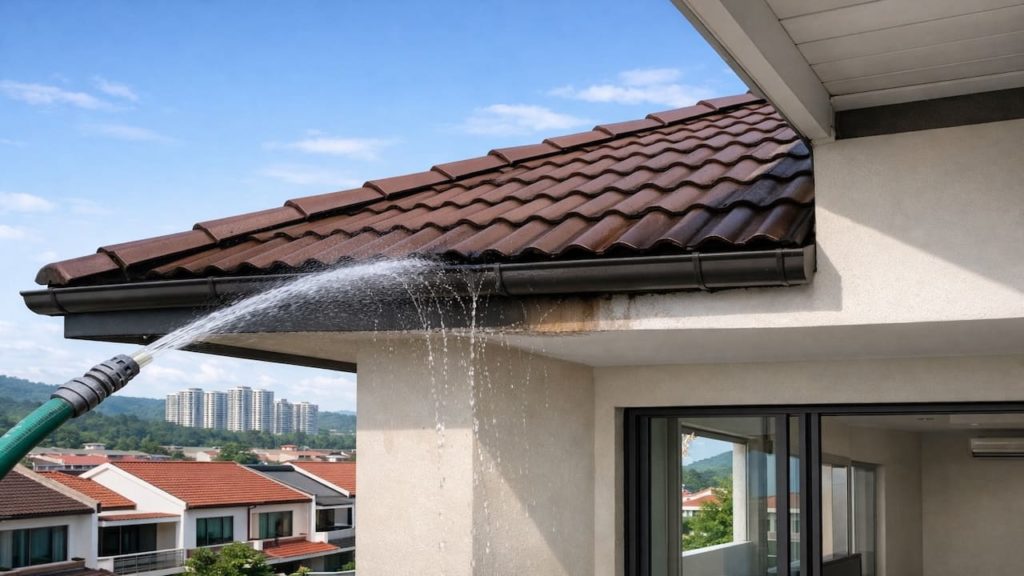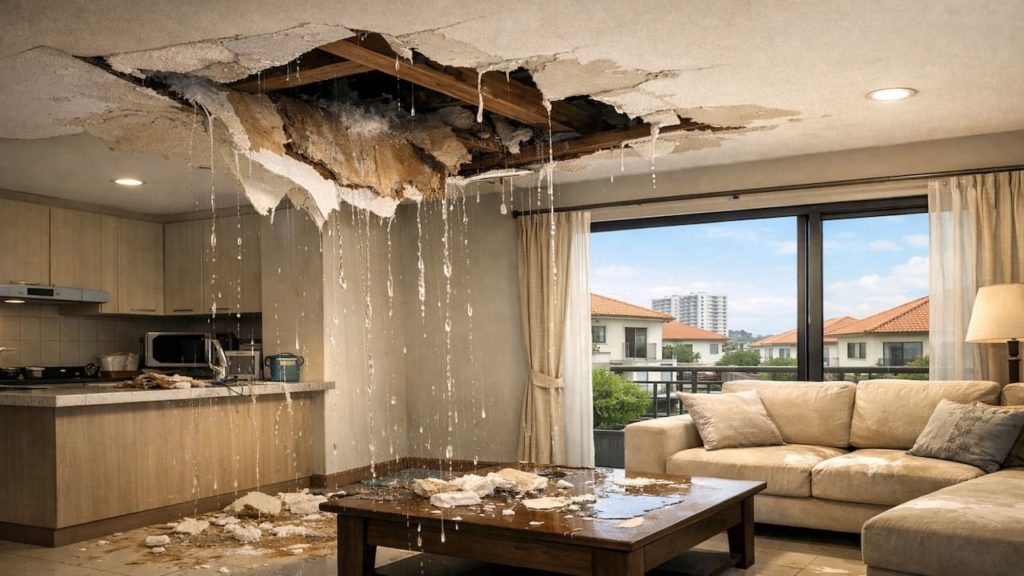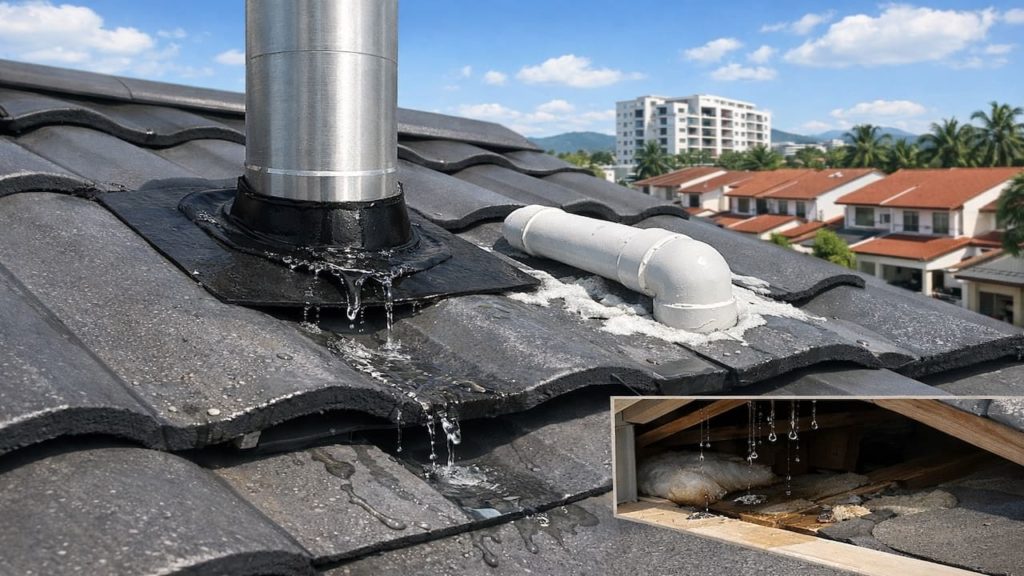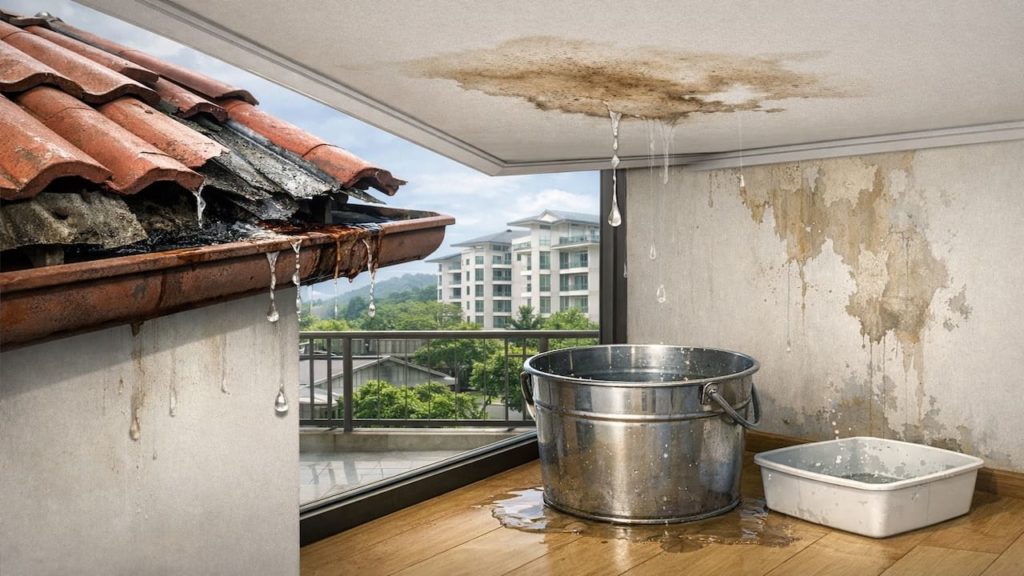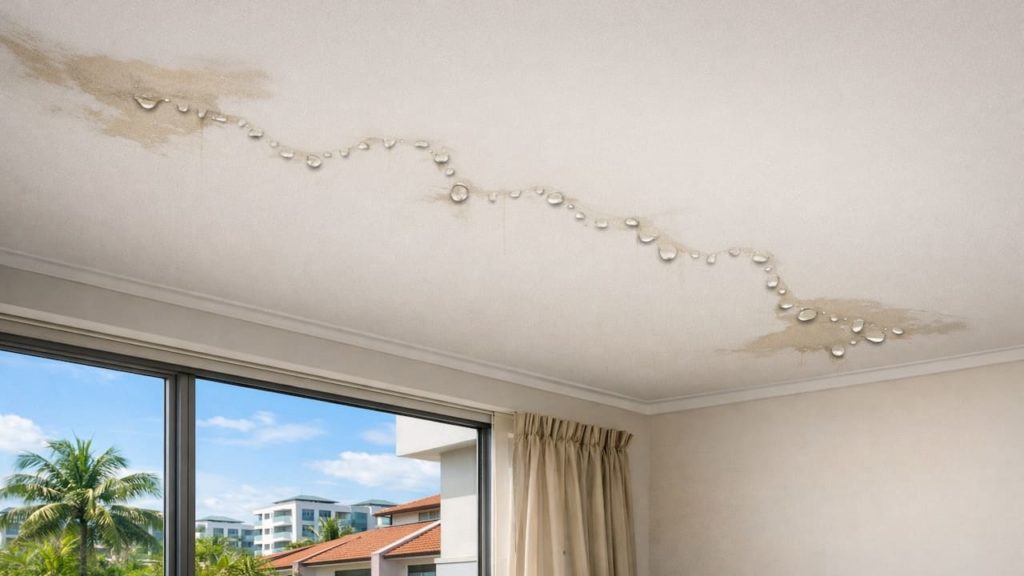
A roof leak water mark map helps when the stain looks random, because Malaysia humidity makes marks spread and you lose the real starting point fast.
Water can travel along beams, conduits, and ceiling seams, so the drip point you see is often not the entry point on the roof.
In this guide, you’ll learn how to map drip points to find the entry path so you can stop guessing and give contractors clear proof for terrace houses and condo units.

Hi, I’m Ken. I write practical home guides for Malaysia—no fluff, just what works.
I hold a formal building design qualification and have spent about 20 years on job sites across hundreds of projects. My goal is simple: help you avoid costly mistakes with clear, safe steps—a quick way to decide what to do next.
1. Roof leak water mark map: 5 steps
A simple map reveals patterns your eyes miss.
When Malaysia storms repeat, small drips create multiple stains, and your memory blurs the sequence—so write it down and the pattern appears.
Clean evidence.
- Mark stain edge with pencil and date
- Label each drip point with a number tag
- Measure distance to two fixed wall corners
- Note drip start time and rain intensity
- Photograph map and stains from same angle
Some people think mapping is overkill because they just want the leak fixed now.
But a map prevents wrong repairs, so it saves money and time during Malaysia wet season.
2. Trace the path using drip points
Drip points show the direction water traveled.
Water often runs downhill inside the ceiling void, then drops at a seam, screw, or light opening—so the highest wet point is your best clue.
Key rule.
- Find the highest damp line on the ceiling
- Check cornice corners for hidden wet trails
- Inspect around light fittings for ring stains
- Look for straight stain lines along gypsum joints
- Check wall top for damp band near ceiling
You might assume the darkest stain is the source because it looks like the main damage.
But dark color can be age and humidity, so follow height and direction, then you trace the real path.
3. Why water mark maps work in Malaysia homes
Humidity keeps wet paths active for longer.
In Malaysia, materials stay damp, so water keeps migrating after rain stops, and the path can shift with wind and roof ponding on different days.
Moving target.
- Note whether drip continues after rain stops
- Record wind direction if you can
- Check if aircond was running that day
- Compare stain growth between storm events
- Smell for musty odor near mapped points
People often blame one storm and forget the earlier smaller drips, because the big event is easier to remember.
But the map shows repeat behavior, so you can separate one-time splash from a real roof entry point.
4. How to build a useful map for contractors
Make the map simple and measurable.
A contractor can work faster when you give distances and times, because ceiling stains look similar, and Malaysia wet season schedules are tight.
Useful package.
- Sketch room with door and window positions
- Plot drip points with numbered circles
- Write two measurements per point in cm
- Attach photo set labeled by point number
- List likely roof zone above each point
Some homeowners worry they will “guess wrong” and look silly to the contractor.
Do not worry, because the numbers and photos are the value, so the contractor can test the roof zone properly.
5. FAQs
Q1. What if I have multiple stains in different rooms?
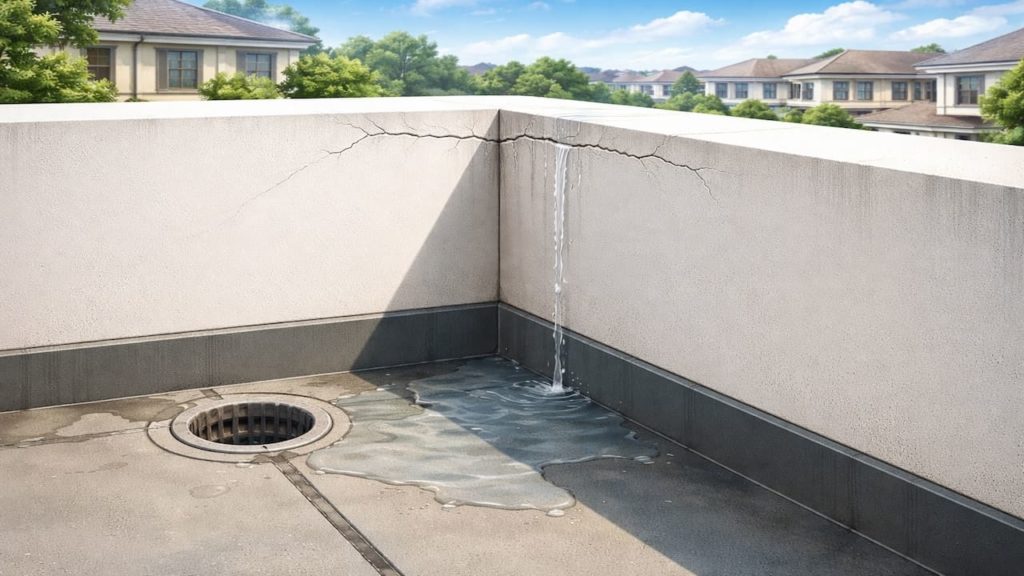
Make one map per room and compare timing, because one roof entry can spread to several rooms. In terrace houses, gutters and parapets can feed multiple paths.
Q2. Should I mark the ceiling with pen or tape?
Use a pencil line and small masking tape labels so you can remove them later. Malaysia humidity can loosen tape, so press it well and replace if needed.
Q3. How do I handle drip points near electrical fixtures?
Turn off the circuit at the DB and keep it off until dry. Water around lights can be dangerous even if the drip seems small.
Q4. Can a water mark map help with an insurance claim?
Yes, because it adds structure and shows a timeline of damage. Dates and labeled photos reduce disputes when stains look older due to humidity.
Q5. When is mapping not enough and I must call help?
If the ceiling sags, smells musty, or the stain grows after each storm, call a roofer or waterproofing specialist. Mapping helps, but safety comes first.
Pro’s Tough Talk

I’ve been on site for 20+ years and handled hundreds of jobs, and the ceiling is the biggest liar in Malaysia houses. Water enters here, then it travels there, then it drips somewhere else just to mess with you. That’s the game.
Cause 1 is hidden travel paths along beams and conduits. Cause 2 is wind-driven rain that changes the entry point behavior. Cause 3 is humidity that keeps everything wet so the path keeps moving. Three headaches.
Step 1, kill power near the wet spot and control the drip, because wet wiring is a trap. Step 2, label drip points and measure to corners, because guessing is expensive. Step 3, match timing to storms and aircond use, because timing is the fingerprint. Simple.
A map turns a leak story into a leak case file. Don’t blame yourself, because nobody wants to be a detective at midnight, and not every contractor is a villain either. But the structure is cold: water moves like ants in walls, and your memory is like a sieve when you are tired. Two metaphors.
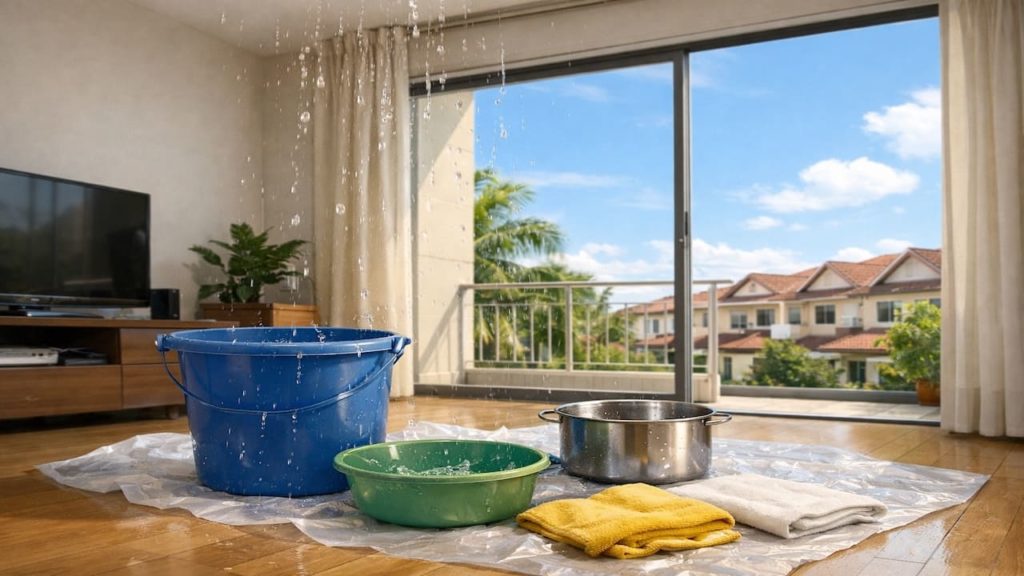
And the “just look at the biggest stain bro” advice gets a side-eye, because that is how you miss the entry point. Relatable moment 1: bucket shuffle at 2 a.m. Relatable moment 2: taking the same ceiling photo ten times. Make the map, or keep playing hide and seek with your own roof.
Summary
A roof leak water mark map helps you trace drip points, stain growth, and timing, which matters in Malaysia where humidity makes paths shift and stains spread.
If you measure and label points, you can guide a contractor to test the right roof zone instead of paying for broad sealing that misses the real joint.
Label the drip points and write times today then keep photos consistent for the next storm, and next read the guides on DIY inspection and wet season damage control.