Roof leak prevention matters most before the rainy season, not after a bucket is already on your floor. In Malaysia, sudden downpours and humid air punish small gaps fast.
You do not need a full reroof to reduce risk, but you do need simple checks that catch weak points early. Think of it like a quick health scan for your roof. Routine.
In this guide, you’ll learn how to run 5 simple roof checks before wet season for Malaysia terrace houses and condo top floors, so you avoid stains, mold smells, and emergency call-outs.

Hi, I’m Ken. I write practical home guides for Malaysia—no fluff, just what works.
I hold a formal building design qualification and have spent about 20 years on job sites across hundreds of projects. My goal is simple: help you avoid costly mistakes with clear, safe steps—a quick way to decide what to do next.
1. Roof leak prevention: 5 steps
Prevention works when you check the water path not just the roof surface.
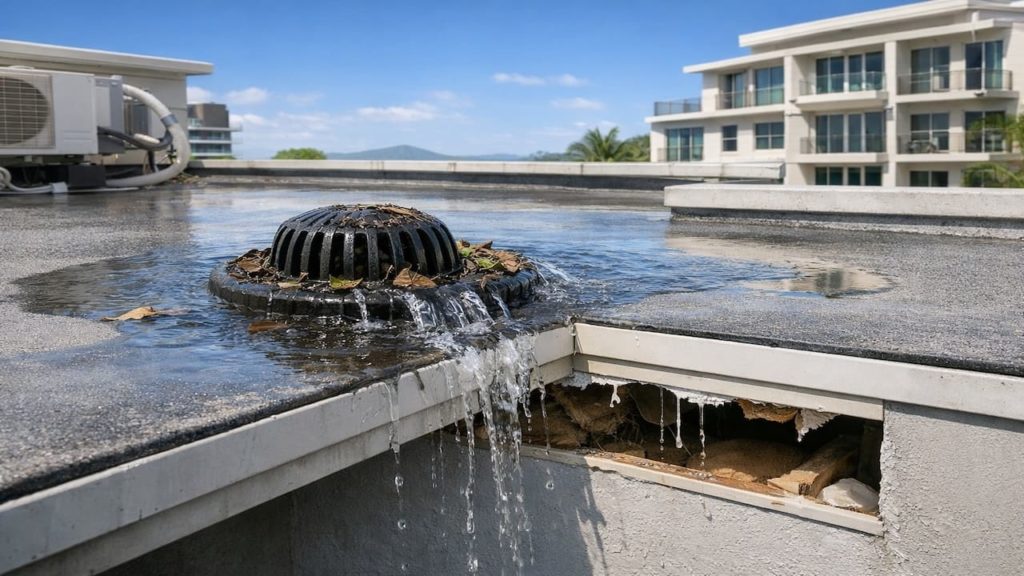
In Malaysia rain, water enters at edges, penetrations, and clogged drains, then travels along structure before it drips. Your checks should follow that path—roof to gutter to ceiling. Simple chain.
- Clear gutters and downpipes until flow runs fast
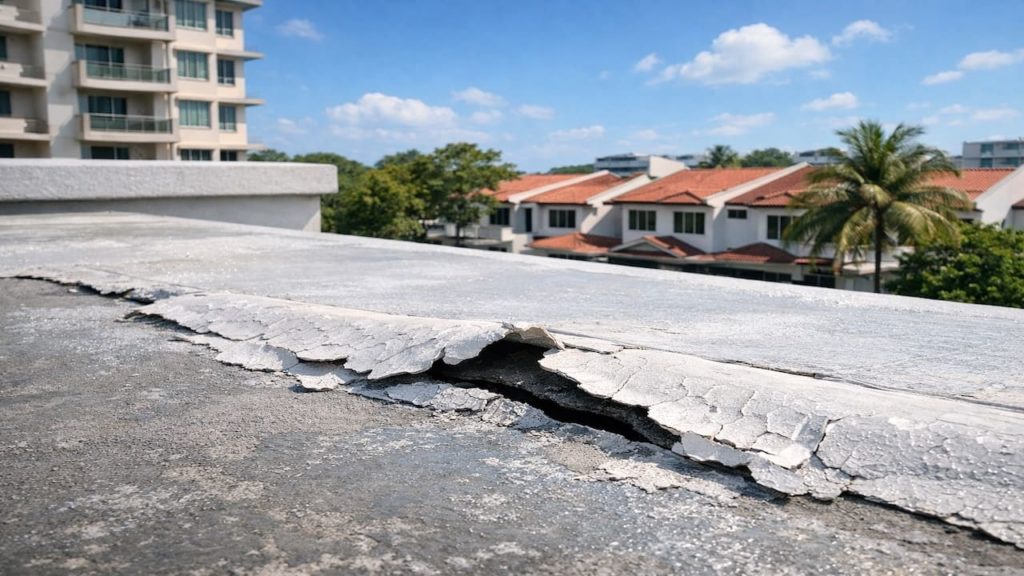
- Inspect roof edges and flashing for lifted gaps
- Check roof screws washers and loose fasteners
- Look for cracked sealant and reappear gaps
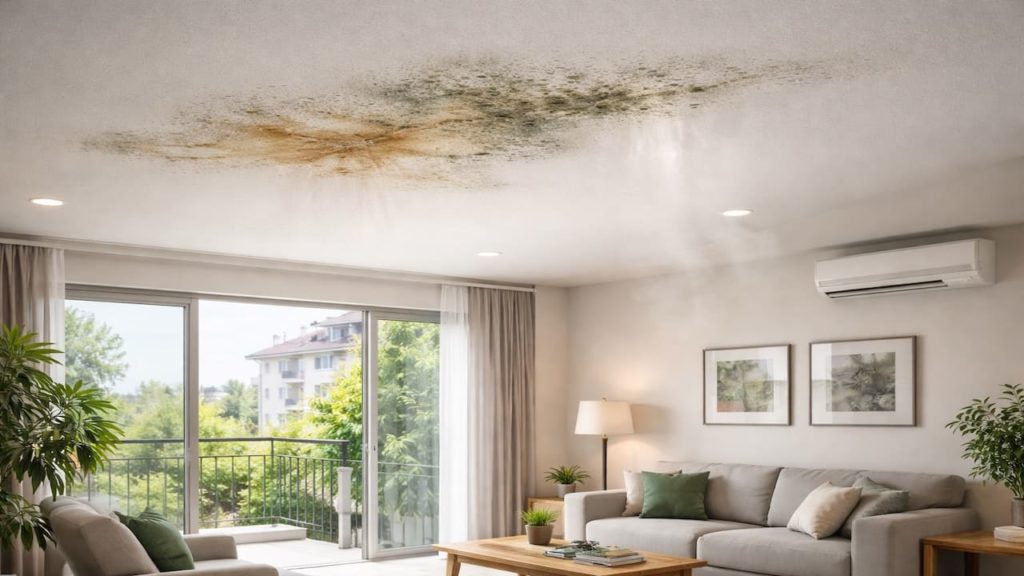
- Scan ceilings for new stains and soft spots
Some people say “I will check when it leaks.” That is the expensive version. Pre-season checks cost less than repainting, replacing swollen skirting, and fighting musty air later.
2. Simple checks before the rainy season
Small visible clues tell you where the next leak will start.
Heat expands roofs every day, and UV cooks sealant, so weak joints show as tiny gaps or shifted lines. Malaysia humidity then keeps moisture trapped, so early signs matter. Early warning.
- Look for rust streaks near joints and screws
- Check ridge line for uneven shadows and offsets
- Inspect valleys for debris and pooling marks
- Check vent pipe boots for cracks and splits
- Look for fascia swelling or paint bubbling below
You might think these are minor cosmetic issues. In tropical rain, cosmetic becomes structural fast. If water has a path, it will use it.
3. Why rainy season leaks hit harder in Malaysia
Heavy rain plus wind finds gaps that calm weather never shows.
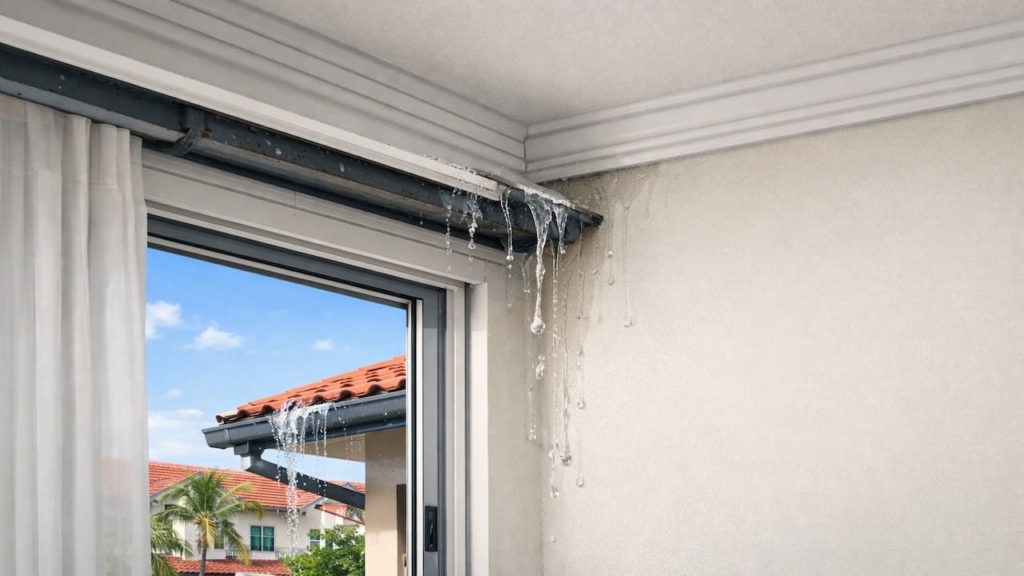
Wet season storms hit sideways and overload gutters, so water is pushed under edges and backs up behind fascia. Humid nights slow drying, so damage spreads under paint. Slow rot.
- Watch where wind drives rain on your house
- Check gutters during rain for overflow points
- Inspect soffit vents for fresh water streaks
- Note leak timing and storm direction in phone
- Check attic insulation for damp spread patterns
Some people blame “bad luck storms.” Storms are normal here. Your roof details decide whether normal storms become a leak event. That is the truth.
4. How to fix small issues before they grow
Fixing one clear gap early beats emergency waterproofing later.
Target small repairs on dry days, and do not seal over wet surfaces. In Malaysia, timing matters because sudden showers can ruin curing and bonding. Plan for dry windows. Clean job.
- Replace cracked screw washers instead of tightening
- Reset shifted tiles and secure ridge cap ends
- Re-seal only after cleaning and fully drying
- Improve drain flow at roof outlets and scuppers
- Schedule a controlled hose test after repair
People say “I will just paint waterproof coating.” Coating helps only after you fix gaps and drainage. If you skip that, you hide the problem and pay later.
5. FAQs
Q1. How often should I do these checks in Malaysia?
At least before the rainy season and after any major storm. If your area gets frequent heavy rain, a quick monthly gutter check helps.
Q2. What is the fastest prevention step with the biggest impact?
Clearing gutters and downpipes is usually the highest impact, because overflow mimics roof leaks and forces water into fascia and ceilings.
Q3. What is the safest way to check the roof without climbing?
Use ground photos and binoculars to inspect edges, ridge lines, and obvious gaps. If access is risky, hire a pro for inspection rather than taking a fall.
Q4. Should I re-seal every joint I can see?
No, only seal where the old bead is cracked, peeled, or separated, and only on dry, clean surfaces. Random sealing can trap moisture and create new failure lines.
Q5. When should I stop DIY and call a contractor?
Call if you see sagging ceilings, water near lights, soft timber, repeated stains, or large flashing issues. Safety and access decide the line.
Pro’s Tough Talk

I’ve been on site for 20+ years and handled hundreds of jobs, and rainy season leaks are not magic. They are the same weak spots getting exposed, then Malaysia humidity makes them stay wet forever. Annoying.
Cause 1 is clogged gutters and lazy drainage, so water backs up like a blocked sink. Cause 2 is tired joints and peeling sealant, so UV cracks reopen gaps. Cause 3 is movement, because roofs expand and shrink all day like they are breathing.
Do 3 steps this week. Step 1, clear gutters and watch overflow during one rain, because that shows the real failure points. Step 2, check edges and penetrations with photos, because those are the usual entry points. Step 3, fix one obvious gap on a dry day and hose test, because guessing is gambling.
Prevention is one small fix before the storm not a big fix after. Waiting is like ignoring a toothache until it becomes surgery. And the guy who says “roof is fine lah” while the gutter is overflowing deserves a slow clap. Relatable.
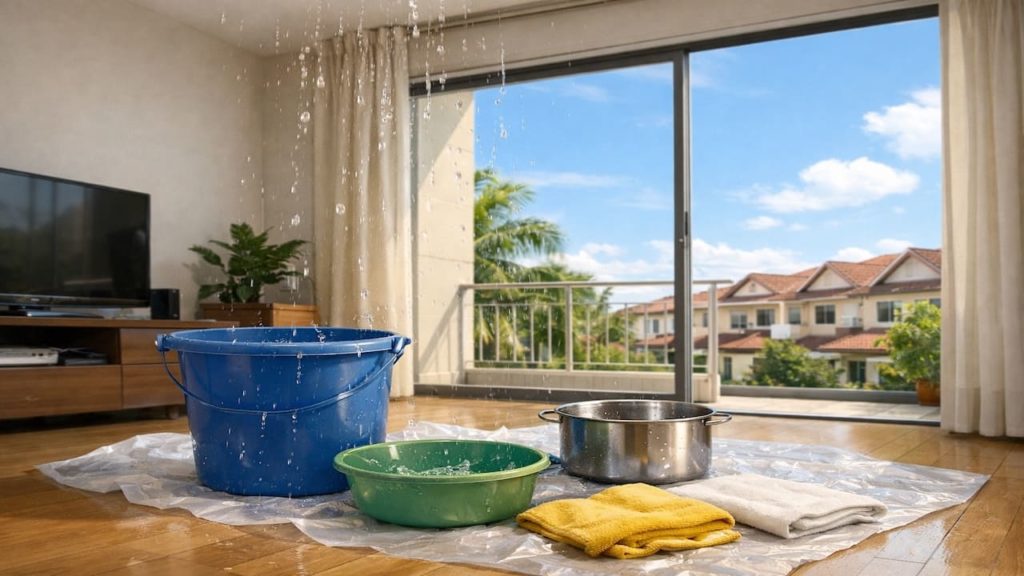
Two classic scenes. You skip checks, then you spend the night swapping buckets like a DJ. Or you patch randomly, then the stain comes back bigger and you act surprised. Cute. The rain is consistent, you were not.
Summary
Roof leak prevention before rainy season means checking gutters, edges, fasteners, sealant condition, and early ceiling signs. Malaysia storms reward preparation.
If problems repeat after a small fix, shift to a tighter inspection and confirm the entry point with a hose test on a dry day. If wiring or sagging is involved, call help.
Do the gutter check and one photo inspection today, then move to your sealant peeling and hose test guides to lock down the real weak spots.