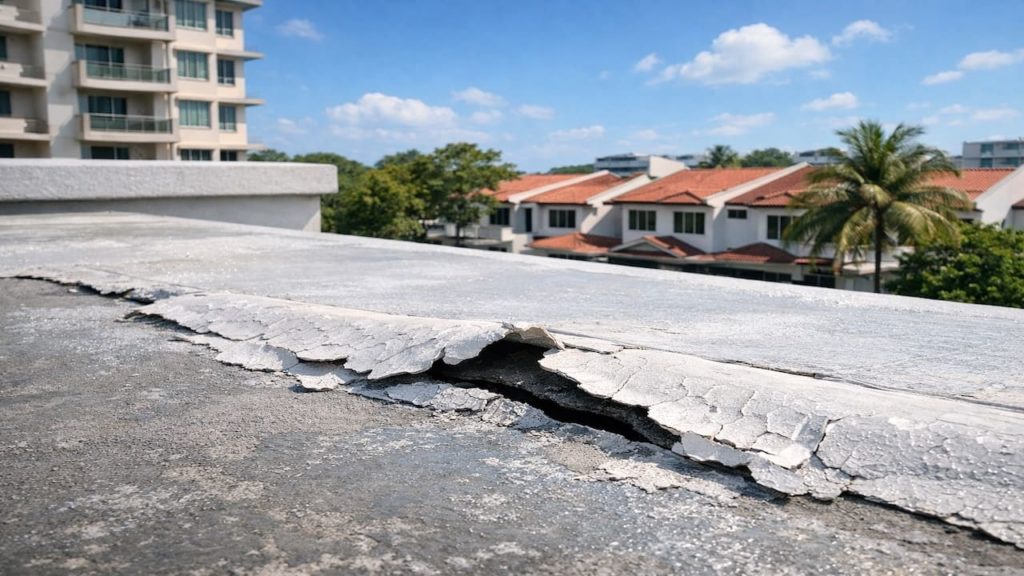
Roof leak sealant peeling is annoying, because the gap looks “sealed” until the next storm proves it was only a temporary cover. Malaysia sun and humidity make that cycle faster.
Peeling can come from UV aging, wet surface prep, movement at joints, wrong sealant type, or trapped moisture under the bead. The goal is to narrow the cause without panic. Calm check.
In this guide, you’ll learn how to confirm peeling sealant signs before a small gap becomes a ceiling stain using simple checks that fit terrace houses and condo top floors in tropical heat.

Hi, I’m Ken. I write practical home guides for Malaysia—no fluff, just what works.
I hold a formal building design qualification and have spent about 20 years on job sites across hundreds of projects. My goal is simple: help you avoid costly mistakes with clear, safe steps—a quick way to decide what to do next.
1. Roof leak sealant peeling: 5 signs
Peeling sealant is a leak warning not a cosmetic issue.
In Malaysia, sealant sits under brutal UV, hot afternoons, and sudden rain, so weak bonds show early—usually before you see a full drip. Fast failure. Look for patterns, not one speck.
- Press bead edge gently with gloved finger
- Look for hairline gaps along bead sides
- Check for chalky powder on sealant surface
- Search for water tracks below the joint
- Spot tiny bubbles or pinholes after rain
Some people say “it is only a little peel.” True, a little peel looks harmless. But peeling is proof the bond is losing contact, so water will find it again. Treat it as a sign.
2. UV damage makes gaps reappear fast
UV breaks sealant skin then rain opens the gap.
Tropical sun cooks the top layer until it turns brittle, then the bead cracks when the roof expands and cools. Malaysia roofs move daily—metal sheets and flashing shift more than you think. Daily movement.
- Check bead for hard glossy brittle surface
- Compare shaded bead section with sunny section
- Inspect cracking at corners and bead turns
- Look for split lines where bead meets metal
- Replace exposed bead with UV rated sealant
Someone might argue “UV cannot reach under the flashing.” Sometimes it cannot, but many beads are exposed on ridge caps, gutters, and edges. If the bead is visible, UV is working on it. No mercy.
3. Why sealant peeling keeps coming back in Malaysia
Peeling returns when the joint keeps moving or stays wet.
Roof joints open and close with heat, and water can sit behind a bead during wet season storms. If the surface was damp during application, the bond starts weak and fails early—then mold smell follows. Wet bond.
- Check joint for movement by gentle push
- Measure crack width in morning and afternoon
- Inspect underside for damp insulation patches
- Look for rust marks near metal joints
- Trace water path using drip points inside
You may think “my contractor used good sealant so it cannot move.” The product can be fine, but the joint design can be wrong or the surface can be wet. Fix movement or drying first, then reseal. That order.
4. How to re-seal without trapping moisture
Dry the joint then rebuild the seal with proper layers.
Start by removing loose material, cleaning residue, and letting the joint dry fully in Malaysia humidity. Then use primer when needed, add backer rod for depth, and apply a continuous bead in one pass—no patchwork. Clean base.
- Cut away loose bead and failed edge
- Scrub residue using plastic scraper and rag
- Dry joint with fan and open soffit vents
- Apply primer then lay backer rod properly
- Tool bead smooth and protect from rain
People say “just smear more on top.” That feels fast, but it traps moisture and the new bead bonds to dirt, not roof. If you want it to last through wet season, prep is the repair. Real fix.
5. FAQs
Q1. Is peeling sealant always a roof leak problem?
Not always, but it is often the earliest warning that the joint is losing contact. In tropical storms, small gaps become water paths quickly. Watch it closely.
Q2. How can I tell if sealant failed because of bad prep?
If the peeled bead comes off clean like a sticker, the surface was dusty, oily, or wet. If it tears and leaves residue, bonding was better but movement may be the real cause. Different clue.
Q3. What sealant type usually lasts longer on exposed roof joints?
Choose a UV rated exterior roof sealant and match it to the roof material. For exposed edges under strong sun, UV resistance matters as much as waterproofing. Ask the label.
Q4. Should I seal during rainy season if the leak is active?
Only as a short stopgap, because wet surfaces ruin adhesion. If you must, reduce water entry first and schedule a proper dry-day rework. Temporary means temporary.
Q5. When should I stop DIY and call a roofer?
Call if the gap is at flashing, ridge caps, valleys, or near wiring and ceiling lights. Also call if timber feels soft or rot is suspected. Safety first.
Pro’s Tough Talk

I’ve been on site for 20+ years and handled hundreds of jobs, and peeling sealant is the sneakiest liar on a roof. Malaysia sun bakes it, rain slaps it, and you get the bill. Brutal.
Cause 1 is bad bonding because someone sealed on damp or dusty surfaces. Cause 2 is joint movement, because metal and tiles expand like they are breathing all day. Cause 3 is wrong material, because indoor grade junk melts outside.
Do 3 steps right now. Step 1, cut power if the ceiling is wet, because water and wiring is a stupid combo. Step 2, peel back only the loose edge and find the real gap, because the leak starts at contact loss. Step 3, dry the joint hard with airflow, because sealing wet is throwing money into a drain.
Prep is the repair not the sealant tube. A quick smear on top is like putting a bandage on a wet fish, it slides off. And if a guy says “just add more bro,” yeah, that is the same guy who never comes back. Relatable.
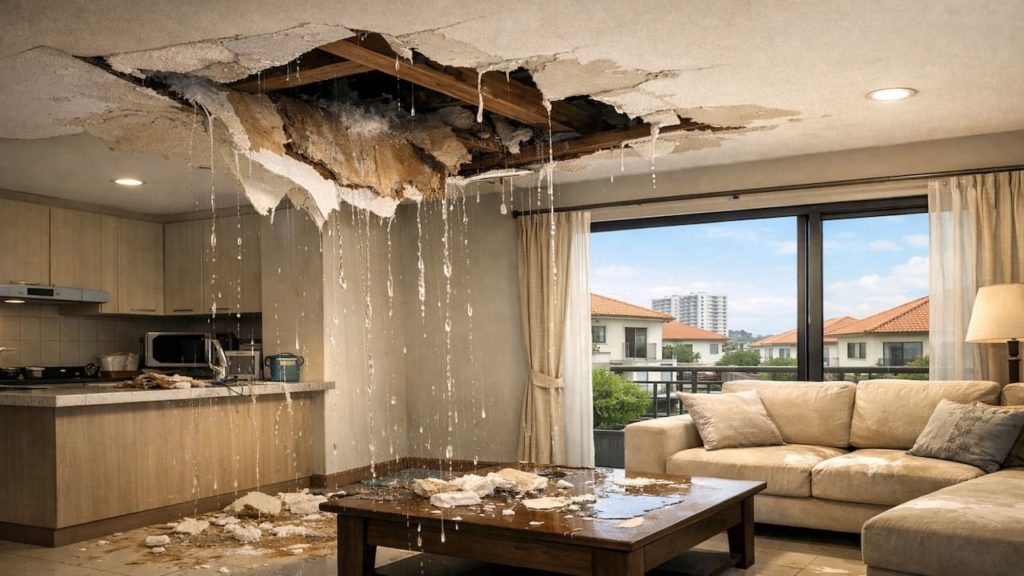
You know the scene: you patch at noon, then midnight rain turns your living room into a drip concert. Or you wake up and the stain grew bigger like it did it overnight. Cute. Your roof is not impressed.
Summary
Peeling sealant is an early signal of UV aging, wet bonding, or joint movement, and Malaysia heat plus storms make the weakness show fast. Treat it as a warning.
If the same gap reopens, focus on drying, movement control, and correct sealant choice, not thicker blobs. If leaks touch lights or large flashing areas, call help. Clear line.
Dry the joint today and redo one bead properly, then read your related guides on roof screw leaks and gutter overflow so the next storm does not repaint your ceiling.