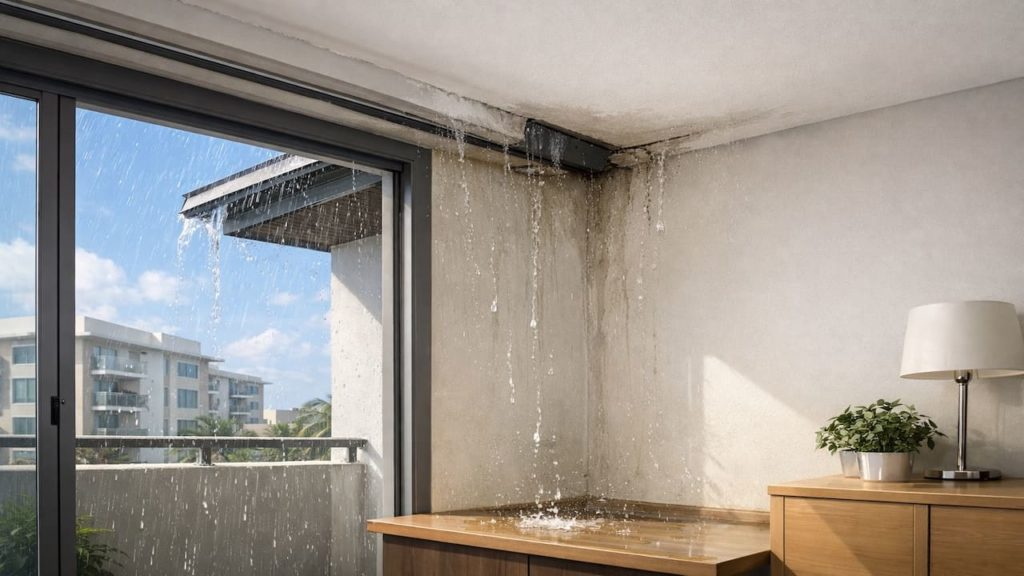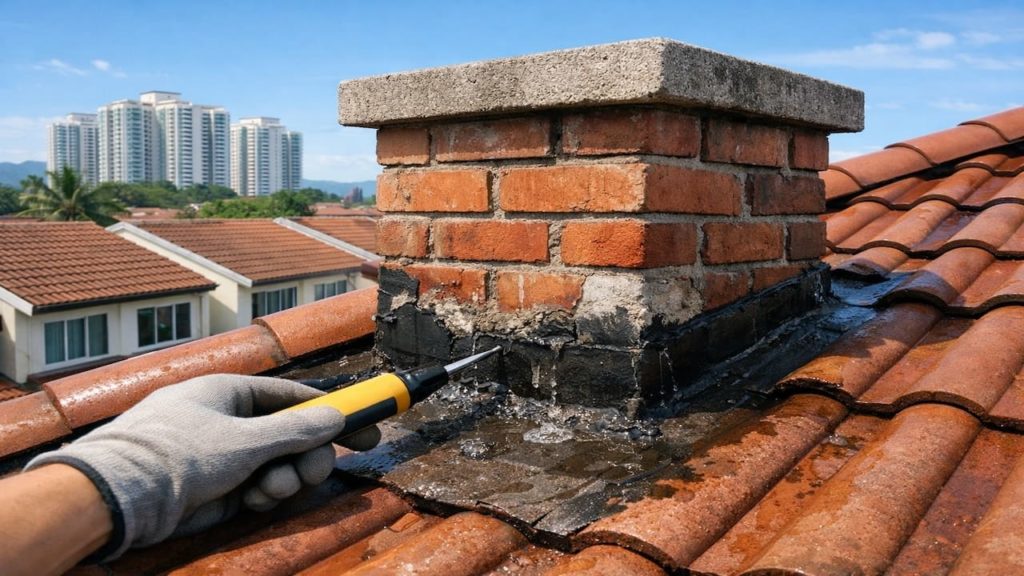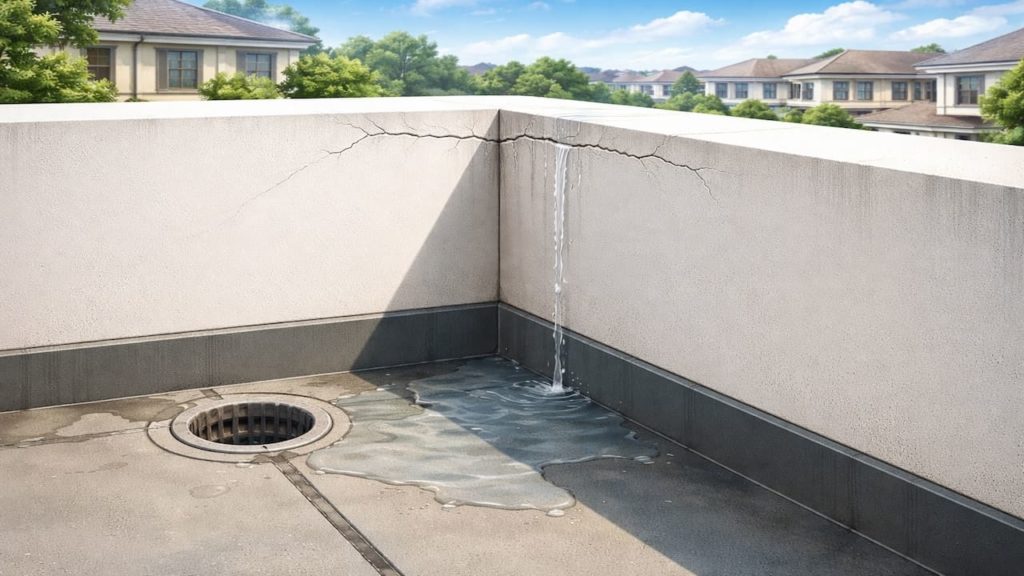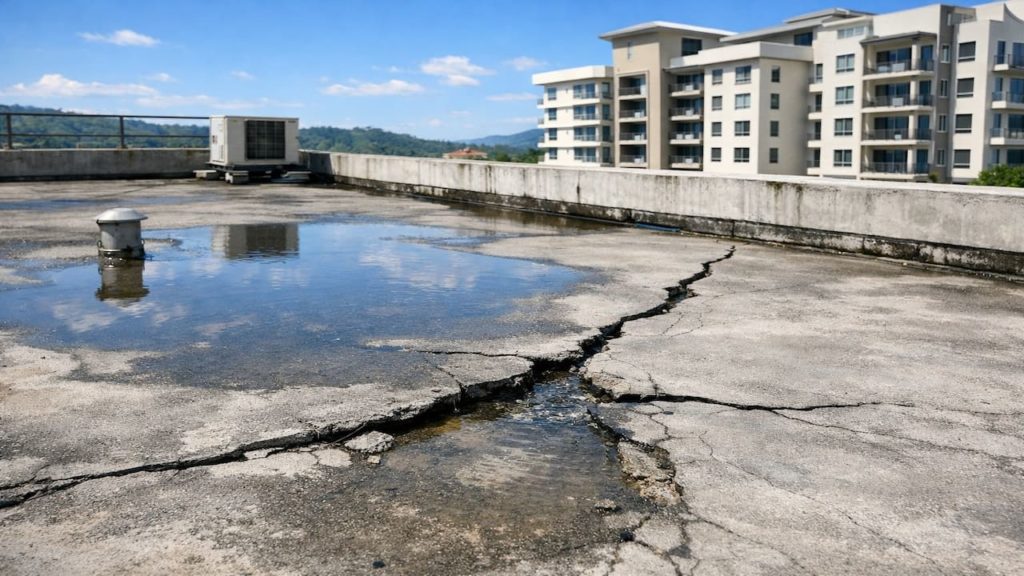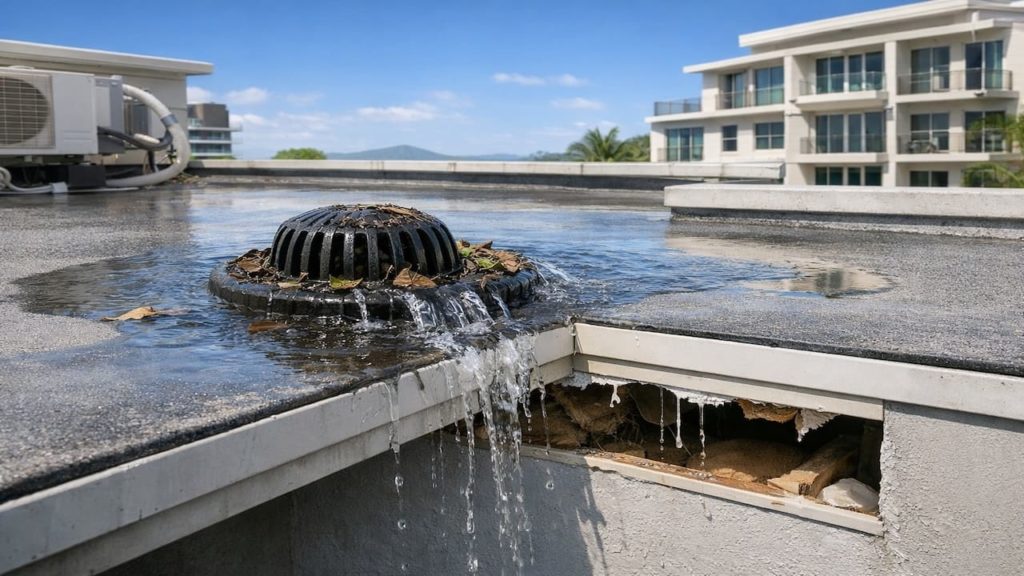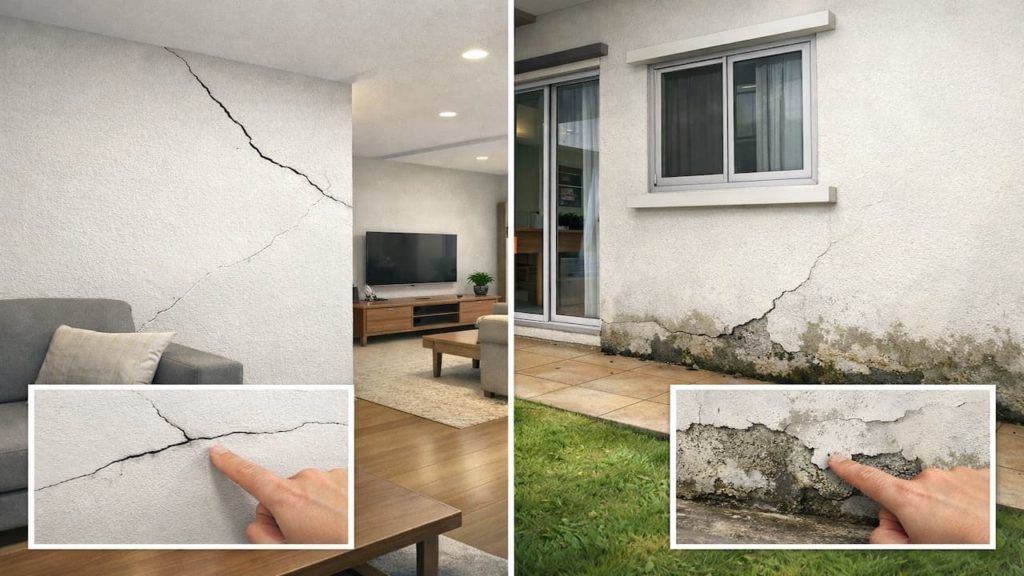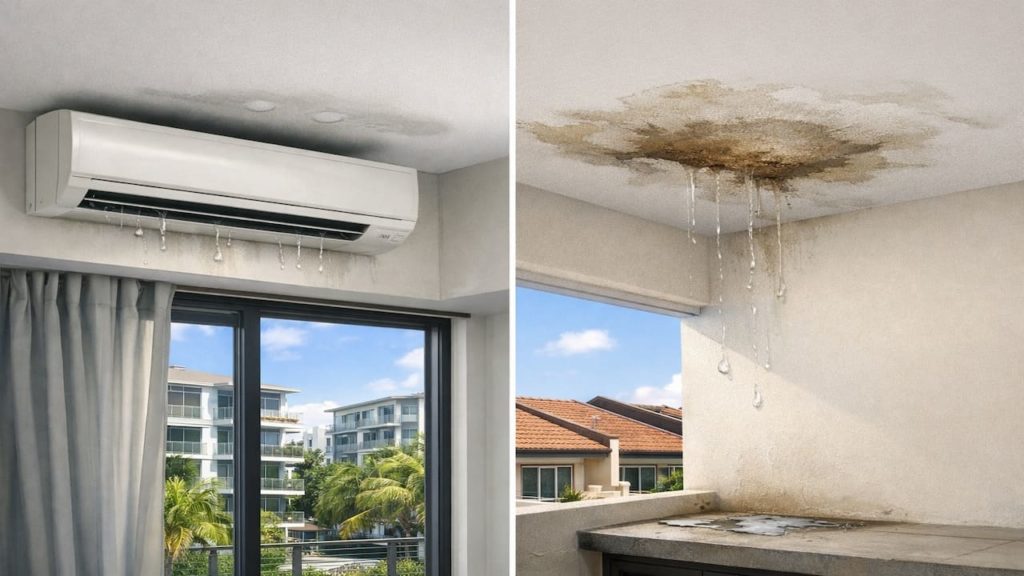
A roof leak that appears only when your AC runs is confusing, because the ceiling stain looks like rain damage even on a dry Malaysia afternoon.
The culprit might be condensation on cold pipes, a blocked drain line, or a real roof entry point that just happens to drip at the same time.
In this guide, you’ll learn how to tell AC moisture from a roof leak using timing, touch checks, and simple observations that work for condos and terrace houses in tropical humidity.

Hi, I’m Ken. I write practical home guides for Malaysia—no fluff, just what works.
I hold a formal building design qualification and have spent about 20 years on job sites across hundreds of projects. My goal is simple: help you avoid costly mistakes with clear, safe steps—a quick way to decide what to do next.
1. Roof leak when AC runs: 5 checks
Timing is the fastest way to separate the causes.
In Malaysia, cold air meets hot humid air and creates water fast, so your first check is whether dripping follows AC on and off cycles.
Clear fingerprint.
- Turn AC off and observe drip for 60 minutes
- Run AC and note drip start time precisely
- Check if drip stops when thermostat is reached
- Compare drip during rain versus dry weather
- Record odor musty versus neutral water smell
Some people assume “ceiling drip equals roof leak” and panic, because that is the most obvious story.
But if timing follows AC use, treat it as an indoor moisture path first.
2. Condensation vs roof leak differences
Condensation leaves cold damp surfaces not roof trails.
Condensation usually shows on trunking, copper lines, or near the wall sleeve, while roof leaks often show as brown trails and damp lines that change after storms.
Different signatures.
- Feel trunking surface for cool wetness
- Check copper pipe insulation for gaps
- Look for droplets forming not flowing streaks
- Inspect wall sleeve seal around pipe entry
- Check ceiling joint lines for rain related staining
You might think touching is useless because everything feels damp in Malaysia anyway.
But cool wet trunking is a strong clue, so compare temperature and wetness, not just “is it wet.”
3. Why AC moisture looks like a roof leak in Malaysia
High humidity turns small cold spots into drips.
When warm moist air hits cold pipes, water forms and runs along the easiest path, then drips from a ceiling joint or light cutout like a roof leak.
Fake-out.
- Check drain outlet outside for steady flow
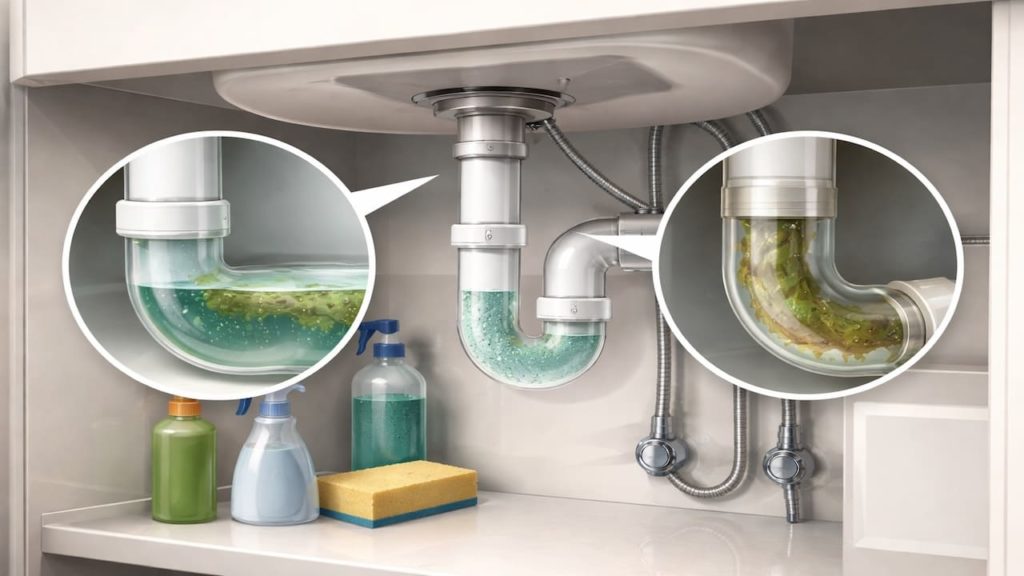
- Look for slime buildup inside drain hose end
- Inspect drain hose slope for sagging sections
- Check indoor unit tray for overflow signs
- Look for ants near drain exit blocking flow
People blame “roof problems” because the stain is on the ceiling and the AC is “inside.”
But AC water travels inside walls and ceilings, so it can exit in roof-like locations.
4. How to confirm the real source without tearing ceilings
Use a simple on off test and a dry day check.
Start with safety and documentation, then test AC-only conditions on a dry day, because Malaysia storms confuse timing and make everything feel wet.
Controlled test.
- Turn off circuit near wet ceiling light point
- Run AC for 30 minutes on dry afternoon
- Wipe trunking dry and watch for rewetting
- Check drain outlet flow with a clear container
- Call technician if drain flow is weak
Some will argue you should immediately reseal the roof to be safe, because roof repairs feel decisive.
But if the leak happens on dry days with AC, roof work wastes money, so isolate the condition first.
5. FAQs
Q1. If the leak only happens when AC runs, is it always condensation?
Not always, but it strongly suggests condensation or drain issues. Confirm by testing on a dry day and checking whether dripping stops when the AC is off.
Q2. What is the fastest clue of a blocked drain?
No steady water at the drain outlet outside, plus gurgling or overflow signs near the indoor unit. In Malaysia, slime buildup happens quickly.
Q3. Can rain and AC both contribute to the same stain?
Yes, a roof leak can pre-wet materials and AC condensation can keep them damp. Use timing logs to separate which one is actively feeding the drip.
Q4. How do I protect myself if water is near lights?
Turn off the circuit at the DB and keep it off until dry. Electrical safety comes before diagnosis even if you suspect the AC.
Q5. When should I call a technician versus a roofer?
If dripping happens on dry days with AC use, call an AC technician first. If dripping tracks storms and wind, call a roofer to inspect joints and edges.
Pro’s Tough Talk

I’ve been on site for 20+ years and handled hundreds of jobs, and the “roof leak when AC runs” case in Malaysia fools people nonstop. You see a brown ring and your brain screams roof, while the AC is quietly sweating like a cold can. Classic.
Cause 1 is drain flow getting weak from slime and dust. Cause 2 is pipe insulation gaps, so the copper line sweats and drips into the ceiling void. Cause 3 is a cracked wall sleeve seal, so condensation and rain splash share the same path. Three usual suspects.
Step 1, run the on off timing test, because timing is the fingerprint. Step 2, check drain outlet flow outside, because no flow means backflow inside. Step 3, feel trunking and wall entry for cool wetness, because that is where condensation lives. Simple.
Dry day AC testing saves you from useless roof repairs. Don’t blame yourself, because ceilings lie and humidity makes everything look guilty, and not every installer is trash either, tropical weather is just brutal. But the structure is cold: water moves like ants in walls, and a cold pipe is like a tiny rain cloud hiding indoors.
And the “just seal the roof bro” advice gets a side-eye, because you can spend money and still drip tomorrow. Relatable moment 1: you turn off the AC and stare at the stain like it owes you rent. Relatable moment 2: you keep touching the trunking and it feels damp again. Keep guessing, and your ceiling will keep collecting souvenirs from your AC.
Summary
If a leak appears when AC runs, timing, cool wet trunking, and drain flow clues often point to condensation or drain issues, especially in Malaysia humidity.
Test on a dry day, log on off behavior, and check the drain outlet before paying for roof sealing, because roof work will not fix AC moisture.
Do the timing test and drain flow check today then document the results for the right technician, and next read the guides on aircond piping leaks and dripping light safety.