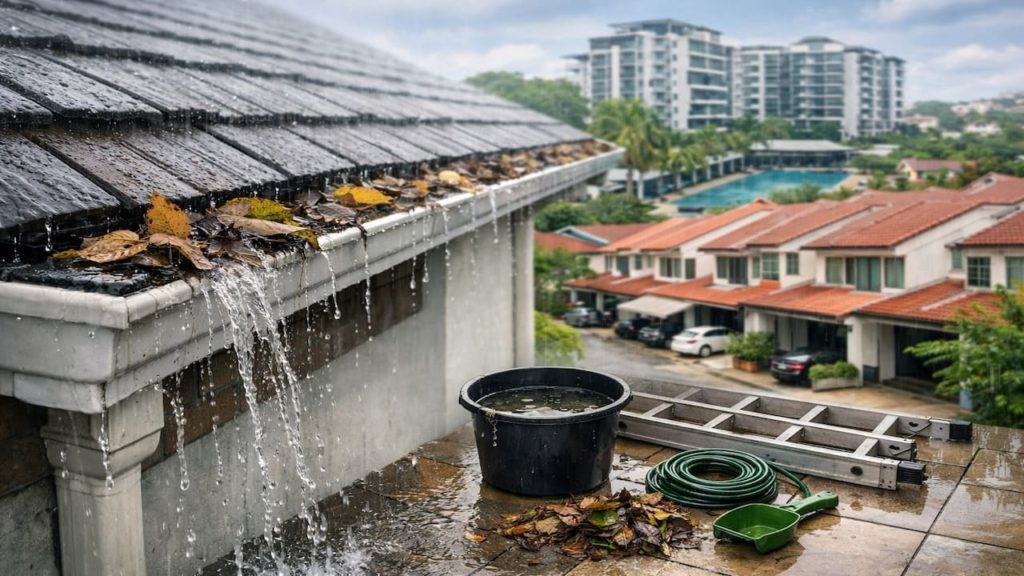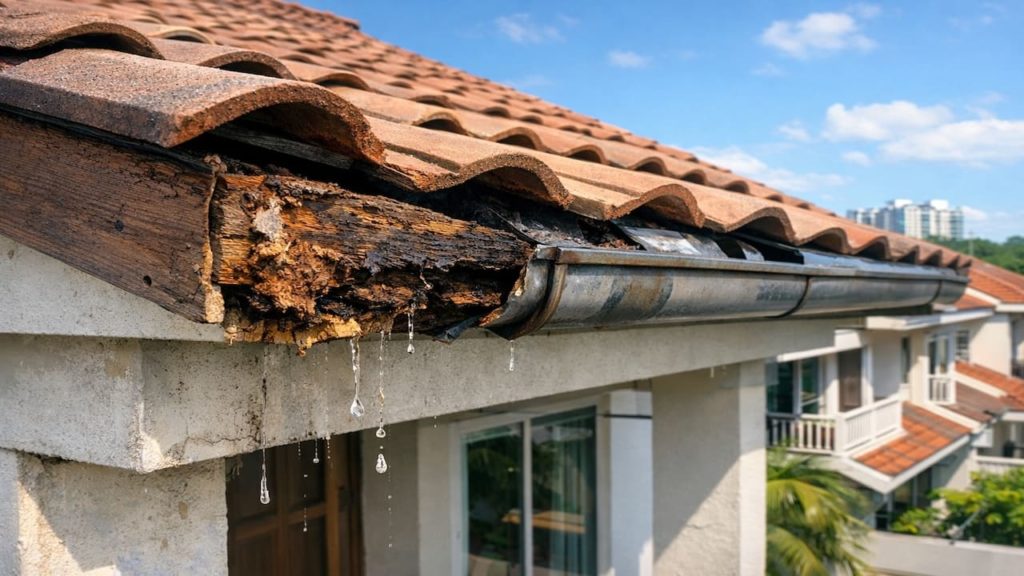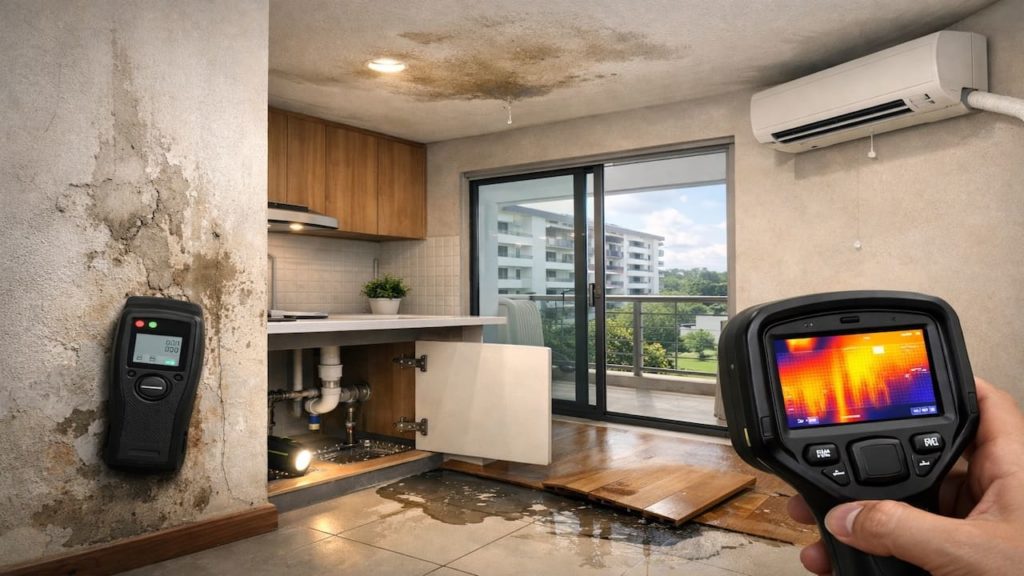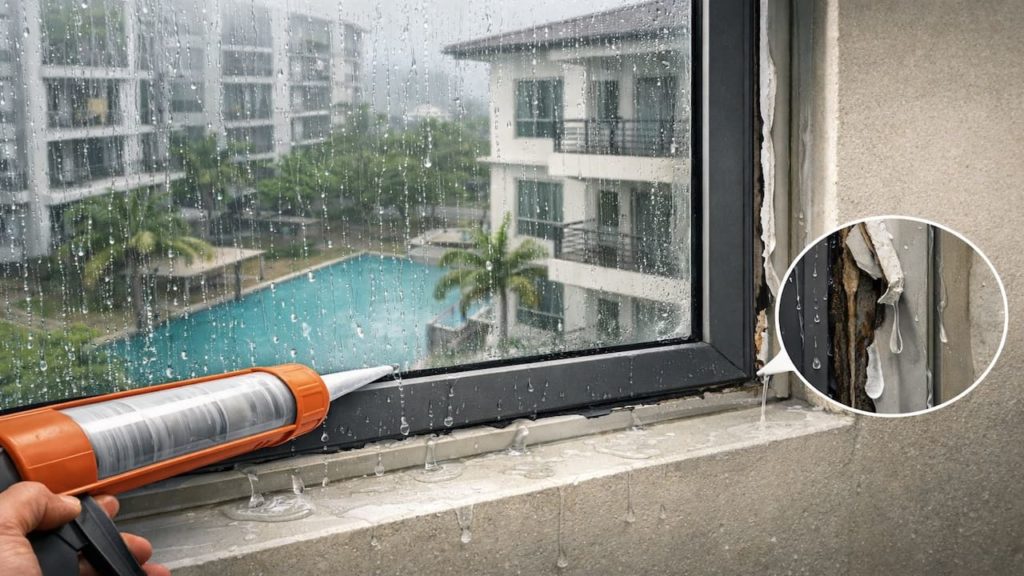
You searched because rainwater shows up on the window sill, paint bubbles near the frame, or the wall smells damp after a storm. In Malaysia, window leaks are common.
Heavy rain, wind-driven spray, and constant humidity stress sealant and frames, especially in condos with exposed facades and terrace homes with older sliding tracks. Small leaks spread fast in wet air. Reality.
In this guide, you'll learn how to find the leak path and fix window seals fast so you stop repeat wet patches, prevent mold, and avoid paying for the same repair twice.

Hi, I’m Ken. I write practical home guides for Malaysia—no fluff, just what works.
I hold a formal building design qualification and have spent about 20 years on job sites across hundreds of projects. My goal is simple: help you avoid costly mistakes with clear, safe steps—a quick way to decide what to do next.
1. Malaysia window leak guide: 5 checks
Do these checks during or right after rain and you will locate the true entry point.
Window leaks rarely enter where the stain appears—water runs along frames and hides behind trim, then drops at the lowest corner. Malaysia rain plus wind makes this worse. Check the full route, not just the wet spot. —
- Check frame corners for fresh water beads
- Inspect sliding track for clogged drain holes
- Look for gaps in exterior sealant line
- Press tissue along joints to find seepage
- Check wall below window for cool dampness
Some people blame condensation, but rain leaks leave a directional trail and show up after storms, not only after cold AC use. Confirm timing, then choose the fix. Clear.
2. Fix seals in rain
Stop water at the outside edge not inside because inside caulk only hides damage.
In Malaysia, quick interior sealing can trap moisture in the wall during humid weeks, then mold and paint blisters follow. Focus on the exterior seal line and the track drainage so water is guided out. Simple engineering.
- Clear track drain holes using thin wire
- Dry exterior joint fully before applying sealant
- Remove cracked old silicone and clean surface
- Apply weatherproof silicone in continuous bead line
- Test with controlled water spray and observe
People say more sealant is always better, but thick messy beads fail faster and trap dirt. Clean prep, smooth bead, then test. Done.
3. Why window leaks happen in Malaysia storms
Leaks happen when water is driven sideways and seals or drainage cannot cope.
Wind pushes rain into tiny gaps, and humidity slows drying, so a small crack stays wet longer and grows. Sliding windows also rely on track drains, and when those block with dust and algae, water pools and spills inside. Condos get higher wind pressure and more facade exposure. Real factors.
- Old sealant cracks under sun and heat
- Track drains clog with dust and algae film
- Frame screws loosen and open micro gaps
- Wall hairline cracks guide water behind plaster
- Poor awning coverage increases splashback on frames
Some think leaks mean a defective window, but many cases are maintenance issues: blocked drains and failed sealant. Fix the pathway and most leaks stop. —
4. How to repair window leaks and prevent repeats
Repair seals cleanly and improve water shedding so the next storm does not restart damage.
Basic supplies usually cost RM15-60 for sealant, a scraper, and cleaning materials, while a contractor visit can be RM200-600 if exterior access needs ladders or rope work in a condo. Spend first on cleaning and proper seal prep, then upgrade protection if needed. Money matters.
- Clean and dry track then recheck drain flow
- Replace worn weatherstrips on sliding panels
- Seal exterior joint using UV resistant silicone
- Repaint interior only after wall is fully dry
- Call management for facade crack and access issues
Some say repainting fixes it, but paint is only makeup and moisture will push it off again. Dry the wall and stop the entry point first. Truth.
5. FAQs
Q1. How do I tell rain leak vs condensation?
Condensation appears when AC runs and surfaces are cold, often evenly across glass or frames. A rain leak shows a directional trail and appears after storms, often at one corner. Timing is your clue.
Q2. Should I seal from the inside if it is raining now?
Only do temporary containment inside like towels and tape, then seal outside once dry. Interior sealing can trap water inside the wall. Do it right.
Q3. Why does my sliding window leak more than casement?
Sliding windows depend on track drains and small channels, which clog easily with dust and algae in humid climates. When water pools in the track, it overflows inside. Clean drains often.
Q4. How long should I wait before repainting?
Wait until the wall feels fully dry and the musty smell is gone, which can take days in humid weather. Use fans and dry mode to speed drying. Painting too early traps moisture.
Q5. When should I call a professional or management?
Call if leaks repeat after seal work, if exterior access is unsafe, or if you suspect facade cracks above the window line. In condos, management should handle external wall repairs. Document with photos.
Pro’s Tough Talk

Alright, I have been on site for 20+ years and handled hundreds of jobs, and Malaysia window leaks love to play hide and seek. You wipe the sill, then the next storm brings a sequel.
Three causes keep repeating: track drain holes clogged with gunk, old silicone cracked by sun, and wind-driven rain forced into tiny gaps. That wind is the bully here.
Do three steps now: check the drain holes, run a tissue test along joints, then clean and reseal the outside bead when it is dry. Like fixing an umbrella hole instead of mopping forever.
If you keep sealing from inside, you are trapping water and growing problems and then you act surprised when paint blisters. The rainy day panic tape job. The “just repaint it” advice from someone who never pays repairs. Two classics.
Ignore the entry point and you will keep buying towels like a hobby, so fix the seal and let the storm lose.
Summary
Use the 5 checks right after rain to find the real entry point, then clear track drains and inspect exterior sealant for gaps. Evidence first.
If leaks repeat after proper sealing, treat it as a facade or frame issue and escalate to management or a pro, especially when exterior access is risky. Clear line.
Fix the seal path before the next storm then read our wall mold spot and aircond drip guides to keep interiors dry in wet season.