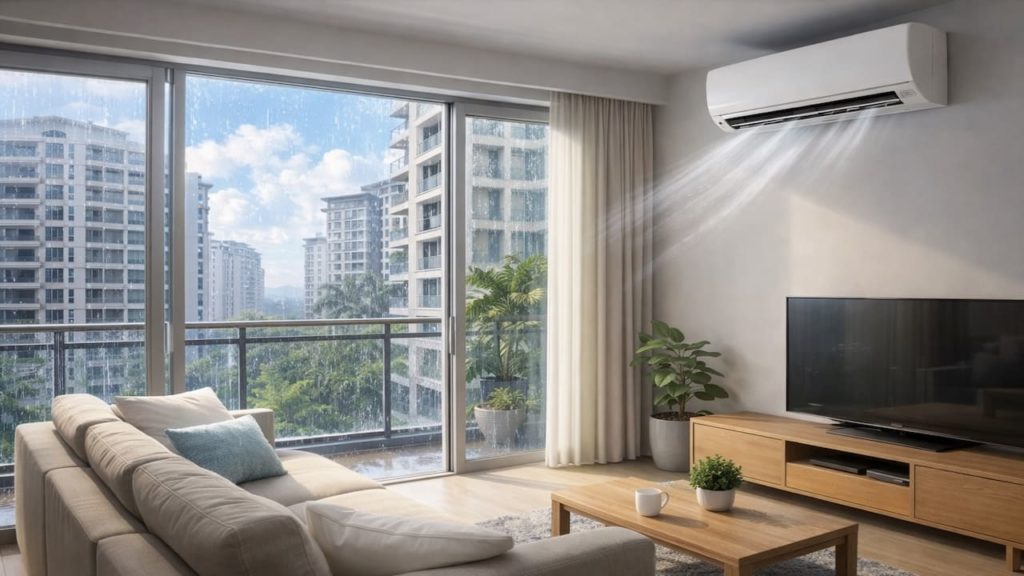
You’ve probably heard “just top up gas” when an aircond feels weak, takes longer to cool, or feels cold but still sticky.
In Malaysia’s humid climate, condos and terrace houses push airconds hard, so small issues like dirty airflow or poor drainage get blamed on refrigerant.
In this guide, you’ll learn the 5 biggest refrigerant myths that cause gas top up mistakes so you stop paying for the wrong fix and avoid repeat breakdowns.

Hi, I’m Ken. I write practical home guides for Malaysia—no fluff, just what works.
I hold a formal building design qualification and have spent about 20 years on job sites across hundreds of projects. My goal is simple: help you avoid costly mistakes with clear, safe steps—a quick way to decide what to do next.
1. Aircond refrigerant myths: 5 mistakes
Most gas top up problems come from wrong assumptions
Refrigerant is not “fuel” that gets used up. If it is low, something is wrong, and Malaysia heat just makes the symptoms show faster. Truth.
- Thinking refrigerant is consumed like petrol and needs regular topping up
- Assuming weak cooling always means low gas instead of low airflow
- Skipping leak checking because topping up is faster and cheaper today
- Believing more gas always cools better even when it can overcharge
- Ignoring humidity and blaming gas when the room feels clammy
Some people think this is too technical. It is not—these myths are just shortcuts that cost you money in Malaysia’s long cooling seasons.
2. “Gas top-up” misunderstandings
Top up is not a fix unless you know why gas is low
A proper job answers three questions: is gas actually low, where did it go, and how do we confirm performance after. Simple process.
- Ask how they confirmed low refrigerant instead of guessing from symptoms
- Ask if they will do a leak test or just add refrigerant and leave
- Ask what refrigerant type your unit uses and how much they add
- Ask for before after readings and a cooling performance check
- Ask what happens if the same symptom returns within 2 to 4 weeks
You may think this sounds confrontational. Good technicians like clear scope, and in Malaysia’s service market it protects both sides.
3. Why these myths spread in Malaysia homes
Humidity makes comfort confusing so gas becomes the scapegoat
In condos with closed windows, you can feel sticky even when the air is cold. In terrace houses, heat leaks in from doors and stairs. Comfort traps.
- Clammy rooms get blamed on gas when the real issue is moisture control
- Dirty filters reduce airflow and mimic low gas symptoms
- Drain issues cause icing and weak airflow that looks like gas trouble
- Short cycling from oversizing leaves humidity high and feels uncomfortable
- Quick top ups are easier to sell than deep diagnosis and cleaning
It is not always bad intent. The system rewards speed, and myths make fast answers feel acceptable, so you must insist on a better process.
4. How to avoid paying for the wrong refrigerant work
Control the visit with evidence and the right questions
In Malaysia rainy season, symptoms change daily, so take photos and notes. Then ask for diagnosis steps before any top up. Control.
- Clean the filter and confirm airflow is not blocked by furniture or curtains
- Check for ice and stop cooling if icing appears
- Note runtime behavior like nonstop running or frequent on off cycling
- Ask for leak finding and repair plan before any refill is approved
- Confirm the job ends with performance testing not only charging gas
You might want the cheapest fix today. The cheapest fix is often the most expensive over months, so pay once for the correct diagnosis.
5. FAQs
Q1. How often should refrigerant be topped up
Normally it should not need topping up. If it needs top up, you should ask where the refrigerant went and whether a leak test was done.
Q2. Can topping up refrigerant damage my aircond
Yes, overcharging or charging without fixing leaks can stress the compressor. In Malaysia heat, that stress shows up faster.
Q3. What is the biggest sign that “top up” is just a shortcut
They cannot explain why gas is low. If there is no leak check and no evidence, you are paying for guessing.
Q4. Why does my room feel sticky even when it is cold
Humidity may still be high due to short cycling, low airflow, or open doors. That is comfort control, not always refrigerant.
Q5. What should I do before calling a technician
Clean the filter, check for ice, and record symptoms like runtime and airflow. Then use your questions to control scope and avoid delays.
Pro’s Tough Talk

I’ve been on site for 20+ years and handled hundreds of jobs, and “gas top up” myths are the biggest money leak in Malaysia aircond life. Condos and terrace houses get humid, people feel sticky, and suddenly everyone blames gas.
Three causes. People think gas gets used up, technicians get paid for speed, and homeowners accept vague answers. Three steps. Confirm gas is actually low, find and fix the leak if it is low, then verify performance after with a proper test run.
Listen Gas does not disappear without a leak. Topping up without leak finding is like refilling a bathtub with the plug missing, you can keep pouring and feel busy forever. And overcharging is like stuffing your bag until the zipper breaks, then acting surprised. When someone says “normal lah top up,” hit them with a mental comeback, then why is it low again next month. Two classics: the person who pays top up every few weeks, and the person who ignores airflow and humidity then chases gas forever. Keep doing it and congratulations, you just subscribed to the “guessing plan.”
Summary
Refrigerant myths cause people to overpay, because many comfort problems in Malaysia are airflow, drainage, or humidity issues, not “low gas.” Truth.
If someone recommends a top up, insist on evidence, leak checking, and a clear performance test, otherwise you risk repeat visits and bigger damage.
Confirm low find leak then verify. Today, save your symptom notes and ask the right questions, then read the “gas leak signs” and “technician visit” guides to avoid delays and repeated charges.