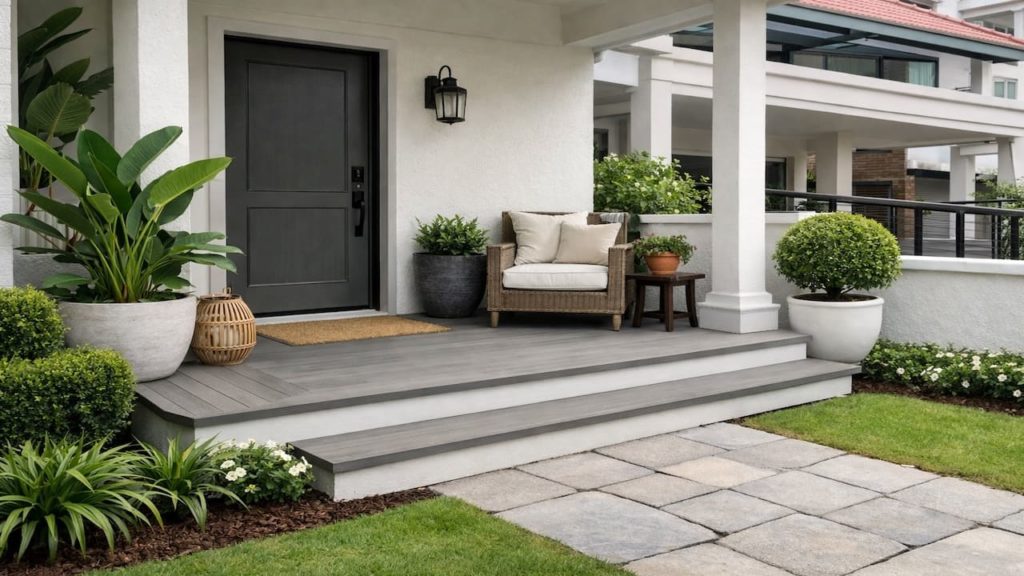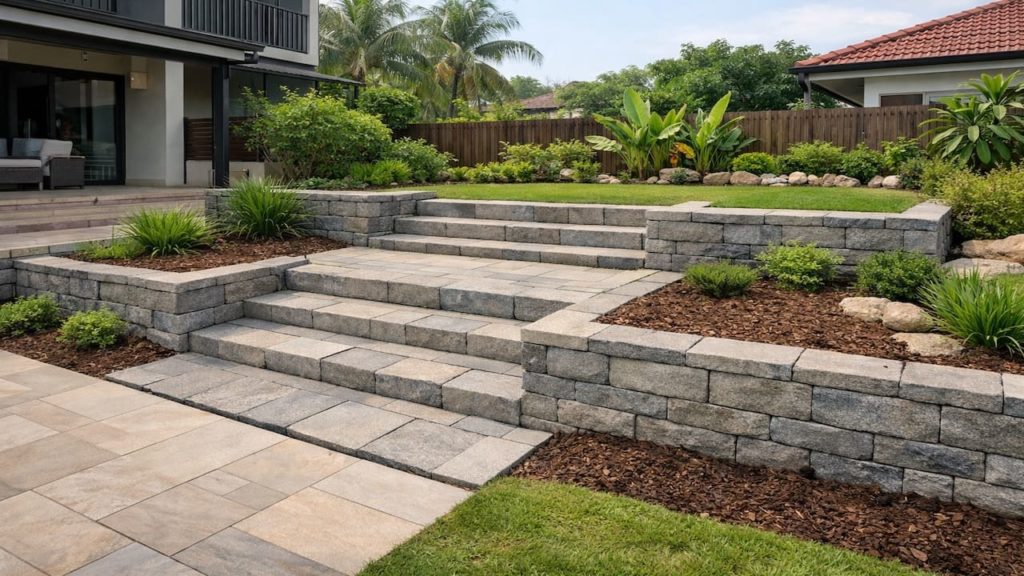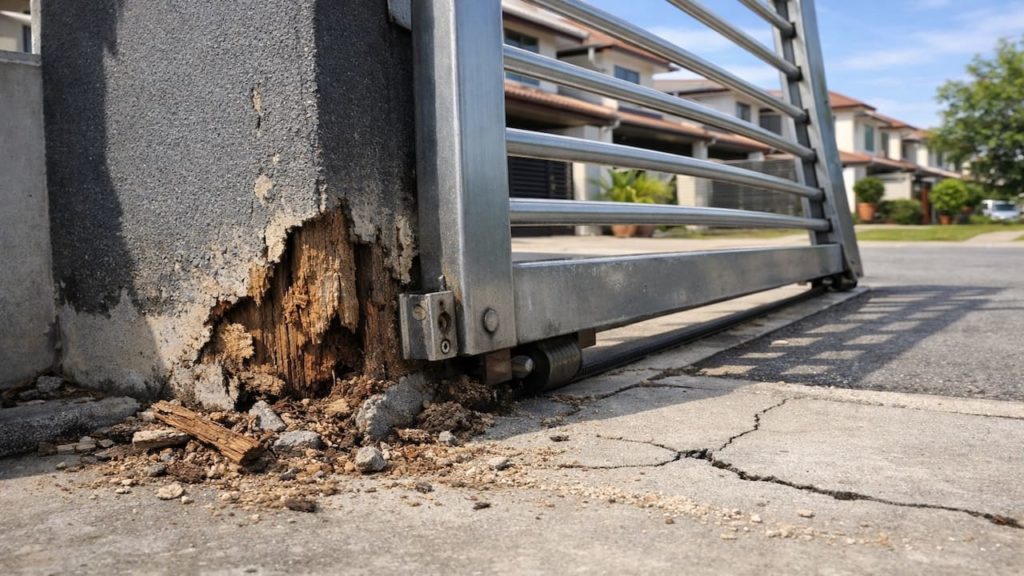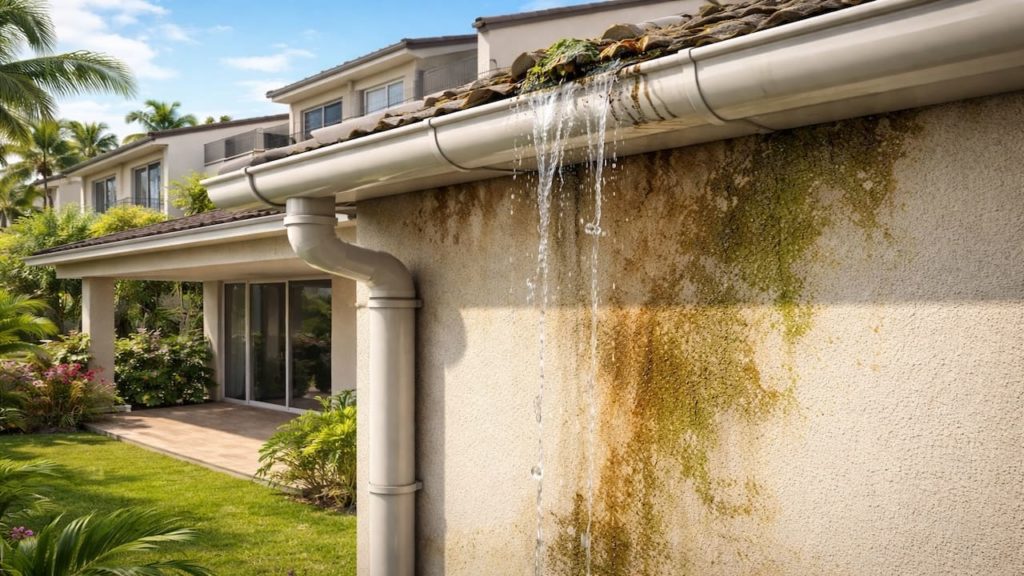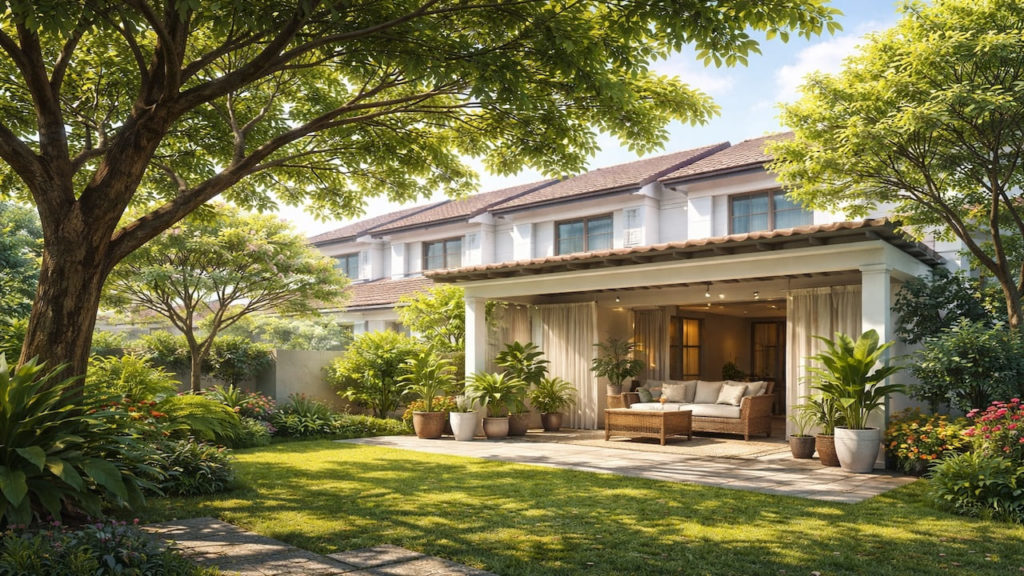
You want shade trees because the porch feels like an oven and the glare off tiles makes the entry harsh in Malaysia sun. You want relief that looks natural.
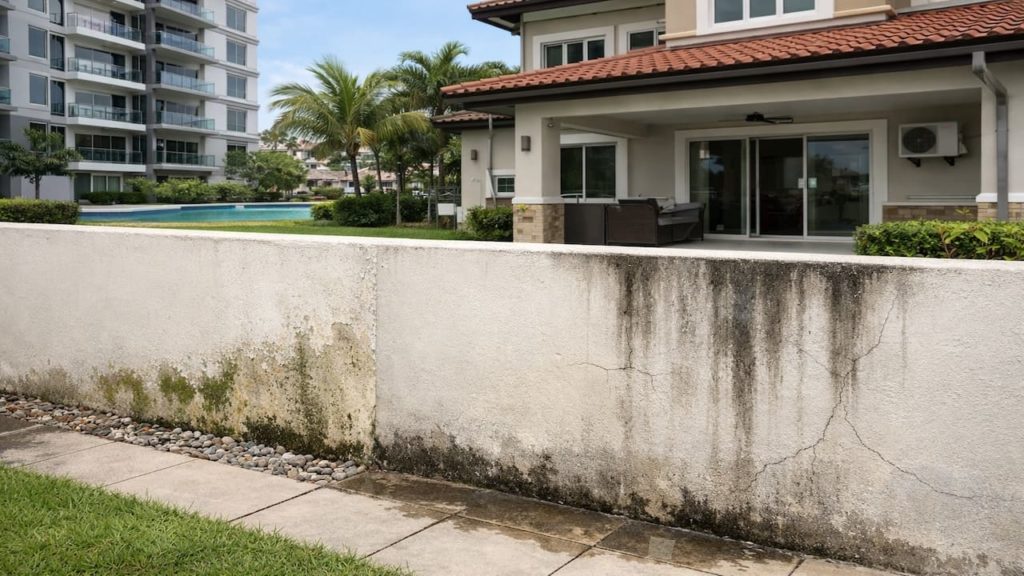
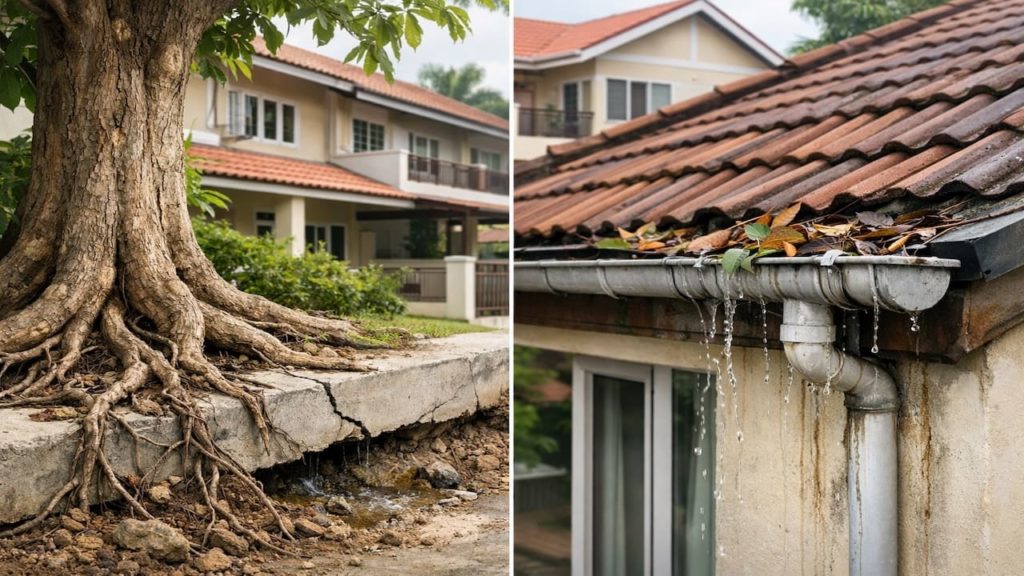
But tropical rain, high humidity, and fast growth can turn a “nice tree idea” into messy gutters, damp walls, and root pressure near slabs. It depends on the pick and placement.
In this guide, you’ll learn which shade trees cool a porch without creating new problems plus the checks and planting steps that work for terrace houses and condo ground-level yards.

Hi, I’m Ken. I write practical home guides for Malaysia—no fluff, just what works.
I hold a formal building design qualification and have spent about 20 years on job sites across hundreds of projects. My goal is simple: help you avoid costly mistakes with clear, safe steps—a quick way to decide what to do next.
1. Landscape shade trees: 5 picks
Pick shade trees that stay manageable near the house so you cool the porch in Malaysia heat without constant gutter clogs and root trouble.
Look for medium canopies, predictable roots, and leaves that are easy to sweep—wet season cleanup should not become your weekend job. Usable shade. Less regret.
- Pick frangipani for compact porch shade near walls
- Choose tanjung for dense canopy and calmer roots
- Select queen crape myrtle for filtered light and flowers
- Use areca palm cluster for glare control and airflow
- Plant dwarf rain tree only with wide setbacks
Some people swear any fast-growing tree is fine, but Malaysia growth speed means mistakes compound, so choose stable picks and you get comfort without chaos—daily peace.
2. Cool the porch and cut sun glare
Shade works best when it blocks west sun low angles because porch glare in Malaysia often comes from late afternoon light bouncing off bright paving.
Target the direction that burns your face and heats the wall, not the whole yard, and you get the biggest comfort change with the fewest trees. Simple physics. Shade placement matters.
- Map afternoon sun path onto porch floor surface
- Place canopy edge to shade door and steps
- Use layered foliage to reduce hard glare bounce
- Keep trunks away from downpipe discharge splash zones
- Pair shade with matte paving or textured tiles
Some think a bigger canopy is always better, but too much shade keeps surfaces damp in humidity, so aim for cooling with airflow and controlled coverage—balanced comfort.
3. Why porch areas overheat and feel harsh
Porches overheat when hard surfaces store sun energy and Malaysia humidity makes the heat feel heavier while glare reflects into eyes and rooms.
Concrete, tiles, and car porch slabs soak heat all day, then release it slowly at night, especially near walls with limited airflow. Wet season rain cools briefly, then humidity traps the muggy feel. Sticky heat.
- Sun heats tiles then radiates warmth into entry
- White walls reflect glare through windows and doors
- Low west sun hits porch directly through gaps
- Car porch concrete stores heat into evening hours
- Shade loss near walls reduces comfort and use
Some blame only weather, but design drives the worst hot spots, so add smart shade and you cut radiant heat without rebuilding—real change.
4. How to choose and plant shade trees safely
Plant trees with setbacks and drainage planning first so roots and wet season runoff do not damage slabs, gutters, or porch walls over time.
In Malaysia storms, water follows the easiest path, and roots follow moisture, so keep trees away from drains and give water a clean exit route. Plan for pruning access too. Future you will thank you.
- Measure distance from wall and slab edges first
- Install root barrier strip on house side line
- Dig wide planting hole and loosen compacted soil
- Mulch ring and keep trunk base dry
- Prune canopy to keep airflow near walls
People worry barriers and pruning will “ruin” the tree, but controlled growth protects the house and keeps shade usable, so do the setup right—safe shade.
5. FAQs
Q1. Are shade trees safe near terrace houses?
They can be, if you choose manageable species and keep proper distance from slabs and drains. In Malaysia wet season, poor placement causes the real damage.
Q2. Will shade trees increase mosquitoes?
Shade alone does not breed mosquitoes, but damp corners and clogged drains can. Keep gutters clear and prevent standing water under dense foliage.
Q3. How far should I plant a tree from the porch slab?
More distance reduces root pressure risk and gives you room for pruning and cleaning. If space is tight, choose smaller species and add a root barrier.
Q4. What if leaves keep clogging my gutters?
Install gutter guards and schedule quick checks after storms. Choose trees with lighter leaf drop near the roofline and prune overhanging branches early.
Q5. Can I use palms instead of broadleaf trees?
Yes, palms can cut glare while keeping airflow, which helps in humidity. They give less deep shade, so use clusters and combine with a shade sail if needed.
Pro’s Tough Talk

I’ve been on site for 20+ years and handled hundreds of jobs, and I’ve seen Malaysia porch shade dreams turn into root cracks and gutter soup. Same pattern.
3 causes every time: people plant too close to the slab, they pick a “fast grower” without thinking, and they ignore where rainwater and downpipes dump. Predictable.
Do 3 steps now: mark the west sun, pick a manageable tree, and plant with setbacks and a root barrier. Then keep drains clear after storms. Easy.
Don’t blame yourself and don’t call every contractor a villain, but wrong tree wrong spot becomes a maintenance tax. The structure always collects. No mercy.
Two relatable moments: you enjoy shade for a month, then you spend Sundays sweeping wet leaves and smelling gutter funk. Like buying a pet tiger for “security,” genius. Like wearing sunglasses indoors, nice try.
Summary
Shade trees can cool a porch and cut glare in Malaysia, but only when the species stays manageable and the canopy is placed to block low afternoon sun.
If your area is tight or drains are sensitive, prioritize smaller trees, palms, and controlled pruning with root barriers. If damp stays on walls or tiles, reduce shade density and improve airflow.
Choose the right tree and plant it with distance then follow your guides on gutter control and wet season drainage to keep the porch comfortable and clean.