You searched because porch steps hold puddles after rain, and the edges feel slippery when you rush in with wet shoes in Malaysia. That risk is real.
In hot humidity, water dries slowly, algae film builds on shaded tiles, and terrace house porches or condo walkways get hit by splashback. Small design flaws become daily hazards. Dangerous.
In this guide, you’ll learn how to design porch steps that drain and grip in wet season using quick checks, simple fixes, and upgrade options that look clean and stay safe.

Hi, I’m Ken. I write practical home guides for Malaysia—no fluff, just what works.
I hold a formal building design qualification and have spent about 20 years on job sites across hundreds of projects. My goal is simple: help you avoid costly mistakes with clear, safe steps—a quick way to decide what to do next.
1. Landscape porch step design: 5 checks
Check the step shape before blaming the tile because puddles usually come from slope and edge details in Malaysia rain.
Do the checks right after a storm—fresh water shows the true low points and the real splash line. Measure, do not guess. Evidence.
- Pour bucket water and watch flow direction
- Check step nosing for standing water line
- Feel tile texture when wet with shoe sole
- Measure step fall away from door threshold
- Inspect grout height and lippage on edges
Some say a doormat solves it, but if the step holds water it stays slick, so confirm slope and edges first. Safety first—always.
2. Fix puddles and slippery edges
Fix puddles at the edge and landing first because most slips happen where feet land and turn in Malaysia wet season.
Focus on the landing zone, the first step, and the door line where tracked rainwater collects. One small edge change often removes the whole puddle. Fast win.
- Add anti slip nosing strip on step edge
- Cut shallow channel to guide water outward
- Seal cracks at tile to wall junction
- Install small linear drain at landing edge
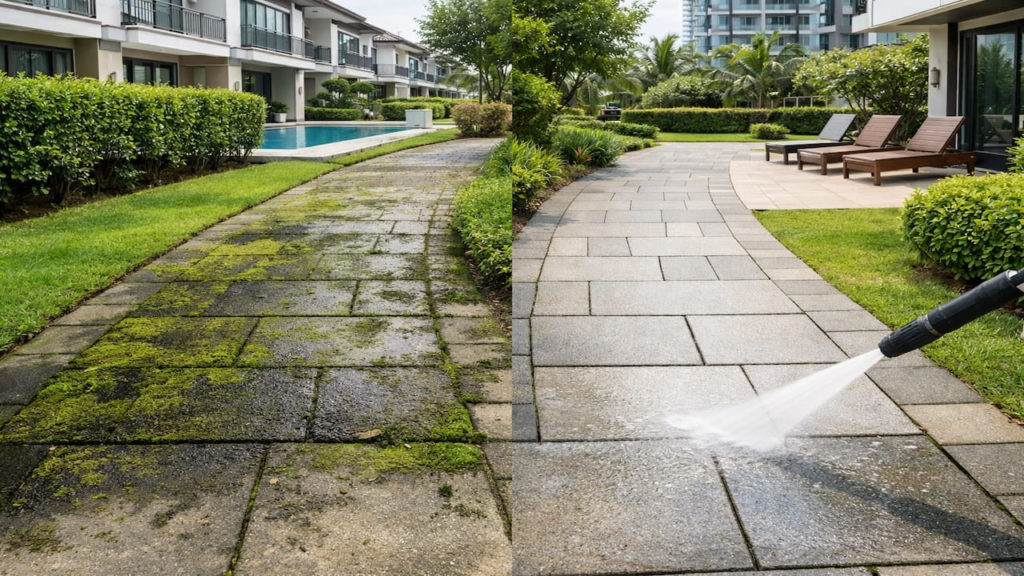
- Scrub algae film and rinse tiles thoroughly
Some worry strips look ugly, but clean lines and matching colors blend in, and the porch becomes safer in storms—worth it.
3. Why puddles form on porch steps in Malaysia
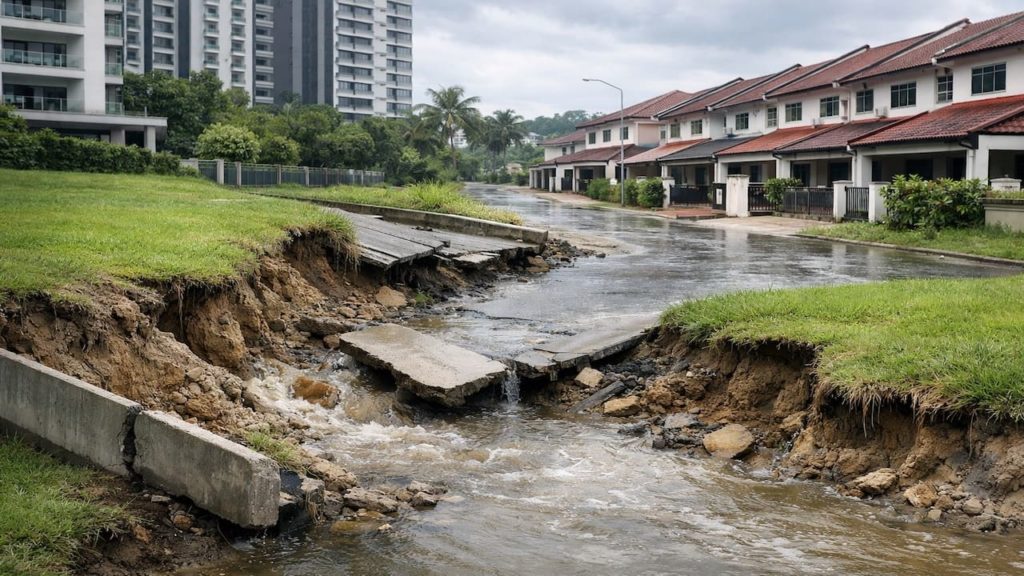
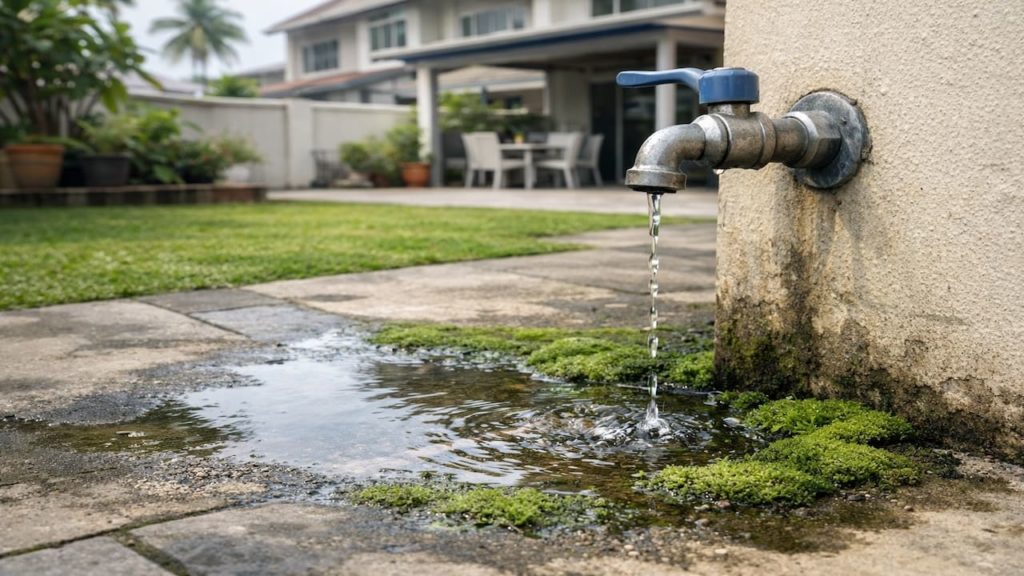
Puddles form when water has no exit path and Malaysia humidity keeps the surface wet long after the rain stops.
Flat landings act like trays, grout dips hold water, and splashback adds dirty film that reduces friction. Shaded corridors dry slow, so algae returns quickly. Biology.
- Flat landing traps water near door threshold
- Wrong slope pushes runoff back toward house
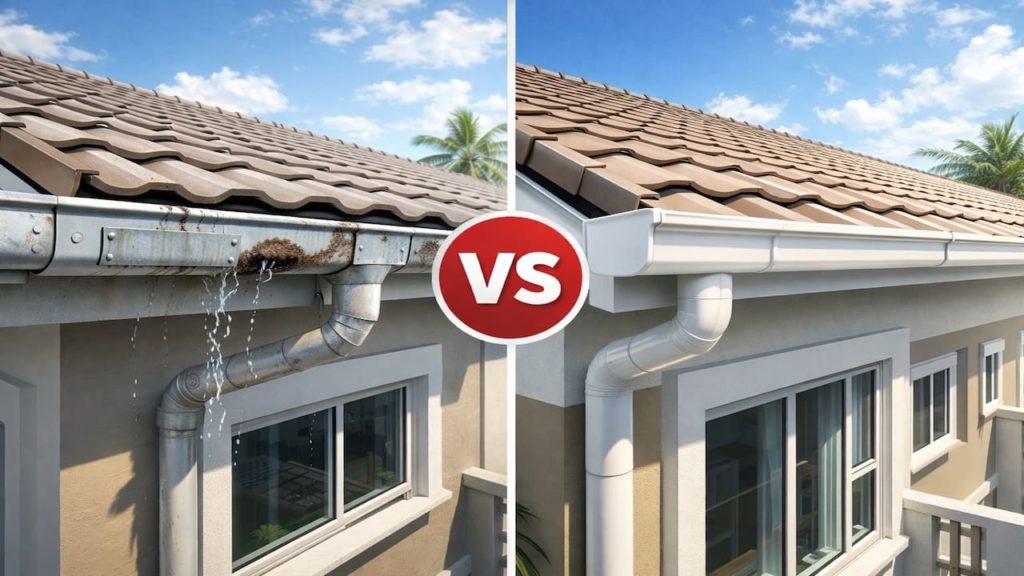
- Downpipe splash spreads water across step face
- Algae film reduces friction on damp tiles
- Uneven edges create micro ponds at nosing
Some blame only cheap tiles, but even good tiles slip when water sits and film grows, so fix drainage geometry first. The real cause.
4. How to redesign steps for drainage and grip
Redesign steps to shed water and protect edges so your Malaysia entry stays safer with less cleaning during rainy season.
Start with the smallest change that improves flow, then upgrade materials if needed. Keep airflow around the wall base, and keep water moving away from the door. Clean design.
- Regrade landing to fall away from doorway
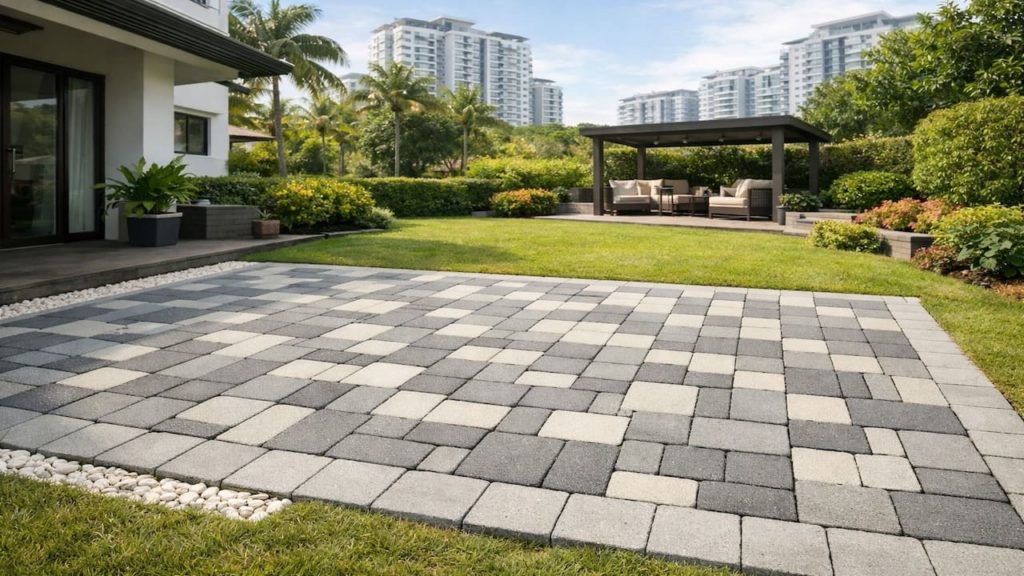
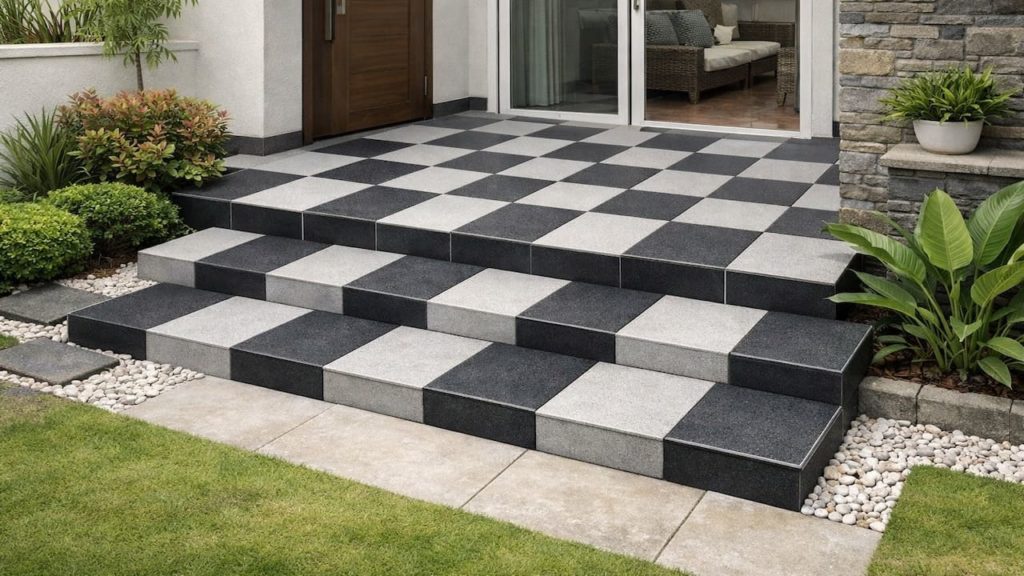
- Add textured outdoor tile on first step zone
- Use smaller tiles to increase grout grip
- Install drip edge under nosing to reduce splash
- Redirect downpipe discharge away from steps
Some say full replacement is the only answer, but targeted slope and edge work often solves puddles, so fix structure first. Then upgrade.
5. FAQs
Q1. How do I know if my steps need more slope?
If water stays longer than 30 minutes after rain, slope is likely too flat. In Malaysia humidity, even a small puddle can stay slick for hours.
Q2. Are anti slip tapes safe for outdoor steps?
They can work well if the surface is clean and the tape is outdoor rated. Replace when edges lift, because lifting corners become trip hazards.
Q3. Should I change tiles or fix drainage first?
Fix drainage first then choose tiles if needed because a slippery tile becomes safer when water stops pooling. Tile changes without slope correction often waste money.
Q4. Why do step edges grow green faster than flat areas?
Edges stay damp from splash and trapped dirt, especially in shaded porches. Clean the film and reduce splashback to slow regrowth.
Q5. What is the simplest upgrade that looks modern?
A neat nosing strip plus a small channel drain can look clean and intentional. Pair it with matte textured tiles on the landing for better grip.
Pro’s Tough Talk

Alright, I’ve been on site for 20+ years and handled hundreds of jobs. Malaysia rain turns lazy porch steps into slip traps faster than you can say wet shoes. Fact.
Three causes show up every time: landings built flat like a serving tray, edges finished without a drip detail, and algae film camping in shaded corners. Same movie.
Do three steps now: scrub the film hard, make water run outward, and add grip where feet land first. Then retest with a bucket. Simple.
Don’t blame yourself and don’t call every installer a villain, but slip safety comes from slope and edge detail. Ignore that and you will keep paying in bruises.
Two relatable moments: you carry groceries in a downpour and your foot skids, and you step out at night and nearly kiss the tiles. Like slick tires in monsoon, and like mopping a floor while the tap is still running. Genius move.
Summary
Porch step puddles and slippery edges in Malaysia usually come from flat landings, wrong slope direction, and damp biofilm. Fix the structure, not just the surface.
If puddles return after cleaning, add drainage and edge protection first, then upgrade tile texture only if the area still feels unsafe. Use wet testing as your proof.
Make water leave the step fast and add grip at edges then follow your anti slip porch and wall splashback topics to keep the entry safer in rainy season.