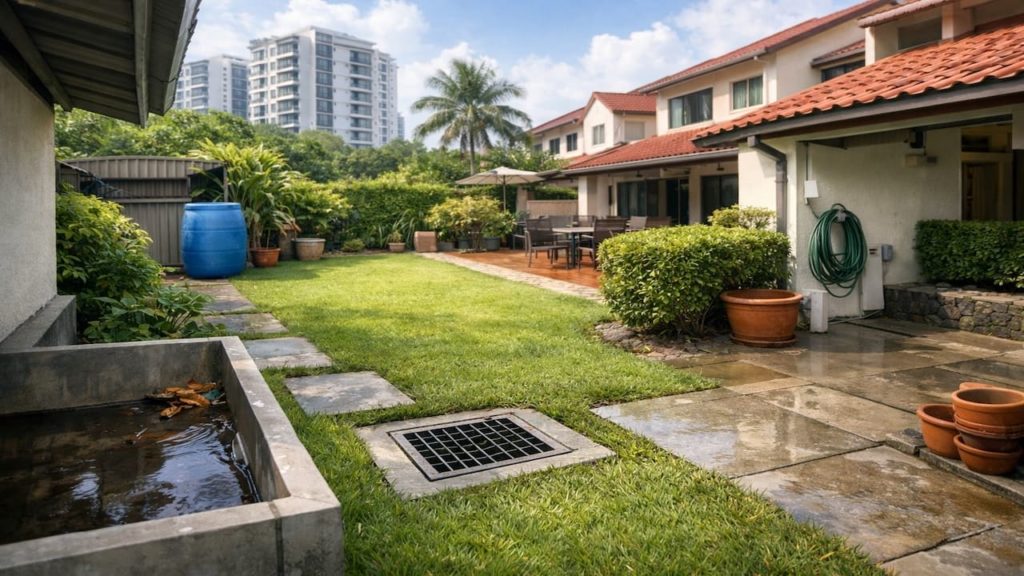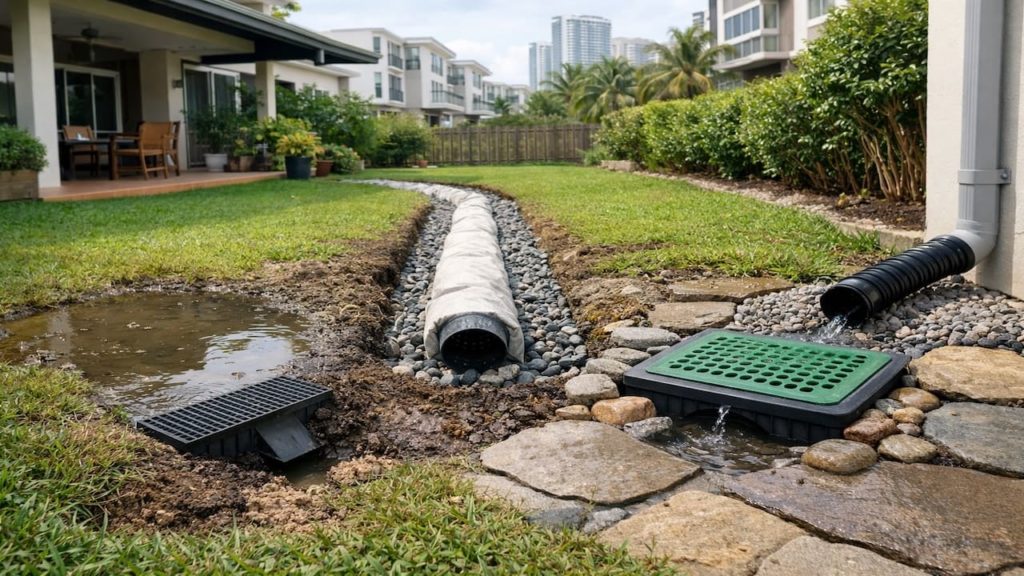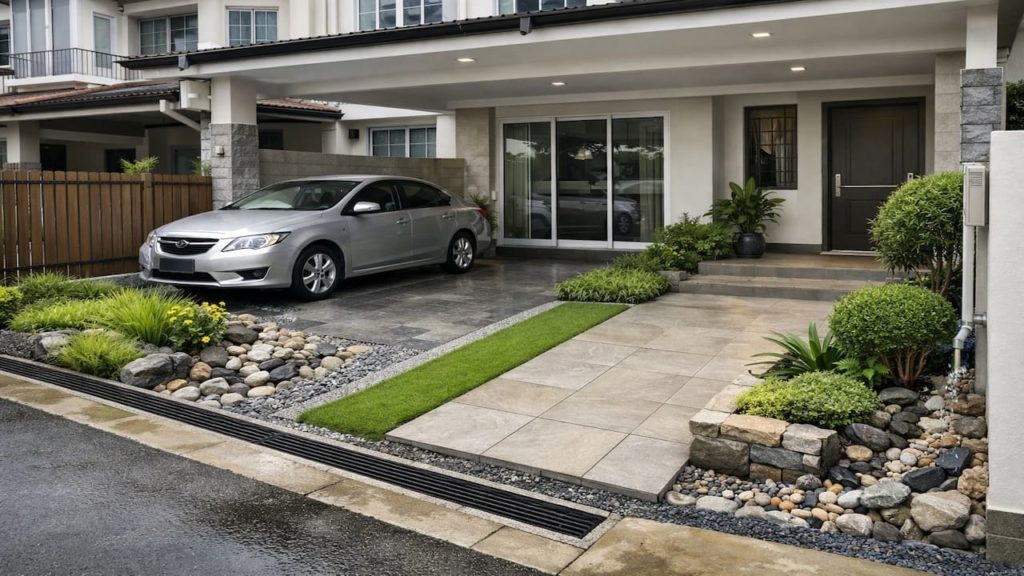
If your gate area smells like sewage after rain, you are not alone in Malaysia. Longkang odors hit hard in humid heat, especially near terraces and condo ground floors.
The smell can come from rotting leaves, trapped grease, stagnant water, broken traps, or backflow from shared drains. Heavy rain stirs everything up, but the fix is usually practical. No drama.
In this guide, you’ll learn how to stop longkang odors near the gate fast with 5 checks that match Malaysia’s wet season reality. You will also learn what to clean, what to seal, and when to escalate.

Hi, I’m Ken. I write practical home guides for Malaysia—no fluff, just what works.
I hold a formal building design qualification and have spent about 20 years on job sites across hundreds of projects. My goal is simple: help you avoid costly mistakes with clear, safe steps—a quick way to decide what to do next.
1. Landscape drainage smell: 5 checks
Gate drain smells drop fast when you find the wet source.
Malaysia heat accelerates rot, and rainwater pushes leaf mush into every corner—then the smell sits in still air by the gate.
If you only spray freshener, the odor comes back stronger at night.
Smell is a signal.
- Lift longkang cover and remove wet leaves
- Flush drain with bucket and observe flow
- Check for standing water after 10 minutes
- Inspect grating gaps for trapped food waste
- Look for slimy algae lines along channel
Some people say it is just “normal drain smell,” but normal should not punch your nose every time you open the gate.
Do the checks, confirm the source, and you can stop it with simple steps.
2. Stop longkang odors near the gate
Odor control needs cleaning plus airflow plus water movement.
Near gates, the air often stays still, and Malaysian humidity keeps surfaces damp—so bacteria keep working even when rain stops.
A small stagnant pocket can stink more than a long drain that flows.
Flow beats perfume.
- Brush channel walls with stiff outdoor broom
- Rinse with hose then squeegee toward outlet
- Add enzyme drain cleaner on dry evening
- Install simple mesh to catch leaves early
- Keep bins away from drain edge line
You might think strong chemicals are the answer, but they often fail if sludge remains under the cover.
Clean first, restore flow, and the gate area stops smelling even during monsoon weeks.
3. Why longkang odors get worse at the gate
Gate odors worsen when organic sludge stays warm and wet.
In Malaysia, rainwater washes dust, soil, and plant debris into longkang lines, and hot concrete keeps the mix warm—perfect for stink.
If the drain slope is weak, the muck settles, then gas escapes through gaps near the gate.
Rot builds.
- Check slope using water and chalk marks
- Find low spots where water always pools
- Inspect nearby downspout splash onto grates
- Confirm no broken trap cover near outlet
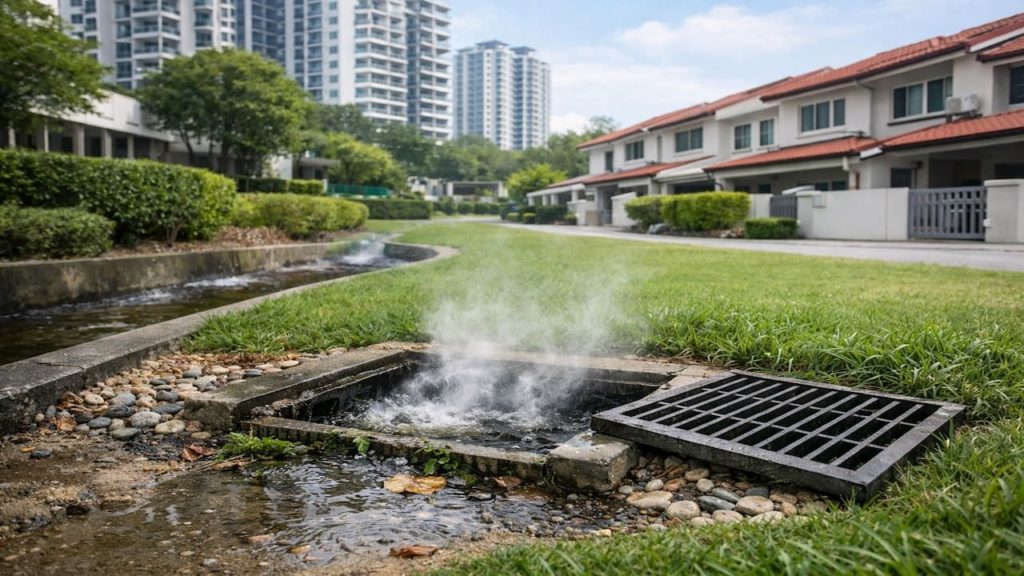
- Watch for bubbles after heavy rain flush
Some blame the whole neighborhood system, and sometimes shared drains are part of it.
But you still control your first meters, and that is where most gate smells start.
4. How to fix the smell without rebuilding drains
Fix smells by removing sludge then sealing the smell path.
Start with a dry window, because Malaysia storms can undo half-finished cleaning—work in short sections and keep the outlet open.
After cleaning, block the paths where gas escapes, and stop new debris from entering.
Simple control.
- Scoop sludge into bag and seal tightly
- Scrub corners with brush and soapy water
- Flush until water runs clear and fast
- Seal cover edges with removable foam strip
- Add leaf guard at gate drain entrance
Some people worry sealing edges will trap water, but removable strips are for gas gaps, not for blocking drainage.
Keep water moving, keep debris out, and the smell stays gone longer.
5. FAQs
Q1. Is longkang smell normal after heavy rain in Malaysia?
A brief smell can happen when rain stirs old debris, especially near terrace gates and condo ground floors. If it lasts more than a day, something is sitting and rotting.
Q2. Can I pour bleach into the drain to kill the odor?
Bleach can reduce smell short term, but it does not remove the sludge that keeps feeding odor. Use it only after you physically remove debris and restore flow.
Q3. What is the safest first step if the smell is strong?
Start with a quick debris lift and a flow test using a bucket. Physical cleaning beats chemicals for longkang odor when humidity keeps surfaces wet.
Q4. The smell returns every evening, why?
Warm evenings activate bacteria and gas release, and still air near gates holds odor in place. Check for low spots and sealed covers that trap wet sludge underneath.
Q5. When should I report it to condo management or local maintenance?
If you see backflow, repeated bubbling, or odor coming from beyond your frontage line, report it. Shared drain issues need coordinated cleaning, especially before monsoon peaks.
Pro’s Tough Talk

Alright, I’ve been on site for 20+ years, done hundreds of jobs, and Malaysia longkang smell near gates is a classic horror comedy. You open the gate and the stink hits like a wet compost bag.
Three causes show up every time. First, leaf sludge rots under the cover. Second, slope is weak so water sits. Third, backflow or trapped gas escapes through gaps, and your gate becomes the chimney.
Three steps, do it in order. Lift the cover and scoop the gunk, scrub corners and flush until it runs fast, then block the gas gaps and add a simple leaf guard. That’s the whole play.
Don’t blame yourself and don’t call every contractor a clown, but Warm wet sludge will stink no matter what you spray and that structure is cold. It is like trying to fix a clogged nose with perfume.
And yeah, you’ve had that moment where you pretend you didn’t smell it when someone walks past, and that moment where you blame the rain like it owes you rent. Clean it now, or your gate will keep greeting you like an angry sewer mascot.
Summary
Gate-area longkang odors in Malaysia usually come from warm wet debris sitting in low spots and releasing gas through small cover gaps. Find the wet source first.
If the smell returns after cleaning and flow improves, the deciding factor is hidden backflow, broken traps, or shared drain issues that need inspection and coordinated clearing.
Do one debris lift and one flow test today, then add a leaf guard this week. Small maintenance stops longkang odors before they become daily stress and the next guide on this site can help you prevent mosquito breeding too.