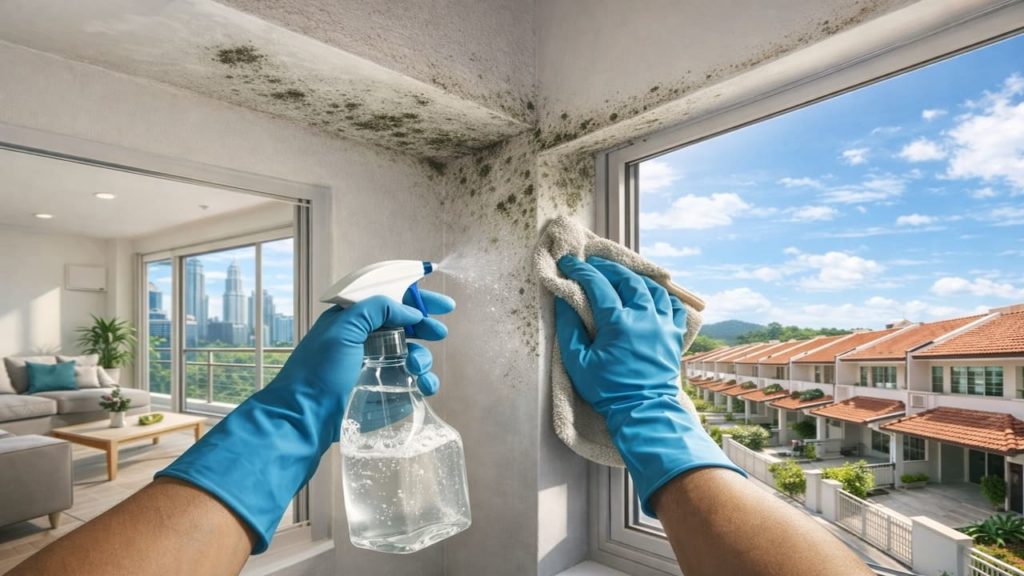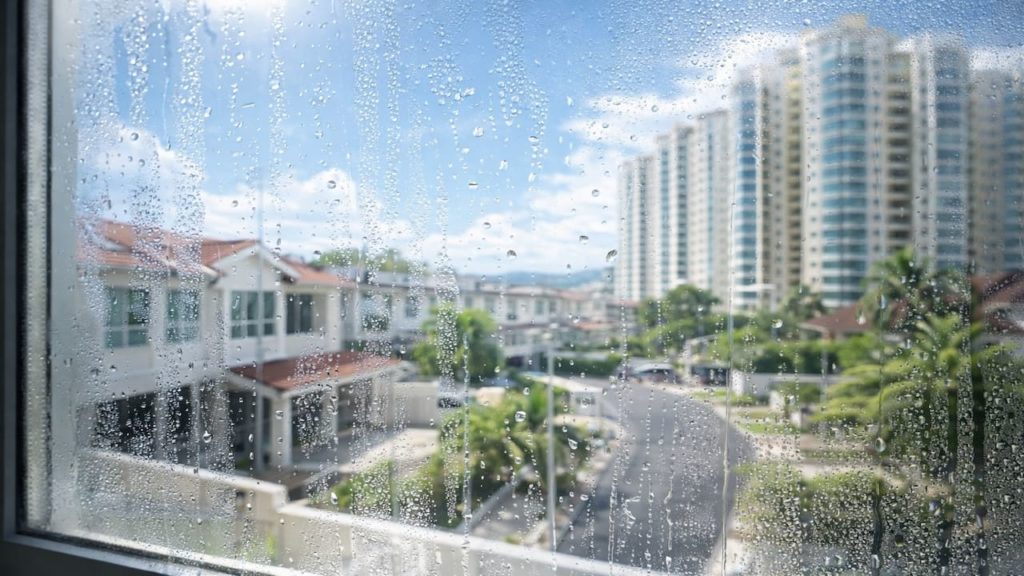
You searched this because the wet season hits, the air feels sticky, and suddenly you notice more bugs inside your home.
In Malaysia, warm humidity, frequent rain, and condo or terrace-house layouts can trap damp air, especially near kitchens, bathrooms, and entry points.
In this guide, you’ll learn simple humidity moves that make indoor pests less likely to stay while keeping your rooms comfortable during long rainy weeks.

Hi, I’m Ken. I write practical home guides for Malaysia—no fluff, just what works.
I hold a formal building design qualification and have spent about 20 years on job sites across hundreds of projects. My goal is simple: help you avoid costly mistakes with clear, safe steps—a quick way to decide what to do next.
1. Humidity and wet season bugs: 5 tips
Control damp air and the bug problem shrinks
Most wet season pests follow moisture, warmth, and easy food—humidity turns small gaps into a comfortable indoor habitat in Malaysia’s climate.
- Run Dry mode on your aircond for 2 to 4 hours when rain starts and keep doors closed in that zone
- Fix one leak today even a slow drip under the sink can feed roaches ants and drain flies
- Dry the shoe rack and entry mat area because porch splash and wet umbrellas create a damp corner
- Store rice flour and snacks in sealed containers so humid air cannot soften food and attract ants
- Keep bathroom exhaust and window vents clear—weak airflow lets moisture sit on tiles and grout
You might think bugs only need crumbs, but water is the bigger magnet in rainy months. Cut moisture first, then cleaning works faster. Real impact.
2. Less damp means fewer pests indoors
Dry surfaces remove the comfort bugs are looking for
When indoor humidity stays high, walls and floors never fully dry, so pests find safe hiding spots behind cabinets, under appliances, and near drains.
- Behind the fridge where warm air and condensation collect after cooking and frequent door opening
- Under the kitchen sink where pipe sweat and tiny leaks soak the cabinet base
- Bathroom corners where towels stay wet and grout holds moisture overnight
- Balcony laundry zones where damp clothes raise humidity in nearby rooms
- Shoe cabinets and entry storage where rainwater and muddy soles keep surfaces moist
Some people blame “bad luck” in the wet season, but it is usually indoor moisture patterns. Change the damp map and the pest map changes too. Simple physics.
3. Why wet season humidity attracts bugs indoors
Humidity boosts bug survival and breeding indoors
Many common indoor pests lose water easily, so they seek humid air to avoid drying out, and Malaysia’s warm rainy weather makes that easy.
- Roaches hide near moist heat because it protects their bodies and keeps egg cases safer
- Ant trails grow when surfaces stay slightly wet and food smells spread in humid air
- Drain flies multiply when slimy biofilm builds up in wet pipes and floor traps
- Silverfish and mites like damp paper fabric and dusty corners in storerooms
- Mosquitoes start indoors when balcony drains and small containers hold rainwater
You may think spraying solves everything, but damp conditions rebuild the same problem quickly. Fix moisture and you reduce the reason they come back. No mystery.
4. How to reduce bugs by lowering indoor damp
Target humidity control and sealing and bugs lose their base
Do these 5 steps in a condo or terrace house and you will feel the air improve while making your home less attractive to wet season pests.
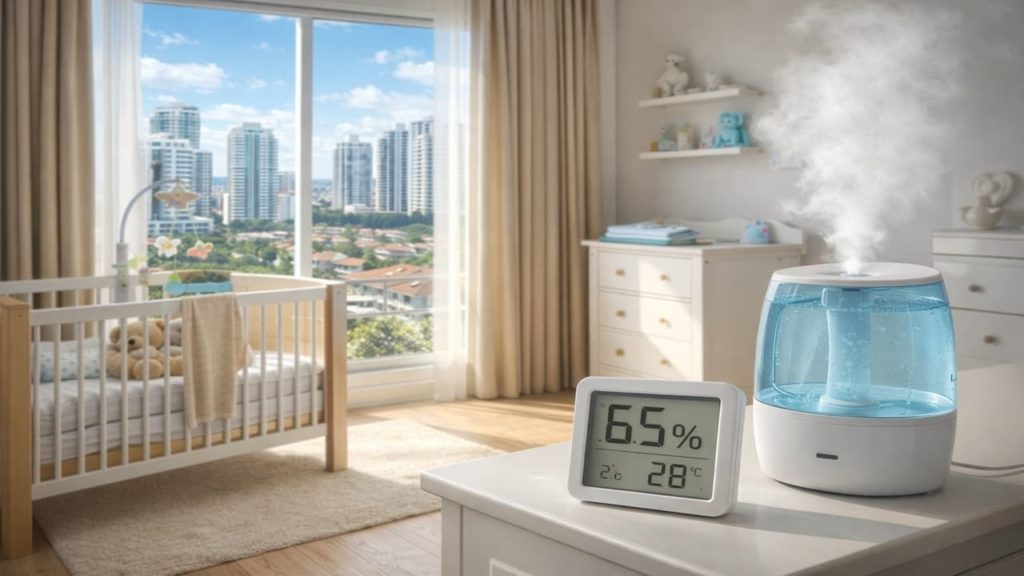
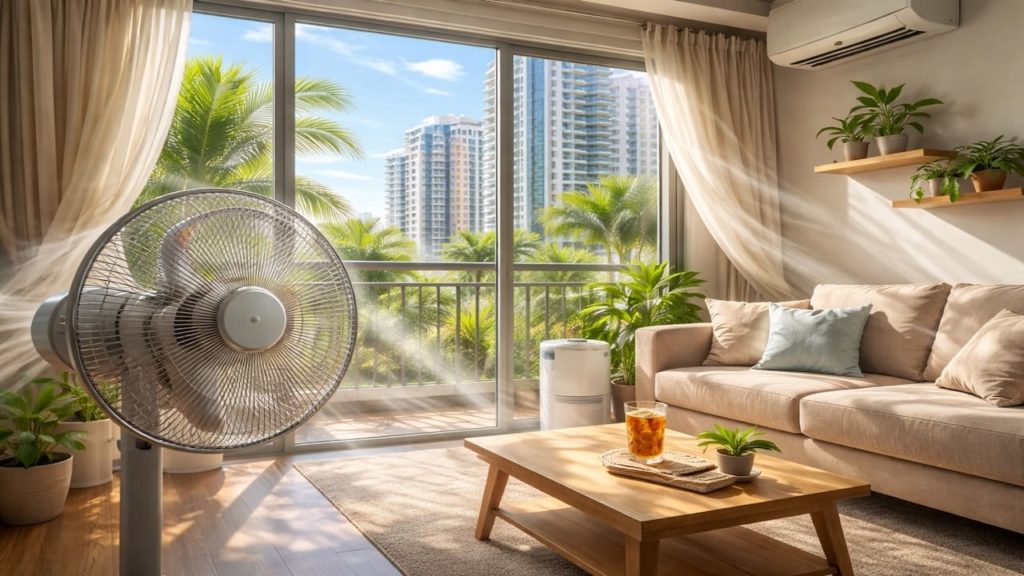
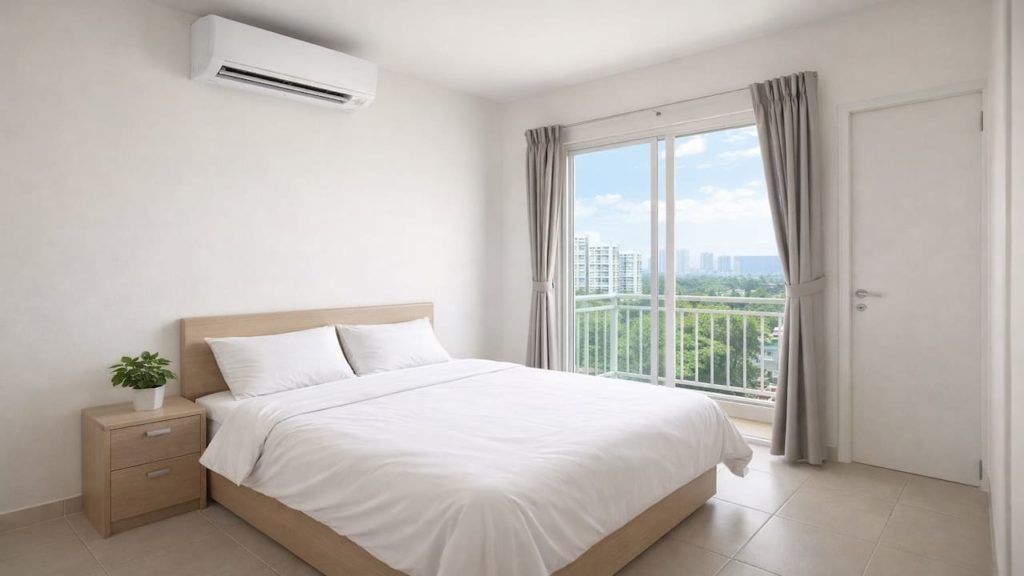
- Set a humidity target around 50% to 60% and use aircond Dry mode or a dehumidifier in one closed room
- Clear wet sources fast dry mats wipe porch splash and hang umbrellas outside so moisture does not migrate indoors
- Seal entry gaps use door sweeps window track cleaning and simple caulk where pipes enter cabinets
- Break food access store dry goods in airtight containers and wipe kitchen surfaces before sleep even on rainy nights
- Clean drains weekly pour hot water brush the trap area and keep floor traps topped up to block odors and insects
Some homes are “always humid” in Malaysia, but small control zones work. Start with the bedroom or living area, then expand. Progress feels real.
5. FAQs
Q1. What humidity level helps reduce indoor bugs in Malaysia?
A steady 50% to 60% is a practical wet season target for comfort and fewer moisture loving pests. You do not need desert air, just consistent dryness in key rooms.
Q2. Is aircond Dry mode enough or do I need a dehumidifier?
Dry mode is often enough for one closed room, especially at night. A dehumidifier helps if your home stays damp all day or you dry laundry indoors often.
Q3. Why do bugs still appear even after I clean every day?
Cleaning removes crumbs, but moisture keeps hiding spots comfortable—bugs can live off tiny residues when the air stays damp. Fix leaks and airflow, then your cleaning finally sticks.
Q4. What is the fastest place to fix first in a condo?
Start under the kitchen sink and around the bathroom floor trap because moisture and food smells meet there. One small leak or wet cabinet base can fuel weeks of pests.
Q5. When should I call a pest control service?
If you see daytime roaches, repeated ant swarms, or signs of nesting, get professional help. Combine treatment with humidity control or the same cycle returns in the next rainy stretch.
Pro’s Tough Talk

Listen. I’ve been on site for 20+ years and handled hundreds of jobs, and wet season bugs don’t “randomly happen.” In Malaysia’s humidity, your house turns into a sponge.
Cause is 3 parts. Moisture source, hiding gaps, and lazy airflow. Do 3 steps now: kill the leak, dry one closed room hard, then seal the entry cracks and drain zones.
If you keep feeding damp air, you’re running a buffet for pests and acting surprised when guests show up. Everyone leaves wet towels around, everyone ignores the sink drip, and yeah, “it’ll dry later” is a fantasy. Dry the house and the bugs pack up or enjoy being their landlord in the wet season.
Summary
Wet season bugs get worse when indoor humidity stays high, especially around kitchens, bathrooms, entry storage, and drains in Malaysia’s warm rainy climate.
Pick one control zone and lower humidity first, then seal gaps and remove water sources—if the problem does not improve, check for hidden leaks or drain issues.
Start today with one room, one leak fix, and one drain clean, then read your other humidity guides for shoes, laundry, and aircond settings. Less damp is the fastest path to fewer indoor pests