Mosquito bites even with AC feel unfair, because you expect a cold room to mean no mosquitoes and no itching.
In Malaysia, warm humid weather outside, condo corridors, and small gaps around windows or balcony doors can still bring mosquitoes in, even when the aircond runs all night.
In this guide, you’ll learn why mosquitoes still bite with AC and how to change airflow so bugs do not hover near you in Malaysian condos and terrace houses.

Hi, I’m Ken. I write practical home guides for Malaysia—no fluff, just what works.
I hold a formal building design qualification and have spent about 20 years on job sites across hundreds of projects. My goal is simple: help you avoid costly mistakes with clear, safe steps—a quick way to decide what to do next.
1. Mosquito bites even with AC: 5 causes
AC can cool you while leaving bite zones exposed.
Aircond changes temperature, but mosquitoes follow CO2, body heat, and still-air pockets, and those can exist in a cold room in Malaysia.
Cold room. Same bites.
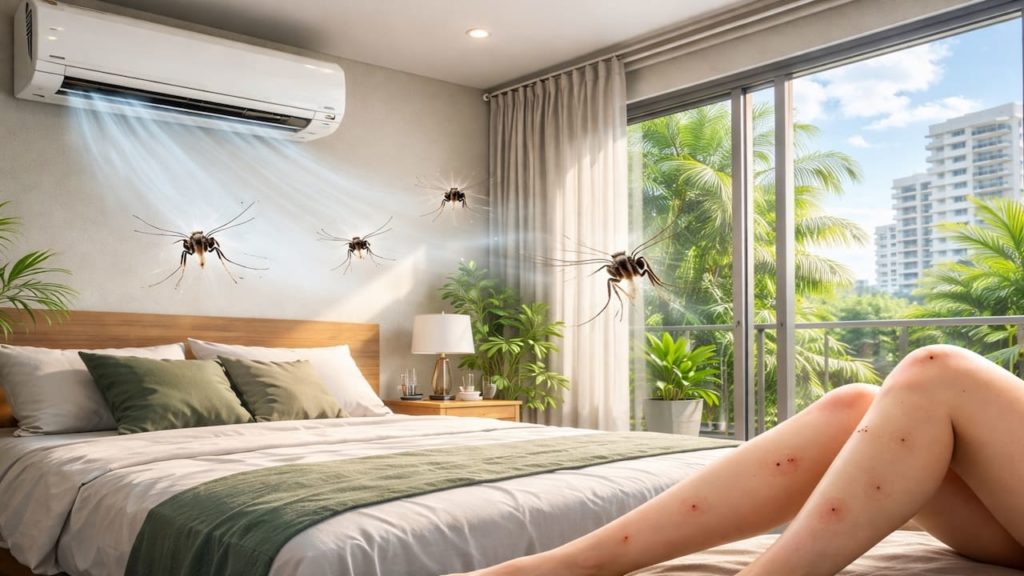
- Still air around your legs because the AC jet stays above the bed and never sweeps the lower zone
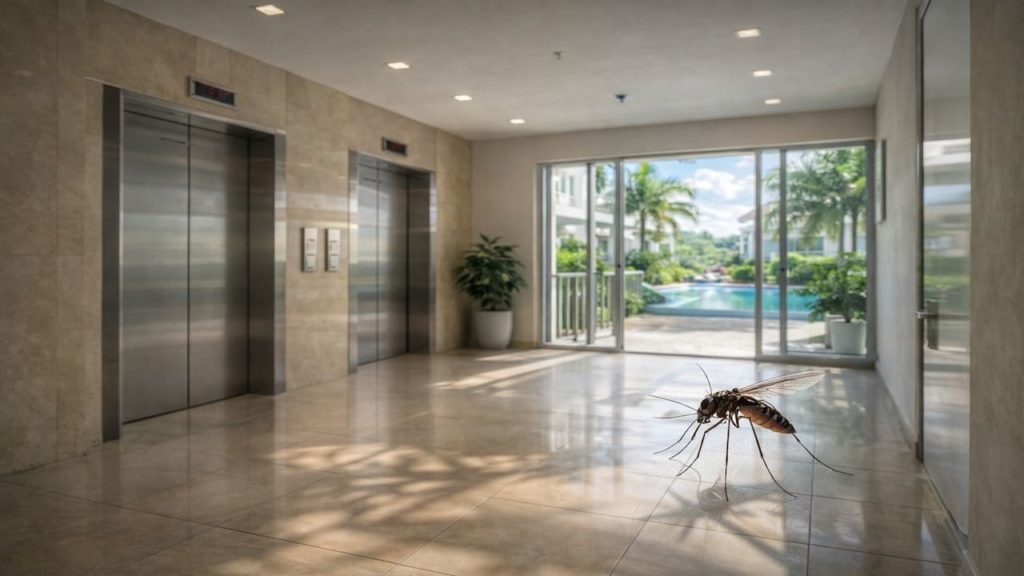
- Air leaks from door gaps or balcony tracks that pull mosquitoes in even while the room is cooled
- Condensation and damp corners near cold surfaces that create calm resting spots for mosquitoes
- AC airflow that pushes your scent and CO2 into one corner, creating a bite “hotspot” near the bed
- Mosquitoes already inside before you turned on the AC, then they rest until you sleep
Some people assume mosquitoes hate cold and will disappear. They slow down, but they do not vanish, and the bite pattern depends on airflow and hiding spots—so the room setup matters.
2. Airflow patterns that keep bugs near you
Bad airflow creates a mosquito landing lane near your bed.
In many Malaysia condos, the AC blows from high on the wall toward the middle of the room, leaving a quiet pocket near curtains, under the bed, or near a balcony door.
That pocket is where they wait.
- AC vent aimed straight at the bed so you avoid the cold stream and expose legs outside the airflow
- AC vent aimed upward so cold air stays near the ceiling and leaves your sleeping zone still
- Furniture blocking airflow so one side of the bed becomes a calm resting corner
- Door-to-balcony crossflow that forms a gentle corridor mosquitoes can ride into the room
- Fanless rooms where air stagnates after the AC cycles off and humidity rises again
You might think lowering the temperature will fix it. It can reduce activity, but if the airflow pocket stays, they can still land and bite—change the flow, not only the number.
3. Why AC rooms still get mosquitoes in Malaysia homes
Entry gaps and wet season pressure overwhelm cold air.
Malaysia’s wet season increases mosquito populations, and homes often have sliding track gaps, door leaks, and shared corridor air that brings insects inside.
Pressure stays high.
- Balcony doors opened at dusk that let mosquitoes enter before you close everything
- Loose door seals in condos that leak corridor air into the unit
- Window tracks with gaps where mosquitoes slip in and rest behind curtains
- Standing water on balconies in plant saucers that keeps mosquito numbers high nearby
- Bathroom drains and damp corners that create indoor resting zones overnight
Some people blame the AC itself, like it “attracts” mosquitoes. The AC does not invite them, but the room’s gaps and moisture do—fix those and AC becomes a stronger helper.
4. How to stop bites with AC using better airflow and barriers
Seal entry points and sweep airflow across bite zones.
The goal is to remove calm pockets and make landing hard, while keeping the room comfortable in Malaysia’s humid climate.
Simple changes work.
- Aim the AC vent so air travels across the bed area, not only above it, then adjust to avoid direct cold on your face
- Add a fan to create gentle crossflow over legs and arms, because steady movement disrupts mosquito landing
- Seal door bottoms with a draft stopper and use foam tape on sliding frames if you feel airflow
- Keep bright lights away from windows and balcony edges to reduce insects gathering near frames
- If bites persist, use a tucked mosquito net as a clean sleep zone without smoke or heavy chemicals
Some think nets are extreme when you have AC. But a net is a physical wall—when wet season pressure is high, physical walls beat hope.
5. FAQs
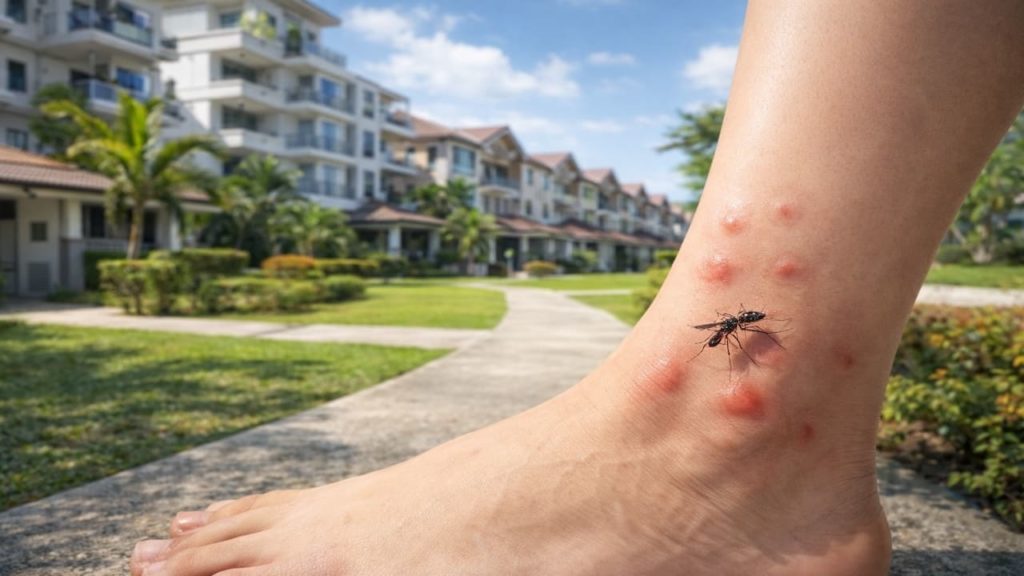
Q1. Why do mosquitoes bite my ankles even in a cold AC room?
Ankles sit in still air if the AC jet stays high, so landing is easy there. Add a fan sweep across the lower bed zone and reduce gaps near doors and balcony tracks.
Q2. Does AC attract mosquitoes because of the cold air?
No, mosquitoes are mainly guided by CO2 and body cues, not the AC itself. AC can create condensation and still pockets, which become resting spots if the room has gaps.
Q3. Should I use Dry mode to reduce mosquitoes?
Lower humidity can help comfort and reduce damp resting corners, but it does not replace sealing and airflow. Use it as support, not the main defense.
Q4. What if I keep the door closed but still get bites?
Check for door bottom gaps, window track leaks, and mosquitoes already inside before bedtime. A quick light-leak check plus a draft stopper fixes many condo cases.
Q5. What is the fastest fix I can do tonight?
Add airflow over your legs and seal obvious gaps before you sleep, then keep lights away from balcony edges. You will reduce landing and stop the same bite pattern.
Pro’s Tough Talk

Listen. I’ve been on site for 20+ years and handled hundreds of jobs, and “I have AC so mosquitoes should be gone” is a fantasy. Malaysia’s humidity and wet season pressure do not care about your thermostat, and condos and terrace houses leak air like they were built to share it. Reality.
Cause is 3 parts: they get in through gaps, they hide in calm corners, and your AC airflow leaves a bite lane near your legs. Fix it in 3 steps: block the door bottom and sliding gaps, dump balcony water and dry tracks, then sweep air across your sleeping zone with a fan so landing feels like trying to stand on a moving bus—unstable.
Two relatable moments: you crank the AC colder, then you still wake up scratching your ankles, and you blame your blood type like it is destiny. Here’s the jab: cold air is not a door lock, and mosquitoes are not impressed by your remote. Seal the gaps and move the air across your body or keep paying the nightly itch tax like it is your subscription plan.
Summary
Mosquito bites can happen even with AC because airflow pockets, entry gaps, and wet-season pressure keep mosquitoes near your sleeping zone in Malaysia.
Change airflow patterns by sweeping air across legs and arms, seal door and sliding gaps, and reduce nearby standing water so mosquitoes cannot enter and rest.
Tonight, start with fan airflow plus gap sealing and then tighten your routine by checking balcony water and window tracks after every rain.