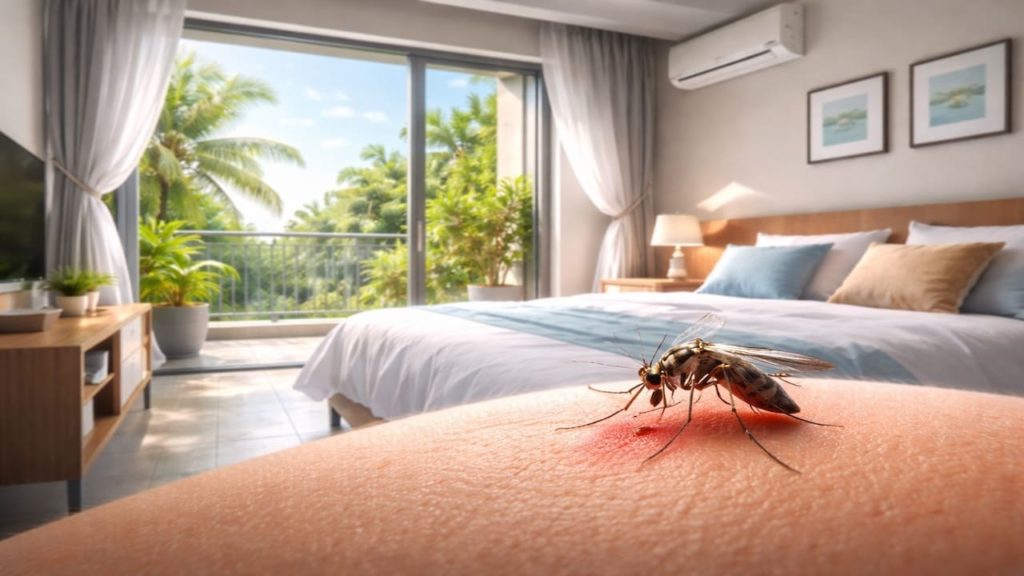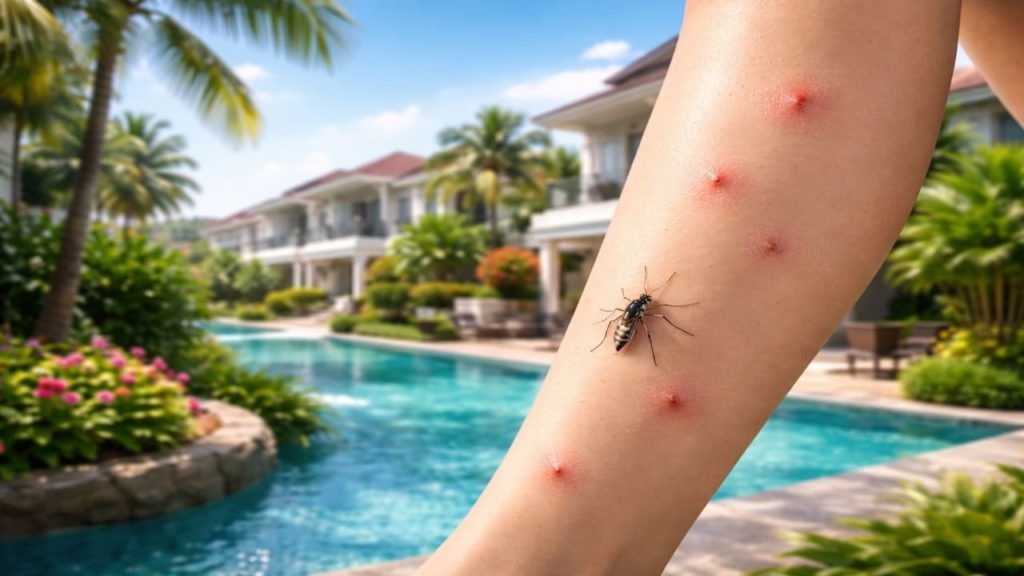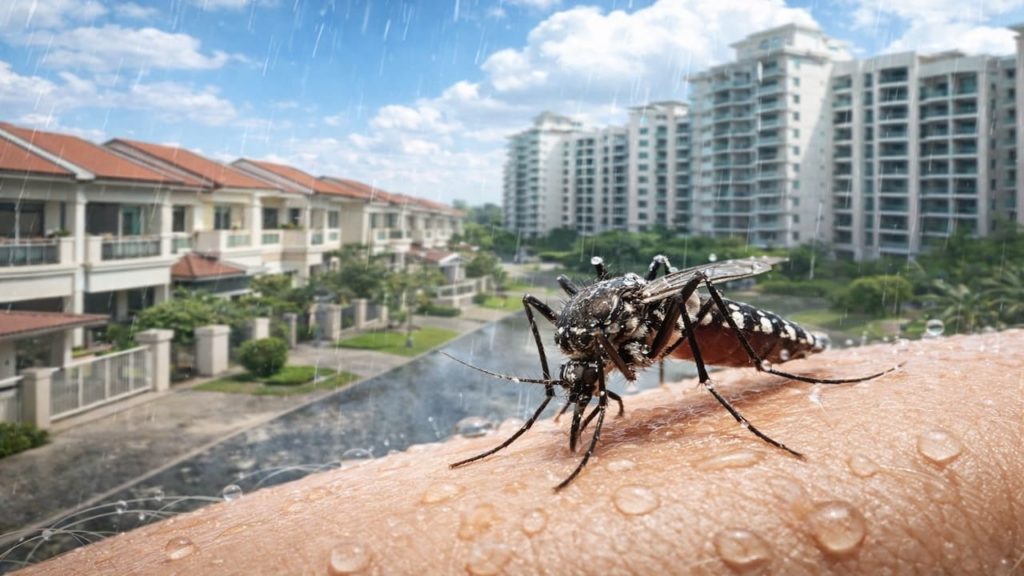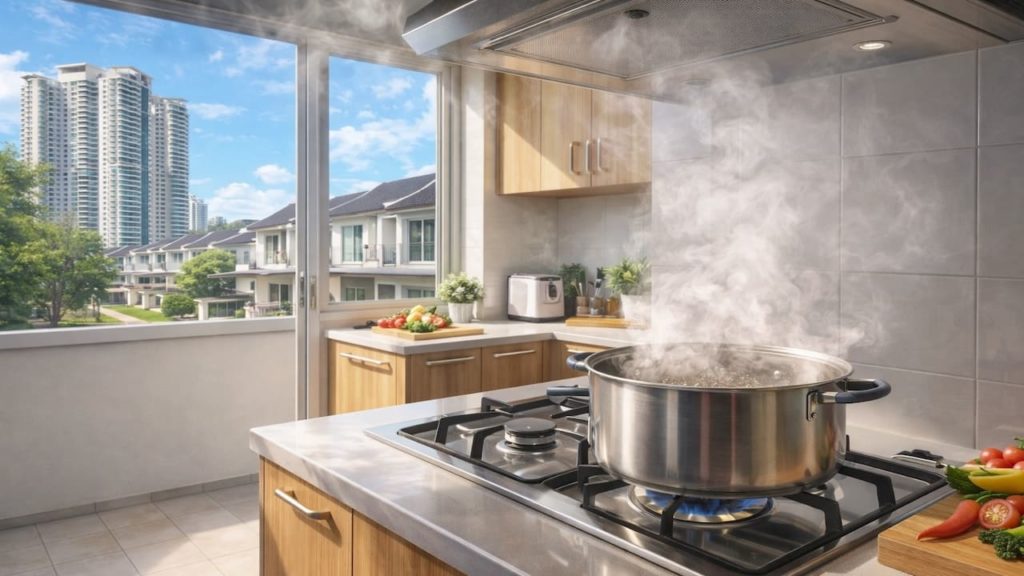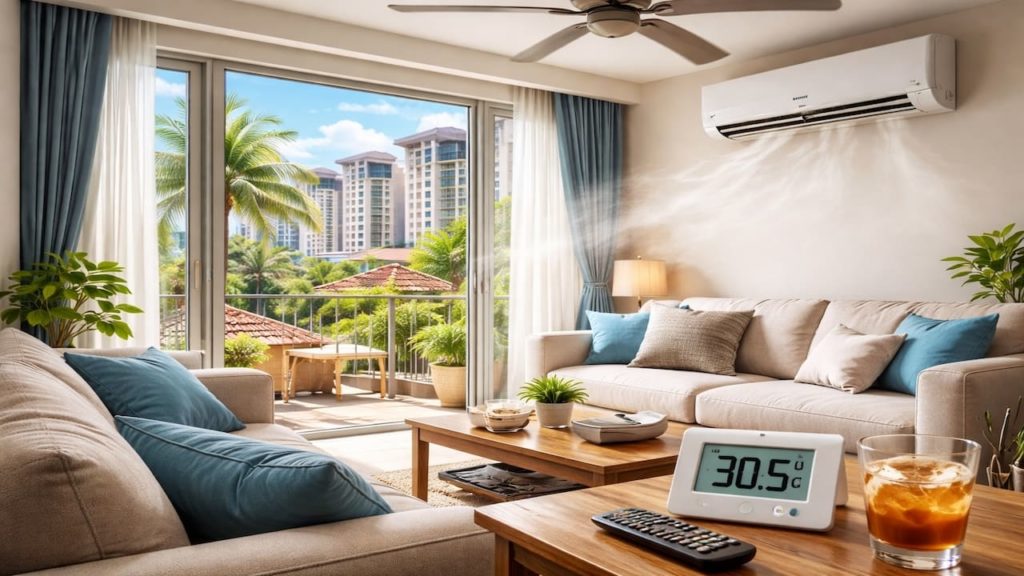
You turn on the lights at night and suddenly mosquitoes start hovering, circling, and drifting into your room.
In Malaysia’s warm humid evenings, lights create a clear activity zone, and mosquitoes take advantage because people stand still nearby in condos and terrace houses.
In this guide, you’ll learn how to reduce mosquitoes around lights at night by changing placement, cutting glare, and adjusting airflow without making your home feel unsafe.

Hi, I’m Ken. I write practical home guides for Malaysia—no fluff, just what works.
I hold a formal building design qualification and have spent about 20 years on job sites across hundreds of projects. My goal is simple: help you avoid costly mistakes with clear, safe steps—a quick way to decide what to do next.
1. Mosquito around lights: 5 tips
Reduce light pull and human exposure at the same time—mosquito control near lights is about layout not chasing insects.
Lights do not always “attract mosquitoes” directly the way they attract moths, but lights attract people and other insects, and that creates a predictable feeding zone. In Malaysia, warm air stays active at night, and humid indoor spaces help mosquitoes survive longer. If your brightest light is near a door, balcony, or window, mosquitoes gather in that pathway and follow you inside. If your light is near seating, they hover where you sit still. Fix the zone, not the mosquito. Strategy.
- Move bright lights away from doors windows and balcony tracks
- Switch to shielded fixtures that aim light down not outward
- Lower brightness at dusk and use smaller task lighting indoors
- Run a fan near the lit area to create constant moving air
- Keep curtains closed or screens shut before turning lights on
Some people try to spray around lights every night. That fades fast and does not change the attraction zone. Layout changes last longer and feel cleaner.
2. Change placement and reduce night attraction
Placement matters more than the bulb type—where the light sits decides where mosquitoes and people meet.
If a porch light shines outward, it creates a beacon that pulls insects to your entry point. If an indoor light is visible through glass, it guides mosquitoes to door gaps and window tracks. In Malaysian homes, balcony corridors and car porches can already have mosquito traffic at dusk, and a bright light makes the route obvious. You do not need to live in darkness. You need to relocate brightness so it does not sit on the entry line.
- Put the brightest light deeper inside not next to the door
- Use a wall sconce with a cover to block sideways glare
- Aim outdoor lights downward to the floor not into open air
- Add motion sensors so lights are on only when needed
- Keep a small lamp near seating and dim the overhead light
You might say moving lights is expensive in a rental condo. You can still change direction, add a cover, or switch to a lamp and keep the entry zone darker. Small changes count.
3. Why mosquitoes gather near lights at night
Lights create a reliable hunting zone where humans pause—mosquitoes exploit your routine.
Night routines are predictable: you unlock doors, load bags, wash dishes, watch TV, and stand in bright zones. Mosquitoes are sensitive to your body heat and odor, and warm humid Malaysian nights keep those cues strong. Light can also concentrate small insects, and mosquitoes may follow that activity. Even if mosquitoes are not “chasing the bulb,” they are chasing the people under the bulb. The result looks like attraction to light. Behavior.
- Entry lights keep you standing still while doors stay open
- Kitchen lights pull you to one spot with exposed ankles
- Balcony lights guide mosquitoes to door tracks and gaps
- Bright indoor lights leak outside through glass at night
- Still air zones near ceilings let mosquitoes hover longer
Some people assume the fix is a different bulb color only. Bulb changes can help, but if the light is still at the entry line, mosquitoes still meet you there. Placement wins.
4. How to prevent night mosquitoes without harsh chemicals
Create a low attraction entry zone and add airflow—that makes your home harder to approach and harder to bite in.
In Malaysia, the best control is reducing entry and reducing landing success. You can do that with sealing, screens, airflow, and timing. Start before dusk: close doors and windows, check screen alignment, and set up lighting so it does not broadcast outward. Then use a fan to make the lit zone windy. Mosquitoes hate that. Simple and repeatable.
- Close balcony doors before switching on bright indoor lights
- Use a fan near the entry or seating zone during peak hours
- Seal under door gaps and fix window track openings
- Empty plant saucers and drain trays near lit areas
- Shorten time standing at the door and prep items in advance
Some people want a zapper near the light. Zappers can kill some insects, but they do not stop mosquitoes from biting you. Use airflow and layout first, then add devices only if they fit your space.
5. FAQs
Q1. Do mosquitoes really get attracted to light?
They are more strongly attracted to your scent, heat, and carbon dioxide, but light creates a zone where people gather and doors stay open. That makes it feel like light attraction.
Q2. Does warm light reduce mosquitoes compared to cool white?
Warm toned lighting may reduce attraction for some insects compared to very blue white light. It helps most when combined with shielding and better placement.
Q3. Should I turn off all outdoor lights at night?
Not always, especially for safety. Use shielded downward lighting and motion sensors so lights are on only when needed and not broadcasting outward.
Q4. Why are mosquitoes worst when I open the door?
Door opening releases indoor scent and gives a direct path in, and bright entry lights keep you standing still. Move the bright light away from the door and shorten door open time.
Q5. What is the fastest improvement I can do tonight?
Dim the main light, close curtains, run a fan toward the seating area, and keep the door zone darker. Those steps usually reduce hovering within minutes.
Pro’s Tough Talk

Listen. I have been on site for 20+ years and handled hundreds of jobs, and mosquitoes around lights is not a supernatural curse. In Malaysia humidity, your light zone becomes the stage and you are the actor standing still.
Three causes, always. Bright lights sit right on the entry line, still air lets mosquitoes hover, and your routine keeps you parked under the bulb. Three steps fix it: move or shield the light so it points down, run a fan to make the zone windy, and close screens and doors before you turn lights on.
Two relatable moments, yeah. You stand there scrolling with the door half open, and you keep the porch light blazing like a lighthouse all night. Here is the jab: you are not lighting your home, you are advertising yourself. Fix the light zone and mosquitoes lose the meeting point—or keep hosting the nightly mosquito party and act shocked every time.
Summary
Mosquitoes gather near lights because lights shape where people stand still, where doors open, and where scent and heat concentrate on warm Malaysian nights.
Change placement and direction of lights, reduce brightness near entry points, and add airflow so mosquitoes cannot hover and land easily.
Today, shield or aim lights downward, keep the entry zone darker, and run a fan near seating—Layout and airflow beat nightly spraying then read your next article on door gap sealing or living room corner checks.