```html
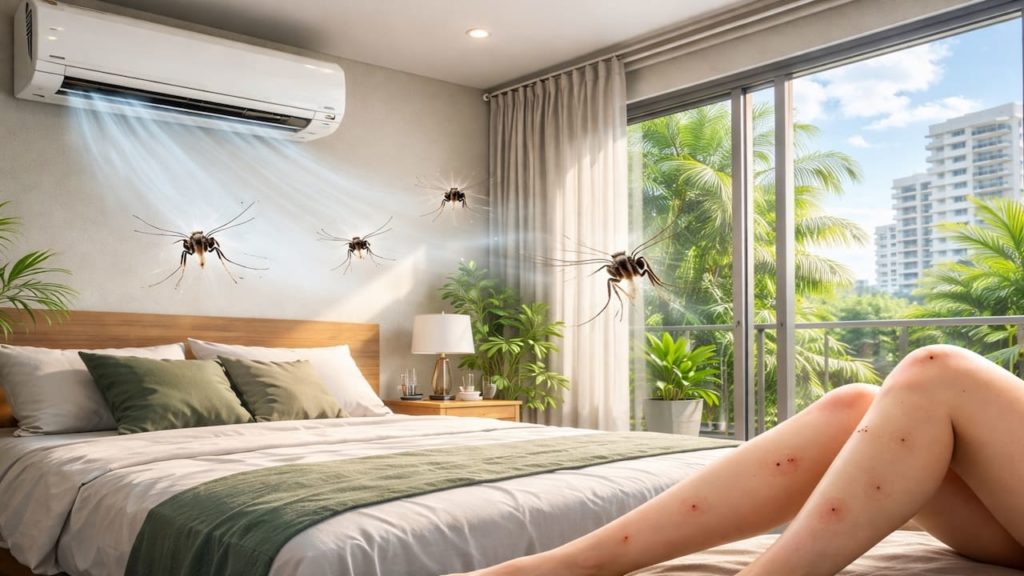
You sit down to work, you try to focus, and mosquitoes keep biting your ankles or hands under the desk.
In Malaysia’s warm humid weather, indoor mosquitoes can stay active all day, especially in condos and terrace houses where airflow is still and small breeding spots refill after rain.

Hi, I’m Ken. I write practical home guides for Malaysia—no fluff, just what works.
I hold a formal building design qualification and have spent about 20 years on job sites across hundreds of projects. My goal is simple: help you avoid costly mistakes with clear, safe steps—a quick way to decide what to do next.
In this guide, you’ll learn how to protect your desk zone without sticky sprays by using airflow, positioning, and quick checks that stop bites while you work.
1. Mosquito bites while working: 5 tips
Turn your desk into a windy zone so mosquitoes cannot land—airflow beats chemicals when you sit still for hours.
When you work, you stay in one spot and you breathe steadily, which creates a consistent carbon dioxide trail. Mosquitoes follow that and then look for easy skin, usually ankles, calves, wrists, and hands. In Malaysia, humidity makes sweat cues stronger, and many homes have quiet corners where mosquitoes rest behind curtains or under furniture. The fastest way to reduce bites is to make landing difficult and remove hiding spots within 2 meters of your desk. Control the micro space.
- Place a fan at floor level aimed across your legs and ankles
- Keep your chair 30 to 50 cm away from curtains and wall corners
- Wear thin long socks or loose long pants during peak bite hours
- Close the nearest door and window before dusk and turn on a light inside
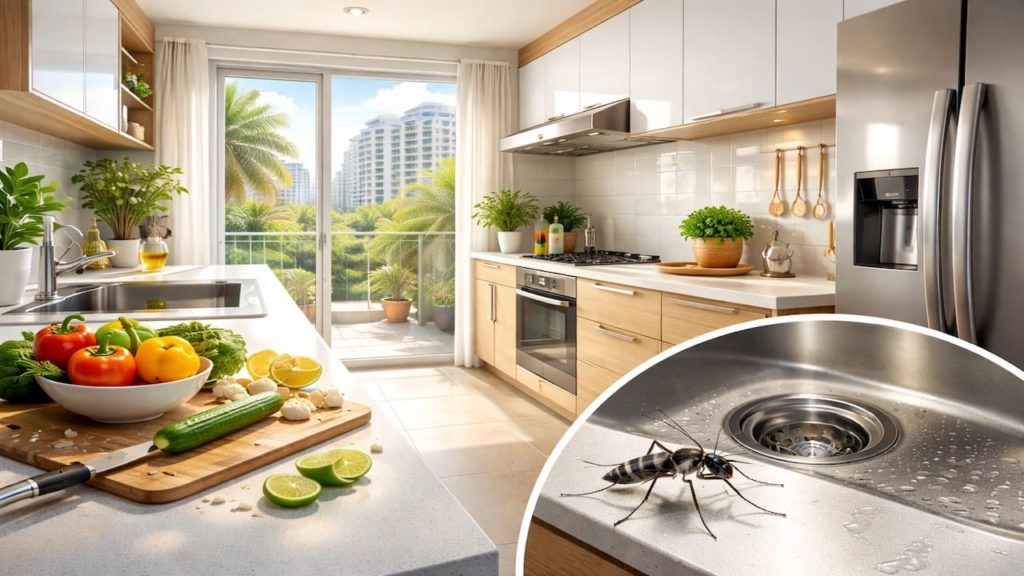
- Do a 1 minute sweep for standing water near plant saucers and drains
Some people think fans only spread mosquitoes around. Moving air reduces their ability to hover and land, so bites drop even if a mosquito is in the room. Wind wins.
2. Desk protection without sticky sprays
Use clean physical barriers and airflow instead of coating skin—you can stay comfortable and still work.
Sticky sprays can smell, feel oily, and transfer onto keyboards and chair arms. In Malaysia’s heat, they can also feel worse because you sweat and the product sits on wet skin. A better approach is to protect the desk zone like a small “work bubble.” Keep air moving, block easy entry points, and make your legs less accessible. Then use a non sticky backup option only when needed, like light clothing coverage or a small clip fan pointed at your hands. Simple routine.
- Put a small clip fan on the desk edge aimed at your hands
- Use a lightweight lap blanket over legs if you sit for long calls
- Keep trash and food wrappers away from the desk area at night
- Move bright lamps away from open windows or balcony doors
- Keep a mosquito catcher cup near the desk for quick capture
You might worry a blanket makes you hotter. Use a thin breathable layer and pair it with fan airflow, and it feels cooler than you expect. Work comfort.
3. Why mosquitoes target you at the desk
Still posture plus steady breathing makes you predictable—a desk is the perfect feeding station.
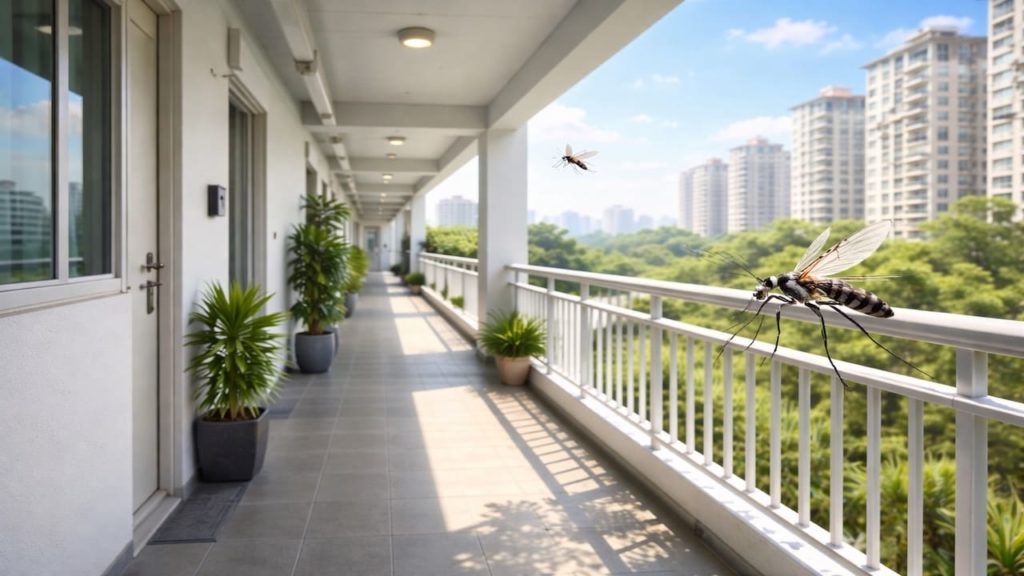
Mosquitoes prefer targets that do not move much. When you work, your legs are under the desk in a shadow pocket, and your hands rest on a mouse and keyboard. That makes easy landing spots. If your desk is near curtains, laundry, or a door gap, mosquitoes can rest nearby and attack repeatedly. In Malaysian condos, corridor entry and balcony gaps can bring mosquitoes in even on higher floors. In terrace houses, porch and gutter breeding can keep supply constant. Structure matters.
- Desk placed near curtains that create still dark resting folds
- Desk near a door gap where mosquitoes enter at floor level
- Indoor humidity from laundry or rainy season that keeps them alive
- Plant trays or floor drains within a few meters of the desk
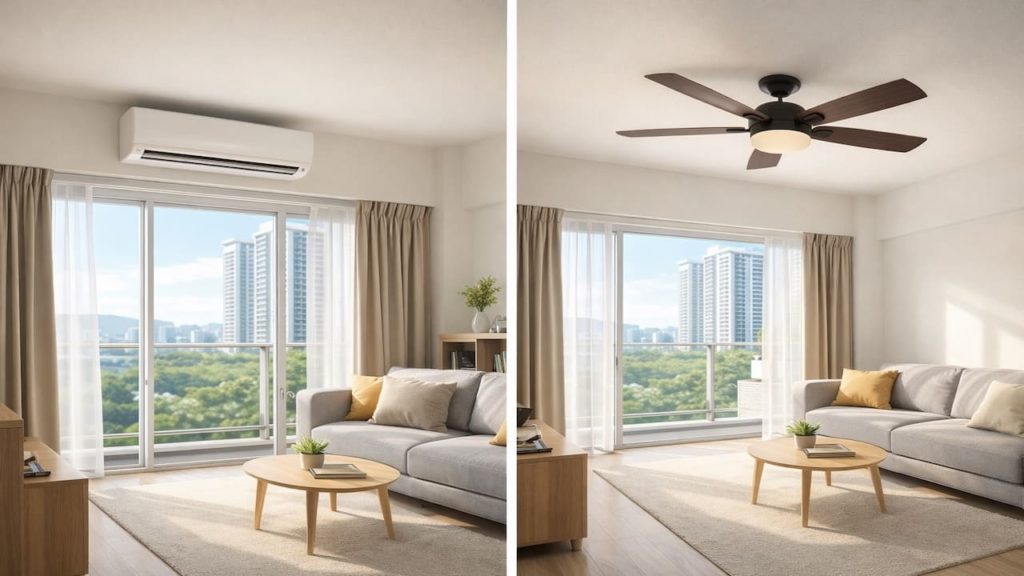
- Weak airflow because fans and aircond are off during the day
Some people assume only night bites matter. Daytime indoor biting is common in Malaysia, especially if mosquitoes rest inside the house. If you fix the desk zone, your work day improves immediately.
4. How to set up a mosquito safe work routine
Build a 3 minute setup before work and you stop most bites—consistency beats chasing one mosquito for an hour.
Think of this as a checklist you run once, then you can focus. Close the nearest entry points, switch on airflow, and remove nearby moisture sources. Then, if a mosquito appears, catch it using a calm method instead of slapping randomly. In Malaysia, a small daily routine is more realistic than deep cleaning because humidity and rain return constantly. Keep it simple and repeatable.
- Close balcony doors and check the under door sweep near the room
- Switch on a floor fan and aim it across your legs
- Keep a small lamp near you and avoid bright lights near windows
- Empty plant saucers and dry the sink or drain areas nearby
- At first buzz, use a cup and paper near walls and corners to catch
Some people want to burn coils at the desk. Coils can irritate lungs and smell strong in small rooms, and they still do not stop entry. Use airflow and control first, then choose gentle backups only if needed.
5. FAQs
Q1. Why do mosquitoes bite my ankles under the desk?
They fly and rest low, and the desk creates a shadow pocket with still air. Ankles are exposed and easy to reach while you sit still.
Q2. Does a fan really work for mosquitoes?
Yes, steady airflow makes it hard for mosquitoes to hover and land. Even low speed fan flow across legs can reduce bites a lot.
Q3. What is the safest non spray protection for work?
Use airflow plus light coverage like socks or loose pants, and reduce entry points near the room. Airflow is the cleanest daily defense for long desk sessions.
Q4. I work near a window, what should I change?
Close screens fully, move the desk away from the window line, and avoid placing bright lamps where they shine out. Keep the air moving toward the window to push mosquitoes away.
Q5. What if I already have mosquitoes inside?
Catch them calmly with a cup near corners and curtains, then remove resting spots like clutter behind the desk. Also check drains, plant trays, and door gaps so new ones do not enter.
Pro’s Tough Talk

Listen. I have been on site for 20+ years and handled hundreds of jobs, and getting bitten while working is not “just Malaysia.” It is the desk setup making you an easy target in humid air.
Three causes, every time. Still air under the desk, easy entry from door gaps or windows, and nearby moisture like plant saucers or drains that keep mosquitoes around. Three steps fix it: aim a fan at ankle level, seal the closest gap, and remove water sources within a few meters.
Two relatable moments, yeah. You focus so hard you ignore the first buzz, and you keep a damp towel or laundry basket near the desk because it is convenient. Here is the jab: you are building a mosquito coworking space. Make your desk windy and boring to them—or keep donating your ankles and pretend productivity is the problem.
Summary
Mosquito bites while working happen because you sit still, your desk creates shadow pockets, and Malaysia’s humidity keeps mosquitoes active indoors.
Use airflow as your main defense, move the desk away from resting corners, and remove small water sources and entry gaps that keep mosquitoes returning.
Today, aim a fan across your ankles, clear nearby water spots, and close gaps before dusk—Windy desks stop bites without sticky sprays then read your next article on living room corner checks or door gap sealing.