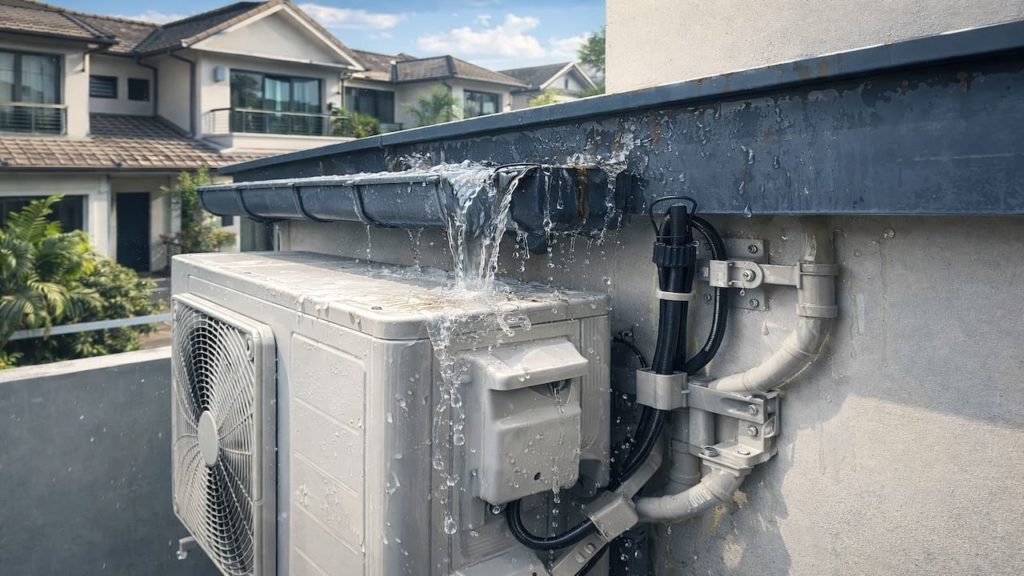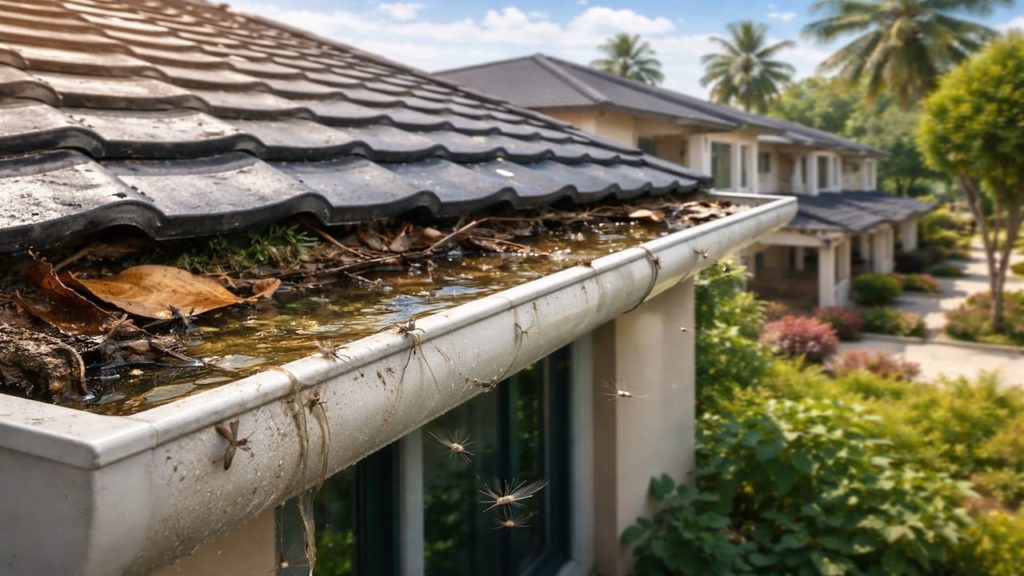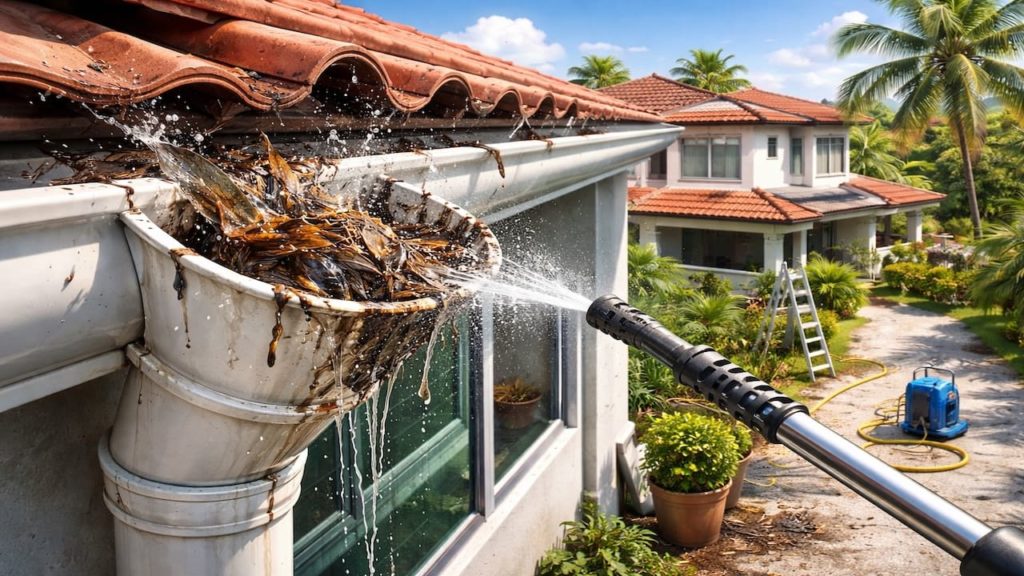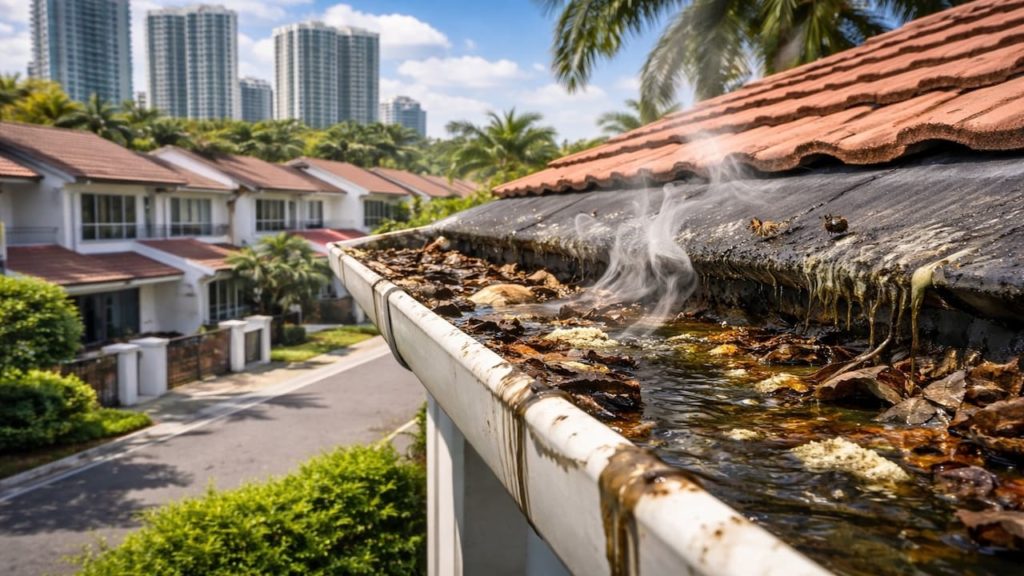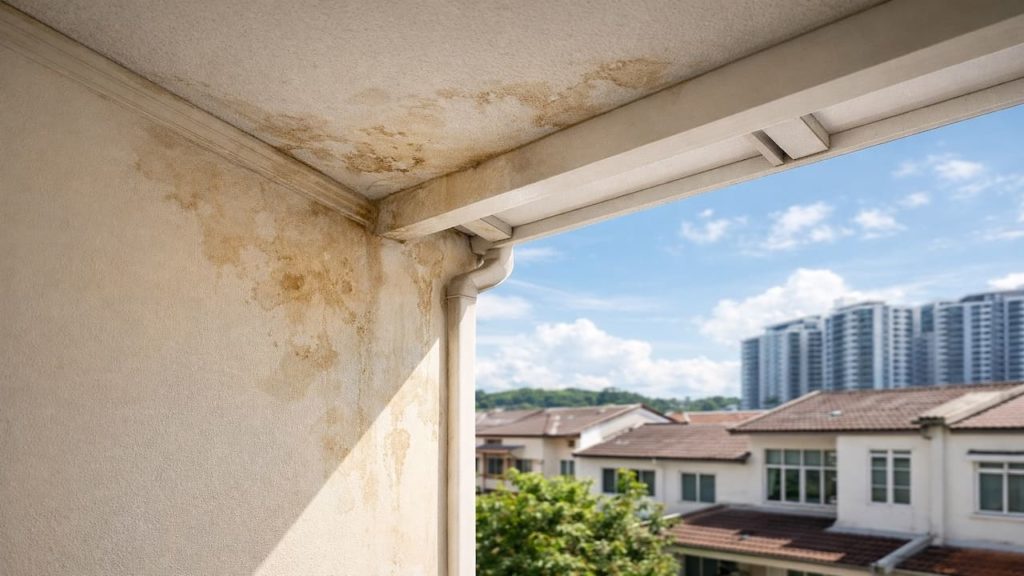
You get through a heavy rain, then later you still see gutter overflow or puddles like the system never fully drained.
In Malaysia humidity, debris turns into sticky sludge, and hidden clogs inside downpipes can keep water backing up even after the storm is gone. Slow overflow.
In this guide, you’ll learn the 5 after rain checks that reveal hidden downpipe clogs so you can find the choke point, restore discharge, and stop repeat overflow.

Hi, I’m Ken. I write practical home guides for Malaysia—no fluff, just what works.
I hold a formal building design qualification and have spent about 20 years on job sites across hundreds of projects. My goal is simple: help you avoid costly mistakes with clear, safe steps—a quick way to decide what to do next.
1. Gutter overflow after rain: 5 checks
Check drainage performance after rain because that is when hidden clogs show and water should be clearing, not lingering.
During the storm everything looks like chaos, but after rain the system should empty quickly. If it does not, the downpipe or ground drain is restricting flow—common in Malaysia rainy season. Real clue.
- Look for standing water in the gutter 1 to 3 hours after rain stops
- Check for fresh overflow splash marks on walls and windows even after the storm ended
- Watch the downpipe discharge point and see if it drips slowly instead of running strong
- Listen for gurgling or air sucking sounds from the downpipe after rain
- Check if only one corner stays wet while other sections dry normally
You might think it is just “a big storm,” but after rain overflow is a mechanical sign. If it repeats, it is a blockage or shape problem you can identify.
2. Find hidden clogs in downpipes
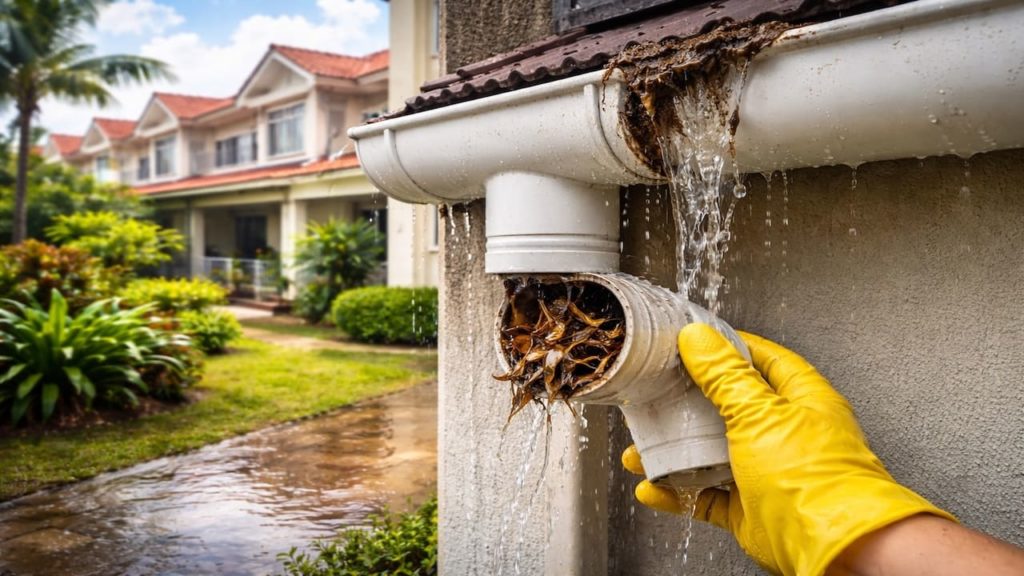
Hidden clogs usually sit at the first elbow or a narrow connector where sludge parks and reduces the pipe diameter.
Leaves become pulp, roof grit becomes mud, and Malaysia humidity keeps it sticky. That mixture slides into bends and forms a plug you cannot see from the top. Hidden plug.
- Check the first elbow bend for damp stains that suggest water is backing up inside
- Tap the pipe gently and listen for a dull heavy sound which can indicate sludge
- Pour a small controlled stream at the gutter outlet and watch if the level rises fast
- Inspect any accessible cleanout point and remove packed debris by hand
- Check the ground drain or gully trap for standing water that blocks discharge
Some people keep cleaning the gutter trough again and again. That wastes time if the real plug is in the downpipe. Clear the choke point, then the trough stays clean longer.
3. Why downpipe clogs happen even after “recent cleaning”
Clogs happen when cleaning moves debris downstream into the pipe and the pipe traps it at the first bend.
Strong flushing breaks debris into smaller pieces and pushes it into the downpipe. In Malaysia, fine sand and sludge settle fast and reblock within one storm. Migration effect.
- Debris pushed toward the outlet and packed tighter right under the opening
- Sludge settled in the elbow and formed a ring that narrows flow
- Ground drain blockage caused backflow and trapped debris at the lower joint
- Pipe misalignment created a ledge where debris catches and builds up
- Roof valley runoff dumped extra grit into one corner faster than expected
You may think you need a bigger gutter, but if the downpipe is restricted, bigger gutters just hold more water. Fix discharge first, then consider upgrades.
4. How to confirm and clear hidden clogs safely
Confirm the clog with a controlled pour test then clear the elbow zone so you solve the blockage without creating new leaks.
Choose a dry window and do not climb on wet surfaces, because Malaysia humidity keeps ladders and tiles slick. Safety first. Work from safe access points and prove flow step by step. Simple method.
- Do a controlled pour near the outlet and watch the gutter level for 30 to 60 seconds
- If it rises fast stop and avoid blasting more water which packs the plug tighter
- Open the first elbow or accessible connector and remove sludge by hand if possible
- Flush gently from the top and confirm discharge runs strong at the bottom
- Retest after 10 minutes and confirm the gutter drains without pooling
You might want to poke with random wire, but that can damage joints or scratch PVC and cause future cracks. Use safe access points and gentle clearing instead.
5. FAQs
Quick answers for overflow after rain in Malaysia, so you can narrow down whether the downpipe elbow, connector, or ground drain is hiding the real clog.
Q1. Why does overflow happen after the rain is already over?
Because the system is draining too slowly and water is backing up behind a restriction. Hidden downpipe clogs often show up during the emptying phase.
Q2. What is the most common hidden clog location?
The first elbow bend below the outlet and any narrow connector near the wall. That is where sludge settles and forms a plug.
Q3. How can I test without tools?
Do a controlled pour near the outlet and watch the level. Fast rising water means the downpipe is restricted and you should focus on elbows and cleanouts.
Q4. Can the ground drain cause the same symptoms?
Yes, a blocked gully trap can create backpressure and slow discharge, making the gutter overflow upstream. Check for pooling at the discharge point.
Q5. When should I call a professional?
If the pipe is inaccessible, high, or connected into concealed drainage, get help. Hidden clogs in sealed systems can require proper access and flushing.
Pro’s Tough Talk

I’ve been on site for 20+ years and handled hundreds of jobs, and “overflow after rain” is the downpipe screaming for help. The storm is over, but your pipe is still choking.
Cause is 3 things: elbow sludge, connector ledge buildup, or a ground drain that is blocked and pushing water back up. Steps are 3 too: do a controlled pour test, open the elbow or cleanout and pull the gunk, then flush gently until discharge runs strong. Everybody has the “it drained yesterday” excuse, and everybody has the “why is it still wet today” complaint.
Here’s the reality, gutters do not drain if downpipes cannot breathe. Water is like traffic at a jammed exit, it backs up fast, and sludge sticks like melted candy in a straw. One jab: the guy who keeps cleaning the trough while ignoring the elbow is doing cardio, not repair. Clear the hidden clog, or keep watching your gutter overflow after every rain like a bad rerun.
Summary
Overflow after rain is a sign of slow drainage, usually caused by a hidden downpipe clog at the elbow, connector, or ground drain. In Malaysia humidity, sludge forms quickly.
Use after-rain evidence like pooling, weak discharge, and gurgling to target the choke point. Confirm with a controlled pour test, then clear elbows and cleanouts safely.
Run the controlled pour test today and check the first elbow—one cleared downpipe stops repeat overflow and your next storm becomes less stressful.