Your autogate trips the fuse, and suddenly everything goes dead. It can happen the moment you press the remote, or only when the motor starts moving. Either way, it feels risky.
In Malaysia, moisture, ants, and aging cable insulation make short circuits more likely, and heavy rain can push water into joints. Overload from binding gates also spikes current and trips protection. Not random.
In this guide, you’ll learn the 5 checks that explain why an autogate trips the fuse by spotting shorts, overload conditions, and damaged cable sections common in humid Malaysian homes.

Hi, I’m Ken. I write practical home guides for Malaysia—no fluff, just what works.
I hold a formal building design qualification and have spent about 20 years on job sites across hundreds of projects. My goal is simple: help you avoid costly mistakes with clear, safe steps—a quick way to decide what to do next.
1. Autogate trips fuse: 5 checks
Fuse trips mean current is too high or a short exists.
A fuse is protection, not an inconvenience. If it trips, something is pulling more current than it should, often due to wiring faults or a motor struggling against friction. Treat it seriously.
- Note when fuse trips during open close or idle
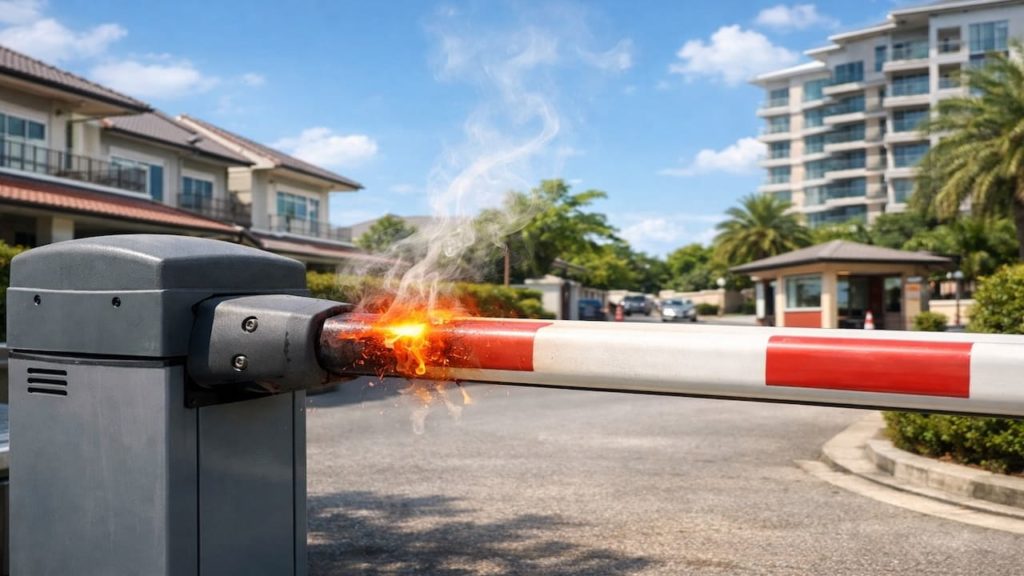
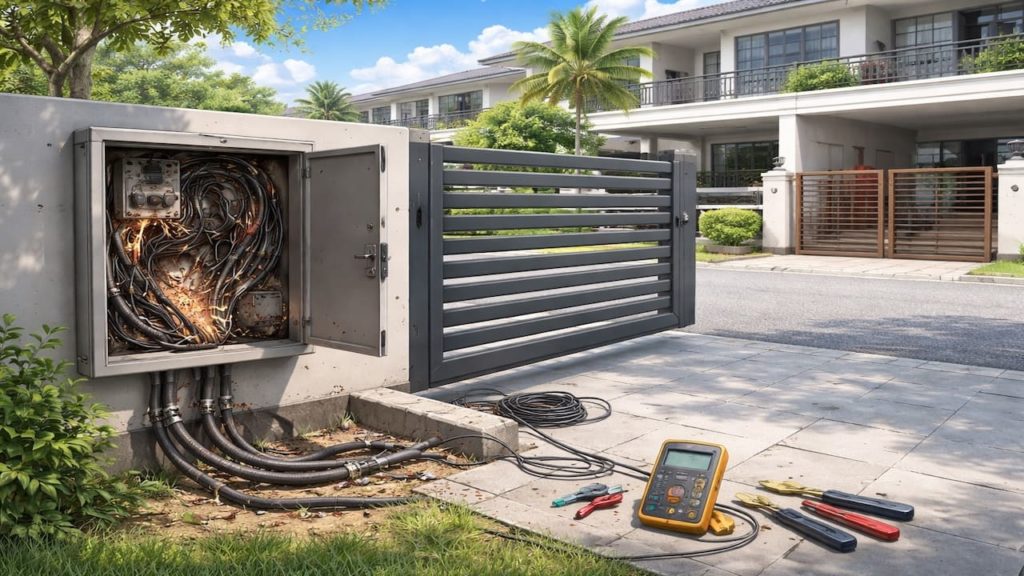
- Inspect control box for burn smell or heat
- Check wiring for melted insulation near terminals
- Check motor cable for cuts pinch and abrasion
- Test manual gate travel for heavy resistance
You might keep replacing fuses and hoping. That can hide the real danger and risk board damage. Find the cause before repeated retries.
2. Shorts, overload, & damaged cable sections
Short circuits often come from damaged cables and wet joints.
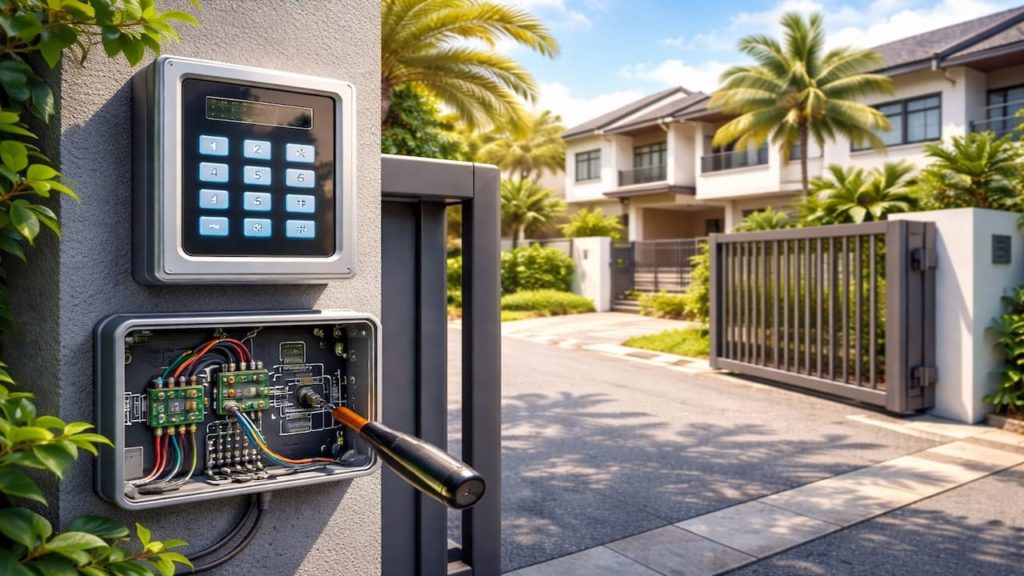
Water can bridge terminals, and small nicks in insulation can short when the gate moves and the cable flexes. Malaysia humidity and ants make this worse inside control boxes. Common.
- Check cable gland entry for sharp edge cutting
- Inspect splice joints for water and green corrosion
- Look for ant nests near terminal blocks
- Separate motor wires and check for stray strands
- Check fuse rating matches board specification
Some people assume “overload only.” But a short can trip instantly even when the gate is not moving. Timing tells you which direction to investigate.
3. Why fuse trips happen in Malaysia homes
Moisture and heat accelerate insulation failure and corrosion.
Outdoor boxes breathe humid air, then condense water at night. Over time, corrosion forms, resistance rises, and heat builds at terminals. Add wet-season splash and you get shorts and overload events. Reality.
- Condensation causing damp terminals and leakage
- Corroded joints heating up under motor load
- Wet sensor wires shorting into control inputs
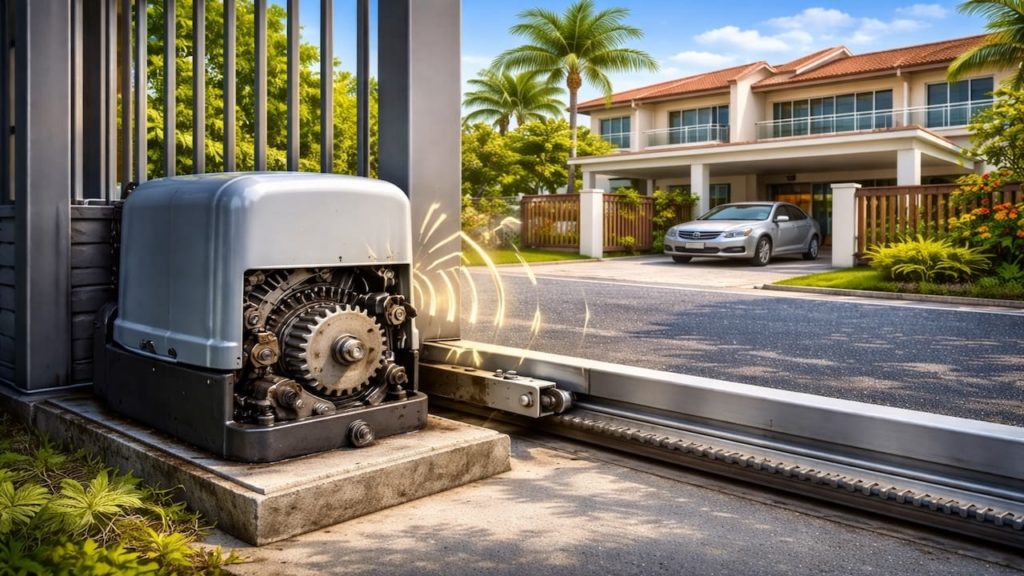
- Gate binding increasing motor current at start
- Cable rubbed by gate movement until copper exposed
You may think it is “just a small fuse.” But repeated trips can damage the control board, relays, and motor windings. Protection exists for a reason.
4. How to isolate the problem and stop repeat trips
Isolate circuits one by one to find the trigger.
Do this only when conditions are dry, and switch off mains before touching wiring. Malaysia porches stay damp, so do not work with wet hands. Safety first.
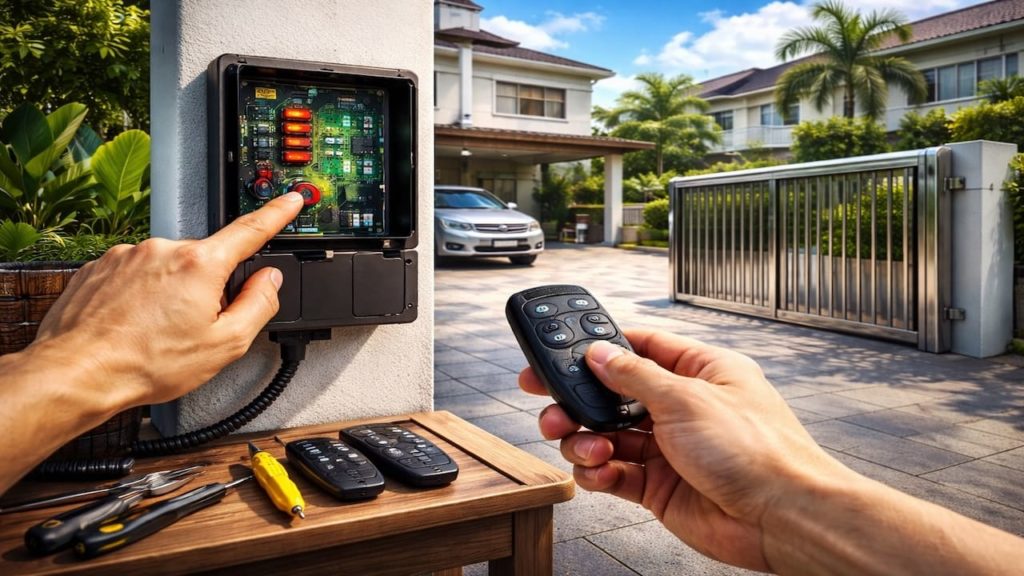
- Power off and dry box before any inspection
- Disconnect motor then test if fuse still trips
- Reconnect motor and disconnect accessories one by one
- Repair damaged cable section and reseal joints
- Fix binding track rollers then retest current load
You might want to use a bigger fuse so it stops tripping. That is dangerous, because it removes protection and can cause burns or board destruction. Never oversize a fuse.
5. FAQs
Q1. The fuse trips instantly when I press the remote. What does that suggest?
Instant trips often indicate a short circuit or wiring fault, not just mechanical overload. Inspect terminals, splices, and damaged insulation first, especially in damp conditions.
Q2. The fuse trips only after the gate starts moving. Why?
This can indicate motor overload from binding, or a cable that shorts only when flexed during movement. Check manual travel resistance and inspect motor cable along the moving path.
Q3. Can rain make the fuse trip more often?
Yes, water can bridge terminals or leak into splices and cause leakage current. Wet-season moisture is a common fuse-trip trigger in Malaysia, especially with poor sealing.
Q4. Is it safe to keep replacing the fuse and trying again?
No, repeated trips can overheat components and worsen damage. Find the root cause first, and call a technician if you see burnt marks or wet wiring inside the box.
Q5. When should I call a technician immediately?
If you smell burning, see melted insulation, hear arcing sounds, or the fuse trips even with the motor disconnected, call a technician. Electrical faults can be dangerous.
Pro’s Tough Talk

I’ve been on site for 20+ years and handled hundreds of autogates, and a tripping fuse is the system saving you from a bigger disaster. In Malaysia, humidity sneaks into boxes, ants crawl over terminals, and cheap splices rot until they short. That is the real story.
3 causes, simple. First, a short circuit, exposed copper, loose strands, wet splice, corrosion bridge. Second, overload, the gate binds, rollers drag, motor pulls too much current at start. Third, damaged cable sections, pinched at the gland, rubbed by movement, cracked insulation. Do 3 steps. Power off and dry the box. Isolate by disconnecting the motor and testing, then reconnect and remove accessories one by one. Repair the damaged cable and fix binding so current stays normal.
Don’t blame yourself, and don’t call the installer a criminal, but the structure is brutal: outdoor wiring plus Malaysian wet season equals failure on a timer. A short is like a leaking pipe inside a wall, and an overloaded motor is like sprinting while carrying a sack of rice. And do not put a bigger fuse like you are “upgrading,” that is how you burn things. Two classics: it trips when guests arrive, and it stops tripping when you try to record proof. Bottom line Find the short or overload cause before you replace fuses or you will turn a small warning into an expensive mess.
Summary
If your autogate trips the fuse, treat it as overcurrent from a short circuit, damaged wiring, or motor overload. Note exactly when it trips and inspect the box and cables carefully.
If it trips instantly, suspect shorts and wet joints. If it trips during movement, suspect binding and cable flex shorts. If you see burn marks or wet wiring, call a technician.
Dry the box and isolate the motor circuit today, then read the next guide on nonstop beeping and random failures—Fuse trips are warnings that protect your board and motor.