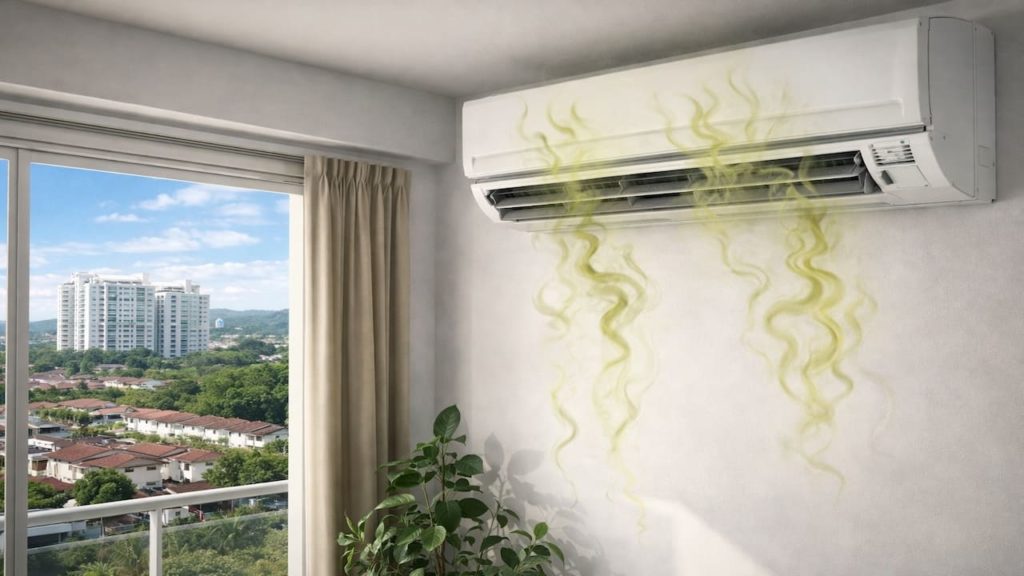
You switch on the aircond and get hit with a musty, sour, or “dirty sock” smell that makes the whole room feel unpleasant.
Bad smells usually come from moisture plus dust buildup, but drains, filters, and even room habits can keep feeding the odor.
In this guide, you’ll learn how to remove aircond odors at the source with 5 common reasons, safe fixes, and clear signs it’s time for deeper cleaning.

Hi, I’m Ken. I write practical home guides for Malaysia—no fluff, just what works.
I hold a formal building design qualification and have spent about 20 years on job sites across hundreds of projects. My goal is simple: help you avoid costly mistakes with clear, safe steps—a quick way to decide what to do next.
1. Aircond smells bad: 5 reasons
The most common cause is moisture sitting on dusty surfaces inside the airflow path.
Odor is a pattern, not a mystery—find the source and the smell stops coming back. Fast relief.
- Mold or biofilm on the coil area from moisture that never fully dries
- Dirty filter that traps dust and spreads a stale smell through the room
- Clogged drain tray or pipe that holds dirty water and produces sour odor
- Dust buildup on intake grille and louvers that re-circulates every time you run cooling
- Room sources like damp laundry or cooking smell that get pulled into the unit and linger
You might assume the smell means the unit is “old,” but odor often starts with moisture and dust habits. Fix the cause, not the age.
2. Remove odors and improve indoor air
The fastest improvement comes when you clean the filter and dry the inside regularly so odor sources cannot stay wet.
Odors are often stronger in wet weather—your goal is to break the moisture cycle, not just mask the smell. Real fix.
- Clean and fully dry the filter then run cooling for 10 minutes to test the difference
- Wipe the intake grille and louvers so dust does not keep feeding damp buildup
- Run Fan mode for 20 to 30 minutes after long cooling sessions to dry the coil
- Keep wet laundry out of the cooled room because it adds moisture and odor compounds
- Check that water drains outside during cooling because trapped water often smells
Some people spray perfume or use room freshener, but that can mix with musty odor and feel worse. Clean and dry beats cover-up.
3. Why the smell keeps coming back
Smells return when the unit stays wet and dirty between uses so bacteria and mold can rebuild.
Even if you clean once, the odor can return if drainage and drying are not fixed—this is why “one-off cleaning” sometimes fails. Reality.
- Biofilm grows on damp surfaces and releases odor when airflow hits it again
- Drain clogs keep dirty water in the tray which becomes a постоян smell source
- Very low temperature settings increase condensation and keep surfaces wet longer
- Weak airflow from dirty filters prevents drying and allows moisture to linger
- Room humidity stays high so the unit never fully dries even when turned off
You might think “it’s clean now so it should stay fine,” but moisture will rebuild odor unless you change the drying pattern. That is the key.
4. How to fix bad smell safely
Start safe by cleaning what you can reach and improving drying before you try sprays or dismantling.
Random chemicals can leave residue and may not reach the real source—basic cleaning plus airflow habits usually wins first. Simple.
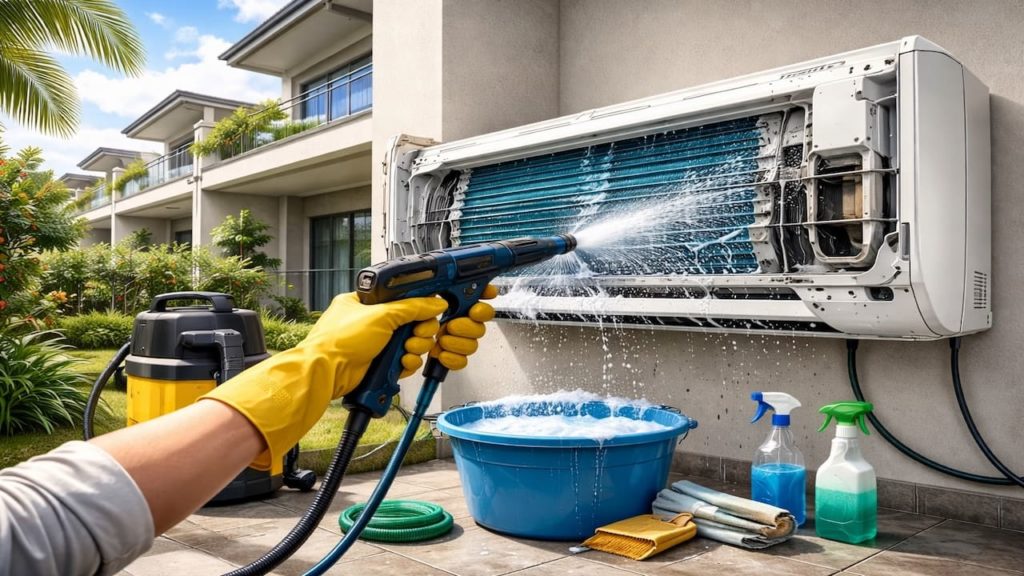
- Switch off the unit, remove the filter, wash it gently, and dry it fully in shade
- Wipe visible louvers and intake surfaces with a damp cloth and mild cleaner
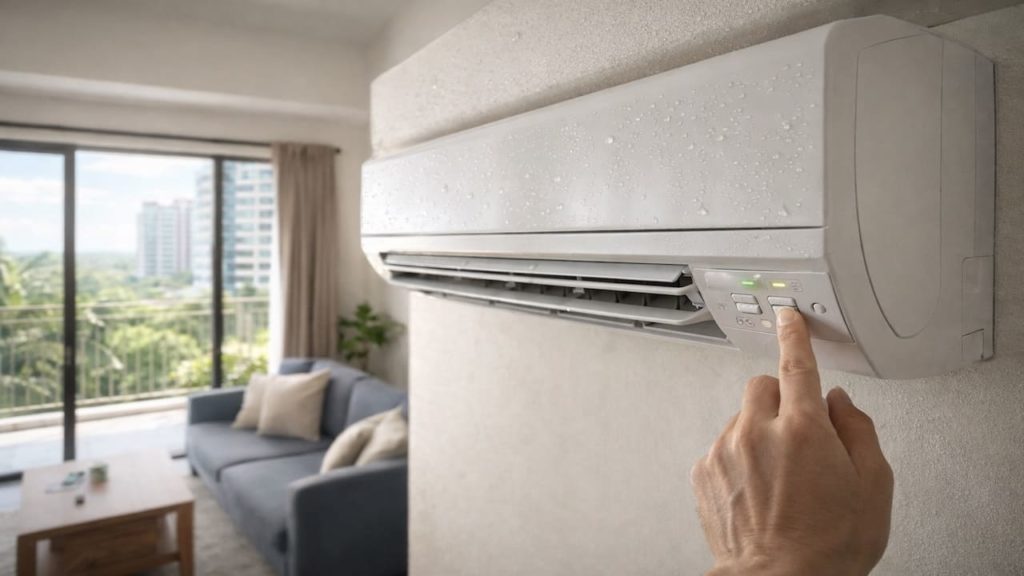
- Run Fan mode after cooling sessions to reduce moisture on the coil
- Confirm outdoor drain dripping during cooling so water is not trapped inside
- If odor returns within 3 to 7 days book a deeper cleaning for coil and drain areas
You might want to blast sprays into the unit, but poor application can worsen odor and create sticky buildup. Do the safe steps, then escalate if it persists.
5. FAQs
Q1. Is a musty smell always mold?
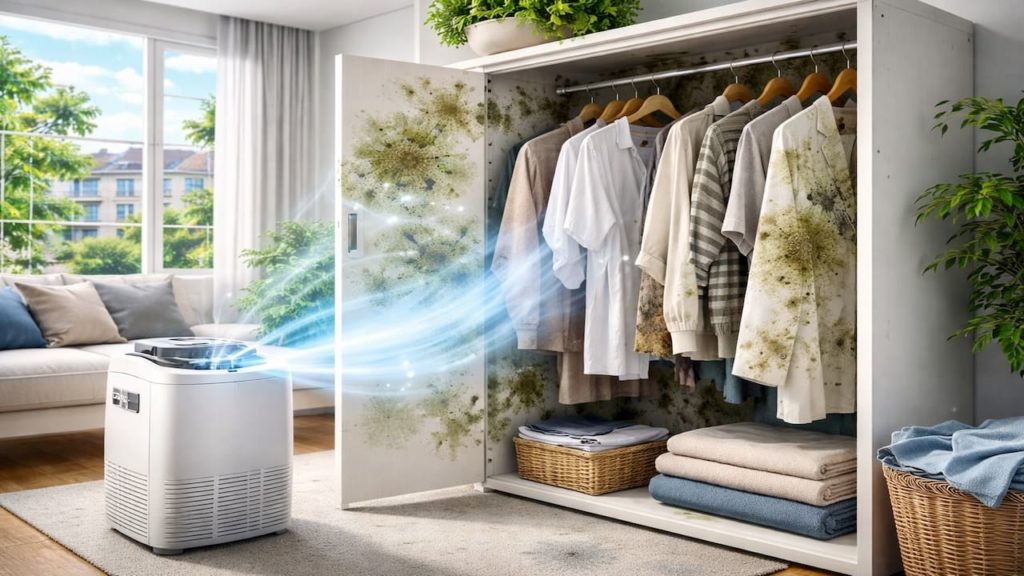
Not always but it is a strong warning sign because moisture and buildup can produce odor even before visible mold appears. Treat it as a cleaning trigger.
Q2. Why does the smell get worse on rainy days?
Humidity increases condensation and keeps surfaces wet longer, which feeds odor sources. Rainy days often reveal a drain or drying problem.
Q3. Can a dirty filter cause the smell?
Yes, filters trap dust and can hold moisture, then spread stale air through the room. Cleaning and drying the filter is the first quick win.
Q4. Should I use “anti-bacterial” sprays inside the unit?
Be careful because sprays can leave residue and do not always reach the source. Start with filter cleaning, wiping surfaces, and drying habits first.
Q5. When should I call a technician for cleaning?
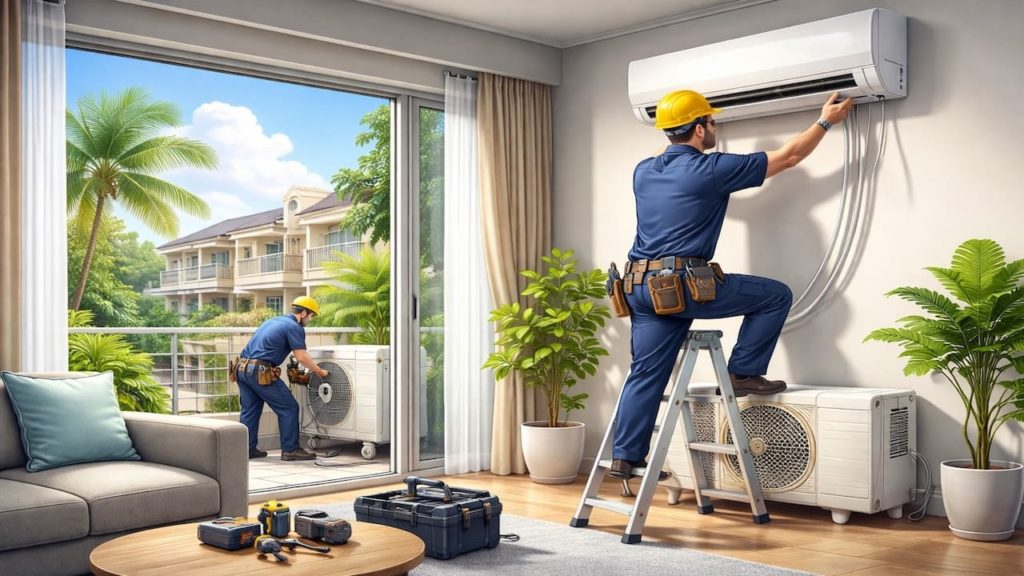
Call if odor returns quickly after proper filter cleaning, or if you see slime, heavy stains, or recurring drainage issues. A deeper coil and drain clean may be needed.
Pro’s Tough Talk

I’ve been on site for 20+ years and handled hundreds of jobs, and bad smells are almost never “mystical.” It’s moisture plus dirt, then you blow it through the room. Simple.
Causes split into 3 buckets: the inside stays wet, the drain holds dirty water, or airflow is too weak to dry anything. Steps are 3 too: clean the filter, wipe the intake and louvers, then dry the coil with Fan mode after cooling.
A smelly unit is like a wet towel forgotten in a gym bag, and like a trash bin with the lid closed for a week. One comment: stop spraying perfume like it’s a cure. Two aruaru: people never dry the filter, and people ignore the first musty whiff for months. Fix the wet-and-dirty cycle or enjoy swamp air and yeah you’ll pay for it.
Summary
Bad aircond smells usually come from moisture and dust buildup, drain issues, and room odor sources that get pulled into the airflow. The cause is findable.
If odor returns within a week after proper filter cleaning and drying habits, it is time for deeper coil and drain cleaning. Clear trigger.
Clean and dry the filter, wipe intake surfaces, confirm drainage, then read the mold risk and drain clog guides next. Remove odor at the source and the air feels clean again.