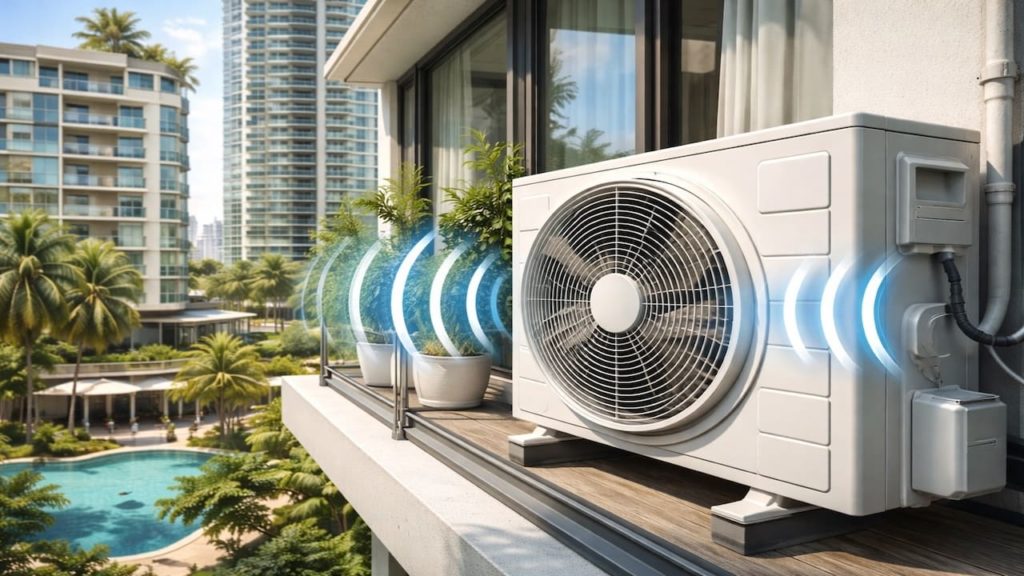
Your aircond turns on and suddenly you hear a new noise, and now every sound feels like a warning.
Some sounds are normal, but others signal loose parts, drainage issues, or electrical stress that can turn into a bigger failure.
In this guide, you’ll learn how to match the sound to the cause using 5 common noises, quick safety checks, and clear signs to stop and call for help.

Hi, I’m Ken. I write practical home guides for Malaysia—no fluff, just what works.
I hold a formal building design qualification and have spent about 20 years on job sites across hundreds of projects. My goal is simple: help you avoid costly mistakes with clear, safe steps—a quick way to decide what to do next.
1. Aircond making noise: 5 sounds
The fastest diagnosis is identify the sound type first because each noise points to a different bucket of problems.
Listen for pattern and timing—one sound is “normal start,” another is “fix it now.” Big difference.
- Rattling or vibrating noise that suggests a loose panel screw or something touching the casing
- Clicking sounds that can be normal relay switching or a sign of a struggling component
- Gurgling or bubbling that often points to drainage flow or refrigerant movement
- Squealing or high pitched noise that can indicate a blower or fan bearing issue
- Buzzing or humming that can signal electrical stress, capacitor trouble, or a loose connection
You might assume every sound means “the unit is dying,” but many noises are simple fixes like tightening panels or clearing drainage. Identify first, then act.
2. Identify the sound and act fast
To act fast without guessing, use a 2 minute sound checklist and stop if the noise suggests electrical risk.
Good notes save time if you call a technician—sound plus timing plus location is the fastest triage. Evidence.
- Note when it happens: start up, steady running, or shut down, because timing narrows the cause
- Note where it comes from: indoor unit, outdoor unit, or piping area, because location matters
- Check if cooling performance changed, because noise plus weak cooling often points to airflow or icing
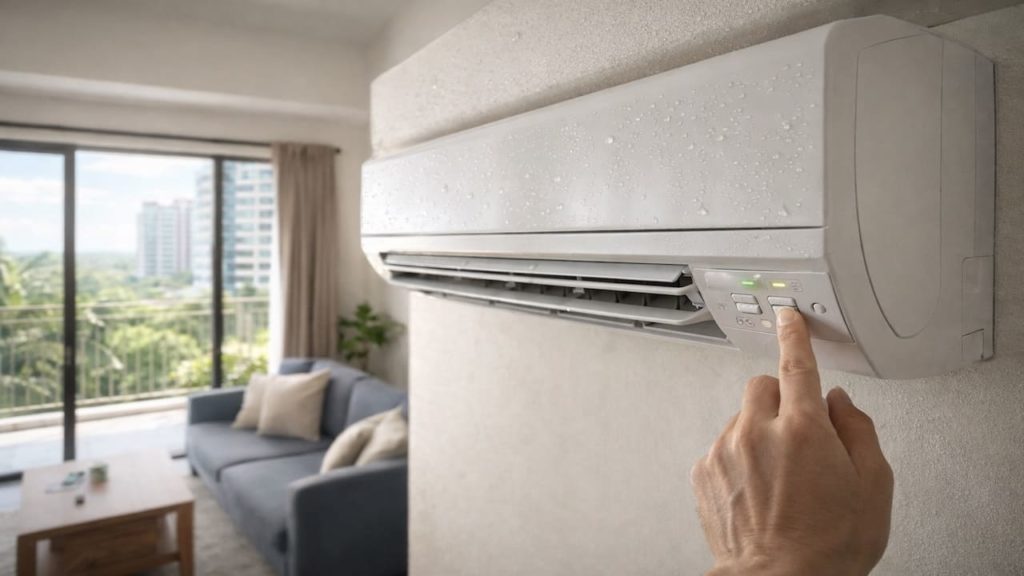
- Look for water dripping or damp marks, because gurgling often pairs with drain problems
- Stop the unit if you smell burning or hear strong buzzing, because electrical faults can escalate
Some people keep running it to “see if it goes away,” but repeating loud electrical buzzing is not a wait-and-see situation. Stop and escalate.
3. Why airconds start making noise
Noises appear when movement, water, or electricity is no longer stable inside the system.
Vibration and flow are normal, but when parts loosen, drains clog, or motors strain, your ears catch it first. Early warning.
- Loose panels and screws vibrate as the fan speed changes during cooling
- Dirty filters and restricted airflow make the fan work harder and create new sounds
- Drain tray slime or partial clogs create gurgling as water struggles to move
- Fan bearings wear and produce squeal or grinding sounds over time
- Electrical components strain and create buzzing, often before failure happens
You might think sound means the unit is old, but sometimes a new noise is just a loose screw after vibration. Check the basics first.
4. How to handle noise safely without opening the unit
The safe approach is reduce vibration and check for obvious water issues without dismantling anything.
If the noise is grinding, strong buzzing, or comes with burning smell, stop and call—do not DIY electrical work. Hard line.
- Switch off and check for loose objects near the unit that could be rattling
- Gently press the front panel and see if vibration changes which can hint at loose clips
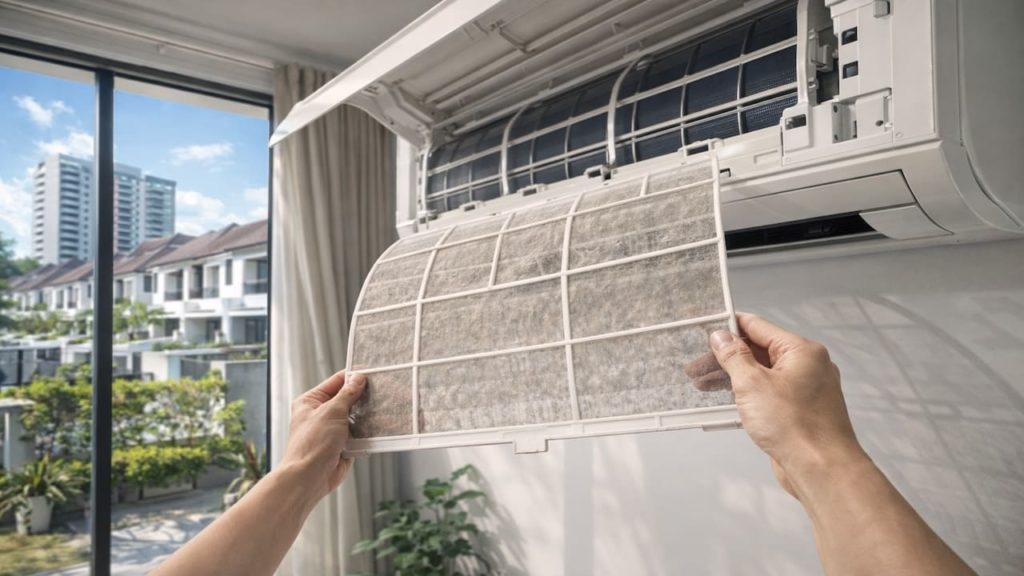
- Clean the filter to reduce airflow strain and fan stress during operation
- Check that the outdoor unit is not blocked and is sitting stable without wobbling
- If gurgling is paired with leaks check drain outlet dripping outside and clear visible debris
Some people spray lubricant or push tools into vents, but that can damage the blower or coil. Keep it external and safe.
5. FAQs
Q1. Are clicking sounds normal?
Some clicking is normal during start and stop because relays switch on and off. If clicking is rapid or paired with poor cooling, get it checked.
Q2. What does gurgling usually mean?
It often points to drainage flow, trapped water, or refrigerant movement sounds. If gurgling comes with leaks or smell, check the drain system.
Q3. What noise means I should stop immediately?
Strong buzzing with burning smell, loud grinding, or repeated breaker trips are red flags. Shut it off and call for inspection.
Q4. Can a dirty filter cause noise?
Yes, restricted airflow can make the fan work harder and vibrate more. Cleaning the filter is a safe first step.
Q5. When should I call a technician?
Call if the noise is new and persistent, if cooling performance drops, or if you hear buzzing, squealing, or grinding. Share your timing and location notes.
Pro’s Tough Talk

I’ve been on site for 20+ years and handled hundreds of jobs, and weird noises are basically your warning light—people either ignore it or panic and do nothing useful. Same cycle.
Causes split into 3 buckets: something is loose and vibrating, water flow is messed up, or an electrical part is struggling. Steps are 3 too: identify the sound, check for leaks and vibration, then decide if it’s safe to run.
A rattling unit is like a shopping trolley with one bad wheel, and a buzzing unit is like a phone charger whining before it dies. One comment: stop “testing” it for hours like it’s a podcast. Two aruaru: people never clean filters, and people ignore the first noise until it becomes a scream. Match the sound to the risk and act fast or you’ll pay for the loud lesson.
Summary
Most aircond noises fall into vibration, water flow, or electrical strain categories, and the sound type and timing tell you which one. Listening is diagnosis.
If you hear strong buzzing, grinding, smell burning, or see leaks, stop and escalate because the risk is higher than a simple loose screw. Clear trigger.
Note the sound, check filter and drainage basics, and confirm the outdoor unit is stable, then read the drain clog and weak airflow guides next. Noise is early warning use it.