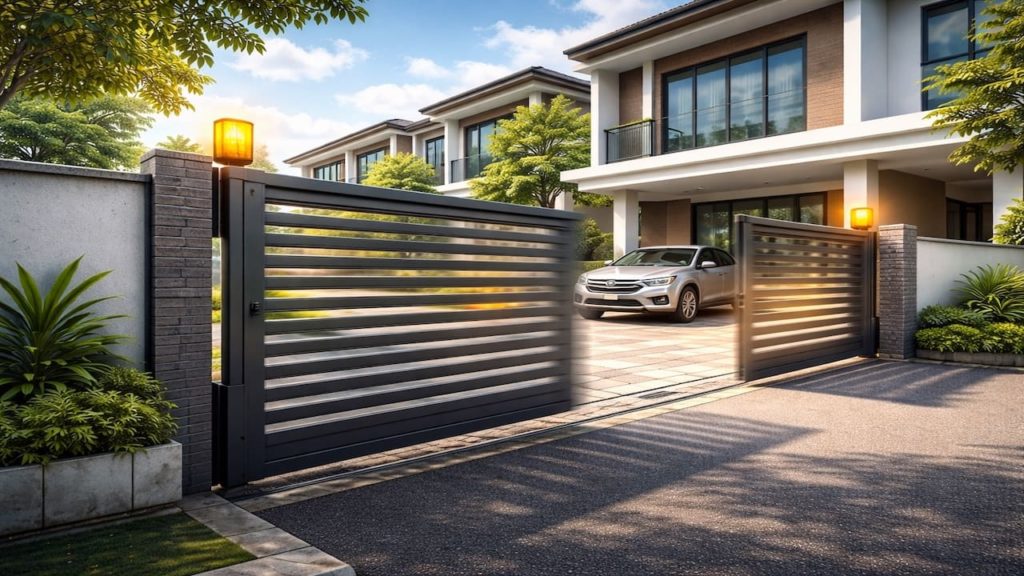
Your autogate closes too fast, and it feels unsafe, especially with kids, pets, or a car trying to enter. That speed can turn a normal gate into a hazard.
In Malaysia, humidity and heat can change friction, and some installers increase force or speed to “mask” binding. That can make closing feel aggressive and trigger safety issues. Serious.
In this guide, you’ll learn the 5 checks to slow a fast-closing autogate safely by reviewing force settings, speed trim, and the safety risks that matter in Malaysian porch environments.

Hi, I’m Ken. I write practical home guides for Malaysia—no fluff, just what works.
I hold a formal building design qualification and have spent about 20 years on job sites across hundreds of projects. My goal is simple: help you avoid costly mistakes with clear, safe steps—a quick way to decide what to do next.
1. Autogate closes too fast: 5 checks
Prioritize safety inputs before adjusting speed because fast closing plus weak safety is dangerous.
A fast close can be a setting, a reset after blackout, or an installer choice. But if sensors are dirty or misaligned in Malaysia humidity, the risk rises fast. Safety first.
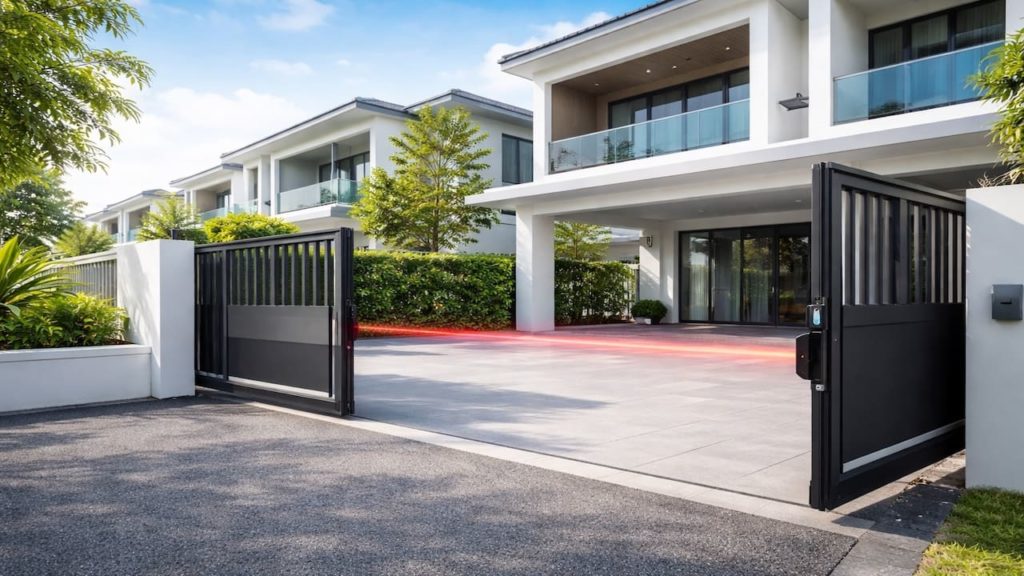
- Test safety beam stops closing every time
- Check auto close timer is not too short
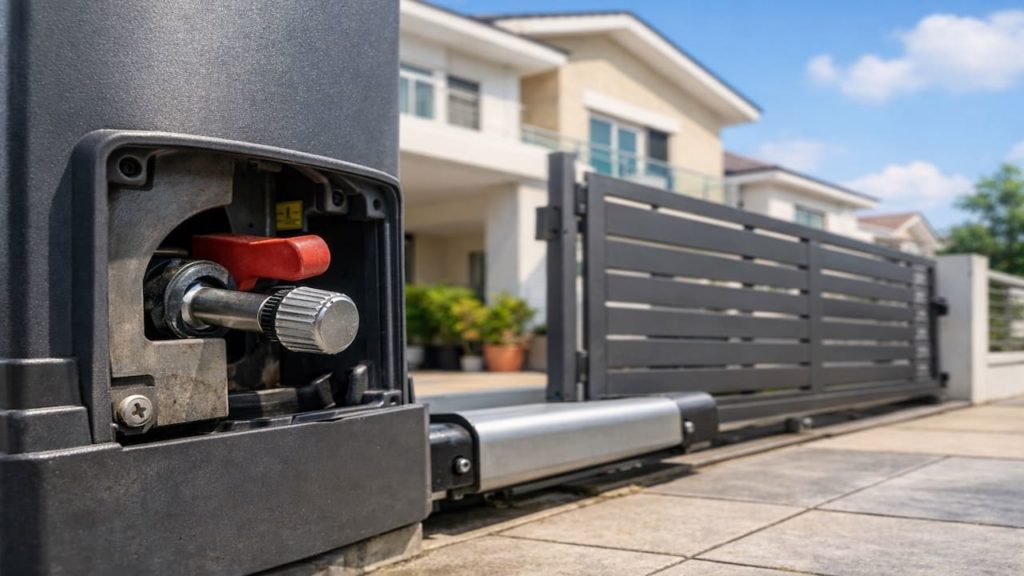
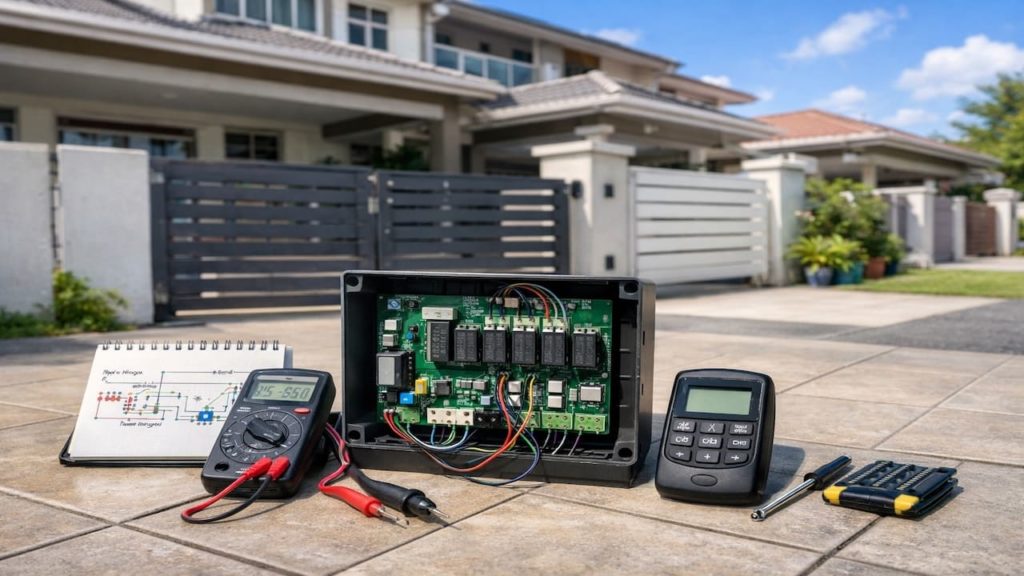
- Check close speed trim knob or menu setting
- Check close force setting not set too high
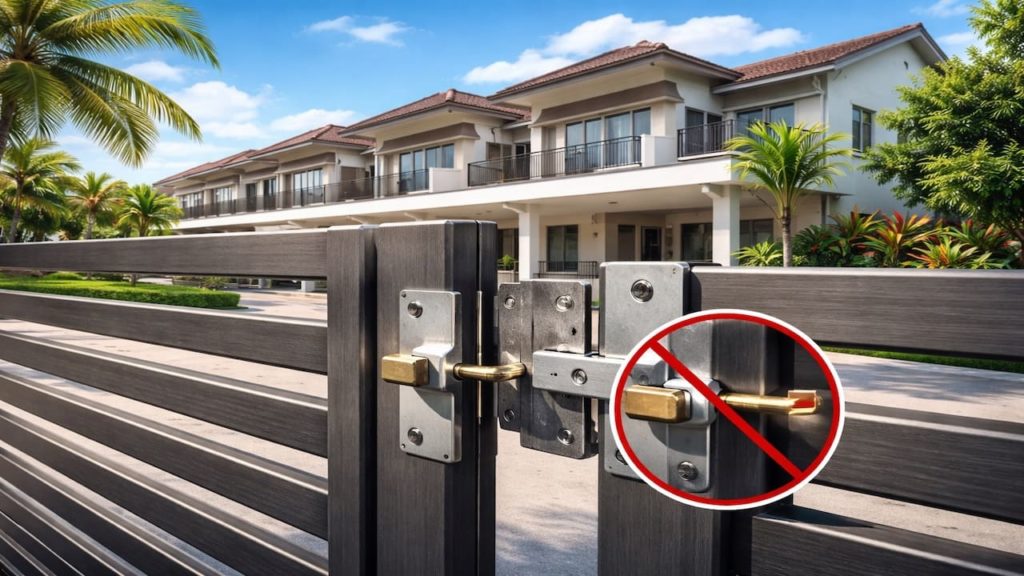
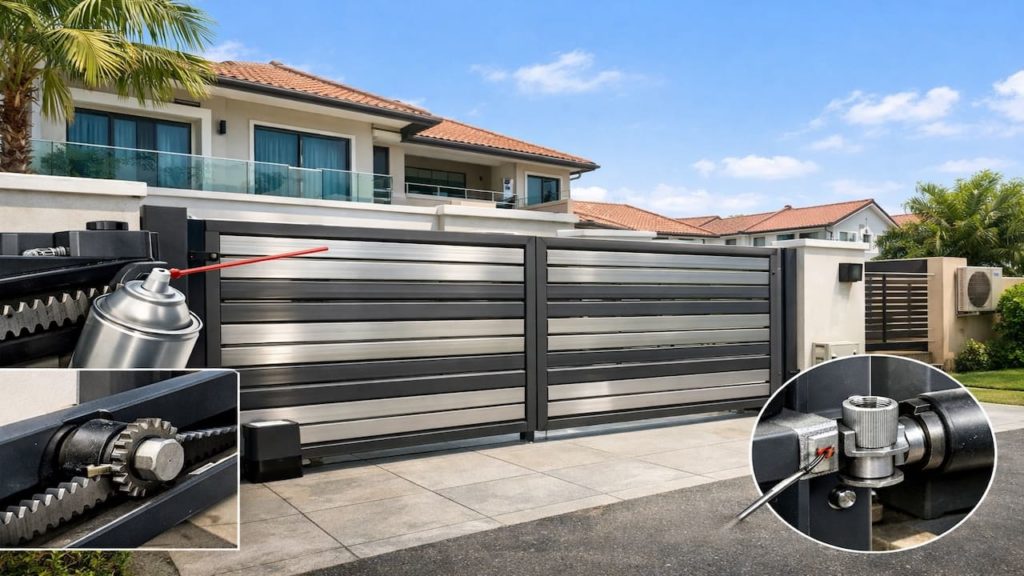
- Check gate path for binding and sudden release
You might assume it is “just speed.” But a binding point can store tension, then release, making the gate surge and slam. Fix mechanics first if the motion is uneven.
2. Force settings, speed trim, & safety risks
Too much force makes the gate close hard and unsafe even if speed looks normal.
Some control boards have separate speed and force settings, and some have one “power” control that affects both. Malaysia wet season can hide problems until a dry hot day changes friction. Settings matter.
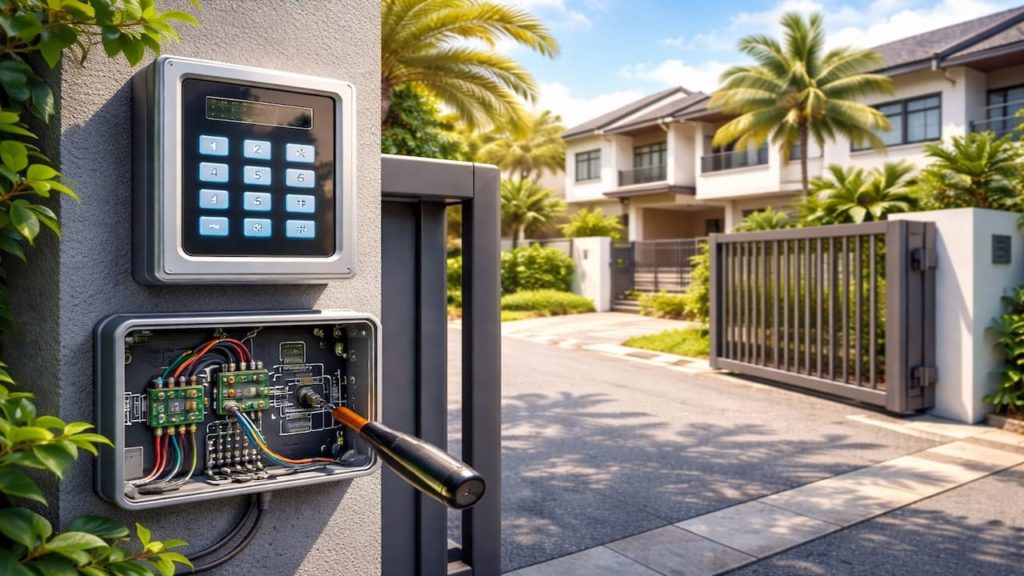
- Locate close speed trim on board or controller
- Lower close force one step then retest cycle
- Lower close speed slightly then retest twice
- Confirm soft start and soft stop are enabled
- Recheck safety beam alignment after adjustment
Some people keep increasing force to “fix” stops or jams. That is backward. If the gate needs high force, something is dragging, and speed changes will not make it safe.
3. Why fast closing is common in Malaysia homes
High humidity and rust change friction so settings get misused and the gate becomes aggressive.
Rollers, hinges, and tracks collect grit after rain, and heat expands metal. If someone compensates by boosting force, the gate can slam when conditions improve. That is why speed changes feel random. Reality.
- Increased force used to hide binding friction
- Track cleaned then gate suddenly accelerates
- Limit relearn removes soft stop behavior
- Weak sensors ignored so force was raised
- Voltage changes affecting motor response and speed
You may think “it closes faster so it is better.” Faster is not better when safety is involved. A gate is not a race car. Keep it controlled and predictable.
4. How to slow closing without creating new problems
Adjust settings in small steps and retest safety every time so you keep control and avoid lockouts.
Make one change, test twice, and write down the old setting position. Malaysia porches are damp, so do adjustments with dry hands and avoid touching live terminals. Safe method.
- Mark original trim positions before adjusting
- Reduce close speed slightly then test twice
- Reduce close force slightly then test obstacle stop
- Clean and align sensors then retest close
- Check manual travel smoothness to confirm no bind
You might be tempted to disable sensors to stop false triggers while tuning speed. That is risky, and it also hides the real safety performance. Keep sensors active and stable while you tune.
5. FAQs
Q1. Is a fast-closing autogate always a settings issue?
Often yes, but uneven fast closing can also come from binding points releasing suddenly. Inspect track, rollers, and hinges before you assume it is only a speed trim problem.
Q2. What is more dangerous, high speed or high force?
High force is usually more dangerous because it increases impact even at moderate speed. A gate with too much force may not stop properly when it hits an obstruction.
Q3. How do I know if my safety beam is working?
During closing, break the beam with your hand at a safe distance and confirm the gate stops or reopens. Safety beam reliability matters more than perfect speed in Malaysia homes.
Q4. Can power issues make the gate close faster?
Yes, voltage changes can alter motor behavior, and some boards respond differently after resets. If speed changes suddenly after storms or blackouts, check power stability and recalibration.
Q5. When should I call a technician?
If you cannot find the speed and force controls, or safety tests fail, call a technician immediately. Do not keep using a gate that closes dangerously fast with unreliable sensors.
Pro’s Tough Talk

I’ve been on site for 20+ years and handled hundreds of autogates, and a gate that closes too fast is not “cool,” it is a safety problem. Malaysia porches are slippery, kids run around, and humidity makes sensors dirty fast. This is not a joke.
3 causes, simple. First, force is cranked up to hide a binding gate, so it slams when friction drops. Second, speed trim or soft stop settings changed after a reset or “tuning.” Third, safety inputs are weak, dirty beam, misalignment, loose wires, so the gate does not react correctly. Do 3 steps. Clean and confirm safety beam works every time. Reduce force first in small steps, then reduce speed. Finally fix binding points so you do not need high power.
Don’t blame yourself, and don’t label every installer a villain, but the structure is harsh: outdoor mechanics plus wet-season dirt makes people “solve” it with more force. That is like fixing a squeaky door by slamming it harder, and it ends like a cracked frame. Also stop treating the remote like a turbo button, there is no turbo. Two classics: it closes fastest when you are carrying bags, and it behaves when you are trying to show proof. Bottom line Fix safety and reduce force before you chase speed or you are gambling with fingers bumpers and your own stress.
Summary
If your autogate closes too fast, start with safety checks, then review close force and speed trim settings, and confirm the gate path is smooth. Safety comes first.
If lowering force and speed does not create controlled motion, inspect for binding points and consider recalibration or professional tuning. Do not keep using an unsafe setup.
Make one adjustment today and retest safety every time, then continue to the next guide on reopening on close and sensor blinking—A slower controlled gate is a safer gate in Malaysia weather.