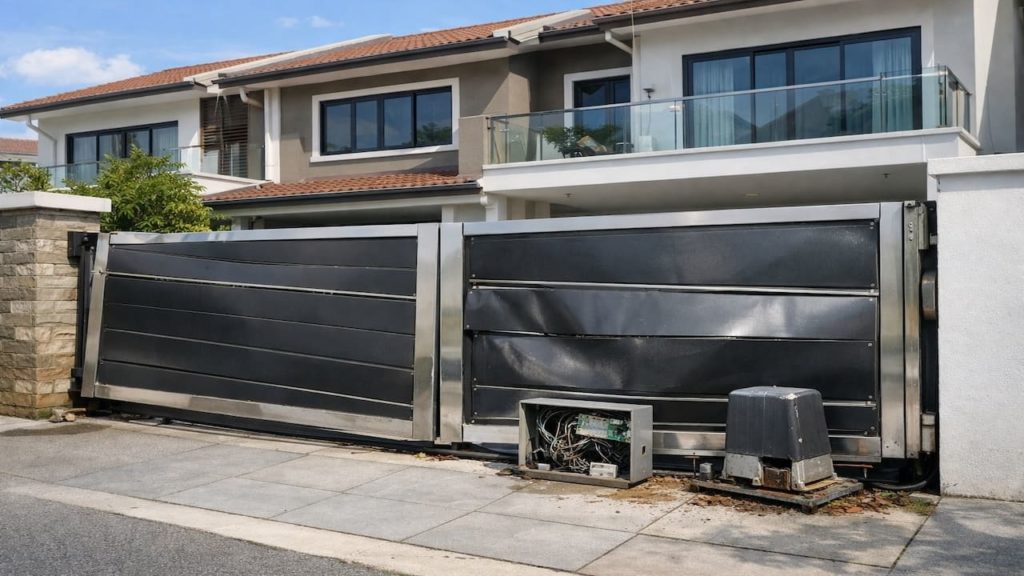
Your autogate works on normal days, then stops during rain or right after a storm. You end up stuck at the gate, wet and annoyed.
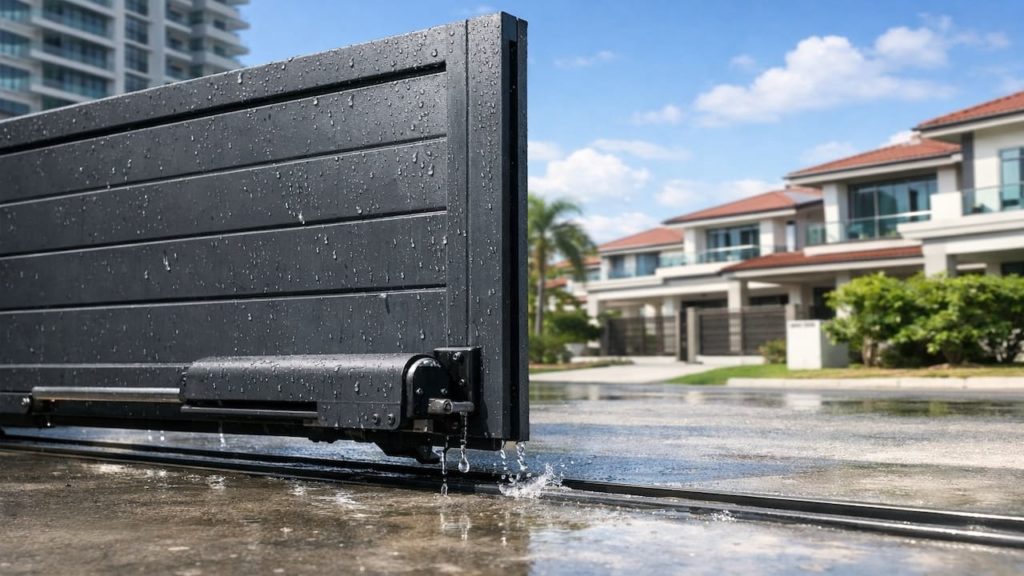
In Malaysia, heavy downpours, wind-blown spray, and high humidity push water into control boxes, sensor housings, and cable joints. The fault can look random, but rain-triggered stops have clear causes. Track it.
In this guide, you’ll learn the 5 reasons an autogate stops in rain and where water gets in plus sealing upgrades that actually survive Malaysian wet-season conditions.

Hi, I’m Ken. I write practical home guides for Malaysia—no fluff, just what works.
I hold a formal building design qualification and have spent about 20 years on job sites across hundreds of projects. My goal is simple: help you avoid costly mistakes with clear, safe steps—a quick way to decide what to do next.
1. Autogate stops in rain: 5 reasons
Rain stops usually mean water is changing an electrical signal not that the motor suddenly became weak.
Water can short terminals, flicker sensor inputs, and drop voltage through corroded joints. Malaysia rain is intense, so weak sealing shows up fast. Reality.
- Water inside control box causing voltage drop
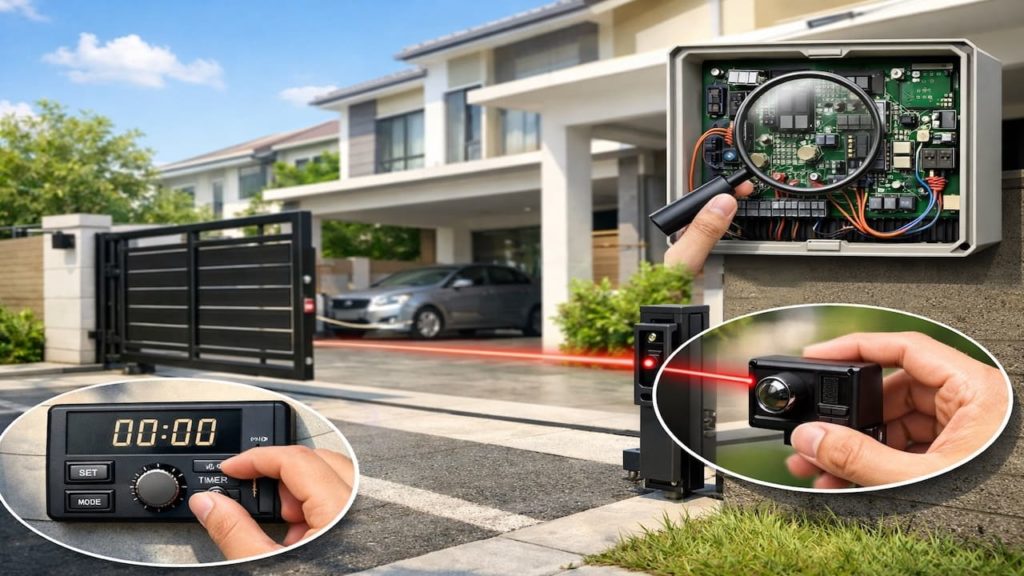
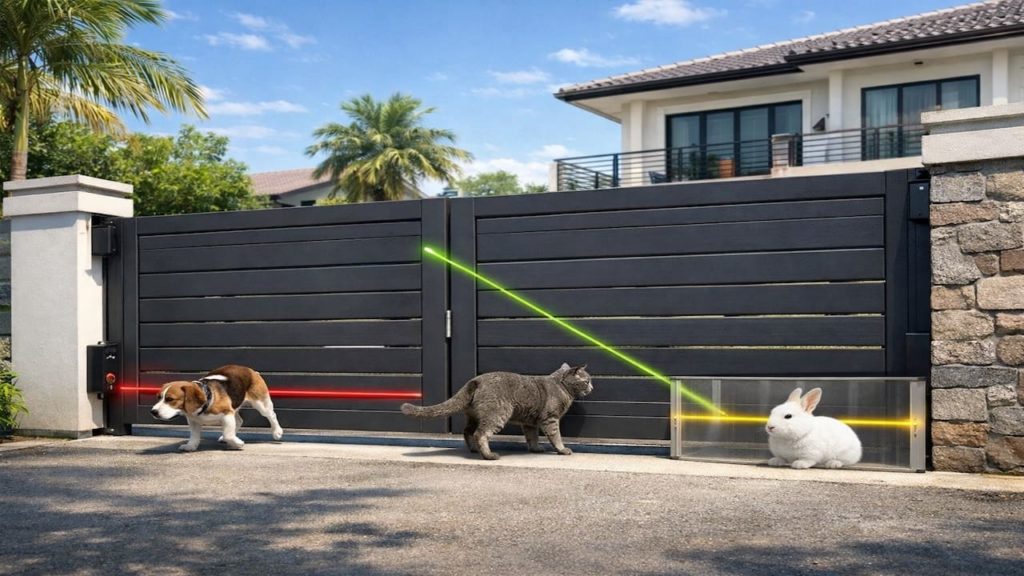
- Wet safety beam lens triggering false obstruction
- Moisture in cable joint shorting signal wire
- Adapter and fuse area exposed to splash
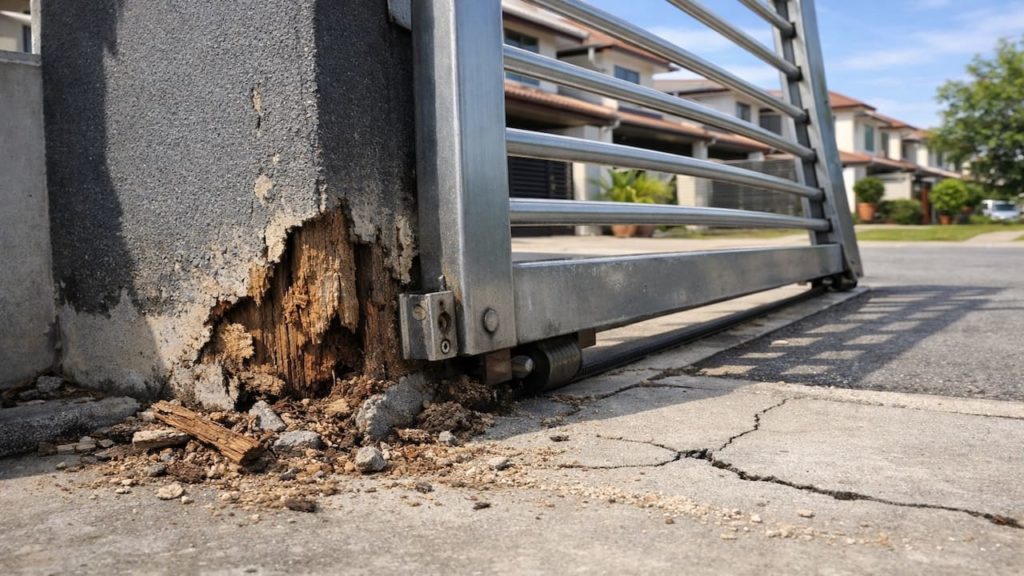
- Track debris packed by rain increasing drag
You might think “it stops because it is slippery.” Sometimes drag increases, but most rain-only stops are electrical instability, especially when LEDs flicker or the gate reopens on close. Follow the clues.
2. Water ingress points & sealing upgrades
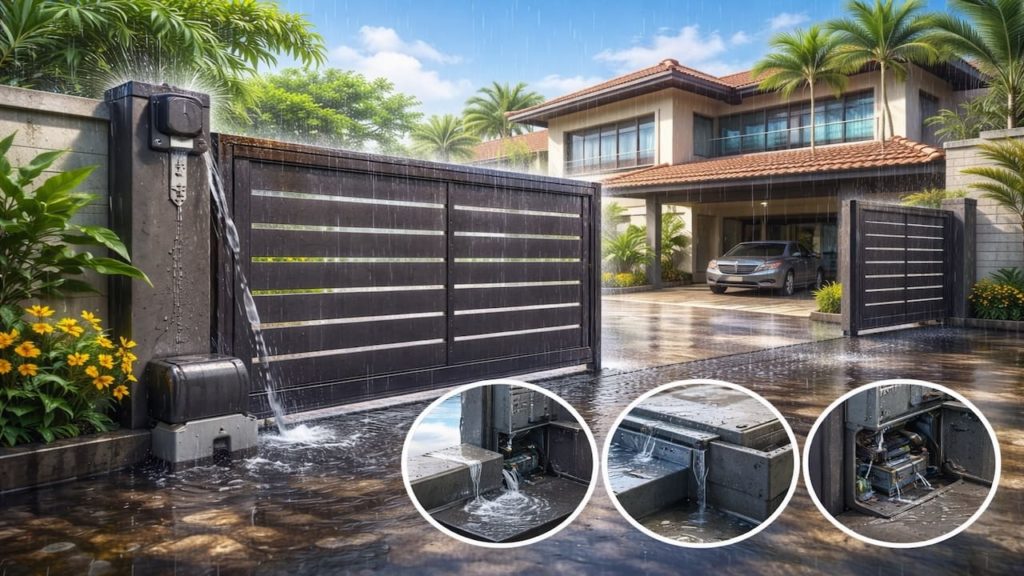
Most water enters through cable glands and box seams not through the door you can see.
Wind-driven rain travels along cables like a highway, then drips into the box through gaps. Condos and terrace houses often mount boxes under eaves, but splash still reaches them in storms. Malaysia reality.
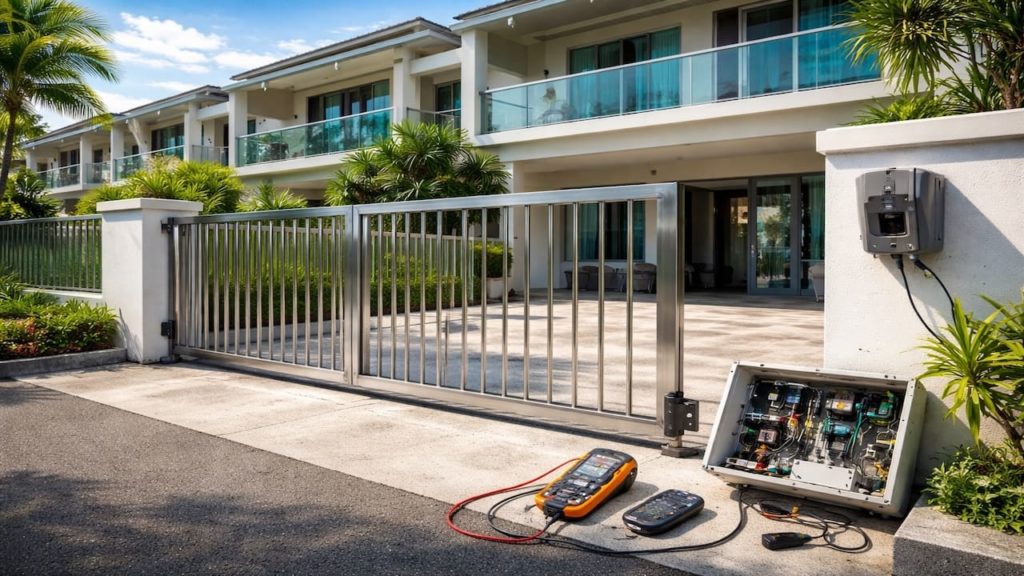
- Inspect cable gland tightness and cracked rubber
- Check box bottom holes and missing grommets
- Look for water trails and drip lines inside
- Add drip loop on cables before box entry
- Upgrade to IP rated glands and gasket seal
Some people smear random silicone everywhere. That can trap moisture inside and make future service impossible. Use proper glands, grommets, and drip loops instead. Clean sealing.
3. Why rain-related stops are common in Malaysia
Heavy rain plus daily humidity overwhelms weak enclosures and makes small gaps become failures.
Even in “covered” porches, storms blow spray sideways, and the night cooling creates condensation inside boxes. Over time, corrosion builds and rain becomes the trigger that flips it over the edge. Slow damage.
- Condensation forming inside sealed box overnight
- Sideways rain spray entering through vent gaps
- Corrosion on terminals worsening during wet days
- Ants entering via gaps and disturbing connections
- Water pooling near track creating extra resistance
You may think “it only happens in storms so ignore it.” That is the trap, because the board and relays suffer every time. Fixing ingress early is cheaper than replacing electronics.
4. How to locate ingress and upgrade sealing safely
Find the wet path first then seal the correct entry point so you do not create trapped moisture.
Do inspection when power is off and the area is dry. Malaysia porches stay damp, so dry the box before resealing and keep ventilation in mind. Controlled work.
- Power off and open box to check damp spots
- Dry with cloth then leave door open briefly
- Clean corrosion and retighten terminals carefully
- Create drip loops and reroute exposed cables
- Replace glands gasket and cracked sensor covers
You might want to fully seal the box airtight. That can worsen condensation if moisture is already inside. Dry first, then seal entry points, and keep designed vents clear if the box has them.
5. FAQs
Q1. My autogate stops only when it rains. What should I check first?
Check safety beams and control box LEDs for flicker during wet conditions. Then inspect inside the control box for water trails, damp terminals, and cable entry gaps.
Q2. Can a wet safety sensor really stop the whole gate?
Yes, a water film or misalignment can trigger a false obstruction signal. Clean lenses and add splash shielding, then confirm alignment lights stay stable.
Q3. Where is the most common water entry point?
Cable glands and bottom entry holes are the most common. Water often travels along cables into the box during Malaysian storms, so drip loops help a lot.
Q4. Should I spray water repellent or lubricant inside the box?
Avoid spraying random chemicals onto boards because it can damage contacts or trap dirt. Focus on drying, cleaning corrosion, and using proper glands and gaskets for sealing.
Q5. When should I call a technician?
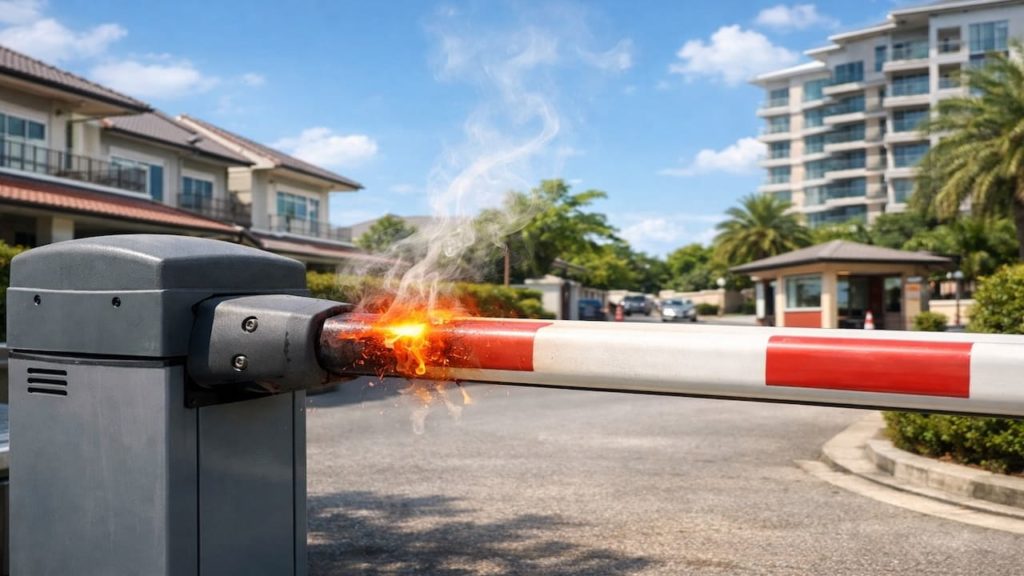
If you see pooled water, burn marks, melted insulation, or repeated fuses blowing after rain, call a technician. Electrical damage can be dangerous and may need board replacement.
Pro’s Tough Talk

I’ve been on site for 20+ years and handled hundreds of autogates, and “stops in rain” is the most Malaysia problem ever. Rain does not just fall, it attacks sideways, climbs cables, and sneaks into boxes like it pays rent. Then your gate acts dramatic.
3 causes, simple. First, water gets into the control box through glands, seams, and bottom holes and makes voltage and signals unstable. Second, sensors get wet or dirty and trigger false safety stops. Third, rain packs debris into tracks and adds drag until overload trips. Do 3 steps. Open the box after power off and find the wet trail. Dry, clean corrosion, and tighten terminals. Then add drip loops, upgrade glands, and shield sensors from splash.
Don’t blame yourself, and don’t blame the installer like a cartoon villain, but the structure is brutal: outdoor electronics plus Malaysian downpours equals failure on a timer. A bad gland is like a straw into your box, and condensation is like sweat inside a helmet. And stop doing the “wrap it with plastic bag” trick, that is comedy. Two classics: it fails only when you wear white shoes, and it works again when the sun comes out. Bottom line Fix the real ingress points and seal upgrades properly or you will keep getting soaked and annoyed every wet season.
Summary
If your autogate stops in rain, focus on electrical instability from water ingress, wet sensors, and packed track debris. Rain-triggered faults usually have a physical entry point.
If drying and sealing entry points does not change the behavior, suspect deeper corrosion, a weak adapter, or a damaged board and decide whether a technician should test voltage under load. Do not guess.
Check cable glands and add drip loops today, then continue to the next guide on random failures and sensor blinking—Stopping water entry is the cheapest long-term fix in Malaysia.