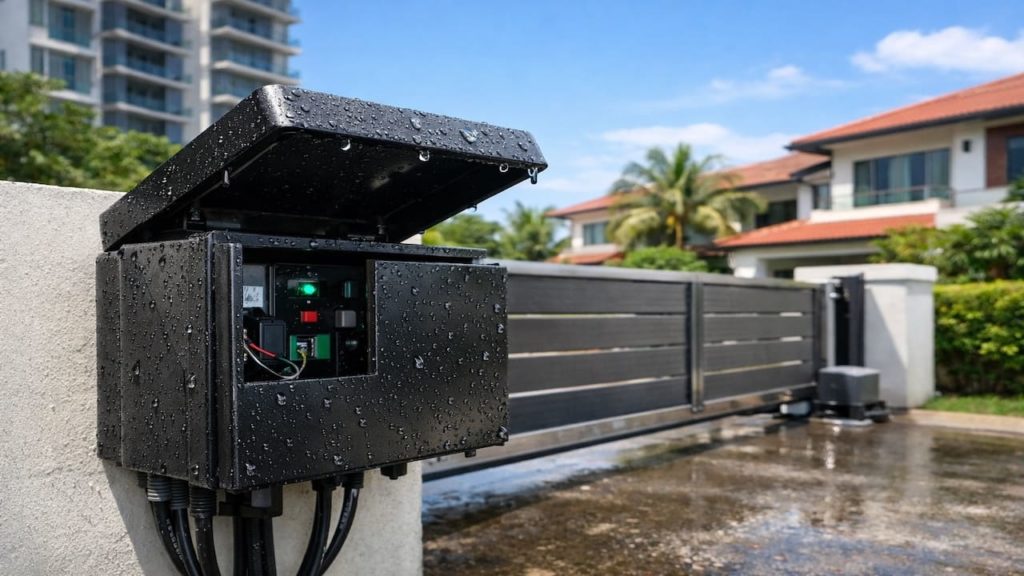
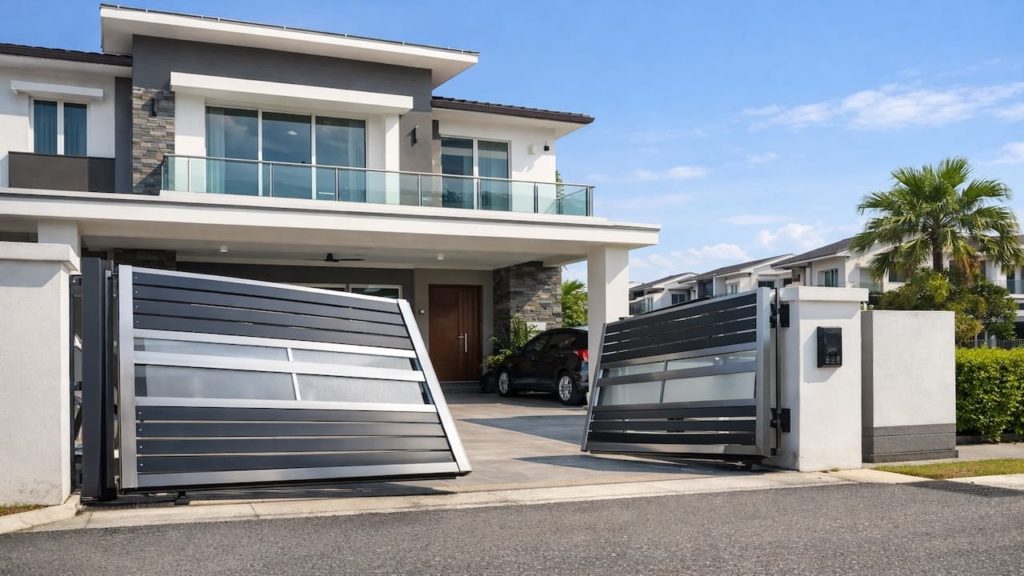
Your autogate roller squeaks, and suddenly every opening sounds like a dying shopping cart. In a terrace house porch or condo ramp, that noise feels louder than it should.
In Malaysia, humid air, dust, and sudden rain wash away lubrication and leave grit behind. A slightly misaligned gate then scrubs the roller and makes a sharp squeal. Annoying.
In this guide, you’ll learn how to stop roller squeaks without damaging the gate by choosing the right grease, checking alignment, and building a simple cleaning routine that suits tropical weather.

Hi, I’m Ken. I write practical home guides for Malaysia—no fluff, just what works.
I hold a formal building design qualification and have spent about 20 years on job sites across hundreds of projects. My goal is simple: help you avoid costly mistakes with clear, safe steps—a quick way to decide what to do next.
1. Autogate roller squeaks: 5 tips
Most roller squeaks come from dirt and dry contact.
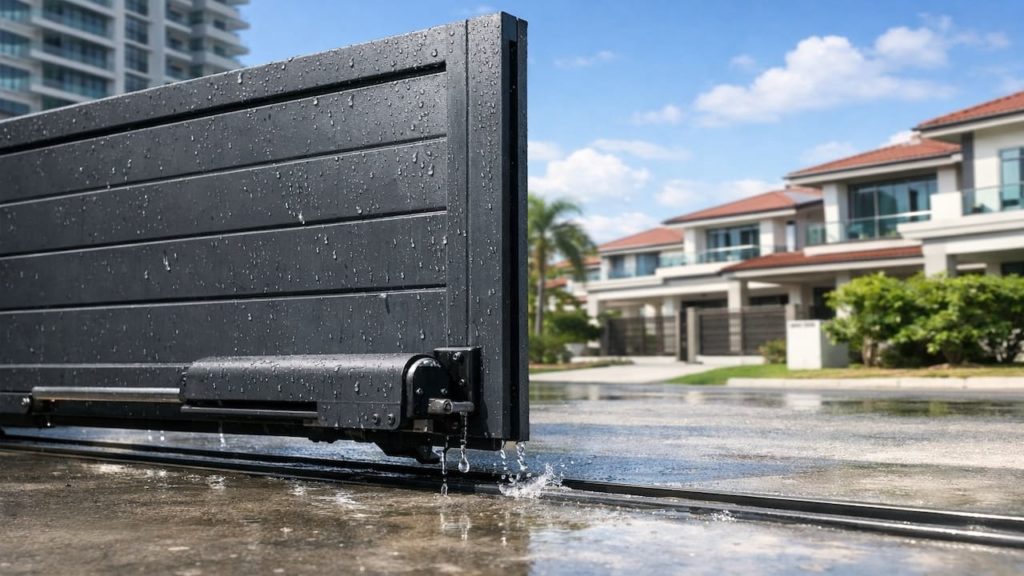
Rollers ride on small bearings and tracks, and Malaysia rain carries fine sand that turns into grinding paste—once it dries, the squeak starts fast. Noisy rollers.
- Wipe track edges with damp cloth then dry
- Brush off sand around roller housing carefully
- Spin roller by hand to feel rough spots
- Listen for squeak only at one track section
- Check roller bolt tightness with light hand force
You might think the motor is the problem, but rollers squeak even with power off. Track the sound source, clean it, then reassess. Simple.
2. Grease choice, alignment, & cleaning routine
Use the right lubricant and stop metal rubbing.
Thin oils disappear in heat and attract dust, while thick wrong grease can gum up in humidity—alignment then decides whether the roller skims or rolls. One routine.
- Use lithium grease on bearings not track surface
- Use silicone spray only on rubber dust seals
- Align track so roller sits centered without rubbing
- Clean old black paste before adding new grease
- Schedule quick wipe after every heavy rain week
You may want to over-grease everything, but excess grease grabs grit and gets louder later. Apply small amounts, then keep it clean. Discipline.
3. Why rollers squeak in Malaysia humidity
Humidity plus grit turns smooth rollers into sandpaper.
Warm moist air keeps dust sticky, then rain splashes it onto the track, and sun bakes it into hard residue—condo ramps and porch slabs amplify the sound. Physics.
- Check for puddles near track after storms
- Look for rust tint on roller bearing ring
- Inspect track paint chips where metal rubs
- Verify gate weight is balanced on all rollers
- Confirm track is level using a straight board
Some people blame cheap parts, and sometimes it is true, but even good rollers squeak when water sits and alignment drifts. Fix the environment first.
4. How to quiet the rollers and keep them smooth
Clean first then align then lubricate in that order.
Do not lubricate over grit, because you will trap abrasive paste inside the bearing—Malaysia weather makes that paste reform quickly if drainage stays bad. Order wins.
- Turn off power and secure gate from moving
- Lift gate slightly using jack and wood block
- Adjust roller bracket to remove side rubbing
- Grease bearing lightly then wipe excess off
- Test open close twice and listen for change
You might say squeaks are harmless, but squeaks often mean wear, and wear becomes wobble. Quiet is not vanity, it is longevity. Full stop.
5. FAQs
Q1. Can I spray WD-40 on the roller to stop squeaks?
It can quiet things briefly, but it also attracts dust and disappears fast in heat. Use it only as a short emergency step—then clean and grease properly.
Q2. Should I grease the whole track?
No. Greasing the track usually collects grit and makes sliding worse. Keep the track clean and lubricate the bearing points instead.
Q3. How often should I clean rollers in Malaysia?
During rainy season, a quick wipe weekly helps, especially if sand splashes onto the track. Cleaning beats lubrication for long term quiet when humidity stays high.
Q4. What if the squeak happens only at one spot?
That often means a dent, paint chip, or misalignment at that section of track. Clean the area and check for rubbing marks before changing parts.
Q5. When should I replace the roller?
If the bearing feels gritty even after cleaning and light grease, or the wheel has flat spots, replacement is cheaper than constant noise and wear.
Pro’s Tough Talk

I’ve been on site for 20+ years and handled hundreds of autogates, and roller squeaks are the warning whistle people ignore. In Malaysia humidity, that whistle turns into damage faster than you expect.
It boils down to 3 causes: grit paste in the track, alignment drift that makes side rubbing, and bearings drying out or rusting. Like a shopping cart wheel at a wet market. Same vibe.
Do 3 steps now: wipe the track clean and dry it, align the roller so it rolls straight, then add a tiny bit of proper grease on the bearing. Not on the track. Basic.
Clean and align before you add grease or you trap sand inside. That is like putting perfume on sweaty clothes, it smells better for 5 minutes then everyone hates you. Also, stop using cooking oil, genius.
You know the two classics: the squeak starts at midnight and you pretend it is the neighbor’s gate. Then you open it again to “test” and it screams louder. Keep doing that and your gate will audition for a horror movie.
Summary
Roller squeaks usually come from grit, moisture, and alignment rubbing, not the motor itself. Malaysia rain and dust turn small friction into loud noise quickly.
Use cleaning and alignment as your decision line: if the roller still feels rough after cleaning and light grease, replace it. If puddles and splash remain, fix drainage first.
Wipe the track today and re-lube the bearing lightly after alignment. Next, read our guide on autogate gate sagging to see how post movement and weight shift create roller noise.