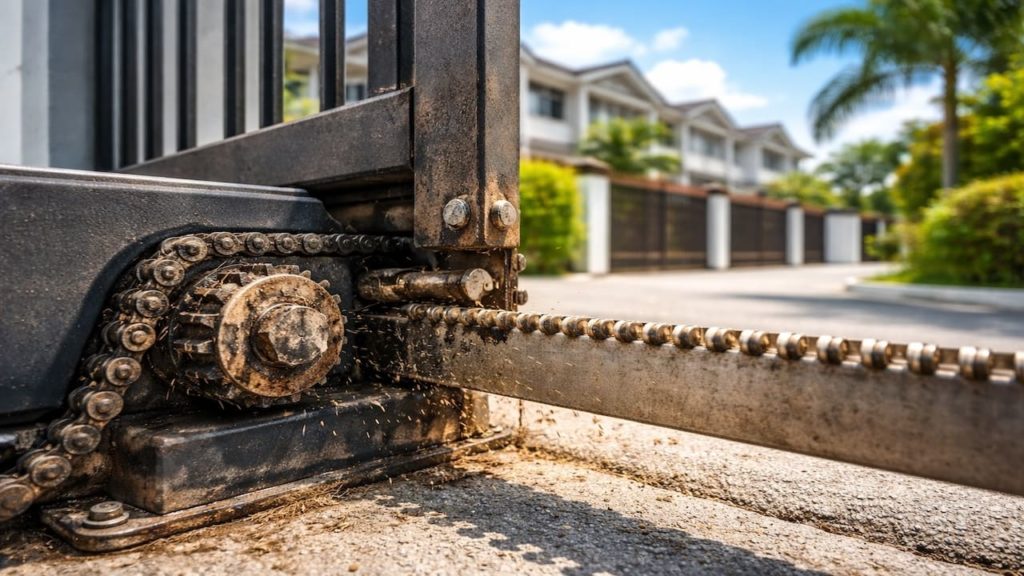
Your autogate motor area shows rust, and it makes you worry the whole system will fail next. In Malaysia heat and rain, that fear is reasonable. In a condo car park, damp concrete keeps rust alive.
Rust near the motor usually means water sits where it should drain, or moist air keeps getting inside through tiny gaps. It starts small, then spreads. Even overnight dew can sit inside covers.
In this guide, you’ll learn how to spot the rust source and slow corrosion fast with quick drainage checks and sealing tests. You will also get simple prevention that fits terrace houses and condo bays.

Hi, I’m Ken. I write practical home guides for Malaysia—no fluff, just what works.
I hold a formal building design qualification and have spent about 20 years on job sites across hundreds of projects. My goal is simple: help you avoid costly mistakes with clear, safe steps—a quick way to decide what to do next.
1. Autogate rust near motor: 5 checks
Rust near the motor is a moisture path problem.
Malaysia humidity keeps metal wet longer, so one leak or puddle becomes a rust factory—especially when the motor sits low near the driveway. Serious.
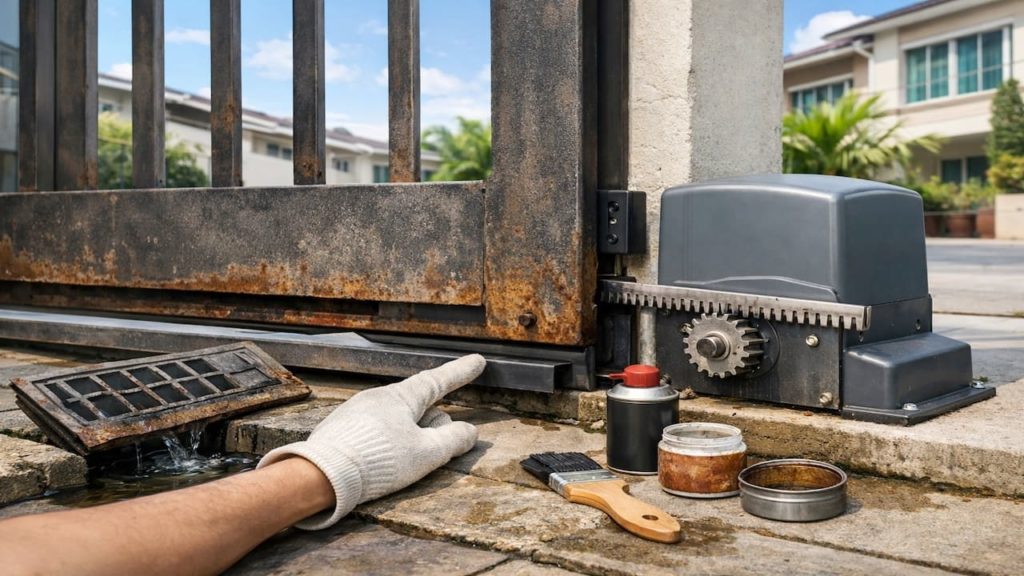
- Inspect motor base plate for standing water
- Check motor cover screws for loose sealing
- Look for orange streaks under cable entry
- Feel inside cover for dampness after rain
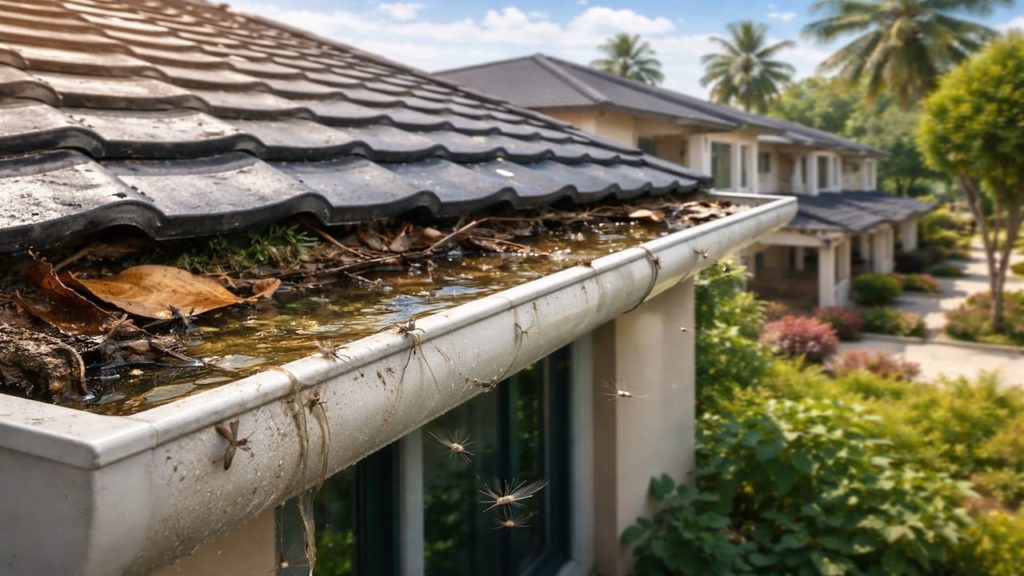
- Check nearby downpipe splash hitting motor area
You may think rust is cosmetic, but near a motor it creeps into brackets and fasteners, then alignment shifts. Stop the moisture path and rust slows down.
2. Drainage, seal gaps, & corrosion prevention
Good drainage beats fancy sprays every time.
If water can escape, rust slows down fast, and the motor runs cooler in Malaysia sun. Simple. Small gaps matter—cable holes and warped covers are common.
- Clear leaves and sand from driveway channels
- Add splash guard to redirect roof runoff
- Install rubber grommet on cable entry hole
- Replace cracked cover gasket with new foam strip
- Apply thin anti rust wax on exposed bolts
You might prefer a quick paint job, and paint helps, but paint over wet metal traps moisture. Drain and seal first, then protect.
3. Why rust forms near the autogate motor in Malaysia
Heat and wet cycles accelerate corrosion at joints.
Daily sun heats the casing, night air cools it, and water condenses inside, then rain adds more moisture. That cycle repeats for months—quietly. Relentless.
- Condensation forms inside cover during cool nights
- Rainwater pools when base plate sits too low
- Salt and dust film hold moisture on metal
- Ant nests trap damp debris around cable glands
- Dissimilar metals create galvanic spots on bolts
Some say your gate is old, so rust is inevitable. Not fully. Control the water and air flow, and you control the speed.
4. How to stop rust and protect the motor area
Stop corrosion by drying and sealing the motor zone.
Work in this order so you do not trap water under coatings—Malaysia rain will punish shortcuts. Do it once, then inspect monthly.
- Turn off power and remove motor cover
- Dry interior fully with fan airflow
- Brush rust lightly and wipe clean
- Seal cable entry and cover edges
- Coat fasteners with corrosion inhibitor film
You may worry opening the cover is risky, but access is safer than letting rust reach wiring and terminals. Dry it, seal it, then watch it.
5. FAQs
Q1. Is rust near the autogate motor an emergency?
It is not always urgent, but it is a warning that moisture is entering or pooling. Treat it early so brackets and screws do not seize.
Q2. Can I just spray WD-40 and ignore the rust?
Sprays can displace water short term, but they do not fix pooling or gaps. In humid Malaysia air, the problem returns fast if drainage stays bad. Common.
Q3. What is the best thing to do after heavy rain?
Check for puddles at the motor base and dry the cover area if it feels damp. Fixing runoff direction is usually the biggest win when storms repeat.
Q4. Will painting the motor bracket stop rust?
Only if the metal is dry and the source of water is removed. Painting over active rust can hide damage until bolts snap.
Q5. Should I replace the motor if I see rust?
Not automatically, because many motors run fine if you stop moisture and clean terminals. Replace when the casing is cracked or the shaft area is compromised.
Pro’s Tough Talk

I’ve been on site for 20+ years and handled hundreds of autogates. In Malaysia, rain hits hard and humidity hangs around like a damp towel. No joke.
Three causes show up again and again: runoff splashing the motor, and seal gaps at the cable entry. The base plate sitting in a small puddle is the third. Simple physics.
Three steps you do today: clear drainage and stop splash, then open the cover and dry it with airflow. Then seal the holes so moist air stops visiting. Do it.
Drain first then seal then protect and you win. Rust is like termites for metal, quiet at first, then suddenly everything feels loose. And that “just spray something” idea is a lazy move.
Also, everyone has that moment where the gate groans and you pretend you didn’t hear it. And the classic “I’ll fix it after rainy season” lie. Keep delaying and you pay twice. Congrats.
Summary
Rust near an autogate motor usually points to water pooling, condensation inside the cover, or seal gaps at cable entries. Malaysia weather makes these issues grow faster.
If cleaning and coating does not slow rust, use drainage and sealing as your decision line, because trapped moisture will defeat any surface treatment. Fix the source. Decide.
Do the drainage and seal checks today before rust reaches wiring. Next, read our guide on autogate stops in rain to spot the same water ingress points early.