Your autogate was serviced, and now something feels worse: slower, noisier, stopping short, or reversing too easily. If you searched this, you suspect the “service” missed something.
In Malaysia, heat and humidity change grease behavior, rain brings grit back fast, and small setting changes can turn a stable gate into a daily annoyance. It happens.
In this guide, you’ll learn the most common autogate service mistakes and how to verify them by checking part swaps, wrong lubrication, and overlooked settings in terrace houses and condos.

Hi, I’m Ken. I write practical home guides for Malaysia—no fluff, just what works.
I hold a formal building design qualification and have spent about 20 years on job sites across hundreds of projects. My goal is simple: help you avoid costly mistakes with clear, safe steps—a quick way to decide what to do next.
1. Autogate after service: 5 mistakes
The main problem is service that changes parts and settings without proper testing so the gate works once, then fails in real conditions. Typical.
A quick job can hide issues until the next rainy evening, when voltage dips and humidity rise. Malaysia exposes weak work fast — no mercy.
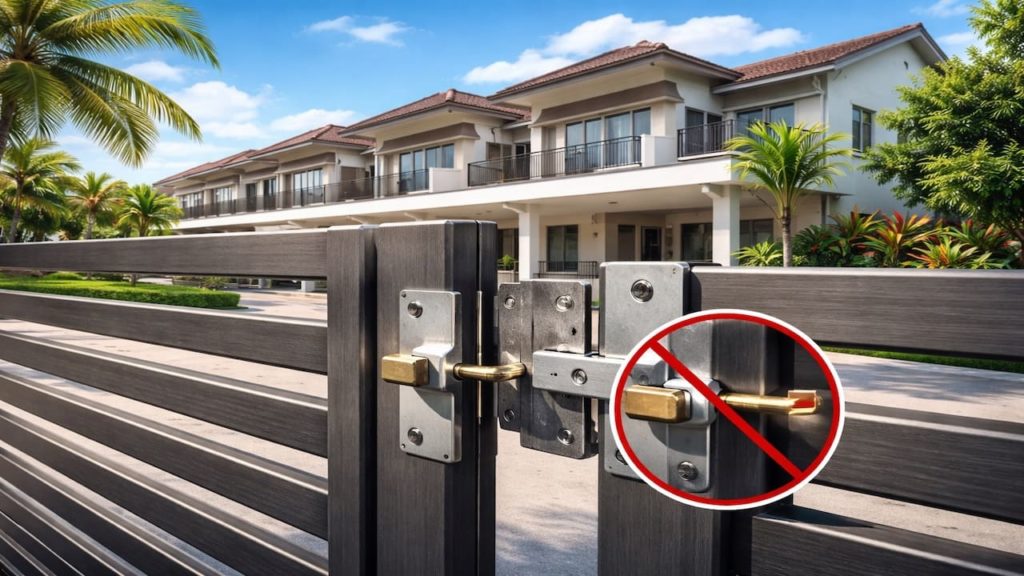
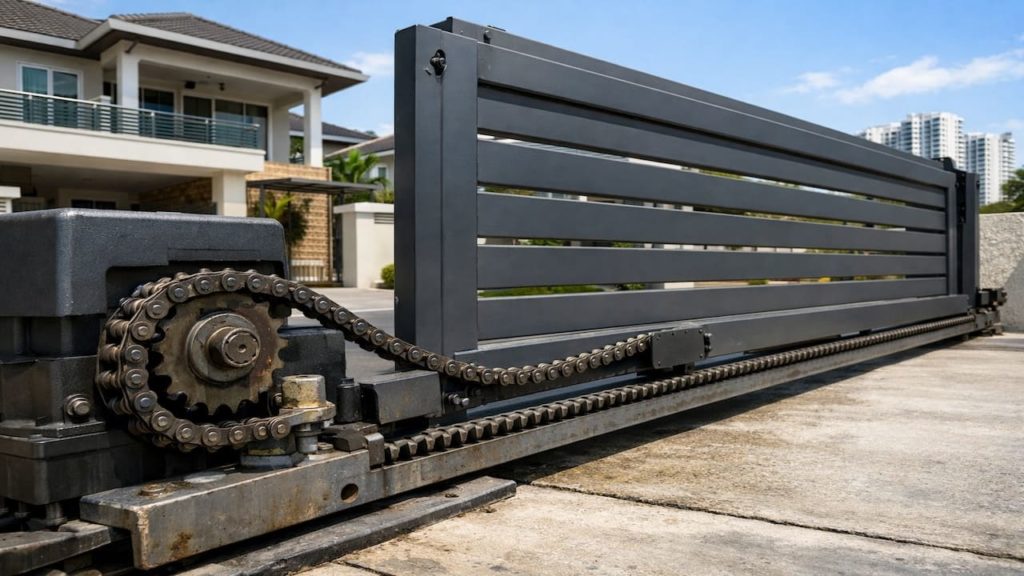
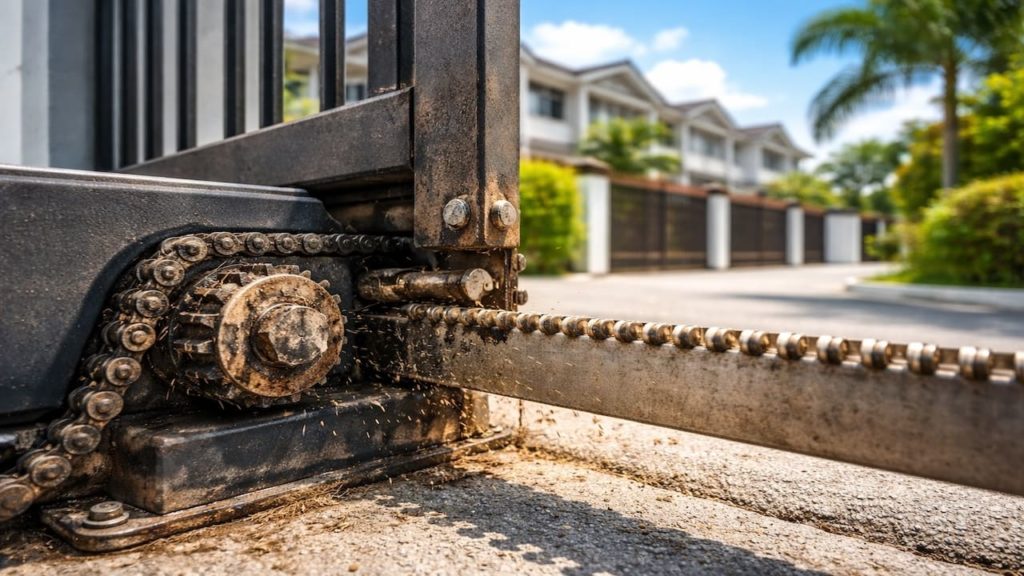
- Wrong grease applied on exposed outdoor hinges
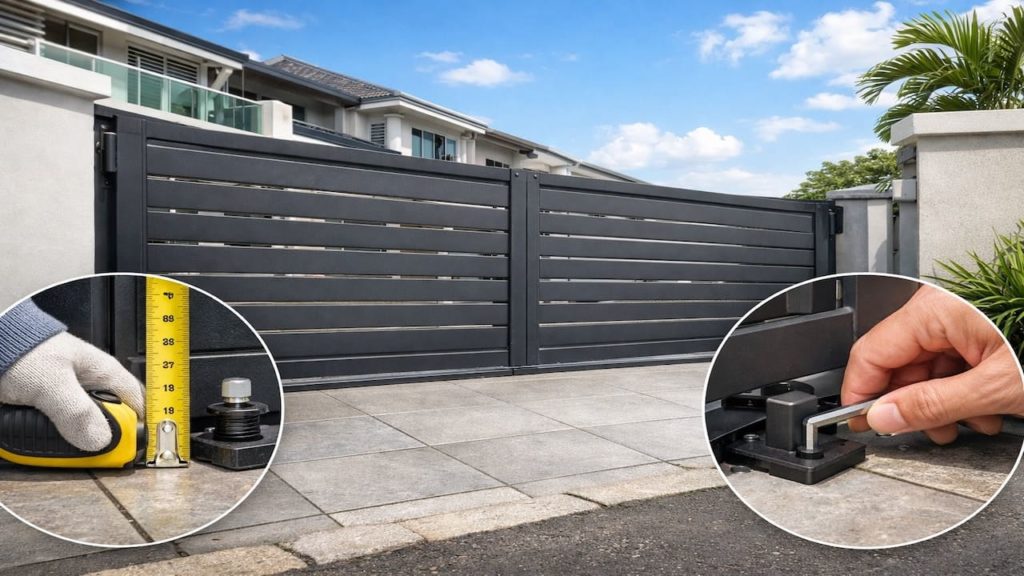
- Limit settings changed without full cycle testing
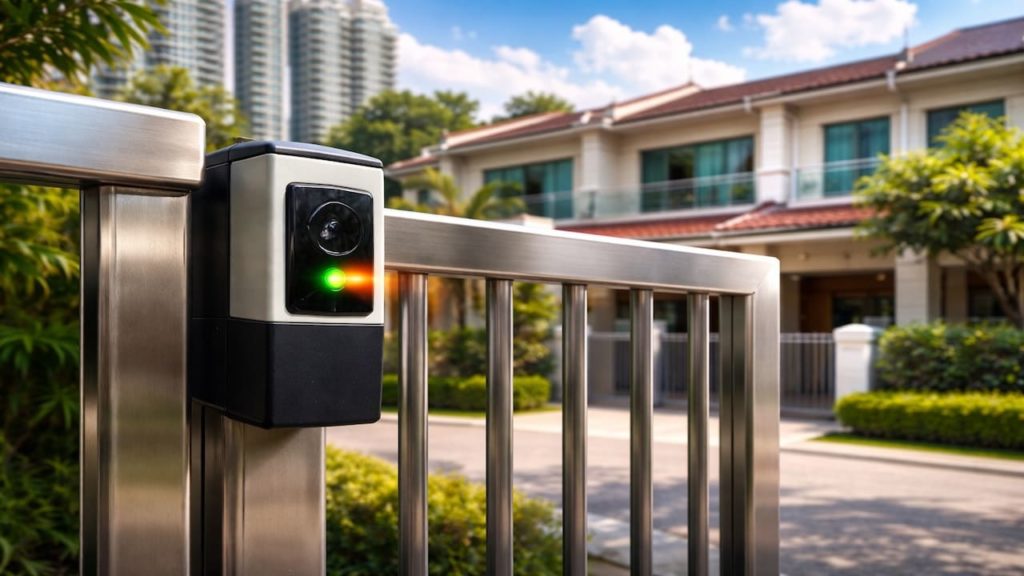
- Photocell alignment disturbed and not rechecked
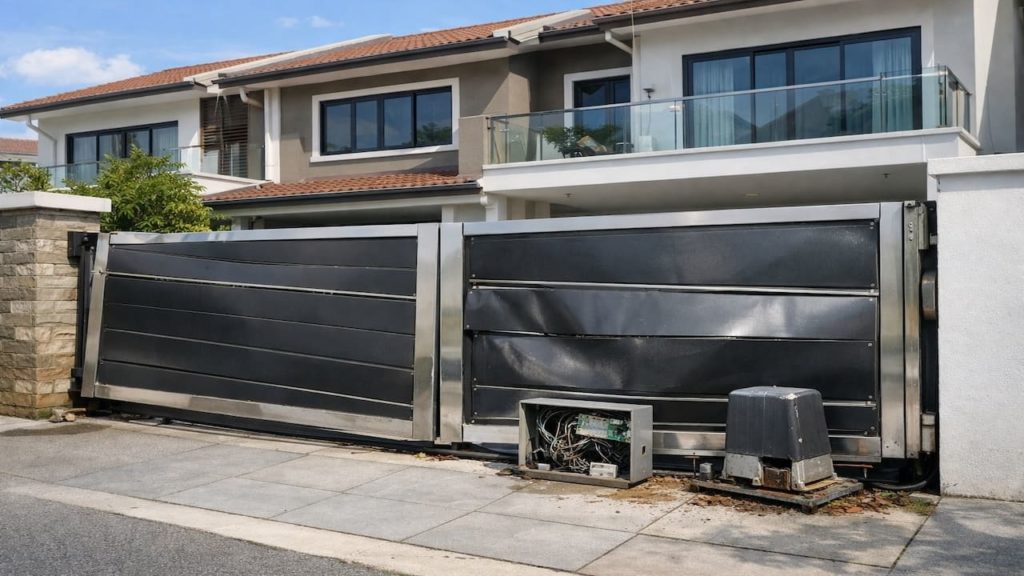
- Loose terminals left after board cover refit
- Force sensitivity raised to hide binding issues
You might think “It was serviced, so it must be better.” Service can introduce new faults, especially when techs rush. Verify the basics and you get your gate back.
2. Common part swaps & settings techs miss
The fastest win is confirm what was swapped and what was adjusted because many problems come from mismatched parts or default settings. Reality.
Some replacements look identical but behave differently, and settings often reset after a board change or power dip. In Malaysia, moisture and ants also punish sloppy sealing during service.
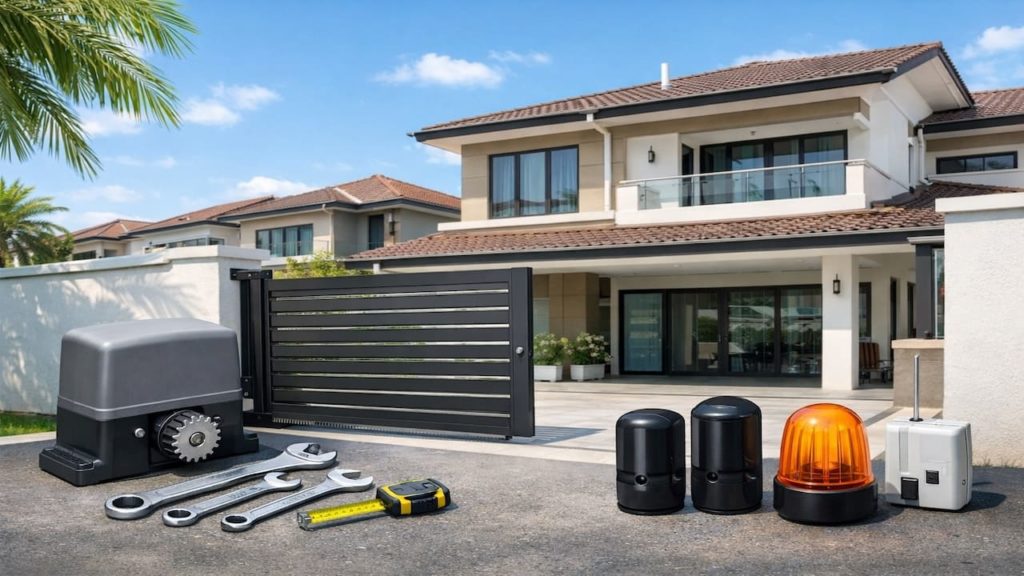
- Check capacitor value matches original specification
- Verify battery type and charging voltage are correct
- Confirm remote receiver channel and learn mode settings
- Inspect wiring order for motor and limit inputs
- Check control box sealing after technician closes it
Some techs say “Normal, it needs time to settle.” Gates do not “settle” into correct limits or wiring. If it is wrong, it is wrong. Test, correct, and lock it in.
3. Why problems appear after servicing in Malaysia
Post service issues happen because small errors show up under heat rain and load and Malaysia gives that stress test daily. Harsh.
Grease can thicken with dust, wet joints squeal, and loose terminals arc under humidity film. A rushed adjustment becomes a repeat failure. Predictable.
- Humidity film creates false sensor triggers at night
- Rain grit increases friction on rollers and hinges
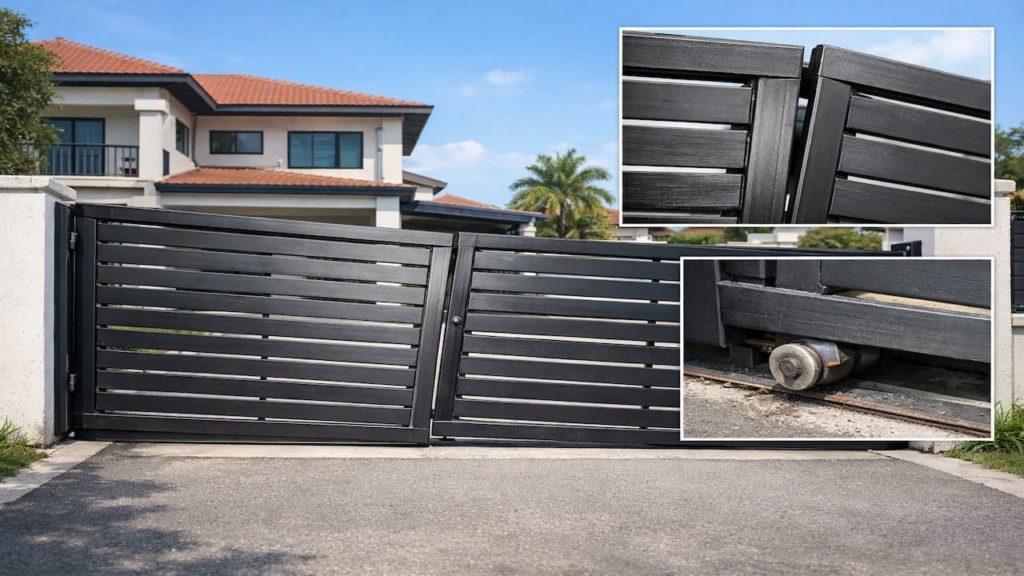
- UV heat shifts brackets causing new rubbing points
- Ants enter box after gasket left misseated
- Voltage dips expose weak power supply connections
You could argue “The technician is the expert, do not touch it.” But you can still observe and document symptoms without opening dangerous parts. Clear evidence makes the next fix faster and cheaper.
4. How to verify and correct mistakes: safe checks before calling back
Fix it by collect symptoms and run simple repeatable tests so you can point to one likely mistake, not five guesses. Clarity.
In Malaysian homes, tests must work in rain and sun, so do them at two times: midday heat and late afternoon glare. That shows sensor and torque weaknesses.
- Record a full open close cycle on video
- Note stop point changes across five cycles
- Test auto reverse with a soft foam block
- Check photocell lock LED for steady alignment
- Listen for squeak grinding or motor strain sounds
People say “Just reset everything to factory.” That can break access settings and safety configuration. Change one thing at a time, and call the tech back with evidence if needed.
5. FAQs
Q1. Is it normal for a gate to be slower right after service?
No, not if it was faster before. Slow speed usually means added friction, wrong lubrication, or sensitivity settings masking binding.
Q2. What part swap causes the most weird behavior?
Capacitor and control board swaps cause common symptoms, because settings can reset and wiring mapping can be wrong. Battery swaps can also create low voltage issues.
Q3. The gate reverses too easily after service, why?
Often the force or sensitivity was set too low, or photocells are misaligned and false trigger. Do not raise force to hide friction because that creates pinch risk and motor strain.
Q4. Should I open the controller box to check wiring?
Only if you can isolate power safely and you know what you are doing. Otherwise, document symptoms and request the technician to show wiring and settings changes.
Q5. How can I make the technician fix it properly?
Ask for a full five cycle test in front of you, and ask what settings were changed and why. Real techs do repeatable testing, not one quick close and run.
Pro’s Tough Talk

I’ve been on site for 20+ years and handled hundreds of jobs, and “after service it got worse” is not rare, it is a weekly comedy. Malaysia heat and humidity expose lazy servicing like a spotlight. Brutal.
Only 3 causes. One, wrong lube, thick grease on exposed joints turns into gritty paste after rain. Two, settings got messed, limits and force changed without full-cycle testing. Three, sloppy wiring and sealing, loose terminals and a box lid that is not seated so ants and moisture move in. Classic.
Three steps. Step 1, run five full cycles and note the exact stop point and any random changes. Step 2, test safety properly with a soft foam block and check photocell lock stability. Step 3, call the tech back with video and demand they verify parts and settings in front of you. Simple.
Here is the truth A rushed service creates new faults not new reliability because swapping parts without testing is like changing tires and forgetting to tighten the nuts. You are not picky and the tech is not always evil, but the system is cold and it punishes shortcuts.
Your gate is a “machine with a memory,” and one wrong setting turns it into a moody teenager. If the tech says “normal, give it time,” yeah that is my jab. Rainy evening and the gate beeps like it is haunted, relatable. You standing there with groceries while mosquitoes celebrate, relatable. Get it fixed properly, or keep paying for the same mistake in a loop.
Summary
If your autogate got worse after servicing, suspect wrong lubrication, changed limits or force settings, or sloppy wiring and sealing. Malaysia weather will reveal the weakness fast.
If behavior is inconsistent across repeated cycles, stop forcing it and ask for a proper recheck with a five cycle test and clear explanation of what changed. Evidence wins.
Do this now record five cycles and document the exact new symptom then request the technician to verify settings and part specs on site. If you also see wet boxes or sensor false trips, read those guides next.