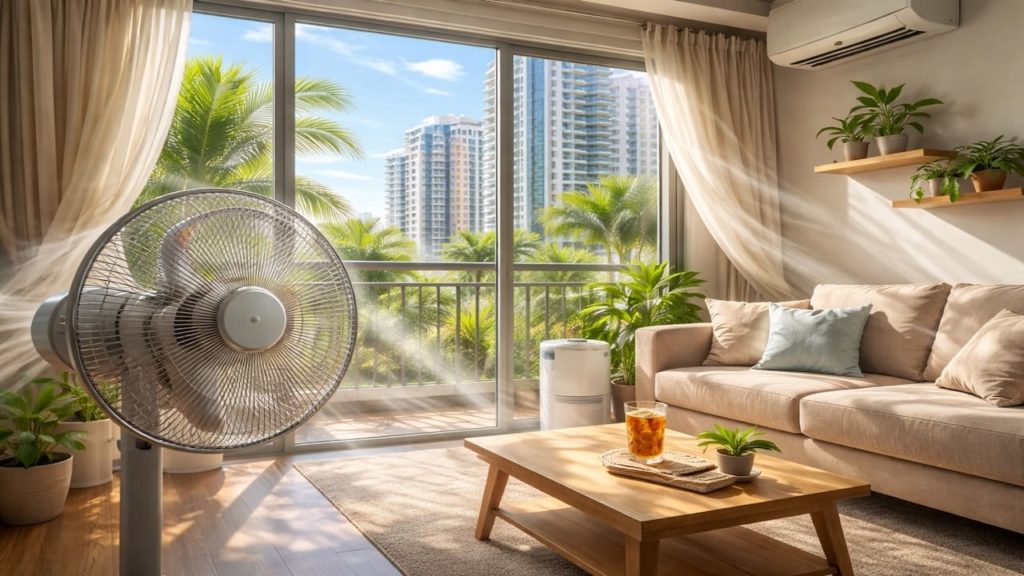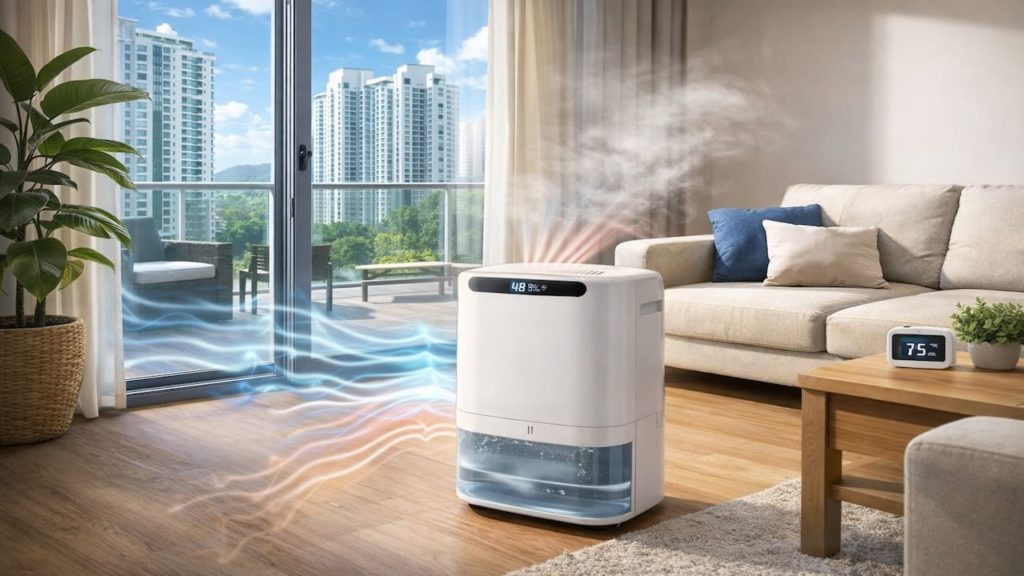
You run the dehumidifier for hours, but the tank stays almost empty and the room still feels sticky.
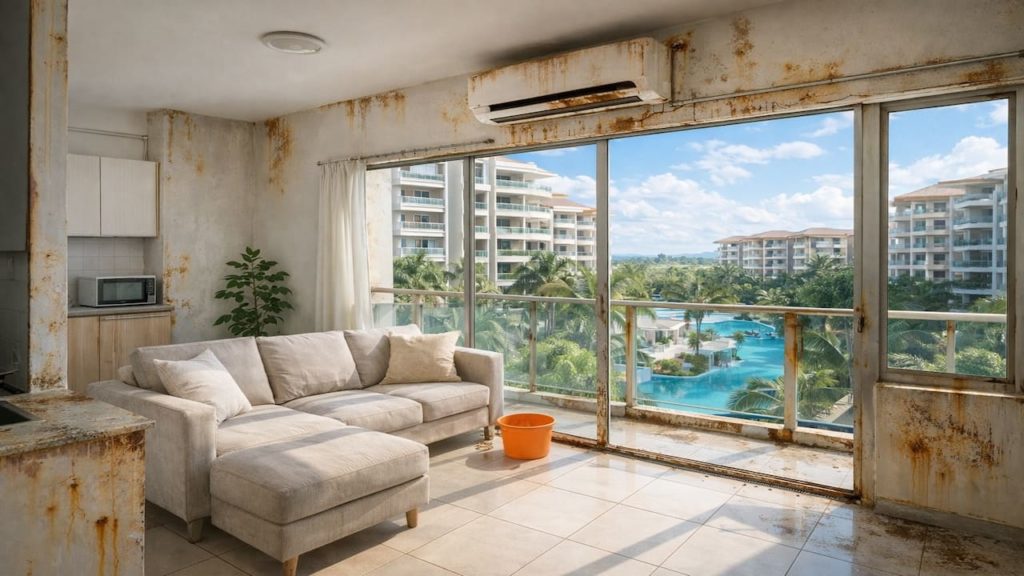
In Malaysia, humidity can stay high for days, and condos or terrace houses often leak damp air through gaps and shared airflow paths.
In this guide, you’ll learn 5 checks that make a dehumidifier collect real water so you can stop guessing and start getting dry air that actually feels comfortable.

Hi, I’m Ken. I write practical home guides for Malaysia—no fluff, just what works.
I hold a formal building design qualification and have spent about 20 years on job sites across hundreds of projects. My goal is simple: help you avoid costly mistakes with clear, safe steps—a quick way to decide what to do next.
1. Dehumidifier not working: 5 checks
Most dehumidifiers fail because the setup prevents water extraction.
In Malaysia heat and humidity are constant, yet many rooms never seal well, so the unit keeps chasing new moisture—no progress shows in the tank.
- Check the mode and target level, because a high setpoint can stop the compressor early.
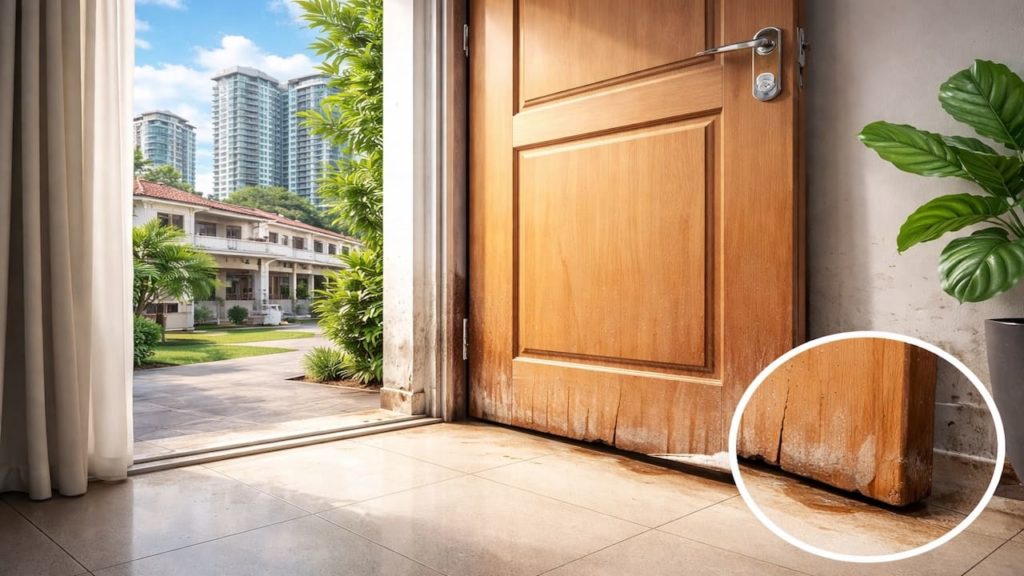
- Check doors and windows, because one small gap can refill humidity faster than removal.
- Check placement clearance, because blocked intake or exhaust kills airflow and water collection.
- Check filter and coil cleanliness, because dust and slime reduce moisture capture.
- Check the tank, float, and drain hose, because a stuck float can shut collection down.
It is easy to assume the unit is broken, but most “no water” cases are airflow, sealing, or drain issues, so fix the basics and test again.
2. Get real water collection results
Track liters collected over time to confirm real performance.
Water collection depends on starting humidity and room size, so you need a simple test that removes guesswork—especially in small condo bedrooms.
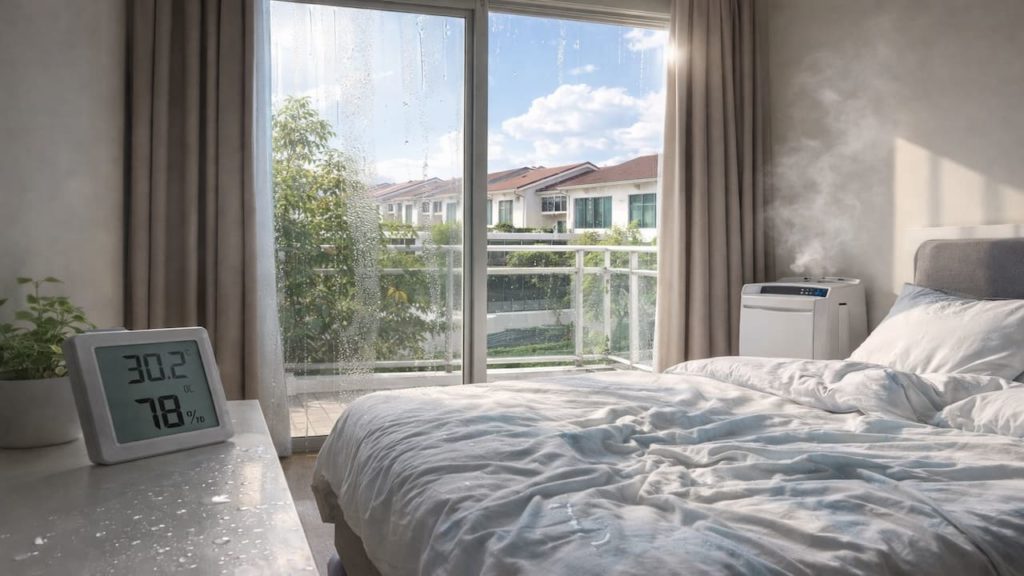
- Use a cheap hygrometer, because you need a real number not a feeling.
- Close the room for 20 minutes, then note the starting humidity and temperature.
- Run the dehumidifier on Continuous or the lowest target for 2–4 hours.
- Measure the tank level or weigh it, then divide by hours to get a clear rate.
- Repeat on a rainy day and a sunny day, because Malaysia weather shifts the baseline.
Some people expect a full tank every night, but output changes with conditions, so compare results using the same room and the same test each time.
3. Why a dehumidifier collects little or nothing
Low water collection usually means low effective humidity at the coil.
Even in Malaysia, the unit may see drier air than you think, or it may be pulling air that is too cold, too blocked, or constantly replaced—no capture.
- The room is too large for the unit capacity, so humidity drops slowly and looks like failure.
- Outdoor air leaks in through window seals, door gaps, or bathroom vents, adding moisture nonstop.
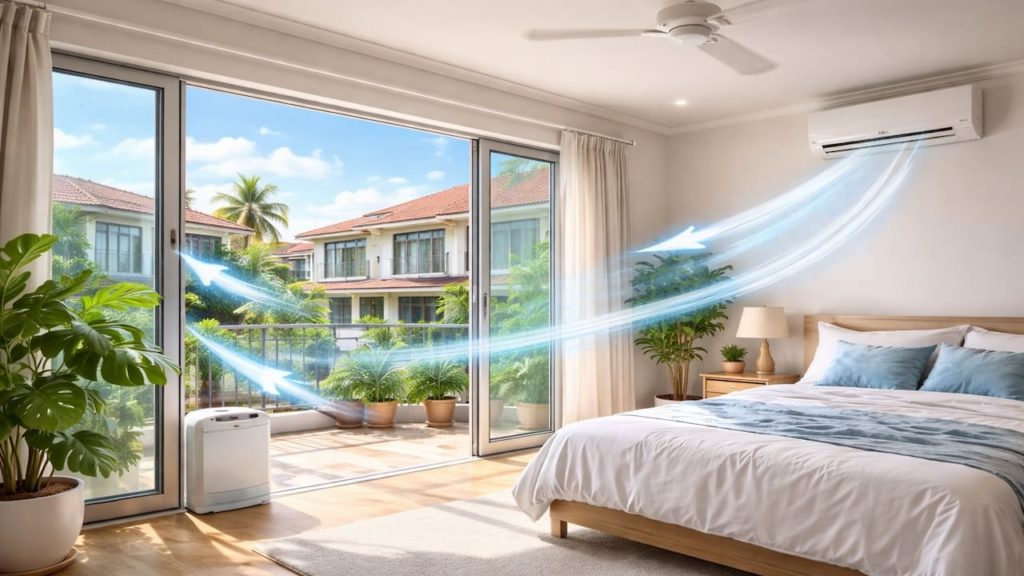
- Airflow is short-circuiting because the unit is pushed into a corner or behind furniture.
- Room temperature is low, so the coil frosts and the unit pauses to defrost.
- Hidden moisture sources exist like indoor laundry, wet towels, or a damp closet wall.
People blame the machine first, but the environment often wins, so identify the moisture feed and airflow path before replacing anything.
4. How to make a dehumidifier work better tonight
Seal one room and dehumidify it hard before you expand the area.
This approach works well in Malaysia condos and terrace houses, because it lowers humidity in a small volume first—then you maintain comfort with steady routines.
- Pick one room, close the door, and block under-door gaps with a towel for a short test.
- Move the unit 20–50 cm from walls and curtains, and keep the air path clear.
- Clean the filter and wipe visible slime, then let the unit run without interruptions.
- Set Continuous for 2–4 hours, then switch to a realistic target like 55–60%.
- After showers and cooking, keep those doors shut and run exhaust to stop moisture spread.
Some worry this is inconvenient, but one focused room gives quick proof, and once you see liters collected, you can scale the routine with confidence.
5. FAQs
Q1. How much water should a dehumidifier collect in Malaysia?
It depends on room size, starting humidity, and temperature. On wet weeks, you may collect more, but only if the room is sealed and airflow is clear.
Q2. Why does my unit run but the tank stays empty?
It may be cycling off due to a high setpoint, a stuck float, or low effective humidity at the coil. Check sealing, placement, and the tank mechanism first.
Q3. What is the fastest way to prove my dehumidifier works?
Run a 2–4 hour closed-room test and measure liters per hour—numbers settle the argument fast. If output stays near zero, focus on drainage, defrost, and airflow.
Q4. Is it okay to use a dehumidifier with aircond?
Yes, but very cold settings can reduce collection by lowering temperature. Use moderate cooling and let the dehumidifier do the moisture work.
Q5. When should I suspect a real hardware problem?
If airflow is strong, the room is sealed, the drain is correct, and it still collects nothing over repeated tests, service may be needed. Compressor or sensor issues can happen.
Pro’s Tough Talk

Listen. I’ve been on site for 20+ years and handled hundreds of jobs, and half of the “my dehumidifier doesn’t work” complaints are setup mistakes. Malaysia humidity is tough.
Split the causes into 3: the room is not sealed, the intake and exhaust are choked, and the water exit is dead. Fix it in 3 steps: seal one room and test it, move the unit away from walls to create a real air path, then check the tank, hose, and float so drainage is actually flowing. It’s like trying to fill a bucket with a hole, and like trying to dry a wet sponge without squeezing it first.
Two classics. Running it with a window slightly open, and drying laundry in the same room. Of course the tank stays empty, come on. When sealing airflow and drainage are right you will collect water. If you still get nothing, don’t rush to replace it—question your setup first.
Summary
A dehumidifier that “does nothing” is often fighting leaks, blocked airflow, or a drain problem, which is common in Malaysia condos and terrace houses.
Do the 5 checks and run a closed-room test—measure liters per hour so you know what is real and what is setup noise.
Start with one sealed room, clear the airflow path, and confirm drainage—real results appear when moisture has no way back in.