You wake up sneezing, your eyes feel itchy, and your nose reacts the moment your face hits the pillow.
In Malaysia, humidity, warm nights, condo airflow limits, and rainy-season laundry habits can all stack up and make dust mites feel unstoppable. Not your fault.
In this guide, you’ll learn how to reduce mite-friendly moisture in bedding, what to change first, and how to keep it simple. Turn your bed into a dry hostile place for mites.

Hi, I’m Ken. I write practical home guides for Malaysia—no fluff, just what works.
I hold a formal building design qualification and have spent about 20 years on job sites across hundreds of projects. My goal is simple: help you avoid costly mistakes with clear, safe steps—a quick way to decide what to do next.
1. Humidity and dust mites: 5 tips
In Malaysia’s humid condos, keep bedroom humidity under 55 percent to slow dust mites and make night breathing feel less itchy.
Dust mites don’t drink water, but they thrive when fabric holds moisture—your mattress and pillows become a tiny wet habitat. Tiny pests. Use a cheap hygrometer and trust the number, not your skin’s guess—your body adapts fast.
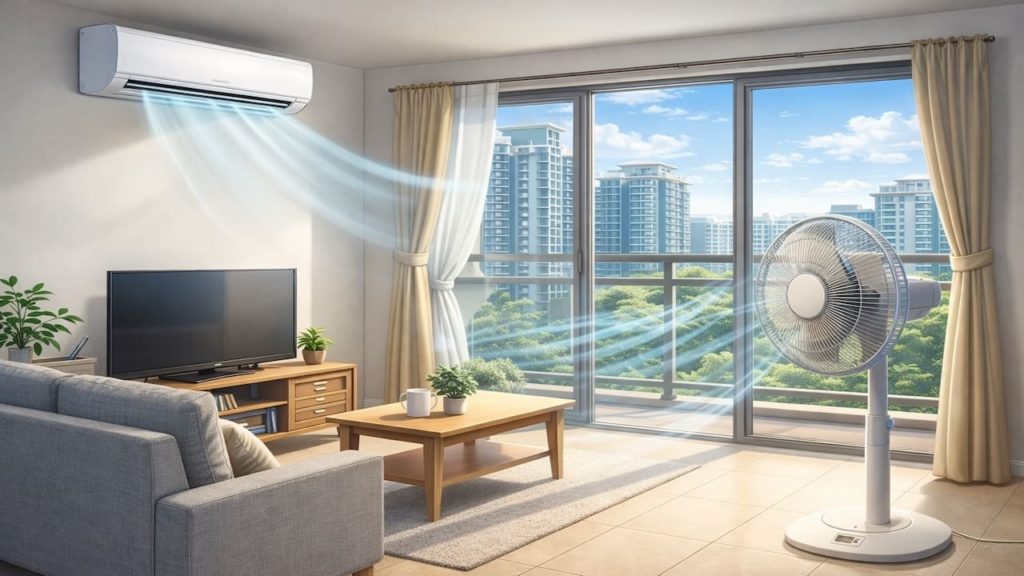
- Run AC Dry mode for 1 to 2 hours in the afternoon to pull moisture from the room air
- Keep the bedroom door closed while drying so the dehumidifying actually concentrates where you sleep
- Stop drying damp laundry in the bedroom during rainy season because it spikes humidity for hours
- Lift the blanket and fold it back each morning so the mattress surface can vent out sweat
- Use a small dehumidifier or moisture absorber in tight condo rooms with weak cross-ventilation
“But my room feels fine and I clean often.” That feeling lies in tropical weather, because bedding can stay damp even when the air seems normal. Moisture is the multiplier, not visible dust, so target humidity first and your cleaning starts paying off.
2. Make bedding less allergen friendly
In warm rainy-season terrace houses, wash sheets weekly and fully heat dry them to cut mite food even when the air feels sticky.
Mites feed on shed skin and leave allergen particles behind, so the goal is simple: remove food and dry the habitat. Reality check. Heat and full drying matter more than fancy detergents—follow fabric labels and aim for the hottest safe wash and dry.
- Wash sheets and pillowcases weekly using the hottest setting the care label allows
- Dry completely, not “almost dry,” because slightly damp fabric keeps the mite cycle alive
- Add zippered mite-proof encasements for mattress and pillows to block allergen build-up inside
- Wash blankets on a rotating schedule so you always have one fully dry set ready in wet weeks
- Vacuum the mattress surface slowly before making the bed to pull dust from seams and edges
“I can’t do hot washes or I share laundry in a condo.” Fair point, and you still have options: encasements plus full drying plus regular vacuuming hits the same weak points. Keep the routine small, but keep it consistent.
3. Why humidity makes dust mites worse
In Malaysia’s high humidity, dust mites multiply when bedding stays damp for hours because sweat never fully evaporates overnight in small condo bedrooms.
Humidity changes the whole game because mites need a moist micro-environment near fabric, not fresh air near the ceiling. Microclimate. When nights are warm, people sweat more, and when airflow is weak, that moisture stays trapped—especially in thick pillows and foam mattresses.
- Foam mattresses and thick toppers hold heat and moisture longer than you expect in tropical nights
- Closed windows and safety grills can reduce cross-breeze, so moisture lingers inside the bedroom
- Rainy season makes sun-drying harder, so blankets stay “kind of dry” and mites keep thriving
- Indoor drying racks add liters of water into the air, which ends up inside your bedding
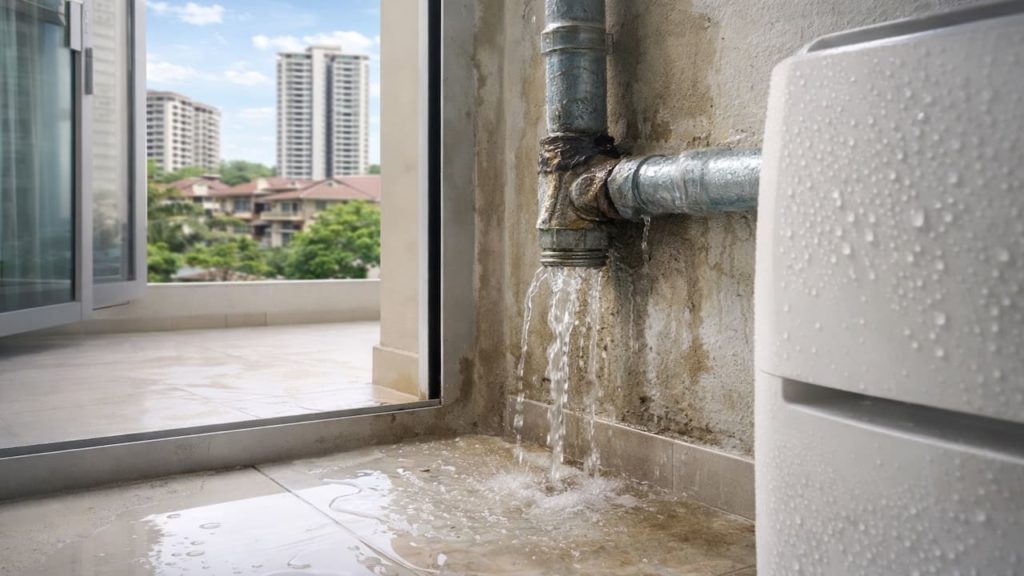
- Hidden leaks or bathroom steam drifting into bedrooms raise baseline humidity without obvious puddles
“I mop, I wipe, I vacuum, so mites shouldn’t be a problem.” Cleaning helps, but it can’t fix damp fabric, and damp is where mites win. Control moisture in bedding and the population drops, then your cleaning finally seals the deal.
4. How to make bedding less mite friendly fast
For Malaysia rentals, build a simple weekly routine that dries bedding and removes dust so mites stop finding an easy home.
Start with measurement, then routine, then upgrades, in that order. Consistency wins. One small habit beats one big “deep clean” once a month—tropical humidity resets your bed every single night.
- Measure bedroom humidity for 3 days and aim to keep it under 55 percent most of the time
- Air out the bed every morning by folding bedding back for 20 minutes before you make it
- Wash and fully dry sheets weekly, then rotate blankets so nothing sits damp in a basket
- Use encasements on mattress and pillows to trap allergens and make cleaning faster in condos
- Vacuum mattress seams and the floor edges near the bed because dust collects where airflow is weakest
“I’m busy and this sounds like too much.” Then do the minimum: measure humidity, fully dry sheets, and vent the bed daily, and you’ll feel a difference fast. Keep it simple, keep it dry, and mites lose their home.
5. FAQs
Q1. Does lowering humidity really reduce dust mites?
Yes, because mites need a moist microclimate in fabric, which is common in Malaysia’s warm humid homes. Dry bedding breaks the mite cycle faster than extra cleaning. Start with a hygrometer so you’re not guessing.
Q2. Should I buy a dehumidifier for the bedroom?
If your room stays humid even with AC, a small unit can help, especially in tight condos with weak cross-ventilation. Choose one sized for the room and use it with doors closed for real effect.
Q3. How often should I wash sheets to help allergies?
Weekly is a practical baseline for most people in hot humid weather. If symptoms spike, increase frequency for pillowcases first, since your face stays there for hours.
Q4. Are mattress protectors worth it?
Zippered encasements are worth it because they block allergen build-up inside the mattress where cleaning can’t reach. They also make maintenance faster for renters who can’t replace mattresses easily.
Q5. What if I can’t sun-dry bedding during rainy season?
Use full heat drying if the fabric allows, or run AC Dry mode and a fan to finish drying indoors. The key is “fully dry,” not “good enough,” because slightly damp fabric keeps the problem alive.
Pro’s Tough Talk

Listen. I’ve been on site for 20+ years and handled hundreds of jobs, and damp bedding is basically a dust mite cafeteria. Malaysia’s rainy season and weak condo ventilation don’t wait for your schedule.
It breaks down into 3 causes. The room humidity stays high, the bedding never fully dries, and your cleaning ignores “dryness” completely. Fix it with 3 steps. Measure the number, dry the bedding all the way, and seal it with covers. Leaving a sweat-soaked mattress like a sponge is just asking for trouble. Everyone does it.
Here’s the wrap. Cut the moisture and mites get weaker on their own. Trying to win with cleaning alone is like stopping a typhoon with a bucket. You air-dry laundry indoors, the bedroom turns muggy, then you ask “Why am I sneezing?” Come on. Do it today, because tonight’s nose is on you.
Summary
Dust mites get worse when bedding stays damp, which is common in Malaysia’s warm humid homes and small bedrooms with limited airflow. Moisture is the accelerator.
Measure humidity, then focus on fully drying bedding and rotating washable items before you spend money on upgrades. If numbers stay high, add a small dehumidifier or adjust AC Dry usage.
Do the minimum today: vent the bed, dry the sheets completely, and check your room humidity. Make your bed dry and mites lose their advantage. If this helped, keep reading your next humidity and airflow guide so the fix sticks.