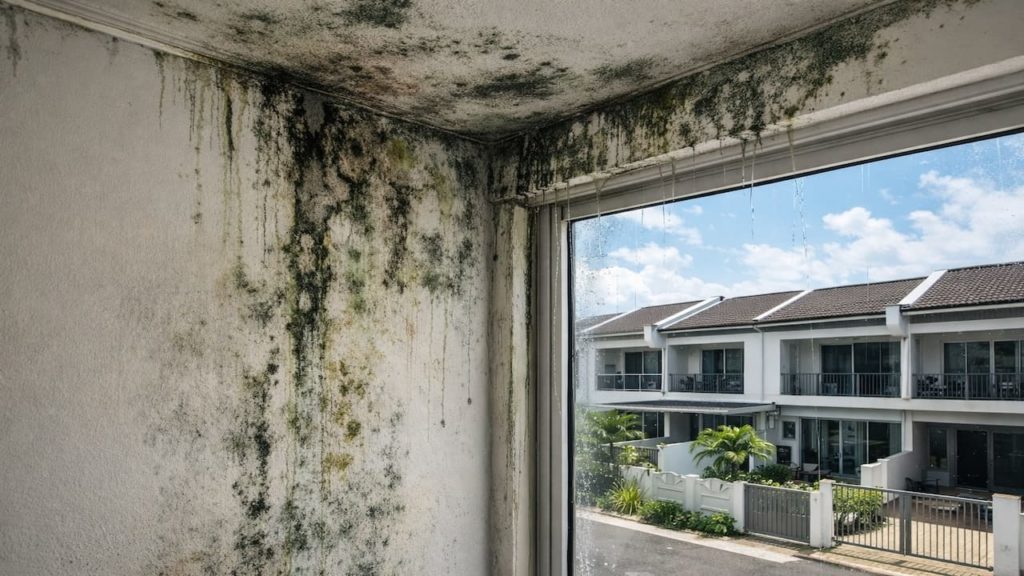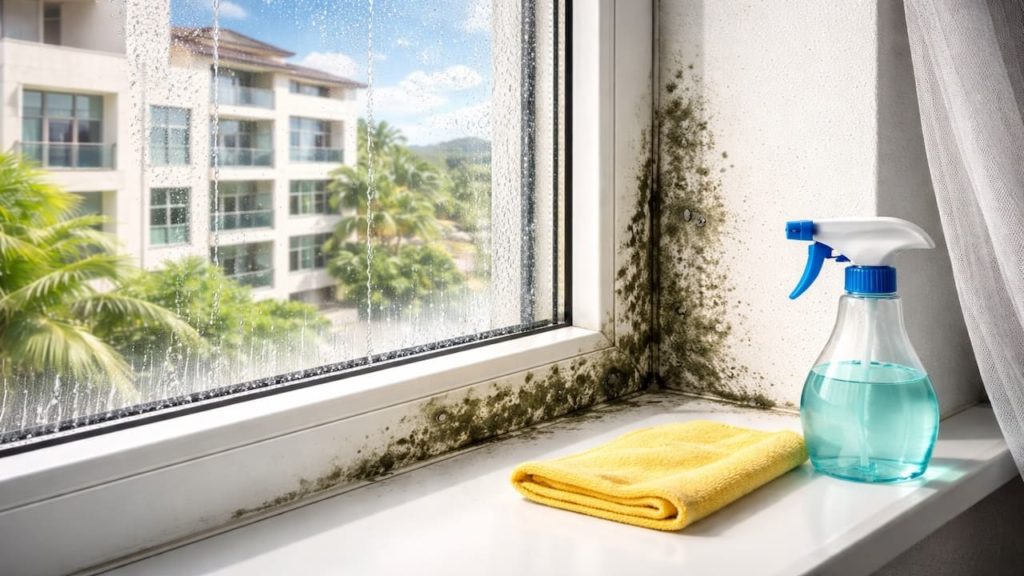
You searched this because your guest room stays closed most days, and when you enter it smells musty, feels clammy, or you see damp spots on walls and furniture.
In Malaysia, warm humid air and wet season rain make unused rooms risky, especially in condos with limited cross ventilation or terrace houses with cooler back rooms.
In this guide, you’ll learn 5 checks to keep an unused guest room dry and clean so you avoid mold, stale odors, and surprise damage.

Hi, I’m Ken. I write practical home guides for Malaysia—no fluff, just what works.
I hold a formal building design qualification and have spent about 20 years on job sites across hundreds of projects. My goal is simple: help you avoid costly mistakes with clear, safe steps—a quick way to decide what to do next.
1. Humidity in guest room unused: 5 checks
Unused rooms get damp because air stops moving
When a room is closed, humidity settles into fabrics and corners, and Malaysia’s climate keeps it there unless you actively reset the air.
- Check odor at the door a musty hit when you open it signals trapped humid air and slow drying
- Check the closet back wall feel for cool dampness behind hanging clothes and stored items
- Check bedding moisture sheets and pillows can feel slightly wet even when they look clean
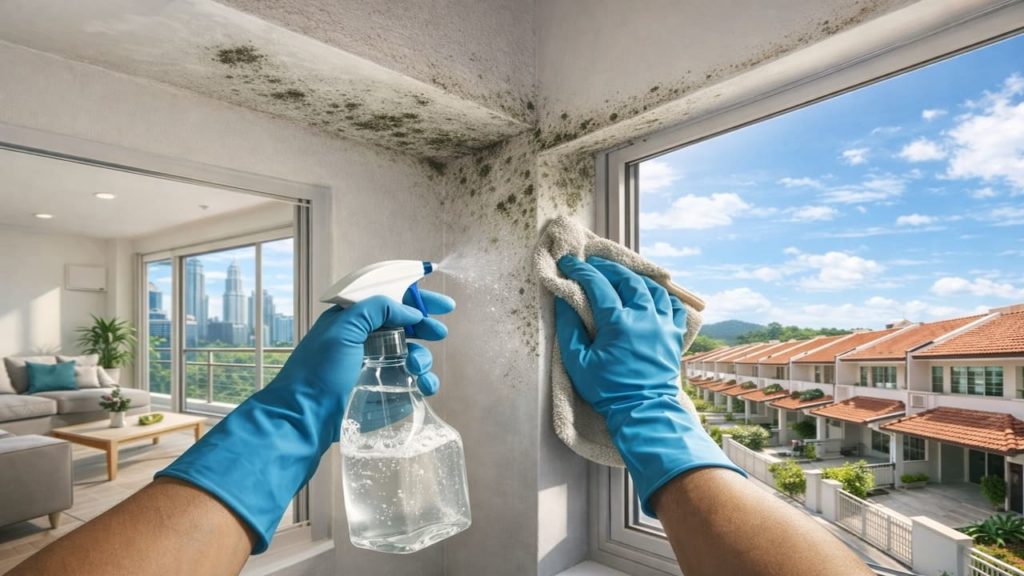
- Check window tracks look for water film mildew dots or dust that turns into damp paste
- Check floor corners near skirting where condensation and poor airflow create a quiet damp zone
You might think closing the door keeps dust out, but it also locks humidity in. Air must circulate. Simple truth.
2. Keep spare rooms dry and clean
Schedule short drying cycles instead of leaving the room sealed
A spare room stays fresh when you treat it like a storage zone that needs maintenance, especially during Malaysia wet season weeks.
- Open the room weekly and run a fan for 20 minutes to break stagnant air pockets
- Run aircond Dry mode 2 to 3 hours once or twice a week with the door closed
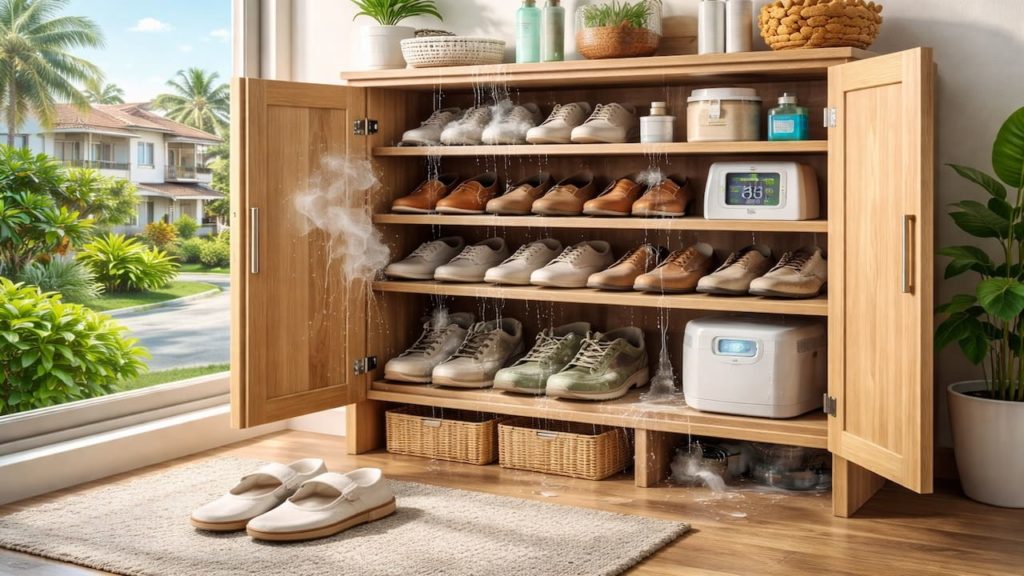
- Keep wardrobe doors slightly cracked or use breathable covers so air can reach the back panel
- Use moisture traps in the closet and under the bed and replace them on a simple schedule
- Keep bedding stored in a breathable bag and wash it before guests arrive not months earlier
Some people try one deep clean and forget it, then the smell returns. A small routine wins. Easy maintenance.
3. Why unused rooms get humid in Malaysia
Closed rooms become humidity reservoirs in warm damp weather
Malaysia’s high dew point means moisture is always available, and unused rooms often have cooler walls, heavy furniture, and no daily airflow.
- Concrete walls stay cool and encourage condensation behind wardrobes and headboards
- Dust absorbs moisture and becomes a food source for mildew odors in damp corners
- Stored cardboard and fabric hold humidity and release it slowly into the room air
- Closed curtains block airflow at windows where dampness and heat meet
- Rainy season keeps outside air humid so the room never naturally dries on its own
You may think “nobody uses it so it stays fine,” but unused rooms are the easiest place for damp to quietly grow. Silent damage.
4. How to set up the room so it stays guest ready
Reduce moisture storage and create airflow paths
Make the guest room easier to dry by simplifying what holds humidity and giving air room to move around furniture and walls.
- Pull wardrobes and beds 5 to 10 cm off the wall to let air wash the cool surface behind
- Replace cardboard storage with plastic bins to reduce moisture absorption in closets
- Keep curtains slightly open during dry hours or use tie backs to allow airflow near glass
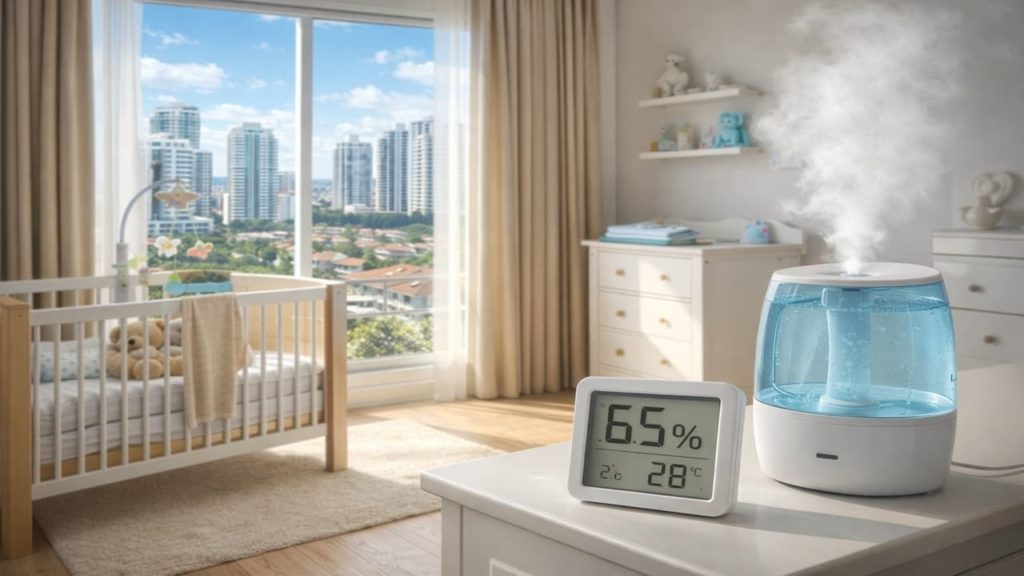
- Use a small hygrometer to track the room and aim for 50% to 60% during wet season
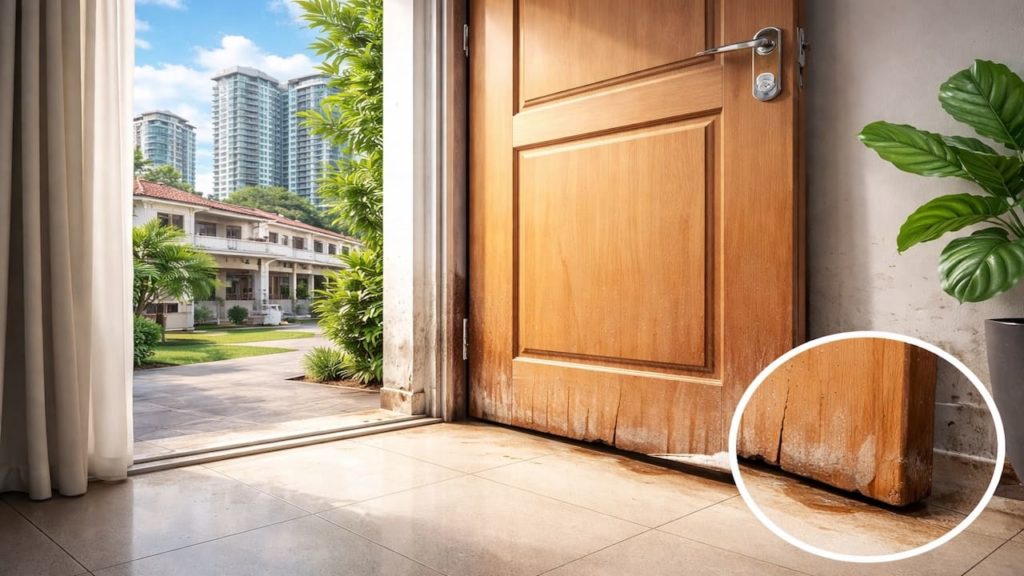
- Check for leaks near windows or bathroom-adjacent walls if damp patches keep returning
Some condos have one corner that never dries because of a cool wall and blocked airflow. Fix the layout and the numbers improve. Real control.
5. FAQs
Q1. How often should I run Dry mode in an unused room?
Once or twice a week is a good baseline during Malaysia wet season, especially if the room stays closed. Increase frequency if humidity stays above your comfort range.
Q2. Should I leave the door open all the time?
Not necessarily, because open doors can spread humidity from other areas. A scheduled airing plus Dry mode is usually cleaner than leaving it permanently open.
Q3. Why does the closet smell worse than the room?
Closets trap stagnant air and sit against cool walls, so moisture lingers and fabric holds odor. Add airflow and moisture traps inside the closet.
Q4. Is it okay to store extra mattresses in the guest room?
Yes, but keep them off the floor and away from walls, and use breathable covers. Rotate and air them out so moisture does not build in the foam.
Q5. What is the quickest way to refresh the room before guests arrive?
Run Dry mode for a few hours, wash or sun-dry bedding if possible, and wipe window tracks and dusty corners. Dry air makes the room feel instantly cleaner.
Pro’s Tough Talk

Listen. I’ve been on site for 20+ years and handled hundreds of jobs, and the unused guest room is always the mold starter pack in Malaysia. Shut the door and the humidity throws a party in there.
Cause is 3 parts. No airflow, moisture stored in fabric and cardboard, and cool walls behind big furniture. Do 3 steps now: open it weekly with a fan blast, run Dry mode on a schedule, then pull furniture off the wall and add moisture traps.
People say “it’s clean because nobody goes in,” and then the pillows smell like a wet bag—come on. Everyone stuffs boxes under the bed, everyone seals the curtains tight, classic. Maintain the spare room like it is always occupied or enjoy greeting guests with a musty welcome gift.
Summary
Unused guest rooms get humid when air stops moving, moisture stores in bedding and closets, and cool walls create damp corners in Malaysia’s warm wet season climate.
Use weekly airflow and Dry mode cycles, reduce moisture-storing clutter, and watch for leaks—if one area keeps dampening, treat it as a hotspot that needs inspection.
Do the 5 checks today and set a weekly Dry mode reminder, then explore your guides on closet humidity and daily dry routines. Spare rooms stay fresh with small scheduled drying