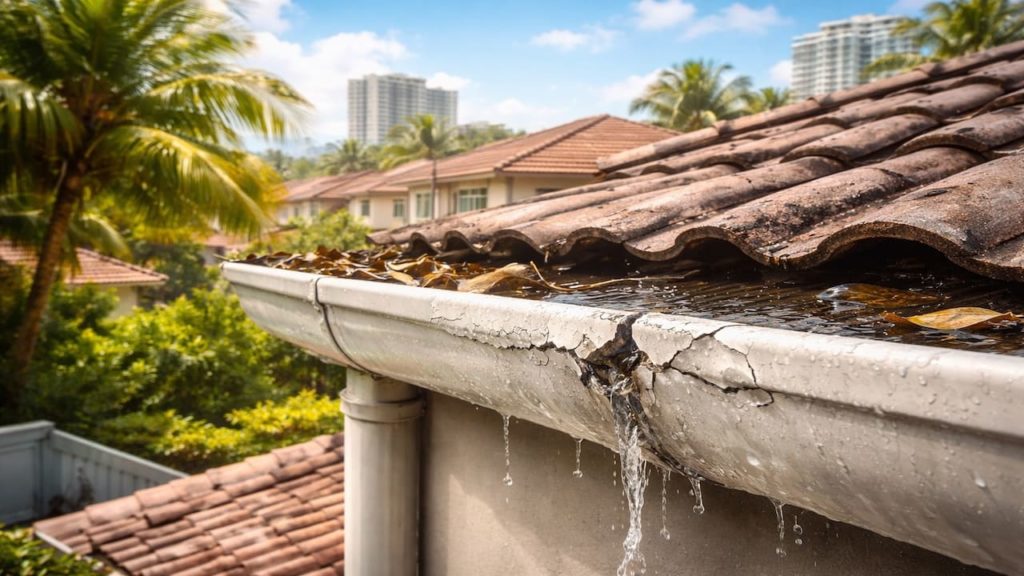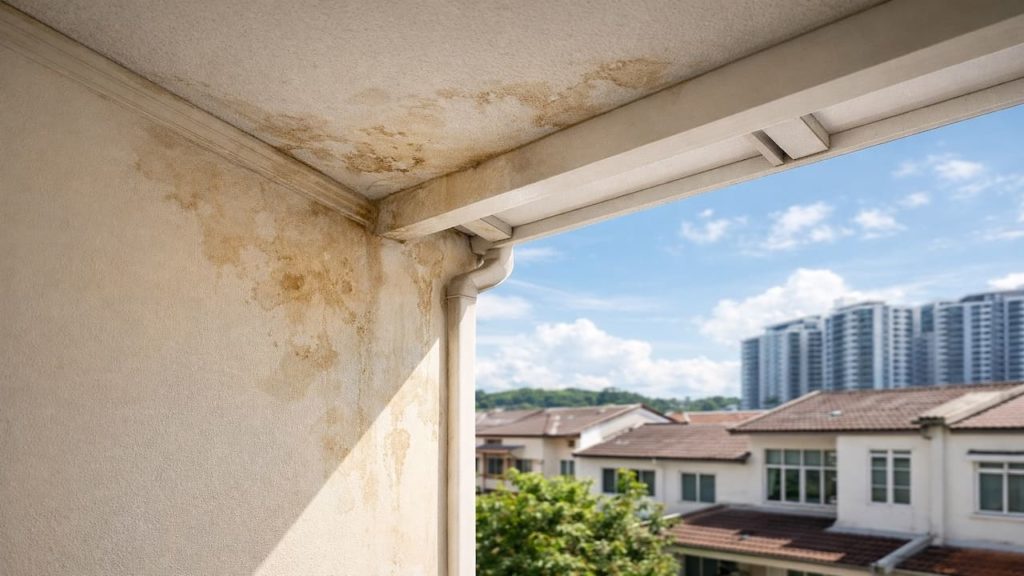
You notice gutter overflow and now you see stains on the ceiling near the roof edge, which is a scary combo during Malaysia’s heavy rain.
In hot humid weather, water can enter through fascia gaps, soffit edges, and small roofline openings, then show up as a ceiling mark days later. Early warning.
In this guide, you’ll learn the 5 checks that catch roof edge leaks before ceiling stains spread so you can trace the water path, reduce overflow pressure, and protect the inside fast.

Hi, I’m Ken. I write practical home guides for Malaysia—no fluff, just what works.
I hold a formal building design qualification and have spent about 20 years on job sites across hundreds of projects. My goal is simple: help you avoid costly mistakes with clear, safe steps—a quick way to decide what to do next.
1. Gutter overflow stains ceiling: 5 checks
Ceiling stains near the edge usually mean water is getting past the gutter line and reaching the soffit or roof edge junction.
Malaysia storms push water sideways, so even a small overflow can wet the roof edge repeatedly. The stain is the message. Treat it early before damp air and mold follow.
- Check if stains align with a gutter corner or downpipe area outside
- Look for fresh overflow splash marks on the soffit underside after rain
- Inspect the gutter for pooling or a low spot that raises water level to the back edge
- Check end caps and seams for weeping that wets fascia behind the gutter
- Check the downpipe discharge for slow flow that causes backup and overflow
You might think the roof is leaking, but many ceiling edge stains start with gutter overflow wetting fascia and soffit first. Fix the flow and you often stop the stain growth.
2. Catch roof edge leaks early
Catch roof edge leaks by inspecting the back edge and soffit line because water can run behind the gutter and enter small gaps.
In Malaysia humidity, wet timber and boards dry slowly, so repeated wetting creates soft spots and tiny openings. Once the path exists, stains show faster with each storm. Silent progression.
- Look for dark or swollen fascia boards behind the gutter line
- Check for drip lines under the soffit that match an overflow point above
- Inspect window and door head areas under the edge for new water trails
- Check roof valley exits that dump high volume onto one gutter section
- Look for rust or gaps at the gutter back edge that let water spill inward
You may want to repaint the ceiling stain immediately, but paint hides the symptom only. Stop the roof edge wetting first, then dry, then repair finishes.
3. Why
Overflow causes ceiling stains when water bypasses the gutter and wets the roof structure and humid air slows drying so moisture lingers.
When gutters back up, water level rises and spills over the back edge or through seam leaks. That water can soak fascia, seep into soffit joints, and reach ceiling boards. Chain reaction.
- Outlet or elbow blockage raising water level until it spills behind the gutter
- Sagging gutter creating a low spot that holds water against the back edge
- Loose brackets pulling the gutter away from fascia and opening a gap
- Failed seam sealant spraying or weeping onto fascia and soffit for hours
- Blocked ground drain causing downpipe backpressure and overflow upstream
Some people say ceiling stains mean a major roof failure. Not always. If it is localized and tied to overflow points, the first fix is gutter drainage and edge sealing.
4. How
Stop ceiling stains by reducing overflow and drying the edge properly so moisture does not keep feeding the stain and indoor humidity.
Work only when dry and avoid ladders in wet Malaysia conditions. Safety first. Use an outside-first approach: restore flow, seal known leak points, then dry and monitor inside. Practical order.
- Clear outlet and first elbow then do a controlled pour test to prove discharge
- Tighten brackets and restore slope so water does not pool at the roof edge
- Reseal a leaking seam only after cleaning and drying the joint fully
- Dry the soffit area and monitor if the ceiling stain stops expanding after next rain
- If stain grows inspect roof edge flashing and call help for safe access checks
You might think you must open the ceiling immediately, but start with stopping water entry. Once the outside is controlled, the inside often dries without invasive work.
5. FAQs
Quick answers for ceiling stains linked to gutter overflow in Malaysia, so you can decide what to check today and when to escalate.
Q1. How do I know the ceiling stain is from gutter overflow and not a roof leak?
If the stain is near the roof edge and matches an outside overflow corner or downpipe location, gutters are a strong suspect. Check for soffit splash and fascia dampness after rain.
Q2. Is this urgent?
Yes, because repeated wetting can soften fascia and encourage mold in humid weather. Acting early can prevent bigger ceiling repairs.
Q3. What is the fastest check I can do right now?
Look outside at the gutter section above the stain and check discharge flow at the downpipe. Weak discharge usually means overflow pressure and that is the first thing to fix.
Q4. Should I repaint the ceiling stain?
Not until you stop the water source and the area dries fully. Painting early can trap moisture and make peeling and mold worse.
Q5. When should I call a professional?
If stains spread, the ceiling feels soft, or access to the roof edge is unsafe, call help. High humidity plus hidden wet timber can escalate quickly.
Pro’s Tough Talk

I’ve been on site for 20+ years and handled hundreds of jobs, and ceiling stains near the edge are the house waving a red flag. Malaysia rain does not knock, it just comes in.
Cause is 3 things: outlet or elbow blockage backing water up, sagging gutters holding water against the back edge, or seam leaks soaking fascia for hours. Steps are 3 too: prove discharge with a controlled pour, tighten brackets and fix slope to kill pooling, then reseal the exact seam only after it is clean and dry. Everybody has the “it is just a small stain” moment, and everybody has the “why is it bigger now” moment.
Here’s the truth, edge stains are early damage not decoration. Water is like a sneaky thief, it finds the tiny gap, and it spreads like sweat under a cap in humid heat. One jab: the guy who says “just paint it” is selling makeup for a leak. Fix the gutter flow now, or your ceiling will keep writing you the same complaint letter.
Summary
Ceiling stains near the roof edge often start when gutter overflow or seam leaks wet fascia and soffit, then moisture reaches the ceiling in Malaysia humidity. Treat it as an early warning.
Clear outlets and elbows, restore slope, and stop pooling so water cannot spill behind the gutter. Seal only on clean dry joints, then monitor if stains stop expanding after the next rain.
Check the gutter section above the stain today and test discharge strength—one fixed overflow point can stop ceiling damage and keep your indoor air drier.