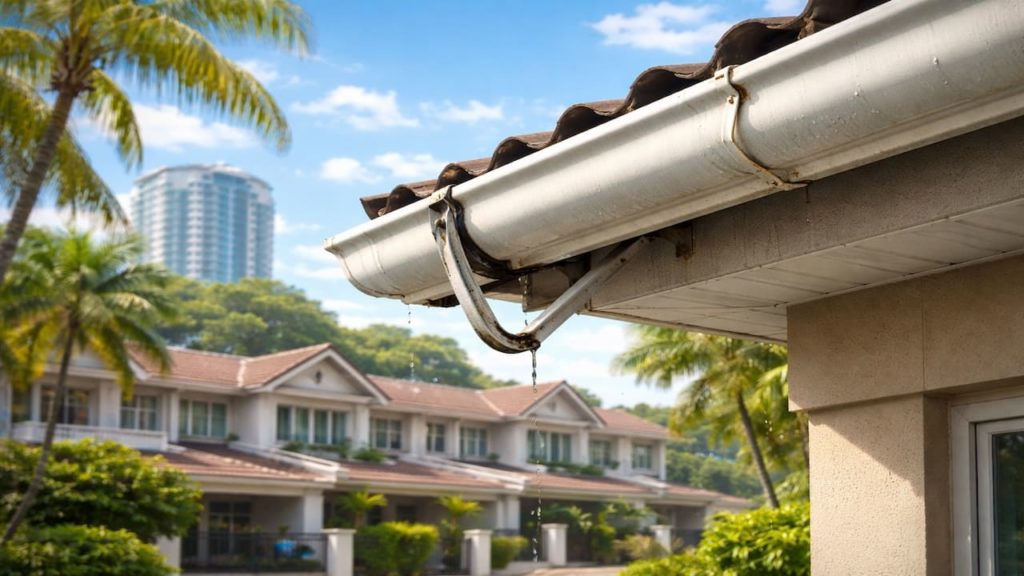
You notice a gutter bracket getting loose, and the gutter line looks slightly sagged or uneven after rain in Malaysia.
In heat and sudden downpours, a small bracket shift can turn into standing water, overflow, and joint leaks fast, because the gutter carries heavy water weight. Sag risk.
In this guide, you’ll learn the 5 loose bracket checks that stop gutter sagging so you can spot weak points, restore slope, and avoid storm overflow damage.

Hi, I’m Ken. I write practical home guides for Malaysia—no fluff, just what works.
I hold a formal building design qualification and have spent about 20 years on job sites across hundreds of projects. My goal is simple: help you avoid costly mistakes with clear, safe steps—a quick way to decide what to do next.
1. Gutter bracket loose: 5 checks
Loose brackets must be checked before they create a low spot because one sag makes water sit and overload the next bracket in a chain.
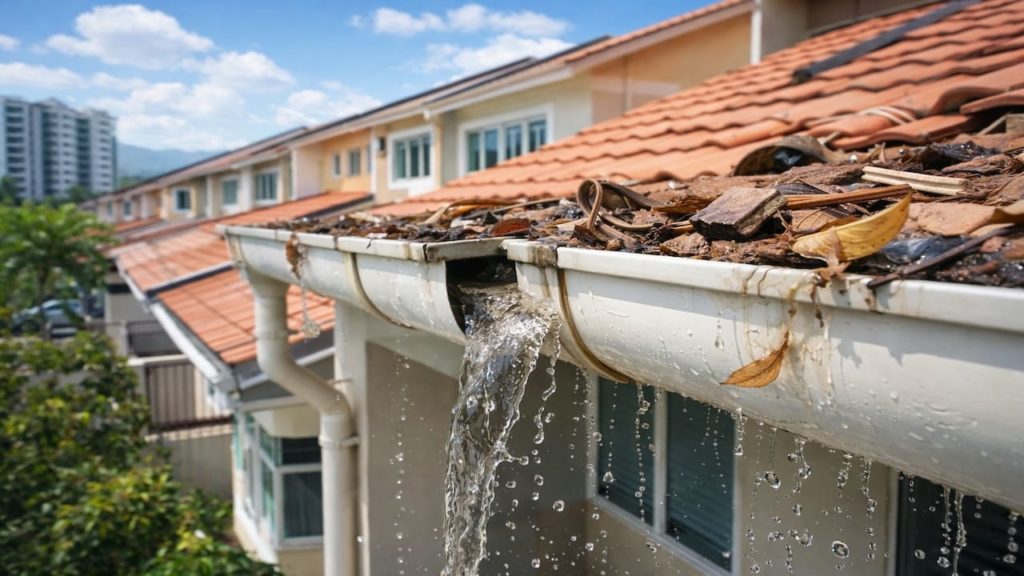
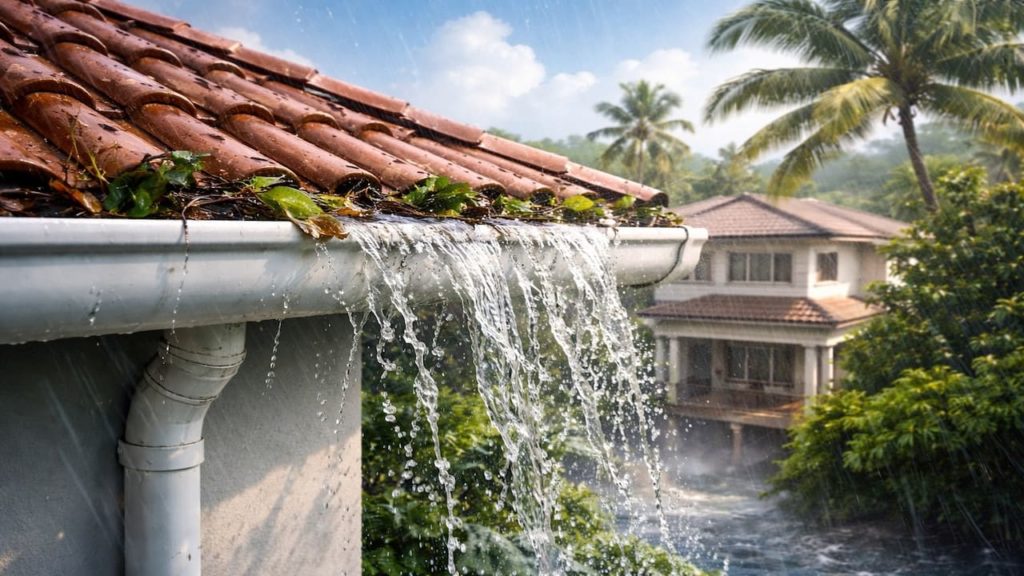
Malaysia storms fill gutters quickly, and a sagging section becomes a mini pond. That pond strains joints and end caps—then leaks spread. Domino effect.
- Push the gutter gently and see if it flexes or pulls away from the fascia
- Look for standing water marks or dirt lines showing the gutter holds water after rain
- Check if the bracket screw holes look enlarged or the fascia board feels soft
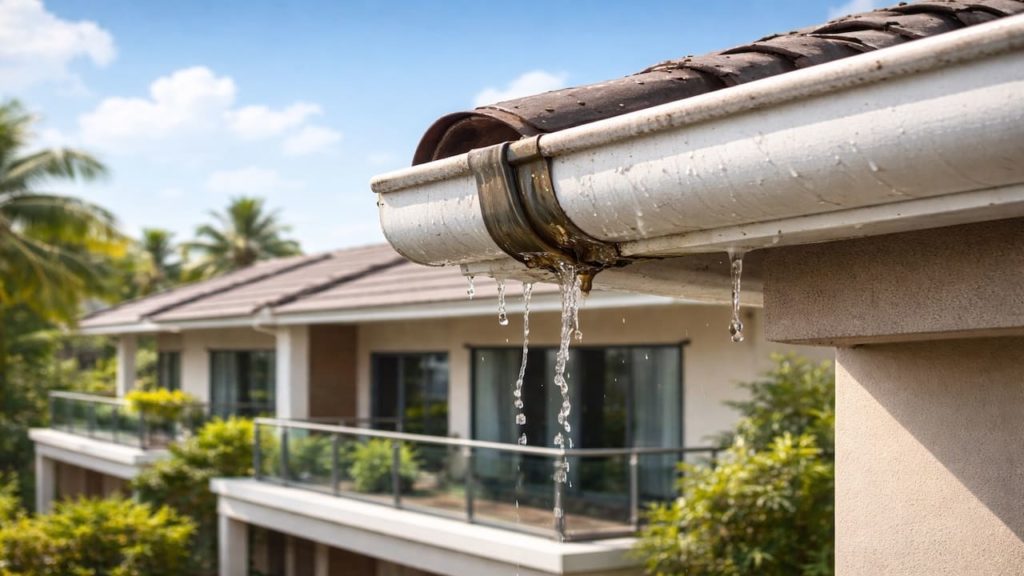
- Inspect the nearest joint and end cap for small weeps caused by extra weight
- Check bracket spacing and find any missing bracket that creates a long unsupported span
You might think one loose bracket is minor, but the next storm will load that spot with water weight. Fix early and you prevent bigger repairs.
2. Stop sagging before the next storm
Stop sagging by restoring support and slope before you reseal anything because sealant cannot hold a gutter that is bending under load.
In Malaysia humidity, fascia wood can soften and screws can lose bite, so the bracket loosens again if you do not address the anchor point. Real support matters—especially near corners and valley exits. Support first.
- Check if the fascia board is damp or crumbly where the bracket screws bite
- Confirm the bracket clamp is not cracked or bent from past overload
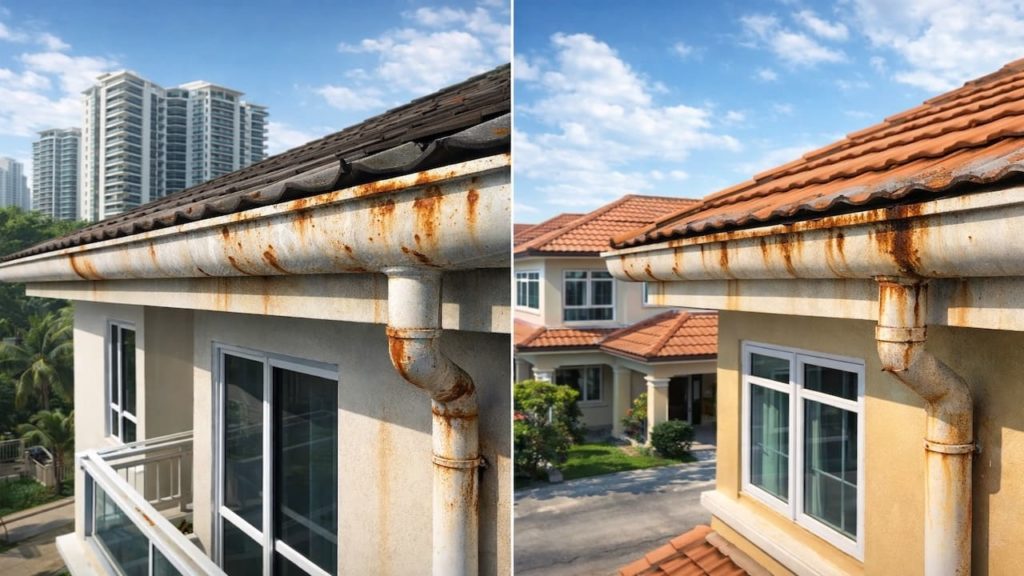
- Look for rust on metal brackets or stripped threads on screws
- Verify the gutter still slopes toward the outlet and does not dip mid run
- Test runoff direction with a small controlled pour and watch where it slows
You may want to add more sealant to stop leaks, but sag is the cause, not the seam. Restore shape and support first, then sealing becomes easy and durable.
3. Why brackets loosen in Malaysia homes
Brackets loosen when heat movement and water weight repeat daily and Malaysia rain cycles expose any weak fastening fast.
Hot afternoons expand materials, then storms cool and load the gutter, creating movement at screws and clips. If debris causes standing water, the load becomes heavier and lasts longer. Stress cycle.
- Fascia board softening from hidden leaks and constant dampness
- Stripped screw holes from repeated tightening without solid backing
- Bracket metal fatigue or plastic brittleness from UV and heat
- Excess water weight from partial outlet blockage and slow drainage
- Wind-driven rain shaking long gutter runs and vibrating weak joints
It is tempting to blame “cheap brackets,” but many failures are installation and maintenance timing issues. Reduce standing water and the brackets stay stable longer.
4. How to secure a loose bracket safely
Secure the bracket by fixing the anchor point and checking slope so the gutter line carries storm load without twisting.
Work only when dry, and avoid ladders in wet Malaysia conditions where surfaces stay slick. Safety first. Use a simple order: clear flow, set line, then tighten and reinforce. Clean method.
- Clear outlet and debris first so the gutter does not hold water during testing
- Mark the correct gutter line and confirm a steady fall toward the downpipe
- Replace stripped screws with proper fasteners and ensure solid bite into backing
- Add an extra bracket near the sag point to shorten the unsupported span
- Retest with a controlled pour and confirm no pooling remains after 2 minutes
You might worry you need a full gutter replacement, but many sag cases are local. When support is restored, joints often stop leaking and overflow risk drops.
5. FAQs
Quick answers for loose gutter brackets in Malaysia, so you can decide what to check today before the next storm turns a small sag into an overflow.
Q1. How can I tell if sagging is the real problem?
If water sits in one section after rain and dirt lines show a “pond” level, sagging is likely. Overflow and seam leaks often start around that low spot.
Q2. Can one loose bracket cause overflow at the corner?
Yes, a sag can slow flow and raise water level upstream, then corners overflow first. Fixing the sag often reduces corner issues immediately.
Q3. Is it safe to tighten brackets during rainy season?
Only when dry and stable, because wet ladders and tiles are risky in humid weather. Choose a dry window and work methodically.
Q4. Should I reseal joints before fixing brackets?
No, resealing before support is fixed often fails again. Fix the bracket and slope first then seal any remaining weeps on a dry clean seam.
Q5. When should I call a professional?
If the fascia is rotten, access is high, or multiple sections are sagging, get help. A bad fall from a ladder costs more than any gutter repair.
Pro’s Tough Talk

I’ve been on site for 20+ years and handled hundreds of jobs, and a loose gutter bracket is the start of a very predictable mess. Malaysia rain loads the gutter like a water tank, and the weak bracket taps out first.
Cause is 3 things: soft fascia that cannot hold screws, debris making water sit and get heavy, or a bracket that cracked from heat and age. Steps are 3 too: clear the outlet so it drains, set the gutter line so it slopes, then tighten and add support near the sag. Everybody has the “it looks a bit crooked” moment, and everybody has the “why is my wall stained” moment right after.
Here’s the point, sagging always gets worse during storms. Water is like a heavy backpack, it drags the weak point down, and it spreads like syrup on a counter. One jab: the guy who says “later lah” is basically scheduling your overflow. Fix the bracket today, or enjoy your next storm as a driveway waterfall show.
Summary
Loose gutter brackets lead to sagging, standing water, and overflow, especially in Malaysia storms. One low spot can trigger leaks across multiple joints.
Clear flow first, restore slope, and secure the bracket anchor point before resealing. If fascia is soft or multiple sections sag, call help early.
Check the sag point today and retest with a controlled pour—one stable bracket prevents chain damage and you stay ahead of the next storm.