You searched for gutter problems in Malaysia because overflow, leaks, and mosquitoes keep coming back after heavy rain.
In hot humidity, roof grit turns into sludge, sudden downpours overload weak flow, and standing water becomes a breeding spot near your roofline. Real hassle.
In this guide, you’ll learn the 5 checks that stop overflow leaks and mosquito water fast so you can find the true blockage, reduce splash damage, and keep drainage steady all season.

Hi, I’m Ken. I write practical home guides for Malaysia—no fluff, just what works.
I hold a formal building design qualification and have spent about 20 years on job sites across hundreds of projects. My goal is simple: help you avoid costly mistakes with clear, safe steps—a quick way to decide what to do next.
1. Gutter problems in Malaysia: 5 checks
Most gutter problems come from blocked exits and trapped water and you can confirm it with simple checks from ground level first. Evidence.
Malaysia rain hits in bursts, so a gutter can look fine on dry days yet overflow at night—focus on where water should exit and where it actually exits.
- Check outlet flow with controlled pour test
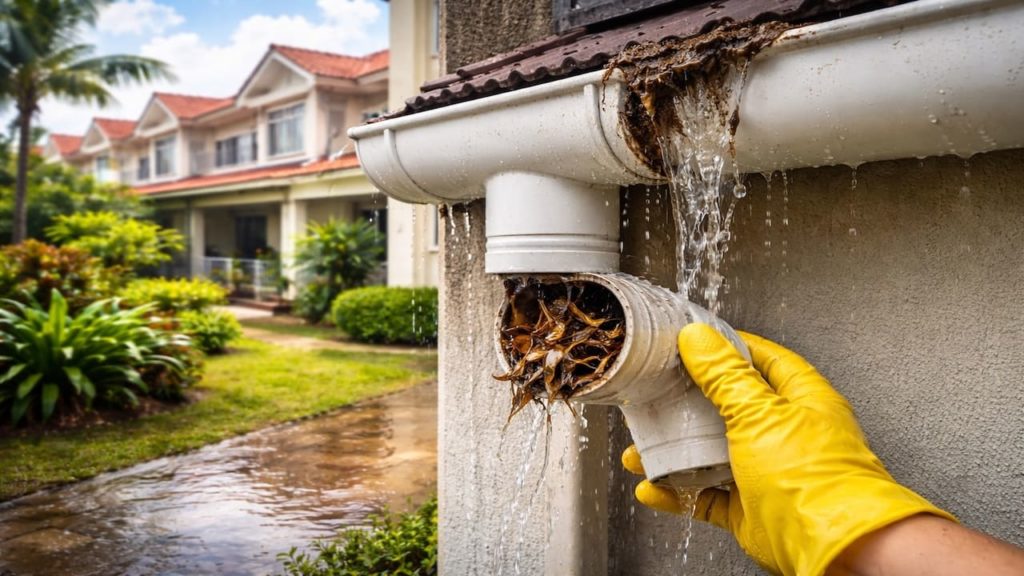
- Inspect first elbow for packed sludge blockage
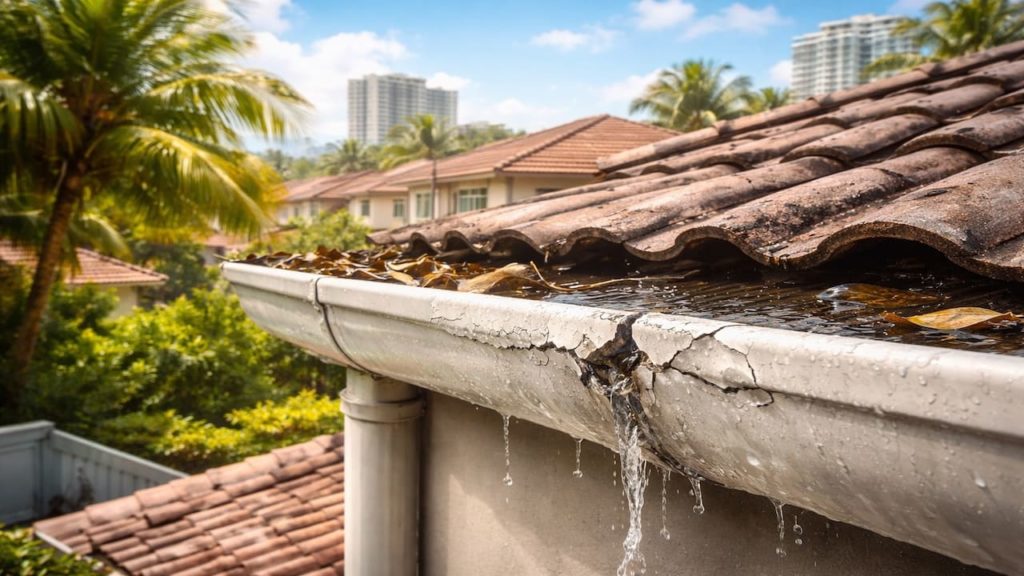
- Look for pooling marks inside gutter run
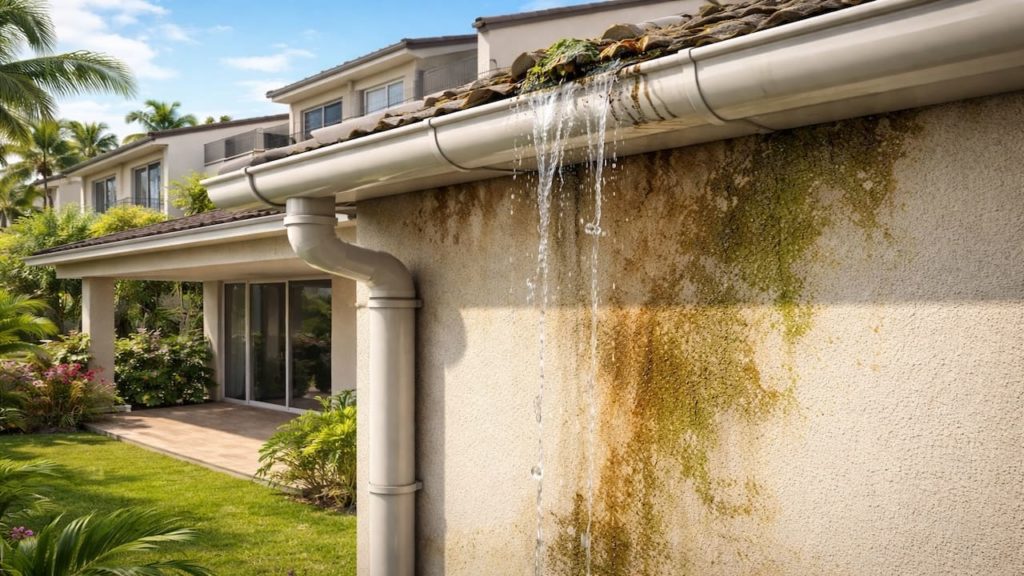
- Check corner joints for drip and spray
- Confirm discharge drains away from wall base
You might think gutters fail only when full of leaves, but many Malaysia clogs are sand and grit. Prove flow first, then decide the next fix.
2. Stop overflow leaks and mosquitoes fast
Stopping standing water is the fastest way to cut mosquitoes and it also reduces rust smell and repeat overflow. Priority.
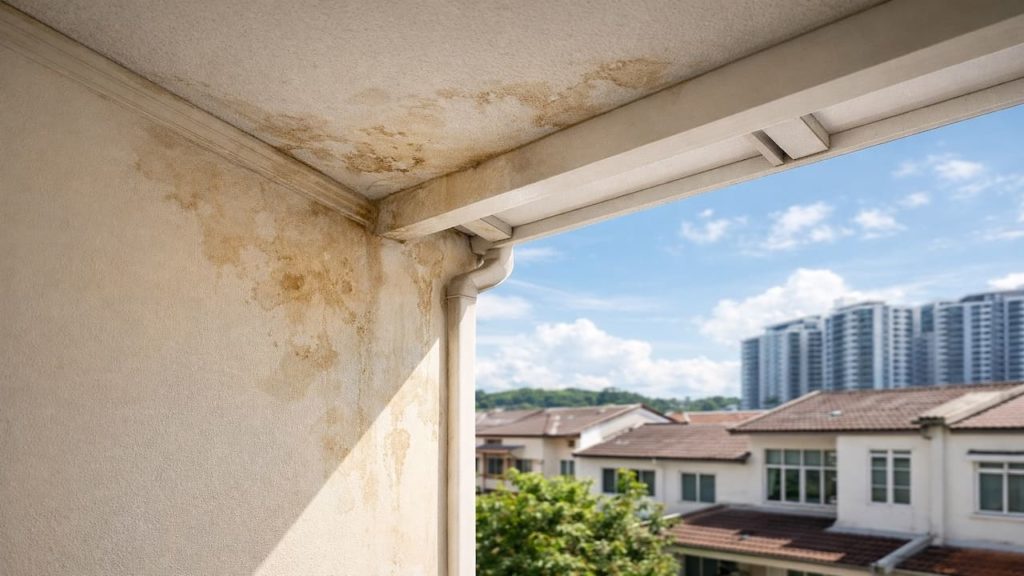
When water sits, mosquitoes breed and seams stay wet—then small leaks become stains on paint and damp patches under soffits.
- Remove standing water by clearing outlet pocket
- Flush downpipe to restore fast strong discharge
- Fix sagging brackets to remove low spots
- Clear roof grit from corners weekly schedule
- Cover open water traps near gutter edge
You may believe fogging is the solution, but breeding water will keep refilling the problem. Remove the water source and the mosquito pressure drops.
3. Why gutters fail in Malaysia homes
Gutters fail when flow slows and water level rises then overflow pushes behind edges and into joints. Simple.
In Malaysia humidity, fine particles bind into paste, and one small dip holds water long enough to start odor and insects—then the next downpour forces spillover.
- Check sand nests at outlet screen opening
- Check sludge ring inside first elbow bend
- Check bracket looseness causing gutter sag dip
- Check roof valley runoff hitting one section
- Check ground drain pooling causing backpressure
Some people blame the gutter size, but positioning and discharge usually matter more. Clear exits and correct slope beat bigger parts in many cases.
4. How to fix gutter issues quickly and safely
Fix gutter issues by proving discharge then correcting slope so water cannot sit and mosquitoes cannot breed. Order.
Do work in dry daylight because wet tiles are slippery in Malaysia heat—start with low risk checks and only climb if you must.
- Do controlled pour test near problem outlet
- Stop test if water level rises quickly
- Scoop debris from outlet and corner pocket
- Open elbow joint and clear packed sediment
- Tighten brackets to restore smooth gutter fall
You might want to reseal every seam right away, but sealant loses to backup pressure. Restore flow and slope first, then seal only the joint that still weeps.
5. FAQs
Quick answers for Malaysia gutters, focusing on overflow, leaks, and mosquito breeding water, so you can act without guessing in the next storm.
Q1. Why do my gutters overflow even with no leaves?
Fine sand and roof grit can compact at outlets and elbows and reduce flow fast. This is common in windy rain where debris is small but sticky.
Q2. How do I know mosquitoes are breeding in the gutter?
If you find standing water hours after rain, that is a risk zone in humid weather. You may also notice more bites near the entry or balcony at dusk.
Q3. What is the fastest check I can do today?
Do a controlled pour test near the outlet and watch the water level response. Fast rising water usually means an elbow restriction and clearing it can stop overflow quickly.
Q4. Can gutter leaks cause indoor damp patches?
Yes, repeated wetting can soak fascia and soffit joints and show as ceiling edge stains. Stop overflow first, then let the structure dry for several sunny days.
Q5. When should I call a professional?
If the gutter is high, access is unsafe, or overflow is wetting wiring, windows, or ceilings, get help. Height work during rainy season is not worth the fall risk.
Pro’s Tough Talk

I’ve been on site for 20+ years and handled hundreds of jobs, and Malaysia gutter problems are the same three villains every time. Rain hits hard, water sits, then mosquitoes move in like they pay rent.
Cause is 3 buckets: outlet packed with grit, elbow choked with sludge, and brackets loosening until a dip forms. Steps are 3 too: prove discharge with a controlled pour, pull the gunk from outlet and elbow, then tighten brackets so the fall stays honest. Everybody has the “it looks fine from below” moment, and everybody has the “why is it buzzing near my door” moment.
Here’s the deal, no standing water means no easy overflow and fewer mosquitoes. Water behaves like traffic at a jammed exit, and sludge sticks like wet cement in a bend. One jab: if someone tells you to just spray chemicals, they are ignoring the roofline bathtub. Fix the flow, or keep feeding the swarm.
Summary
Malaysia gutter problems usually come from slow discharge, elbow restrictions, and sagging sections that trap water. That trapped water drives overflow stains, leaks, odor, and mosquito breeding.
Use a controlled pour test to prove flow, clear outlets and first elbows, and tighten brackets to remove low spots and restore slope. Seal only after backup pressure is gone.
Do the outlet and elbow check this week—one clear discharge path keeps gutters calm and bites lower and it sets you up for your next roofline guide.