Your skin feels itchy at home, especially after a hot shower or a sweaty afternoon, and it gets worse when the air feels heavy.
In Malaysia, high humidity and rainy weeks can keep condos and terrace houses damp inside, so skin gets irritated by sweat, mold, dust, and fabrics that never fully dry.
In this guide, you’ll learn how to reduce damp triggers and calm itchy skin at home with simple checks that lower moisture without turning your place into an ice box.

Hi, I’m Ken. I write practical home guides for Malaysia—no fluff, just what works.
I hold a formal building design qualification and have spent about 20 years on job sites across hundreds of projects. My goal is simple: help you avoid costly mistakes with clear, safe steps—a quick way to decide what to do next.
1. Humidity causes itchy skin: 5 fixes
Fix the home humidity loop and itch often improves fast.
Humidity does not “cause” every itch, but it makes sweat linger and lets irritants build up on skin and surfaces. Itch fuel. In Malaysia rooms can stay damp even with a fan.
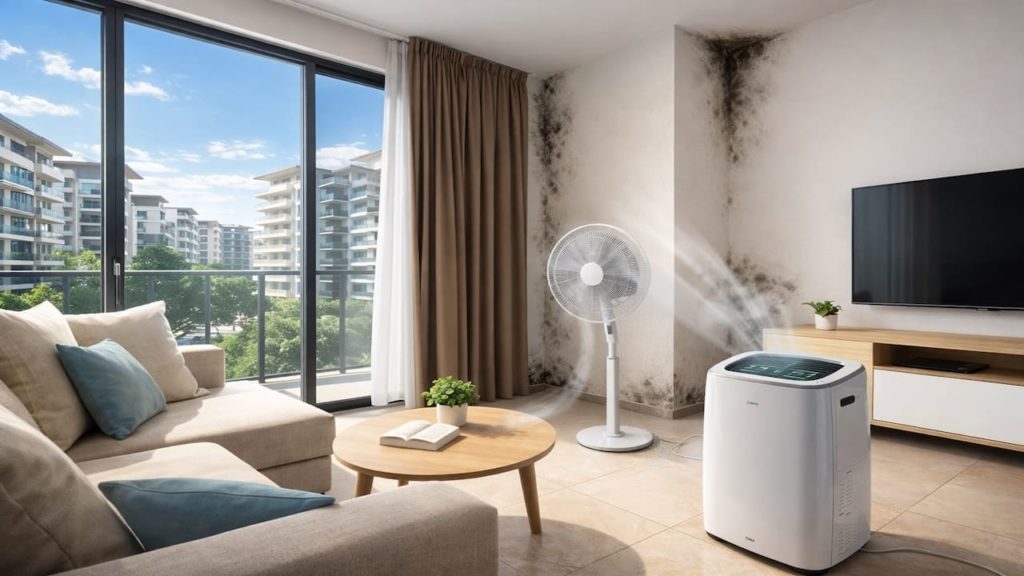
- Dehumidify the main room for 30–90 minutes before evening, then maintain comfort.
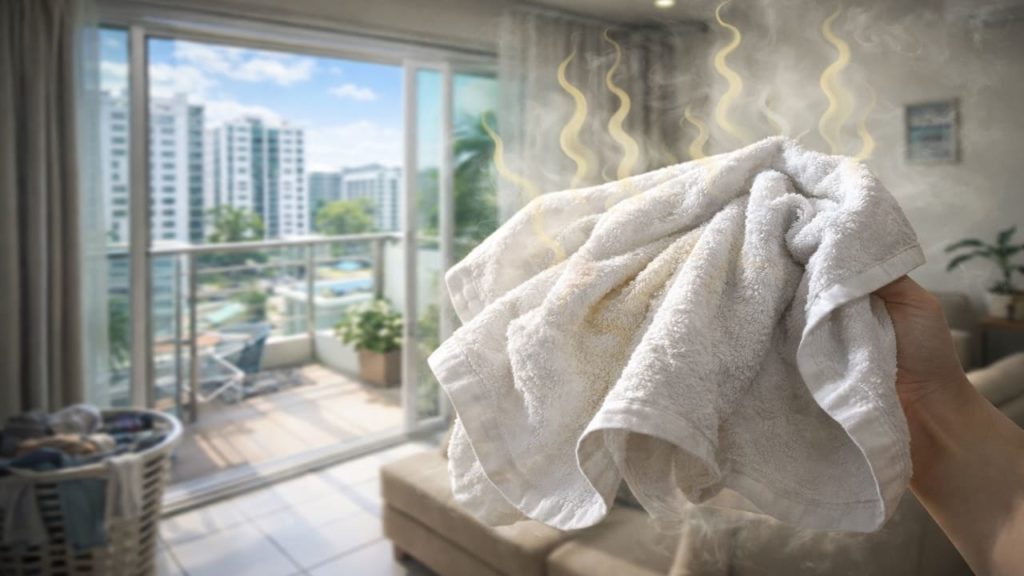
- Keep towels and bathmats out of bedrooms, because damp fabric keeps releasing moisture.
- Dry bedding fully and air the mattress surface each morning so sweat does not stay trapped.
- Wipe window and wall condensation early so moisture does not recycle into the air.
- Clean and dry the bathroom ceiling and corners where humidity likes to camp.
Some people think itch is only about skincare—true sometimes, but if your home air stays damp, your skin keeps getting hit by the same triggers every day.
2. Reduce damp triggers at home
Remove the damp sources that keep touching your skin.
In Malaysia, the worst triggers are usually close and constant, like damp clothes, musty closets, and lingering shower steam. Small daily exposure. That adds up.
- Stop indoor laundry drying in bedrooms and closets, because humidity sticks to fabrics.
- Run bathroom exhaust after showers and keep the door closed until the mirror clears.
- Open wardrobes briefly during a dehumidify session to clear trapped musty air.
- Wash pillowcases and sheets more often during wet weeks, then dry them completely.
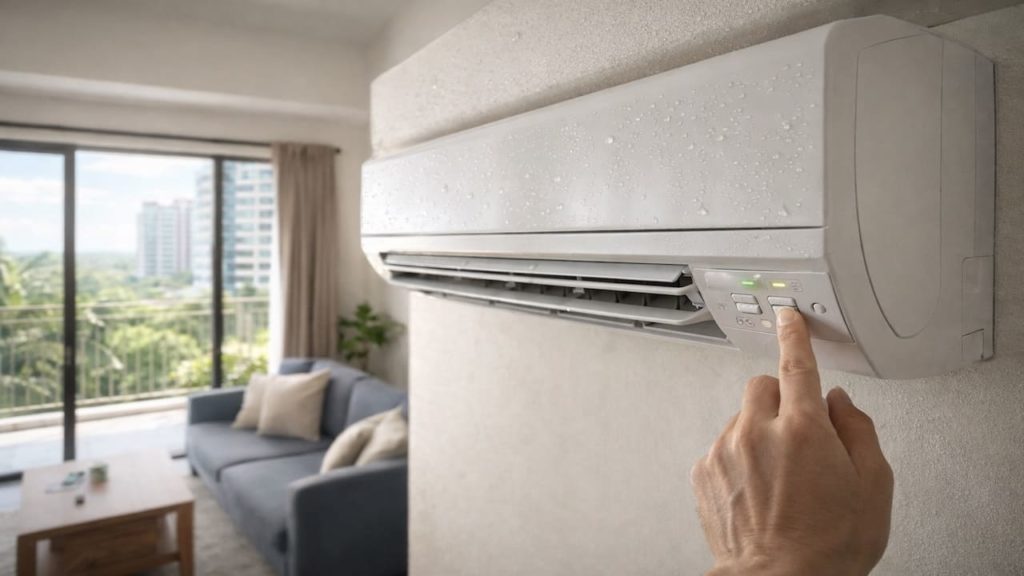
- Clean AC filters on schedule so airflow stays strong and moisture removal works.
You might say your home looks clean—fine, but damp air makes “clean” feel itchy when fabrics stay moist and dust clumps onto skin.
3. Why humidity makes skin itch
Humidity keeps sweat and irritants on your skin longer.
When the air is humid, sweat evaporates slowly, so salt and residue stay on the surface and can sting or itch. Sticky film. In a closed condo room, it builds overnight.
- Sweat sits longer and increases friction in folds and under clothing.
- Damp fabric stays in contact with skin and can feel rough or sticky.
- Dust mites and musty odors increase when bedding and closets stay humid.
- Mold spores can irritate sensitive skin, especially near bathrooms and windows.
- Overcooling can dry air in one spot while leaving damp corners that keep triggering itch.
It is tempting to blame “bad weather”—but the real mechanism is moisture plus contact time, so changing the room conditions reduces exposure quickly.
4. How to calm itch while you fix the room
Reduce friction and rinse off sweat so skin can recover.
You do not need fancy routines to feel better, but you need consistency while humidity is high in Malaysia. Simple support. Comfort comes back.
- Take a quick lukewarm rinse after sweaty periods, then pat dry instead of rubbing.
- Wear loose breathable fabrics at home, and change out of damp clothes fast.
- Keep the bedroom dry before sleep so sheets do not start the night already humid.
- Use a clean dry towel and rotate it often, because damp towels can irritate skin.
- Clean visible mold and dry the area fully so spores do not keep circulating.
You might want instant relief—fair, but itch control is faster when you lower humidity and remove damp contact points at the same time.
5. FAQs
Q1. Can high humidity alone make skin itch?
It can, because sweat stays on skin longer and friction increases under clothing. It also increases exposure to musty air, dust, and damp fabrics.
Q2. Why is the itch worse at night?
Bedrooms are often closed for hours, so humidity rises from breathing and damp bedding. Sheets and pillows can hold moisture, which keeps skin warm and sticky.
Q3. Should I use aircond to reduce itch?
Yes in many cases, because lowering humidity can reduce sweat and irritation. Dry mode can reduce humidity without extreme cold if you use it as a short reset.
Q4. Is a fan enough in Malaysia?
Sometimes for comfort, but fans do not remove moisture. If the room stays humid, the fan may just move damp air around and itch triggers remain.
Q5. When should I get medical advice?
If you have severe rash, swelling, infection signs, or itch that keeps worsening, get professional help. If the home changes do nothing after a reasonable trial, it is worth checking for skin conditions or allergies.
Pro’s Tough Talk

Listen. I’ve been on site for 20+ years and handled hundreds of jobs, and “itchy at home” in Malaysia is often your room acting like a wet towel you cannot escape.
Three causes show up every time: damp air that never resets, fabrics that never fully dry, and musty corners feeding irritants back into the room. Three steps fix it: pull humidity down in one room, stop shower steam and laundry moisture from spreading, then keep bedding and closets dry with airflow. Two classics are itchy nights with a closed door and a damp pillow, and the “my room is clean” line while towels are drying inside.
And yeah, you can keep buying lotions, but if your bed and closet are marinating, you are just polishing the problem. Nice try, come on. Dry the room and remove damp contact points or the itch keeps looping. Fix the air first, or keep scratching like it is your new hobby.
Summary
Itchy skin in humid weather often gets worse because sweat and irritants stay on skin longer, and damp fabrics and musty corners keep re-triggering you at home in Malaysia.
Focus on the environment first—reduce humidity, stop steam and indoor drying from spreading, and keep bedding and closets dry so contact triggers drop.
Start small and stay consistent tonight less damp exposure means calmer skin.