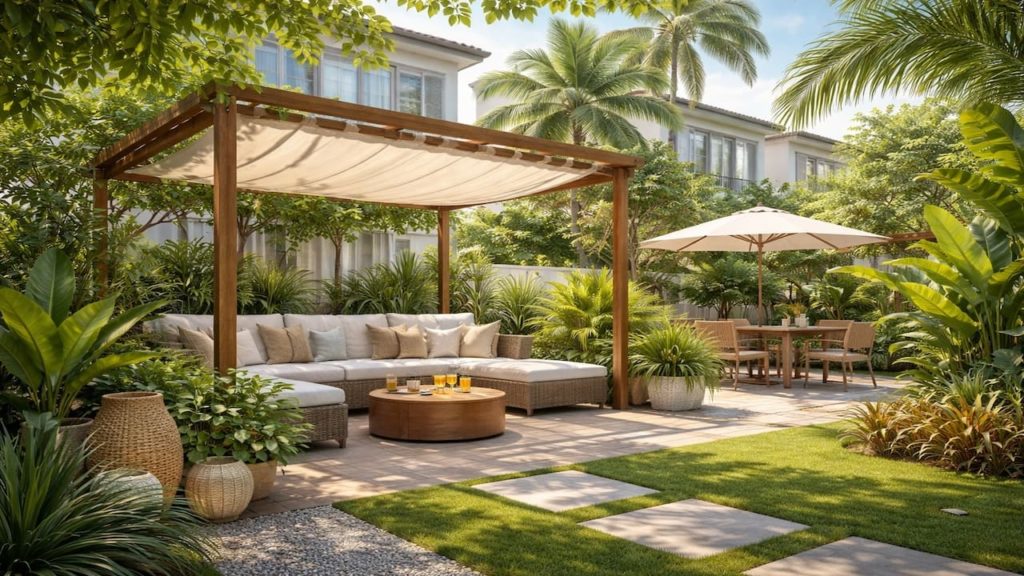
Backyard seating in Malaysia sounds simple until the afternoon sun turns the floor into a hot plate and wet season rain splashes mud onto your cushions.
You might be searching because your patio feels stuffy, shade makes it darker and hotter, or the area stays damp after storms. High humidity changes the rules. Fast.
In this guide, you’ll learn how to build a cooler seating spot that still feels open using layered shade, airflow tricks, and rain ready details for small terrace backyards in Malaysia.

Hi, I’m Ken. I write practical home guides for Malaysia—no fluff, just what works.
I hold a formal building design qualification and have spent about 20 years on job sites across hundreds of projects. My goal is simple: help you avoid costly mistakes with clear, safe steps—a quick way to decide what to do next.
1. Landscape for backyard seating: 5 tips
Design the seating zone around airflow first.
In Malaysia, comfort comes from moving air more than deep shade—so start by choosing a spot where evening breeze can pass and where rainwater exits quickly. Cool beats cozy.
- Pick seating spot aligned with evening breeze
- Leave 60 cm gap from wall surfaces
- Use light color pavers to reduce heat
- Add one small table not bulky storage
- Place planters to frame not block path
Some people chase a fully enclosed nook for privacy. Nice idea, but trapped heat makes it unusable, so prioritize airflow and then add soft screening later.
2. Create shade without trapping heat
Use breathable shade layers not solid roofing.
Solid covers block sun but also block rising heat, and Malaysia humidity makes that trapped warmth feel sticky—choose shade that filters light and lets hot air escape upward. Comfort engineering.
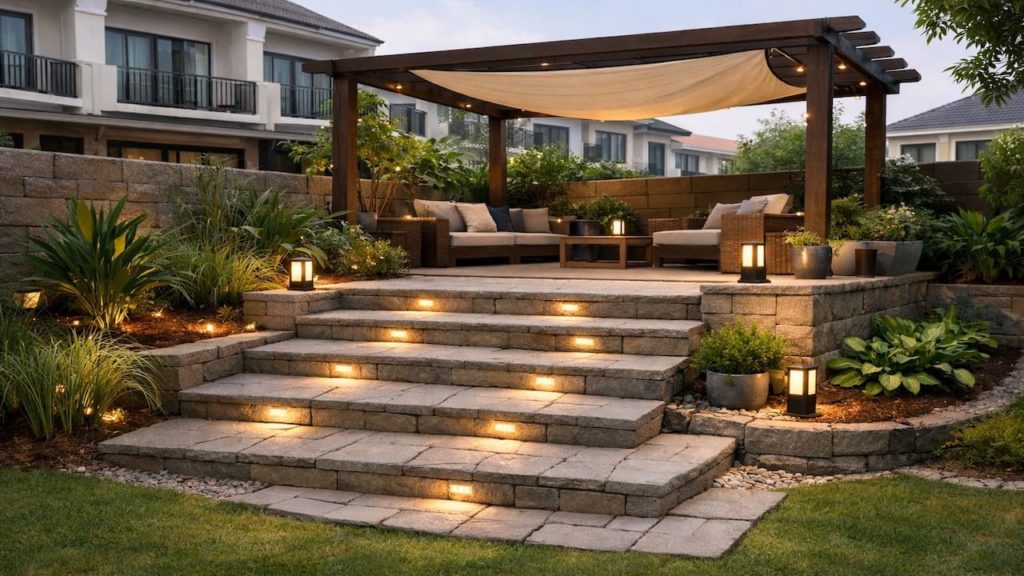
- Install slatted pergola with adjustable top panels
- Hang outdoor shade sail with high corner vents
- Add vertical screen plants with spaced stems
- Use trellis vines with pruning access gaps
- Keep roof edge open for hot air escape
You might think thicker shade equals cooler seating. It can be cooler in direct sun, but if air cannot move, the space feels worse, so aim for filtered shade and ventilation.
3. Why heat pockets build in small backyards
Heat pockets form when surfaces store sun energy.
Terrace backyards often have concrete walls, paving, and tight corners—these store heat all day, then release it at night while humidity stays high, so your seating area feels like a warm box.
- Check wall corners for stagnant air at dusk
- Feel paving temperature one hour after sunset
- Notice glare bounce from light tiles and walls
- Spot damp zones that never fully dry
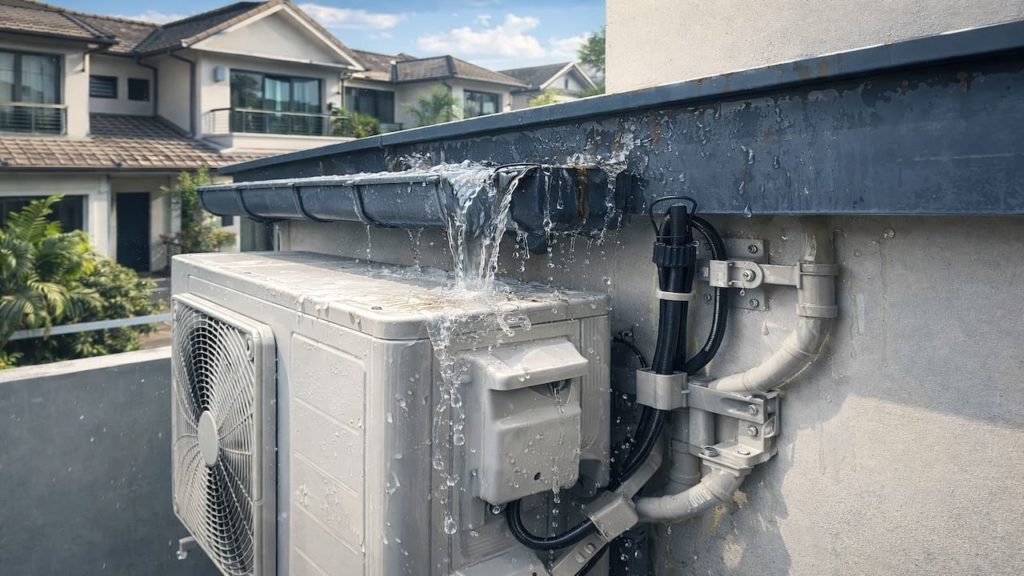
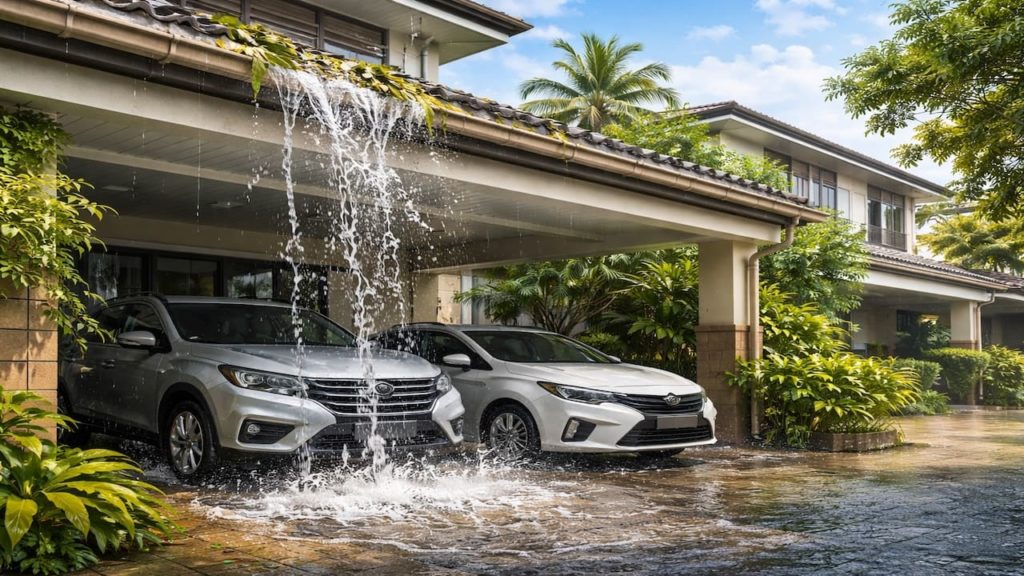
- Identify downpipe splash cooling one corner unevenly
Some homeowners blame the weather and give up. Weather is fixed, but heat storage and airflow can be changed, so treat the backyard like a small microclimate project.
4. How to build a cooler seating layout
Combine shade drainage and airflow into one layout.
Make the seat zone dry, shaded, and breezy by routing water away and creating vertical escape for heat—Malaysia wet season will test every detail, so build for storms not photos. Practical.
- Create slight slope away from seating mat
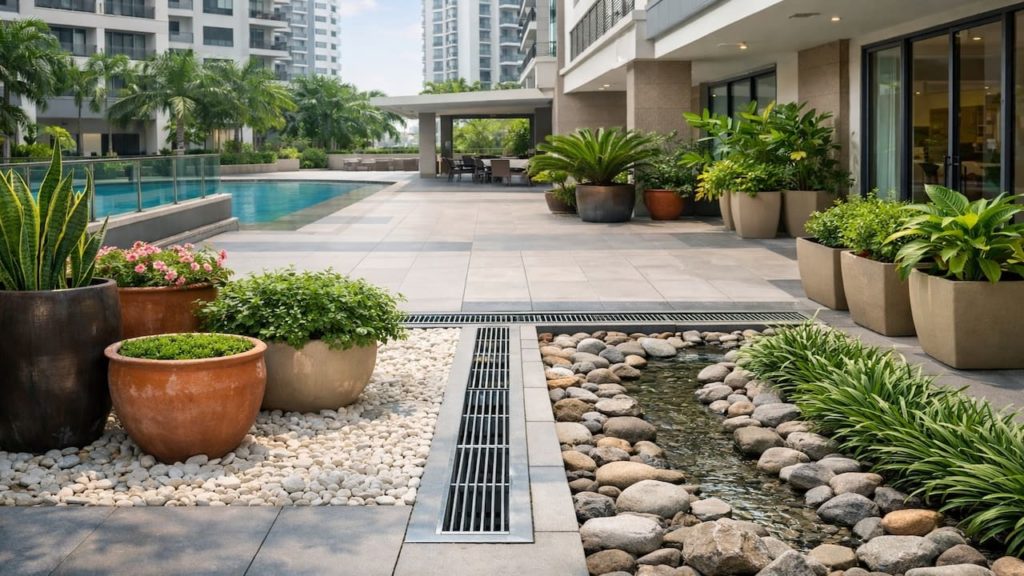
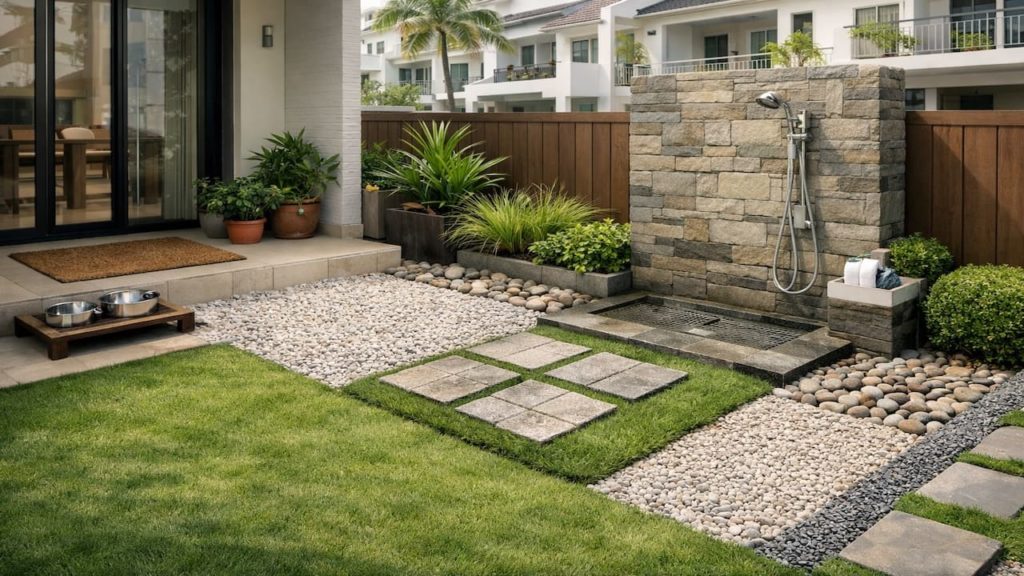
- Add gravel strip to stop splash near walls
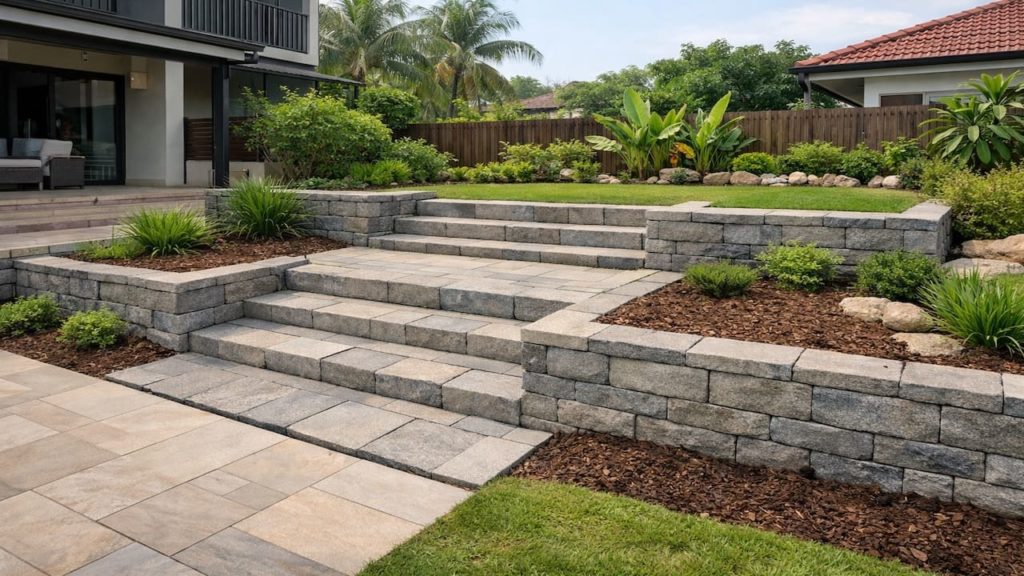
- Use raised decking tiles for fast drying
- Place fan outlet safely away from rain
- Choose quick dry cushions and removable covers
People sometimes add décor first and solve comfort later. That wastes money, because the hot damp base stays, so build the layout for airflow and drainage, then decorate with confidence.
5. FAQs
Q1. Where is the best spot for backyard seating in a terrace home?
Pick a spot that gets evening breeze and is not pressed into a corner. Avoid areas where downpipes splash or puddles linger after a storm.
Q2. Is a solid awning always cooler than a pergola?
A solid awning blocks sun well, but it can trap heat if sides are closed. A pergola with gaps can feel cooler in humid nights because hot air can escape.
Q3. How do I stop the seating area from smelling damp?
Improve drying speed by clearing drains and keeping cushions off the ground. Dry first then decorate because humidity will punish anything that stays wet.
Q4. What plants help shade without blocking airflow?
Choose upright plants with spaced stems rather than dense hedges. Prune regularly so you keep privacy while letting wind pass through.
Q5. What is the fastest upgrade for comfort during hot weeks?
Add filtered shade and a safe fan point, then reduce heat storing surfaces with lighter finishes. Even one small change can make the space usable again.
Pro’s Tough Talk

I’ve been on site for 20+ years and handled hundreds of jobs, and backyard seating mistakes show up the first hot week. Malaysia sun cooks the slab, then rain steams it like a kitchen pot.
Three causes keep repeating. People build a solid roof and trap heat. They pack plants tight and kill the breeze. They ignore drainage, so everything stays damp and smells like wet shoes.
Three steps fix most of it. Pick a seat spot where air moves at dusk. Route water away from the mat and wall base. Use breathable shade so heat can rise and leave.
You don’t need to blame yourself and you don’t need to call every contractor evil, but shade that blocks airflow makes the space hotter. It is like wearing a raincoat in a sauna, and yeah, some guys sell that “premium cover” like it is magic.
Relatable moment one, you sit down and your chair feels warm like a car seat. Relatable moment two, you bring cushions out and they smell musty again by night. Build it to breathe, or enjoy your backyard as a decorative oven.
Summary
A cooler backyard seating zone in Malaysia comes from airflow, filtered shade, and fast drying surfaces. Treat it like a microclimate, not a furniture problem.
If the area still feels sticky after 2 storms and 2 hot days, assume heat storage and poor ventilation are still winning. Reduce solid barriers, open escape gaps, and improve water exit.
Today, choose one breezy seat spot and fix one water path, then continue with the next guide on walkway and drainage checks for wet season safety so your whole outdoor area stays usable.