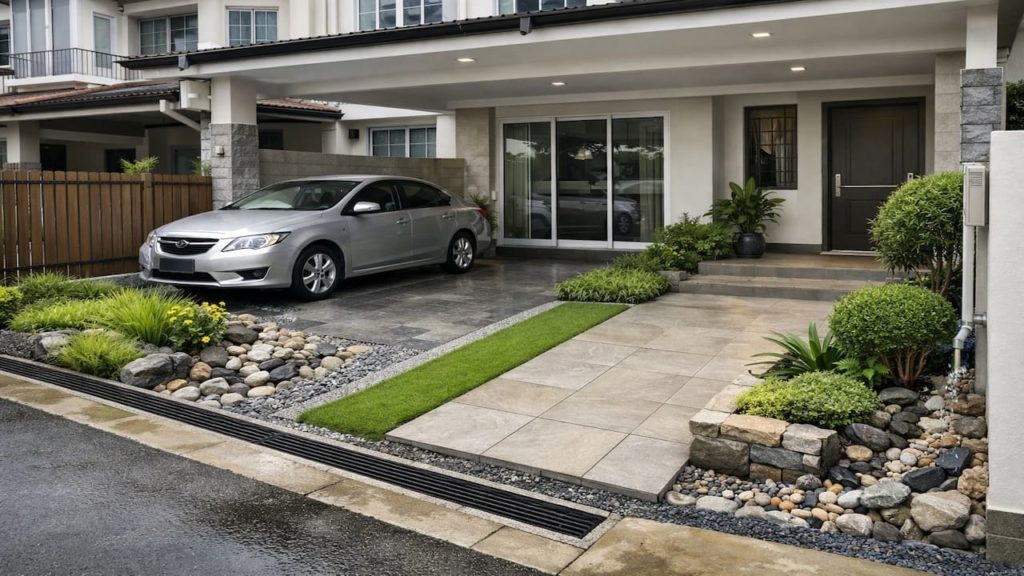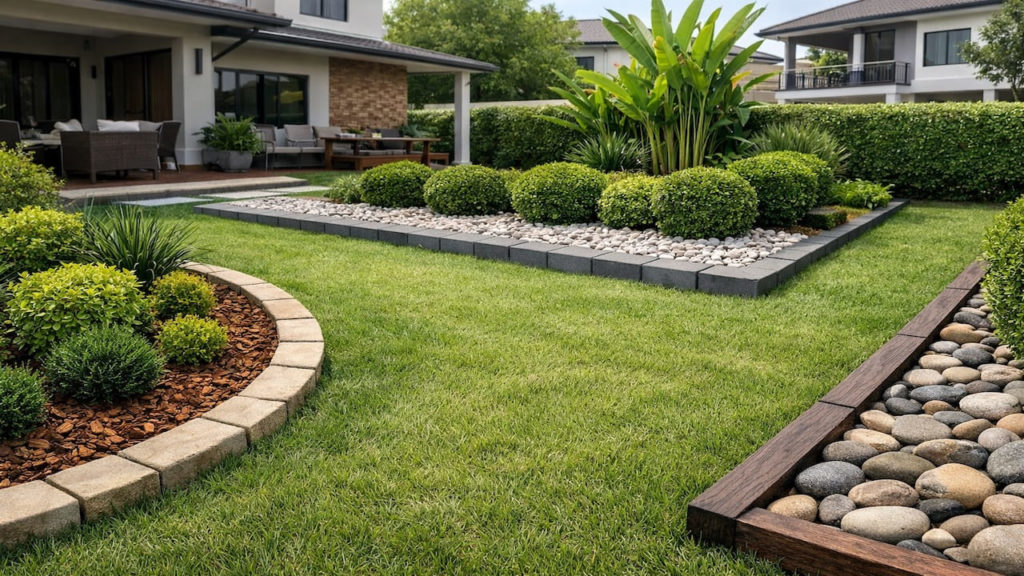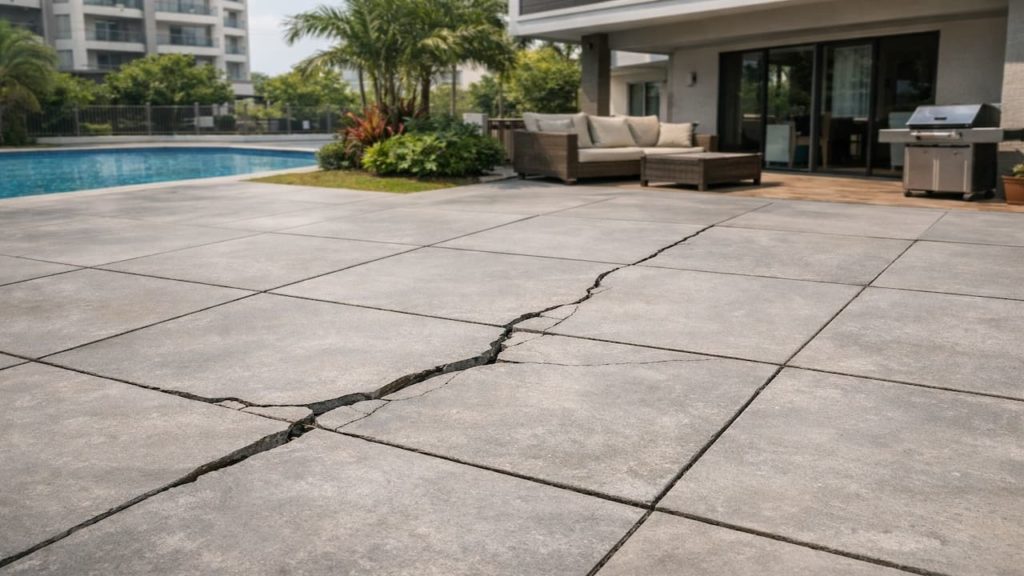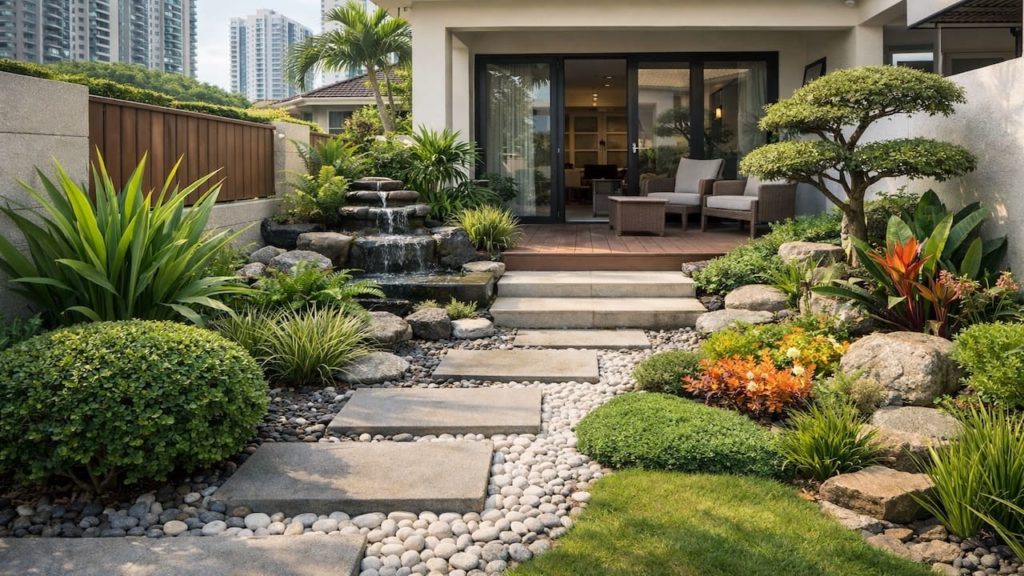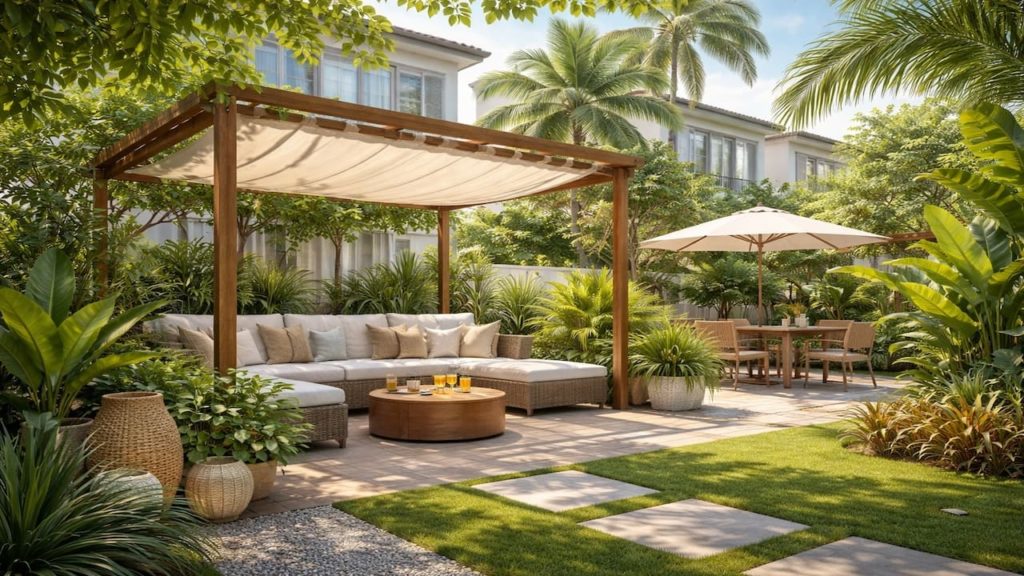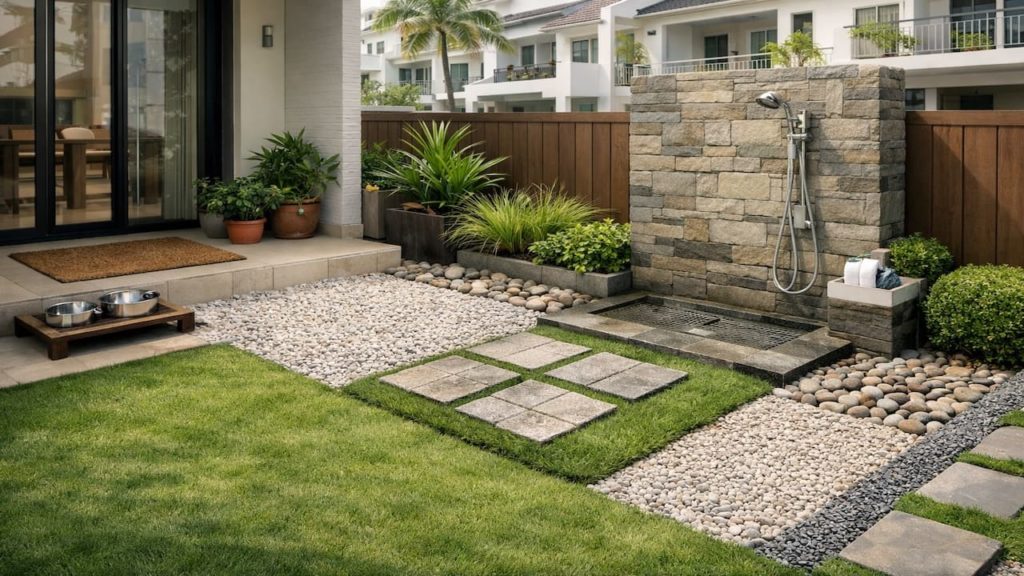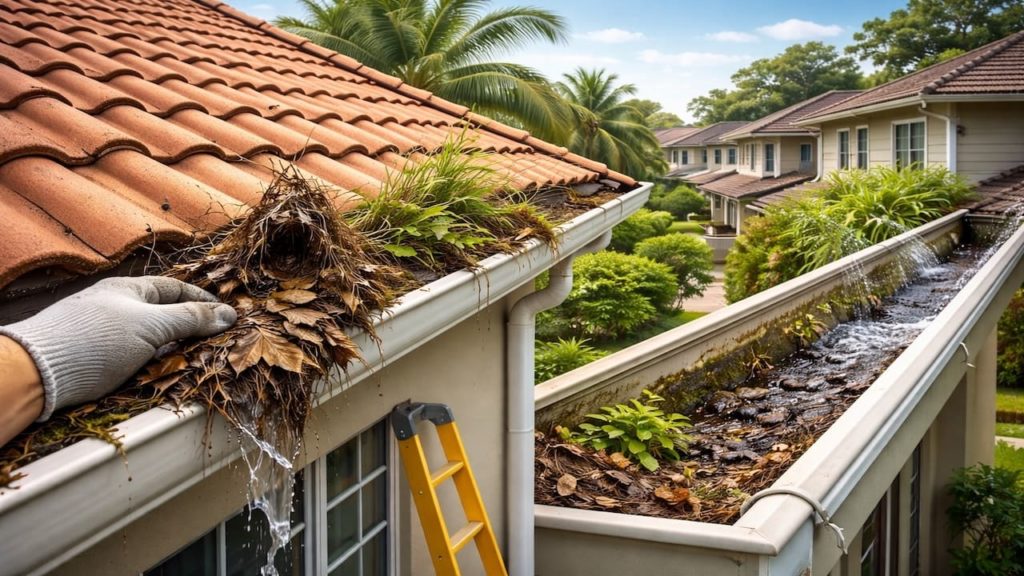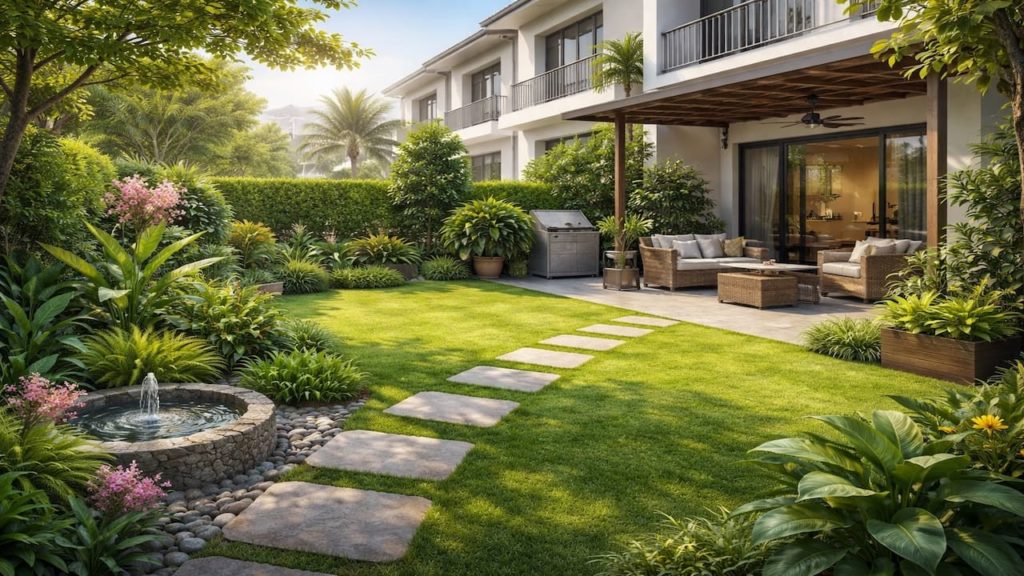
Landscape design in a Malaysia terrace home can look fine on day 1. Then the first wet season storm hits, and heat bakes the paving. It is common.
You might be searching because plants keep dying, the porch stays damp, or the yard feels hotter after you “upgraded” it. Humid air and sudden rain expose weak choices fast. Not fun. It gets old.
In this guide, you’ll learn how to avoid tropical landscape mistakes before money is wasted. You will spot traps that create glare, heat, puddles, and mosquito spots around Malaysian homes.

Hi, I’m Ken. I write practical home guides for Malaysia—no fluff, just what works.
I hold a formal building design qualification and have spent about 20 years on job sites across hundreds of projects. My goal is simple: help you avoid costly mistakes with clear, safe steps—a quick way to decide what to do next.
1. Landscape design mistakes: 5 traps
Most regrets come from ignoring sun rain and airflow.
In Malaysia, hard surfaces store heat and rainwater lingers, so small design errors stack up—one trap often triggers two more. Hard reality. No mercy.
- Copy a cool climate garden plan blindly
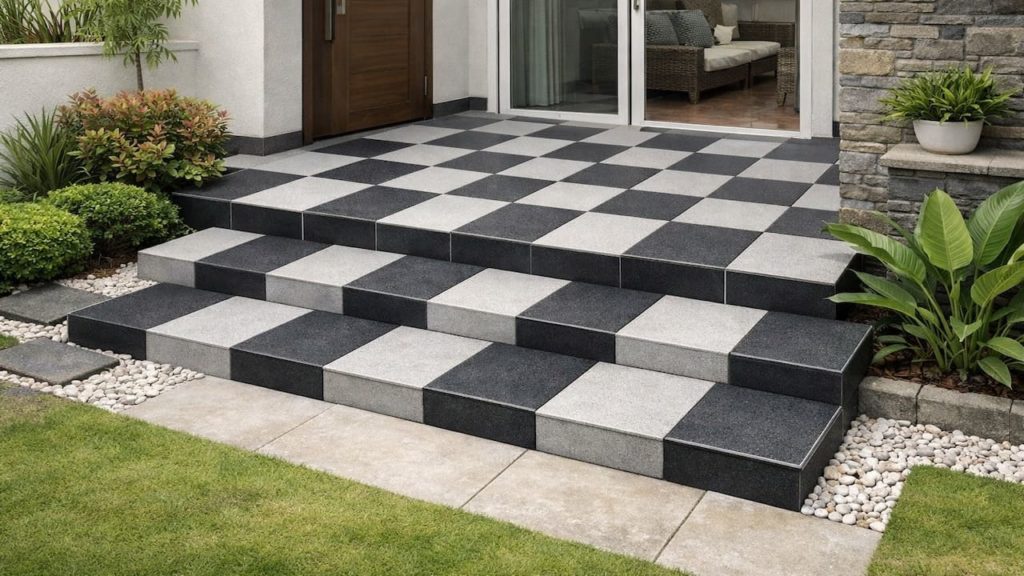
- Cover the whole yard with dark pavers
- Build planters without a proper drainage exit
- Plant dense hedges tight against damp walls
- Hide gullies under decor stones and soil
People say landscaping is personal taste and any plan can work. Taste matters, but tropical physics does not negotiate, so avoid these traps first.
2. Avoid heat and rain season regrets
Design for shade and water movement from day one.
Heat season and rain season are not separate here. They alternate in the same week, and wet tiles reflect light into your eyes—so comfort and safety need planning. Night safety counts.
- Map noon sun on porch and driveway
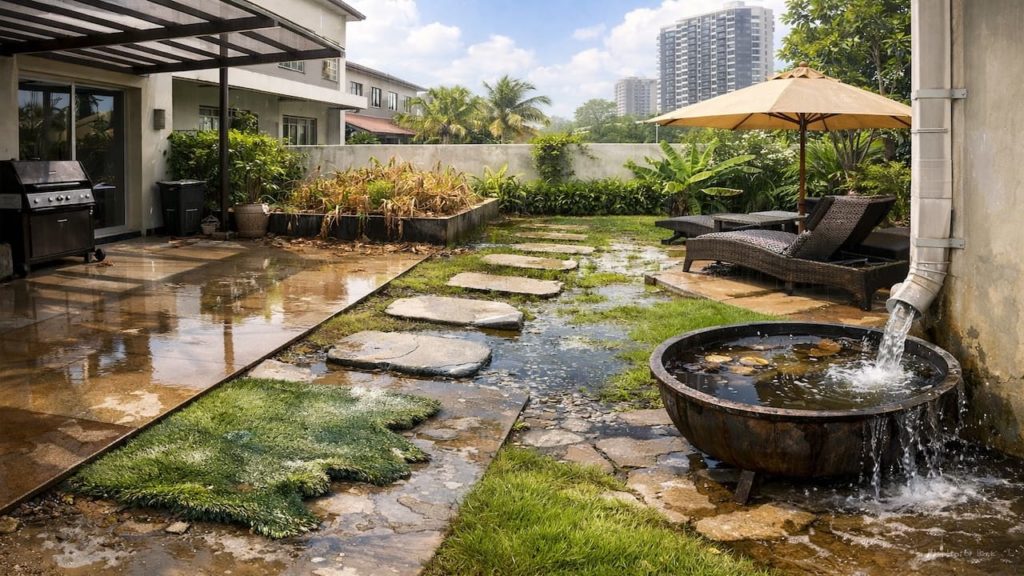
- Keep one clear runoff route to the drain
- Use light colored finishes near walking paths
- Leave airflow gaps behind pots and screens
- Raise soil beds above known puddle zones
Some homeowners prefer a clean minimalist slab look. It looks modern, but if it traps heat and water, you will hate it at night and after storms.
3. Why tropical heat magnifies landscape traps
Heat stress makes small water issues turn into damage.
Hot surfaces expand and joints open. Rain finds the path, and humidity keeps everything wet longer—moss and paint peeling show up early.
- Check tile joints for sinking grout lines
- Look for algae film where shade stays
- Inspect wall base for damp paint bubbles
- Test soil drainage with a small hole
- Watch downpipe splash during heavy rain events
You may think this is normal in wet season and nothing helps. It is common, but it is fixable once you treat heat and water as one system. No luck needed.
4. How to redesign for shade drainage and low maintenance
Fix the flow first then add plants that match shade.
Start with what moves water out and cools surfaces, then choose plants that fit the microclimate of your terrace lot—less drama later. Simple plan. Less cleaning.
- Extend downpipe outlet away from planting beds
- Create a shallow swale toward the gully
- Add gravel strip along the wet wall base
- Install shielded path lights near slippery steps
- Choose pots with feet for under airflow
Some say you should buy plants first and adjust later. You can, but redoing hardscape costs more than a week of mapping, so redesign the flow first.
5. FAQs
Q1. What is the biggest landscape mistake for terrace homes?
Ignoring where water exits is the classic mistake. If runoff cannot leave fast, puddles return and mosquitoes find a breeding spot.
Q2. Is more shade always better in Malaysia?
Shade helps comfort, but too much without airflow keeps surfaces damp. Balance shade with drying airflow and a clear drain route.
Q3. How can I cool a hot driveway without a major rebuild?
Add layered shade and avoid dark finishes near walking zones. Use small changes that reduce glare and surface heat and test after one sunny week.
Q4. Why do plants rot even when I water less?
Root rot often comes from trapped water, not overwatering alone. Poor drainage and compact soil keep roots wet through humid nights.
Q5. How do I reduce mosquitoes without fogging chemicals?
Remove standing water sources and make puddles drain within 24 hours. Clean pot trays and clear gullies after storms.
Pro’s Tough Talk

I’ve been on site for 20+ years and handled hundreds of jobs, and I swear terrace landscaping failures all rhyme. Malaysia heat cooks the ground, then rain dumps a bucket on the same spot.
Three causes keep showing up. First, people chase looks and forget drainage exits. Second, they pave everything and create a frying pan yard. Third, they pack plants tight and kill airflow.
Three quick steps. Do a bucket test and watch where water stalls. Mark the noon sun patch on the porch. Lift pots and open a gap behind every screen.
You are not stupid and the contractor is not always a villain, but the yard fails when water and heat get no escape. Think of it like a clogged nose, nothing feels right until it clears.
Relatable moment one, you walk out in slippers and almost skate on algae. Relatable moment two, you find mosquito larvae in a “hidden” tray. Keep buying fancy plants if you want, the mosquitoes will clap.
Summary
Avoiding landscape regrets in Malaysia starts with shade, drainage, and airflow. Treat heat and rain as one system, then design around it.
If puddles, algae, or hot glare keep returning after minor tweaks, correct slope and outlets before adding more decor. Hard decisions save money.
Do one sun map and one bucket test today. Then move one outlet or add a gravel strip, and continue with the next guide on fast drainage checks that stop mosquito puddles for nights.