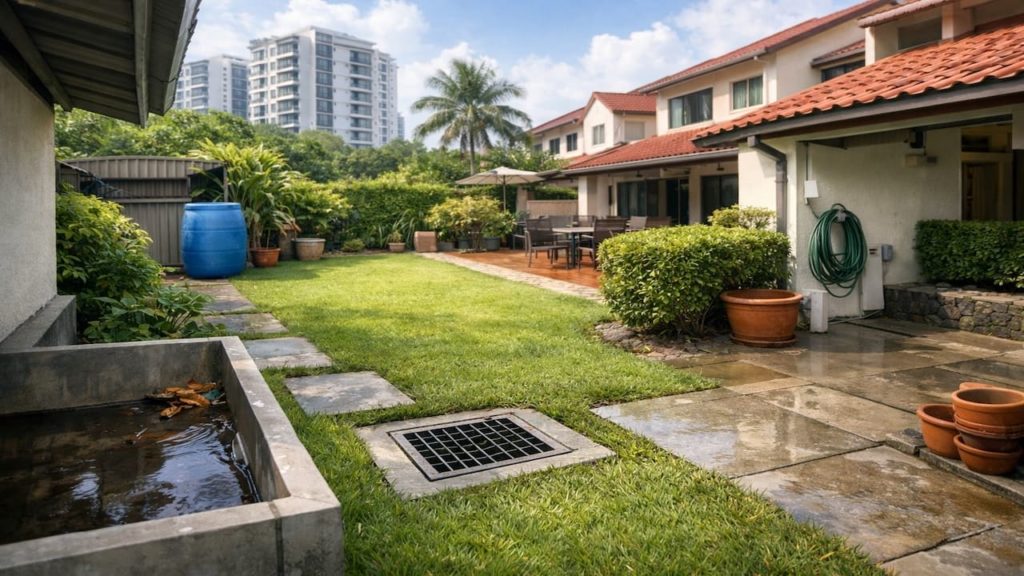
You searched because your drain cover keeps clogging with leaves, and after rain the overflow smells bad around your porch or side lane in Malaysia. It feels unhygienic. It spreads fast.
In humid weather, trapped organic debris rots quickly, and heavy downpours push that dirty water back up through floor traps and yard grates. Terrace house drains and condo service corridors are especially unforgiving. No airflow.
In this guide, you’ll learn how to stop leaves and overflow smells with simple drain cover checks so water clears fast in rainy season and the area stays cleaner with less scrubbing.

Hi, I’m Ken. I write practical home guides for Malaysia—no fluff, just what works.
I hold a formal building design qualification and have spent about 20 years on job sites across hundreds of projects. My goal is simple: help you avoid costly mistakes with clear, safe steps—a quick way to decide what to do next.
1. Landscape drain cover: 5 checks
Fix the drain cover before the drain fails because Malaysia rain will expose every weak gap and clog.
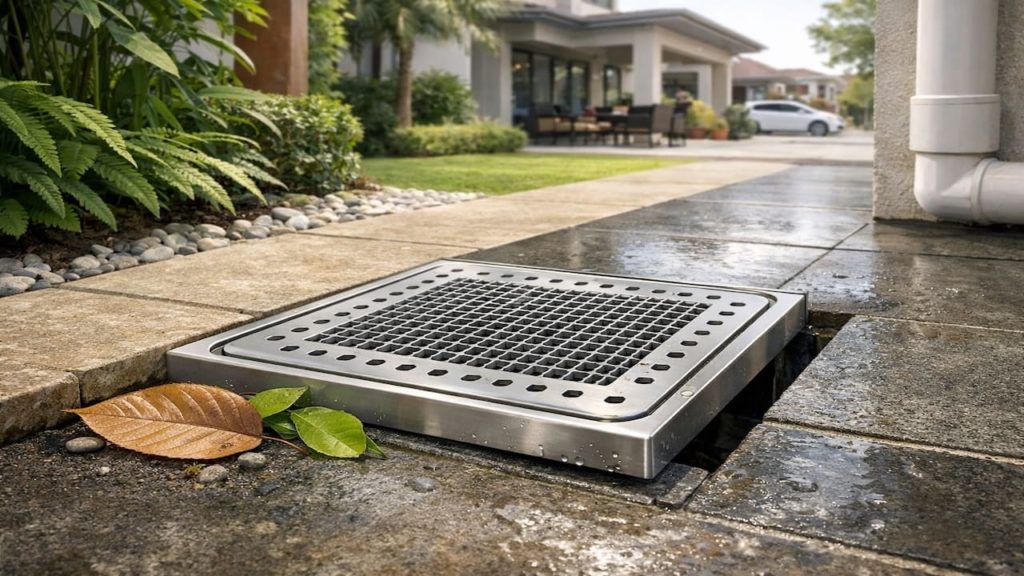
Start with the cover fit and what sits under it—one loose edge lets leaves slip in and silt build up in silence. Quick check. Do it right after a storm.
- Lift cover and inspect debris layer thickness
- Check cover sits flat on all edges
- Verify grate holes block common leaf sizes
- Test water flow with bucket pour quickly
- Smell under cover for sour stagnant odor
Some people say “just hose it weekly,” but hosing pushes more sludge into the trap, so check fit and blockage first, then clean with intention. Less stink.
2. Block leaves and stop overflow smells
Block leaves at the surface and keep air moving because trapped wet debris becomes odor in Malaysia heat.
Overflow smell is not magic—rotting leaf soup plus low oxygen creates that nasty sour note. Fix the leaf entry points and the smell drops fast. Simple hygiene.
- Add leaf basket insert under drain cover
- Choose finer mesh screen for rainy season
- Seal cover frame gaps with removable gasket strip
- Raise nearby soil edge to stop wash in
- Rinse basket and dry in sunlight weekly
You might think fragrance blocks or drain chemicals are enough, but they only mask the source, so block leaves first and you stop the rot cycle. Real fix.
3. Why drain covers clog and smell in Malaysia
Clogs happen when leaves meet fine silt and Malaysia humidity turns that mix into sticky paste.
Wet season storms bring leaf drop, roof grit, and road dust, then water compacts it into a mat under the grate—water slows, bacteria grows, odor follows. Predictable. No mystery.
- Leaf litter forms a mat across grate openings
- Fine sand settles and locks debris in place
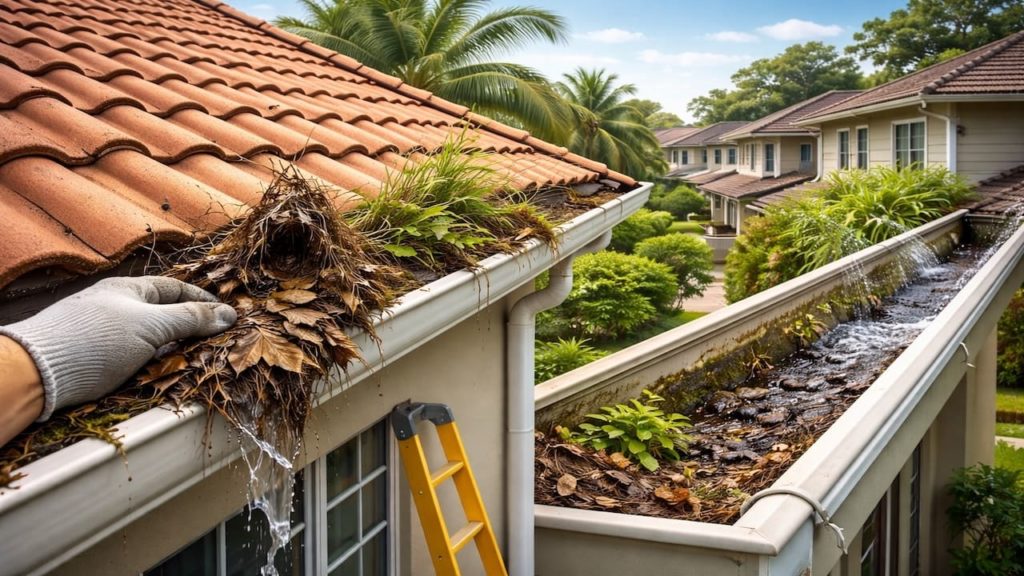
- Gutter overflow dumps extra sludge into drains
- Flat paving lets puddles sit and ferment
- Insects and larvae thrive in stagnant corners
Some blame only “bad drain design,” but even good drains fail when the cover lets debris in, so control the input and the system stabilizes. That is the lever.
4. How to keep drains clear and odor free
Build a two stage filter and a fast clean habit so rainwater exits and smells do not build up.
Think like maintenance in Malaysia: short frequent actions beat rare deep cleans—humidity never gives you a break. Keep tools nearby and make it a 3-minute routine.
- Install removable basket and rinse after storms
- Flush drain trap with clean water monthly
- Scrub underside of cover to remove biofilm
- Clear nearby leaves before they reach grates
- Improve slope so water moves away quickly
People say “I do not have time,” but the time cost is paid later as flooding and smell, so set the small routine and you avoid the bigger mess. No drama.
5. FAQs
Q1. Why does my drain smell worse after rain?
Rain pushes rotting debris water into the trap and stirs up bacteria. In Malaysia heat, that smell intensifies quickly if leaves stay trapped.
Q2. Is a finer mesh cover always better?
It blocks leaves better, but it can clog faster if you never rinse it. Use a mesh plus a basket insert so cleaning is easy.
Q3. Can I pour bleach or chemicals to stop odor?
Chemicals may reduce smell for a short time, but they do not remove the debris. Remove the leaf sludge first then use mild cleaning if needed.
Q4. What should I do if water overflows onto my porch?
Clear the cover and basket immediately, then check slope and downpipe discharge nearby. If overflow repeats, the drain line may be partially blocked.
Q5. How often should I clean drain covers in rainy season?
After heavy storms and at least weekly for leaf-heavy areas. If you smell sour odor when lifting the cover, clean that day.
Pro’s Tough Talk

I’ve been on site for 20+ years and handled hundreds of jobs, and drains in Malaysia don’t “suddenly fail” out of nowhere. They get fed garbage little by little. Then they burp it back at you.
3 causes, same every time: leaves slide past a loose cover, silt packs in like cement, and water sits there warm like soup. That is the recipe.
Do 3 steps now: add a basket insert, seal the frame gaps, and rinse after storms before the stink cooks overnight. Short work.
Don’t blame yourself and don’t call every contractor useless, but stopping debris at the top is the whole game. Treat the drain like a filter not a trash hole.
Two relatable moments: you lift the cover and the smell slaps you, and you hose the porch then the water rises like a tiny flood. That drain is not “blocked,” it’s just living its best life like a clogged straw and you’re the waiter. Nice.
Summary
Drain cover problems in Malaysia are mostly input problems: leaves and silt enter, water slows, and odor grows. Stop the input and the system calms down.
If overflow happens more than once a month in rainy season, upgrade to a basket insert and gap sealing, and check nearby runoff sources like gutters and downpipes. If smell persists, flush the trap and inspect for deeper blockage.
Block leaves at the surface and clean little often then follow your wet season maintenance and runoff control guides to keep the whole entry area fresh.