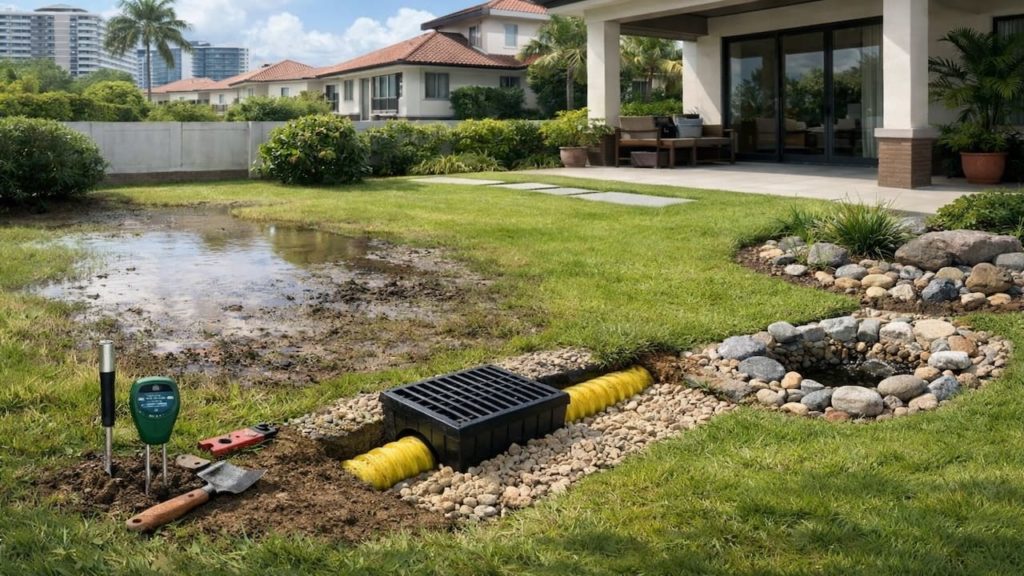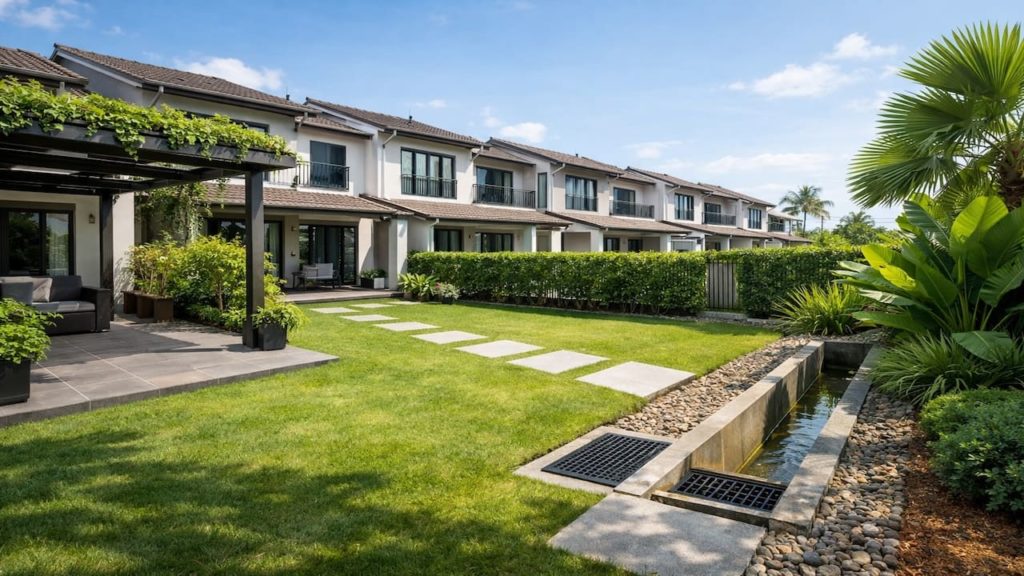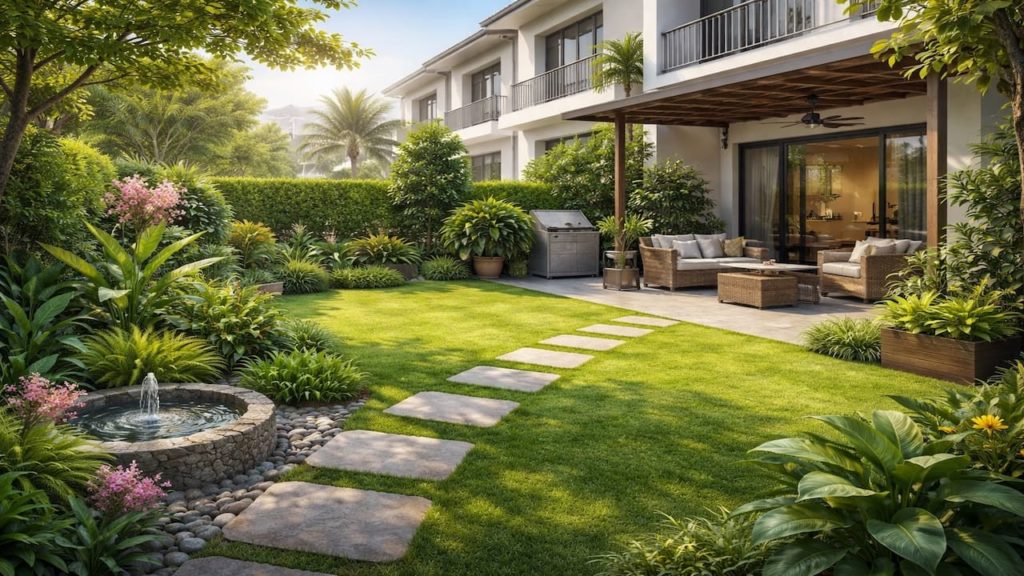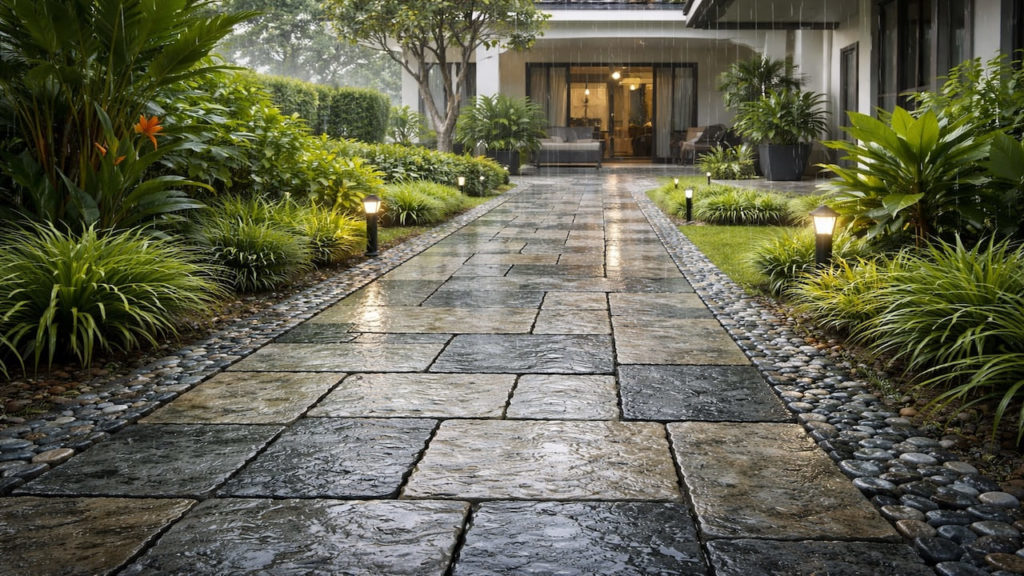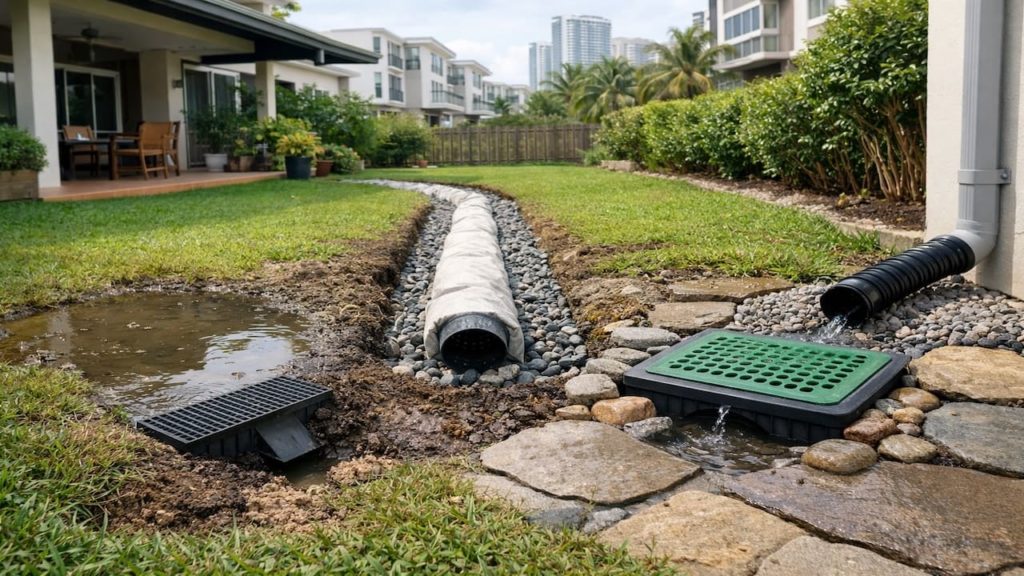
Landscape drainage in a Malaysia terrace home can turn annoying fast. One low spot becomes a puddle every storm, and humid nights keep it slow to dry. It spreads fast.
You may be searching after mosquito bites, slippery porch tiles, or damp smells near the wall base. In terrace rows, runoff can come from roof lines and driveway edges. Small space, big impact.
In this guide, you’ll learn how to stop puddles quickly by checking drainage basics first. Use simple tests for tropical downpours, tight lots, and typical terrace layouts in Malaysia.

Hi, I’m Ken. I write practical home guides for Malaysia—no fluff, just what works.
I hold a formal building design qualification and have spent about 20 years on job sites across hundreds of projects. My goal is simple: help you avoid costly mistakes with clear, safe steps—a quick way to decide what to do next.
1. Landscape drainage fixes: 5 checks
Find the true exit path before you chase the puddle.
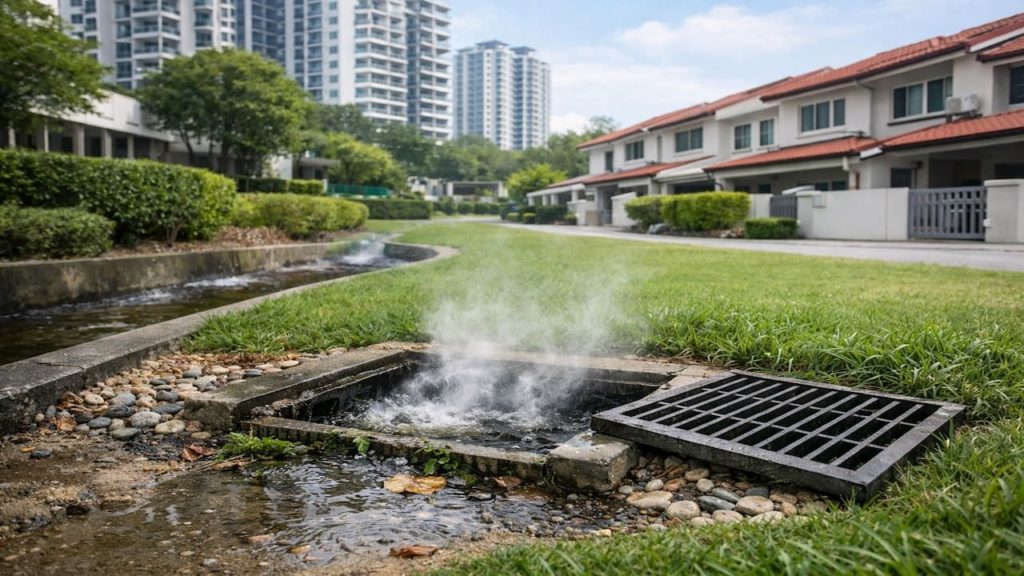
Puddles are usually a symptom, not the source—so start by finding where water should leave and why it stalls in your yard. Reality check. No guesswork.
- Pour water and trace the exit route
- Mark lowest tile corner with masking tape
- Check gully cover for leaves and sand
- Watch downpipe splash zone during heavy rain
- Test soil soak speed with a small hole
Some people think you can add soil or plants to “absorb” water. That helps a little, but if the exit is blocked, the puddle returns anyway.
2. Stop puddles that breed mosquitoes fast
Remove standing water in 24 hours or less.
Mosquitoes do not need a pond, they need time—humid Malaysia weather keeps small pools alive long enough to hatch, so speed beats perfection.
- Empty pot saucers and store trays upside down
- Raise planters on feet for airflow underneath
- Clear leaf mats from channel and gully edges
- Add gravel strip where puddles keep forming
- Patch small depressions with outdoor leveling mix
You might worry gravel looks messy or patching looks ugly. Fair, but bites and dengue risk look worse, so fix the water first then beautify. Health first.
3. Why terrace yards keep pooling after rain
Pooling happens when slope and outlets do not match.
Terrace homes often have flat concrete, small gullies, and shared boundaries—one weak link makes water sit, then algae and mosquitoes follow. Pattern.
- Check slope direction using a bottle water line
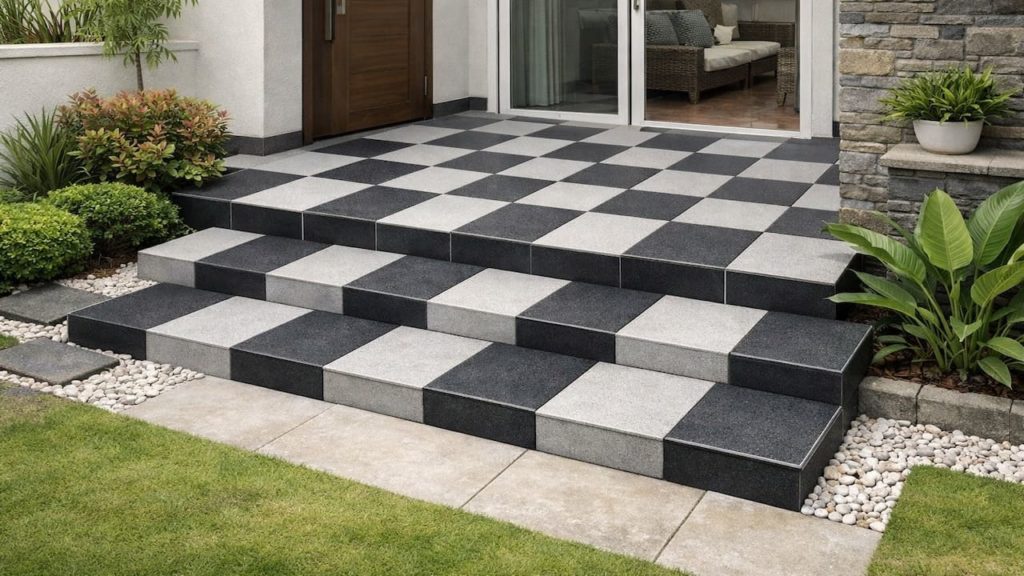
- Inspect tile joints for sunken grout gaps
- Look for soil wash marks along fence base
- Confirm downpipe outlet aims toward a drain
- Test gully flow by flushing one bucket
People blame “bad rain” or say this is normal in wet season. Heavy rain is real, but correct slope and clear outlets still move water out.
4. How to fix puddles without rebuilding everything
Start with small slope and outlet upgrades first.
You do not need a full redesign for most cases—small upgrades can stop pooling, reduce mosquitoes, and keep your porch safer in Malaysia’s nightly humidity.
- Extend downpipe outlet using a short elbow
- Create shallow swale to guide water outward
- Install channel drain cover with fine slots
- Seal tile edge gaps near the wall base
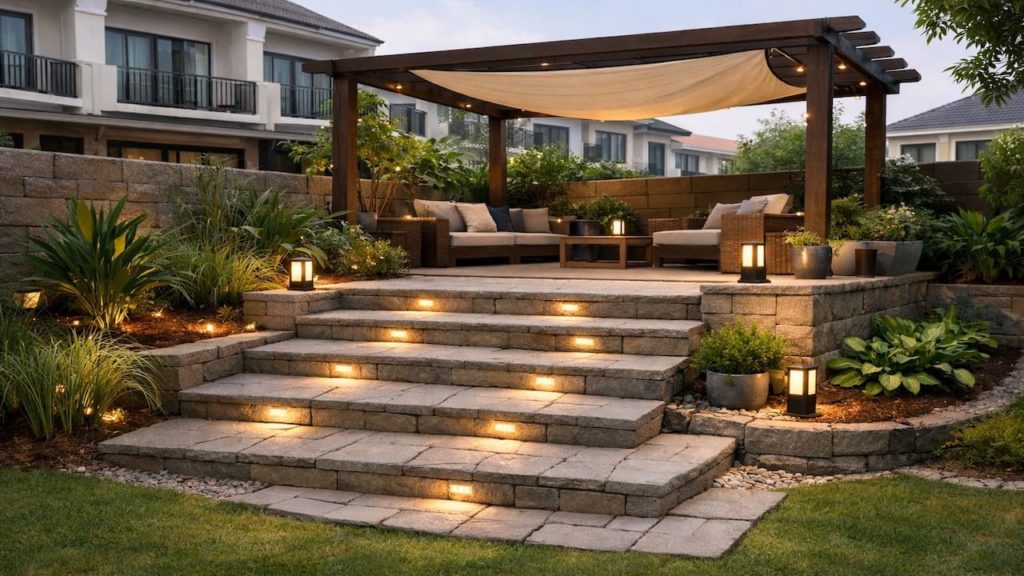
- Add stepping stones over the wet crossing line
Some homeowners want a “big fix” like a deep drain. Sometimes needed, but do the quick upgrades first, then reassess after 2 storms and one sunny day. Start cheap.
5. FAQs
Q1. How do I know if the puddle is from my roof?
Check the timing during rain and look under each downpipe outlet. If the puddle grows right after roof runoff starts, the outlet is a key driver.
Q2. Is it safe to use bleach on algae and moss outside?
It can damage plants and make tiles slippery, so use caution—especially near steps and drains. It also does not fix slow drying and trapped water.
Q3. What is the fastest mosquito prevention step outdoors?
Remove every container that holds water and make puddles drain faster. The goal is no standing water after the next rain so larvae never get time.
Q4. Do I need a French drain for a small terrace yard?
Not always, and many homes improve with slope correction and outlet extensions. If water still sits after upgrades, then a deeper drain may help.
Q5. Why does water pool even when the tiles look flat?
Tiles can look flat but still dip slightly at joints, and grout can sink over time. In humid weather, that tiny dip becomes a lasting puddle.
Pro’s Tough Talk

I’ve been on site for 20+ years and handled hundreds of jobs. Puddles are not “just weather” in Malaysia, because humidity keeps water hanging around.
Three causes show up again and again. First, the slope is basically zero. Second, the outlet exists but clogs with leaves and sand. Third, a downpipe blasts one spot nonstop.
Three quick steps get you moving. Do the bucket test and watch the exit. Clear gully and channel edges. Redirect downpipe splash away from the wall base.
You are not dumb and the contractor is not always evil, but the system fails when water has no clean exit. Fix the exit, then fix the looks. That order.
Relatable moment one, you step out at night and slip like a cartoon. Relatable moment two, mosquitoes “spawn” overnight. Your puddle was the nursery, champ, enjoy the VIP buffet.
Summary
Find where water should leave, then clear and guide that path. In Malaysia rain, puddles are an outlet and slope problem—fix those first. Today.
If pooling returns after 2 storms, check hidden dips, clogged gullies, and downpipe aim again. If it stays wet for days, consider a deeper drain option. Do not wait.
Do one bucket test today and fix one outlet. Then read the next guide on porch and walkway safety upgrades for wet season homes to cut slips and bites fast.