Landscape paving in Malaysia can look perfect in bright sun, then start cracking once heat and rain push the surface day after day.
You may be searching because small lines appeared near joints, tiles sound hollow, or the car porch feels hotter than before. Humid nights and sudden storms make early defects show faster. Annoying.
In this guide, you’ll learn how to spot early paving mistakes before cracks spread. You will check heat expansion signs, drainage stress, and terrace-home details common across Malaysia.

Hi, I’m Ken. I write practical home guides for Malaysia—no fluff, just what works.
I hold a formal building design qualification and have spent about 20 years on job sites across hundreds of projects. My goal is simple: help you avoid costly mistakes with clear, safe steps—a quick way to decide what to do next.
1. Landscape paving mistakes: 5 signs
Early warning signs show up before big cracks.
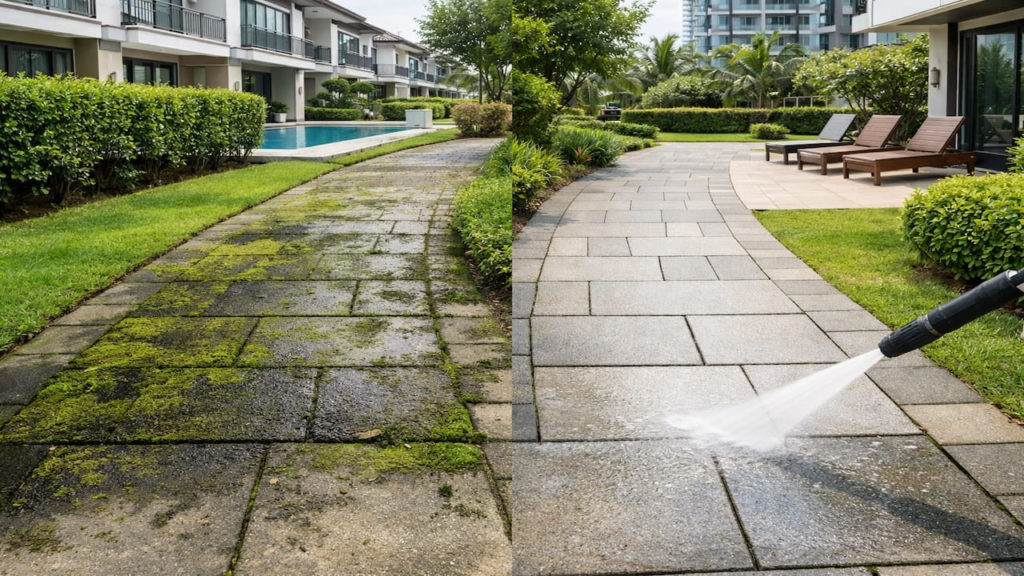
Malaysia heat expands paving every afternoon—then rain cools it fast at night, and that daily swing exposes weak base work and tight joints. No mystery. Watch closely.
- Inspect tile joints for hairline gaps daily
- Tap pavers and listen for hollow sounds
- Check edge lines for lifting near walls
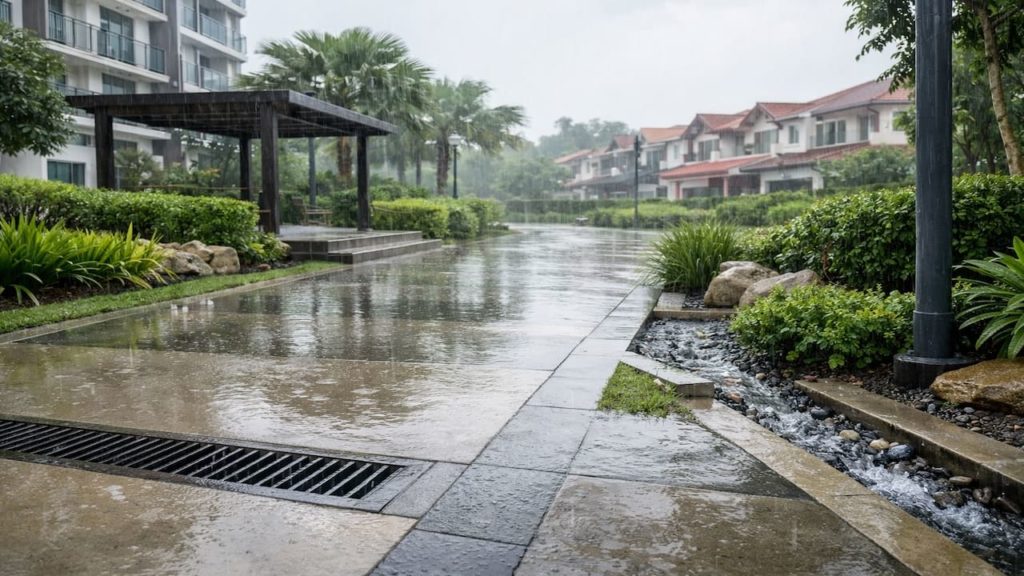
- Look for puddles staying on flat spots
- Scan grout for powder and sand loss
Some homeowners ignore tiny cracks and call it normal settling. Small movement is normal, but repeated heat and wet season stress multiplies damage, so act early and save money.
2. Heat expansion cracks show up early
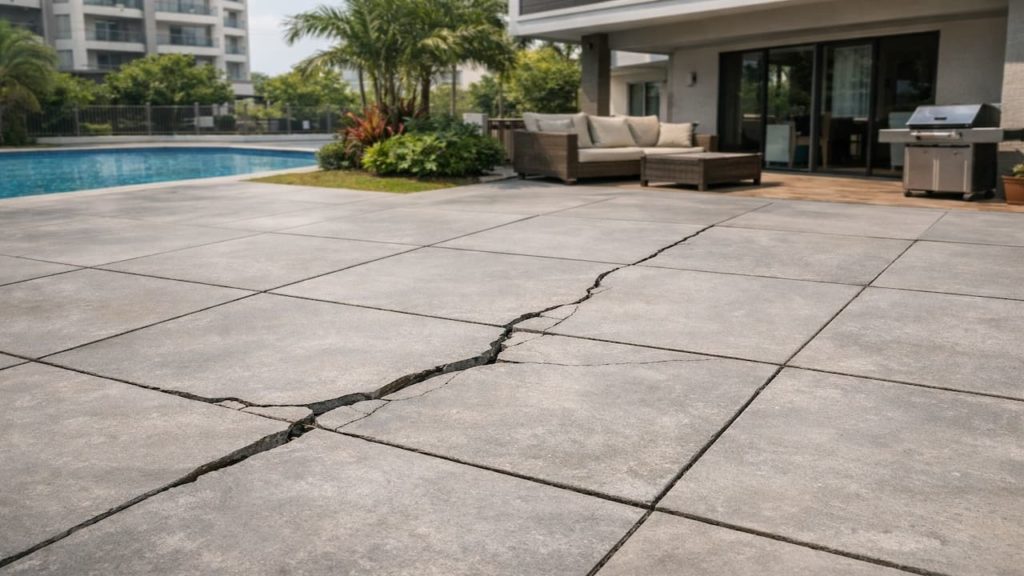
Heat expansion cracks appear first at restrained edges.
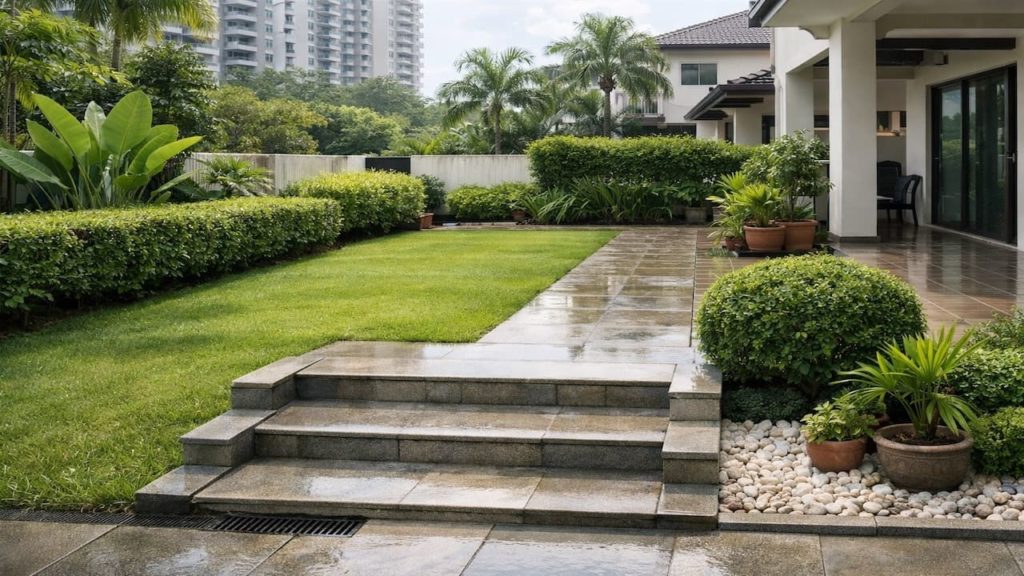
Terrace homes often have tight paving against walls, columns, and drains—when the slab cannot move, it cracks at the weakest line. Malaysia sun on car porches adds extra expansion pressure. Predictable.
- Measure gap between pavers and wall edges
- Check for rigid mortar touching metal gate posts
- Inspect corners near steps for first cracks
- Confirm expansion joints exist across wide paving
- Watch driveway tiles for mid day bowing
People think thicker tiles stop expansion cracks forever. Thicker helps, but restraint and missing joints still force stress into the surface, so cracks appear anyway and spread with each hot day.
3. Why cracks start in tropical paving systems
Cracks start when base and joints cannot handle movement.
In Malaysia, water moves fine sand into voids and softens the base during wet season—then heat dries it and the surface shifts slightly. That cycle repeats weekly. Wear and tear.
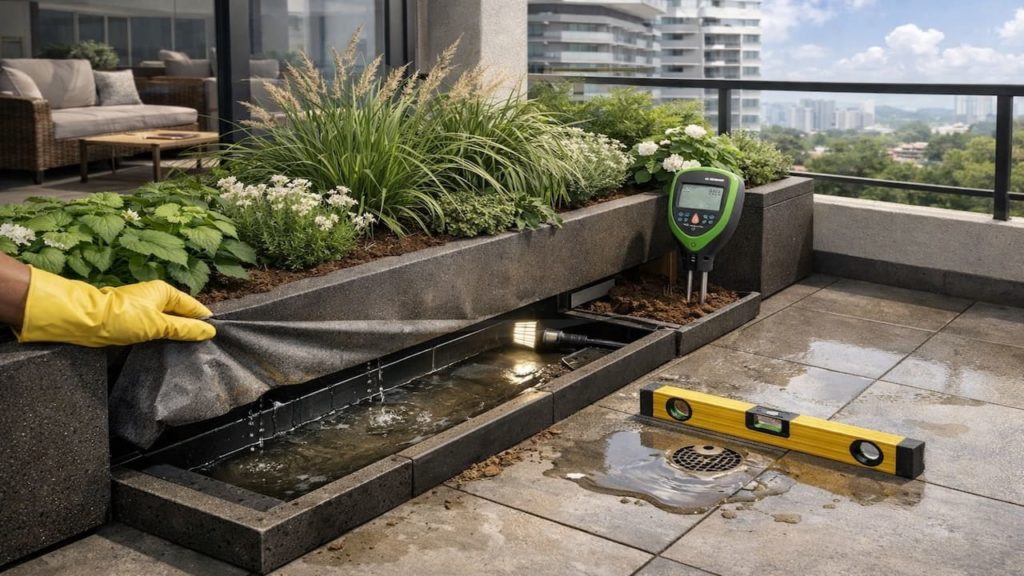
- Check base washout at drain and gully edges
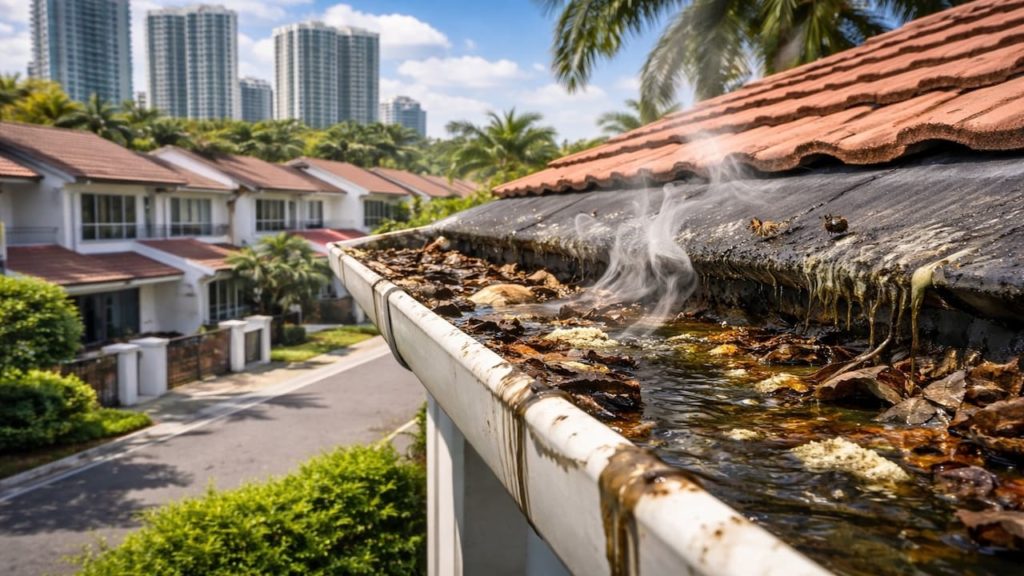
- Inspect downpipe splash patterns onto paving seams
- Look for ants carrying sand from joint lines
- Test slope direction using a bottle level
- Notice darker damp bands along wall base
Some blame the tile brand or color choice. Those matter less than base prep and joint design, so focus on movement control, water exit, and airflow drying in humid terrace layouts.
4. How to prevent early cracks and loose pavers
Prevent cracks by adding movement space and drainage control.
Start with water and heat because Malaysia weather stresses both at once—keep runoff away from edges and restore joint spacing first. Then fix soft spots before you resurface. Simple steps. Repeatable.
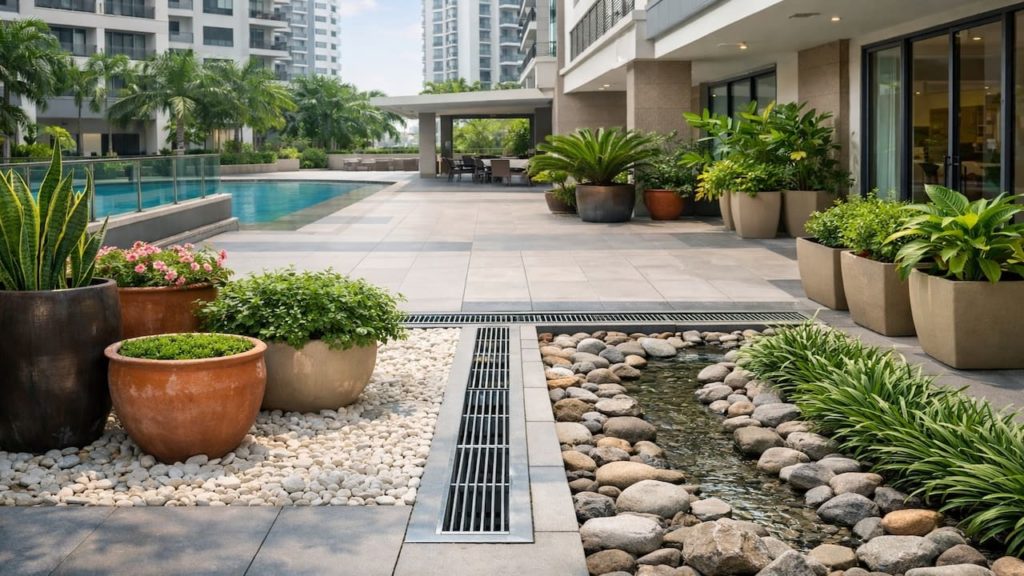
- Clear drain grates and flush outlets after storms
- Add flexible joint filler along wall boundaries
- Redirect downpipe flow away from paving seams
- Lift loose pavers and re compact base layer
- Seal grout lines with breathable outdoor sealer
Some say prevention is impossible without rebuilding everything. Full rebuild is sometimes needed, but many terrace homes improve by fixing outlets, adding joint gaps, and stabilizing the base where it sank.
5. FAQs
Q1. Are hairline cracks in outdoor tiles always a problem?
Hairline cracks can be harmless at first, but Malaysia heat cycles can widen them quickly. Track the crack length after rain and after a hot week.
Q2. Why do my pavers sound hollow when I tap them?
Hollow sound often means voids under the tile or poor bonding. In wet season, water can pump sand out and leave gaps that grow.
Q3. Should I seal outdoor paving in a humid climate?
Sealers can reduce stains. Trapped moisture can still cause issues if the product is not breathable. Use breathable sealing that still lets the base dry and avoid coating every drain path.
Q4. How fast should water drain off a car porch?
After a heavy downpour, puddles should shrink quickly, not sit overnight. If water stays for hours, algae and slipping risk rise fast.
Q5. When is it time to call a contractor for repairs?
If tiles lift, cracks spread weekly, or the base feels soft underfoot, get help. Early repair usually costs far less than full replacement.
Pro’s Tough Talk

I’ve been on site for 20+ years and handled hundreds of jobs, and outdoor paving in Malaysia is where shortcuts get exposed. Heat expands, rain cools, and the surface complains.
Three causes, same movie every time. No expansion gap, so the slab fights the wall. Weak base, so water turns it into porridge. Bad drainage, so puddles feed algae and soften joints.
Three steps right now. Mark cracks with a pen and recheck after 3 storms. Do the bucket test and find the true exit path. Fix downpipe splash and stop water punching one seam.
Cracks grow when heat and water have no relief. You do not have to blame yourself and you do not need to call every installer a villain. That is the structure, cold and simple, like a treadmill that never stops.
Relatable moment one, you step out at night and the tile feels slick like soap. Relatable moment two, you sweep sand from joints and it comes back tomorrow. Keep ignoring the signs and you will earn a front-row seat to the crack show.
Summary
Early paving damage in Malaysia shows up as hairline cracks, hollow sounds, lifting edges, and puddles that linger. These signs point to movement stress and drainage weakness.
If cracks change after 2 storms or after one hot week, focus on joints, outlets, and base stability before you chase cosmetic fixes. Fix water exit and give the surface room to move.
Tonight, tap-test a few tiles and run one bucket flow check. Then read the next guide on fast drainage checks that stop puddles before mosquitoes breed to keep your entry safer all wet season.