If ants keep marching along your porch tiles or you see tiny piles of sawdust near skirting, you are not alone in Malaysia terrace homes. Humidity makes it worse.
You might be searching because pests show up after heavy rain, plants touch the wall base, or damp corners never fully dry. Wet season runoff and warm nights create perfect conditions. Fast.
In this guide, you’ll learn how to reduce ants and termite risk near walls using simple checks. You will map moisture, entry points, and landscaping habits that quietly invite pests in Malaysia.

Hi, I’m Ken. I write practical home guides for Malaysia—no fluff, just what works.
I hold a formal building design qualification and have spent about 20 years on job sites across hundreds of projects. My goal is simple: help you avoid costly mistakes with clear, safe steps—a quick way to decide what to do next.
1. Landscape pests control: 5 checks
Start with moisture and entry points near the wall base.
In Malaysia heat and rain, pests follow water and shelter—so your first job is finding damp zones and hidden bridges to the house. No guessing.
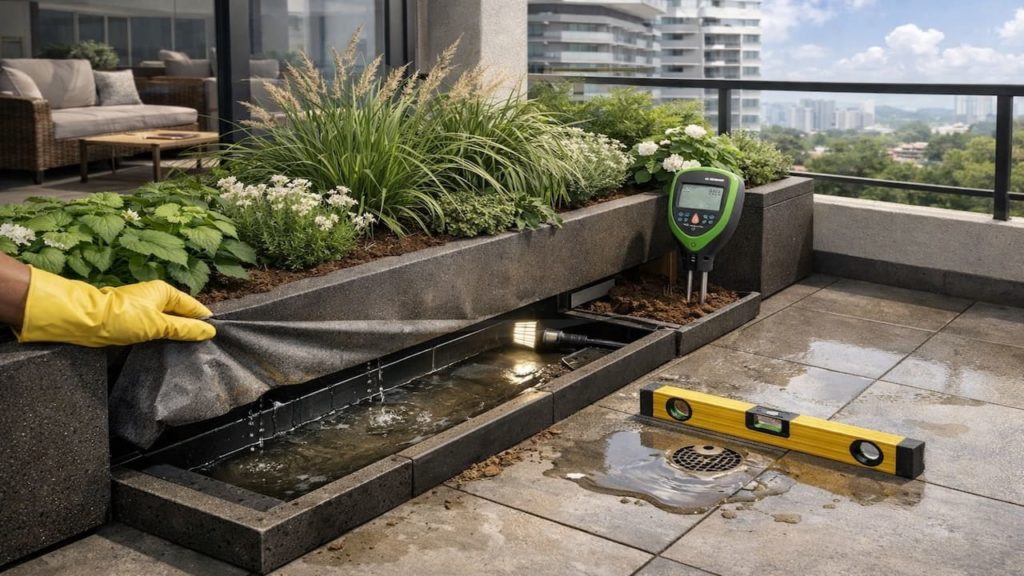
- Walk wall base and spot damp soil contact
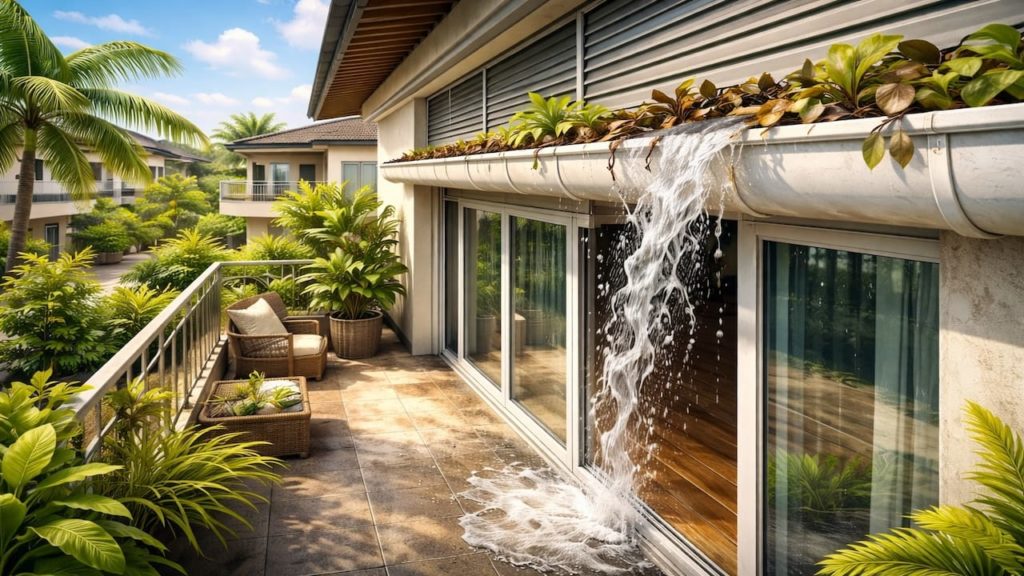
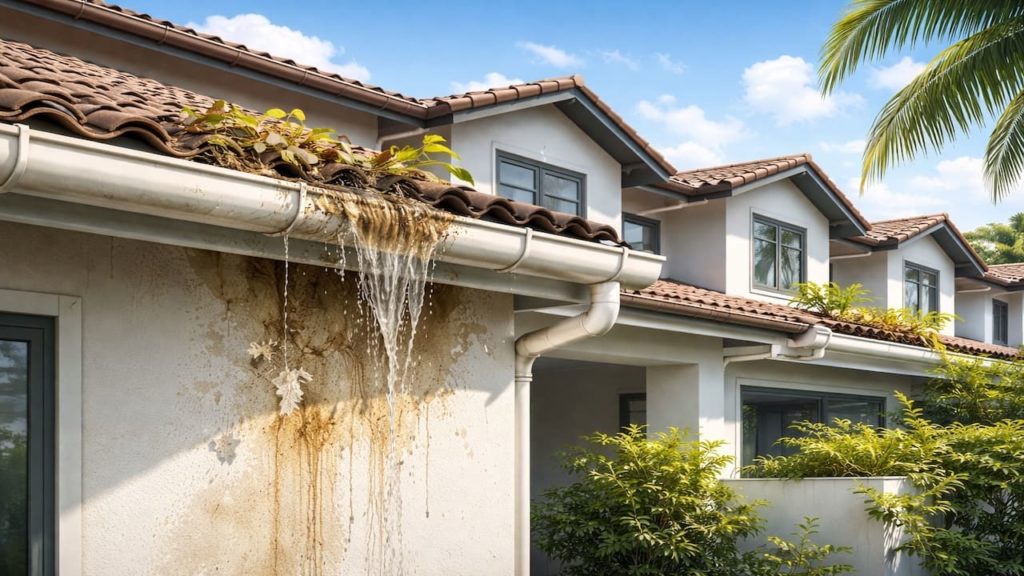
- Check downpipe splash hitting beds beside walls
- Inspect cracks where tiles meet wall base
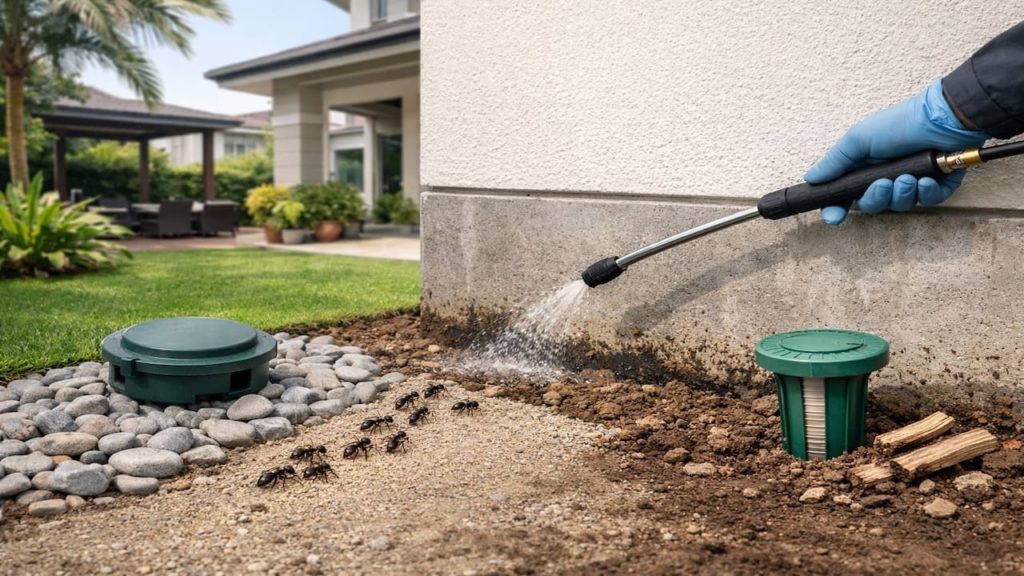
- Look for mud tubes on concrete and brick
- Track ant trails from plants to door gaps
Some people spray first and feel relief for a day. That can calm ants, but if moisture and entry points stay open, the problem returns and grows. Predictable.
2. Reduce ants and termites near walls
Keep soil plants and wood away from wall contact.
Ants and termites love hidden contact zones—when mulch, pots, or timber touches walls, they get cover and a direct route inside. Bad trade.
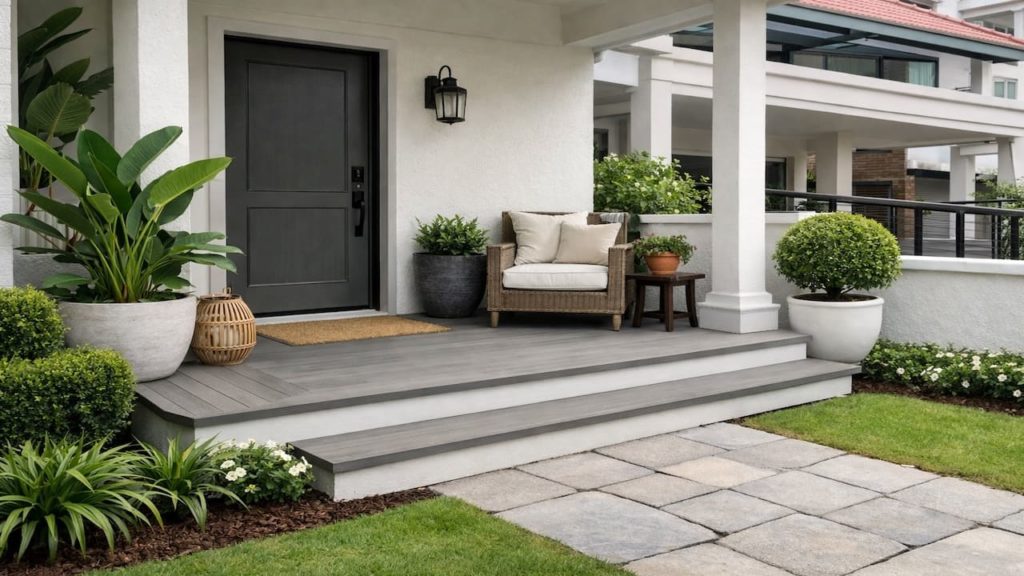
- Maintain 10 cm clear strip along walls
- Raise pots on feet for airflow underneath
- Trim plants so leaves avoid touching walls
- Store wood away from damp shaded corners
- Seal small gaps at door threshold edges
You might worry the clear strip looks bare and less green. True, but it keeps airflow and visibility, and that alone reduces pests near walls. Clean line.
3. Why ants and termites gather near terrace walls
They gather where moisture shade and food meet.
Malaysia terrace layouts create narrow side gaps and shaded wall bases—after rain, moisture stays trapped and pests can travel unseen. That is the structure.
- Check mulch that stays wet after rain
- Inspect leaking outdoor taps near wall corners
- Look for algae film on shaded tile edges
- Notice sugar residue near bins or pet bowls
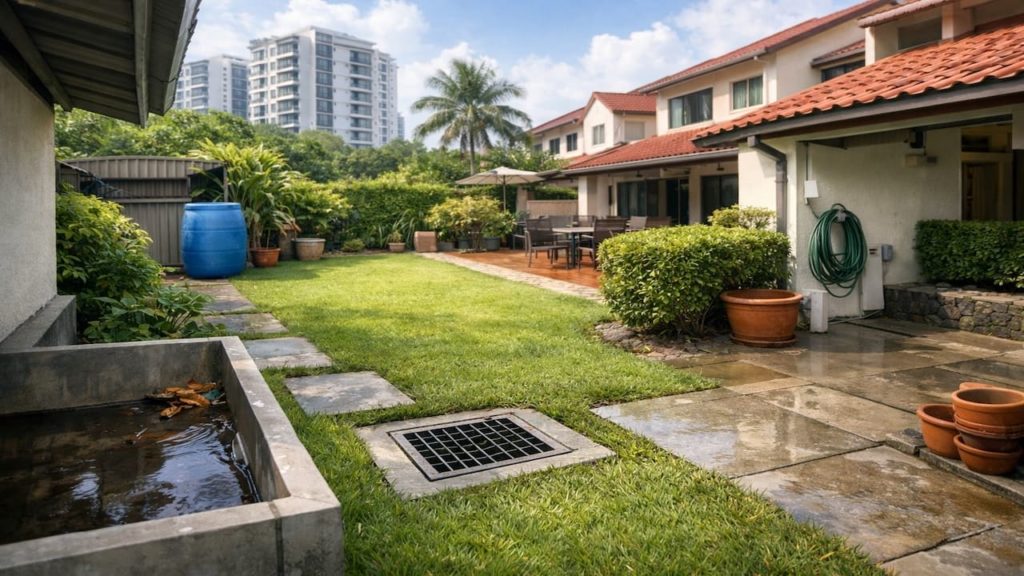
- Confirm drains clear within one hour
Some homeowners blame only the neighbor’s yard or “bad luck.” Neighbors matter, but your moisture and access points decide if pests settle at your wall. Control that.
4. How to cut pest pressure using landscape changes
Fix water flow then remove the hidden bridges.
Do the water fixes first—when runoff is controlled, wall bases dry faster and termites lose the wet highway they prefer. Big difference.
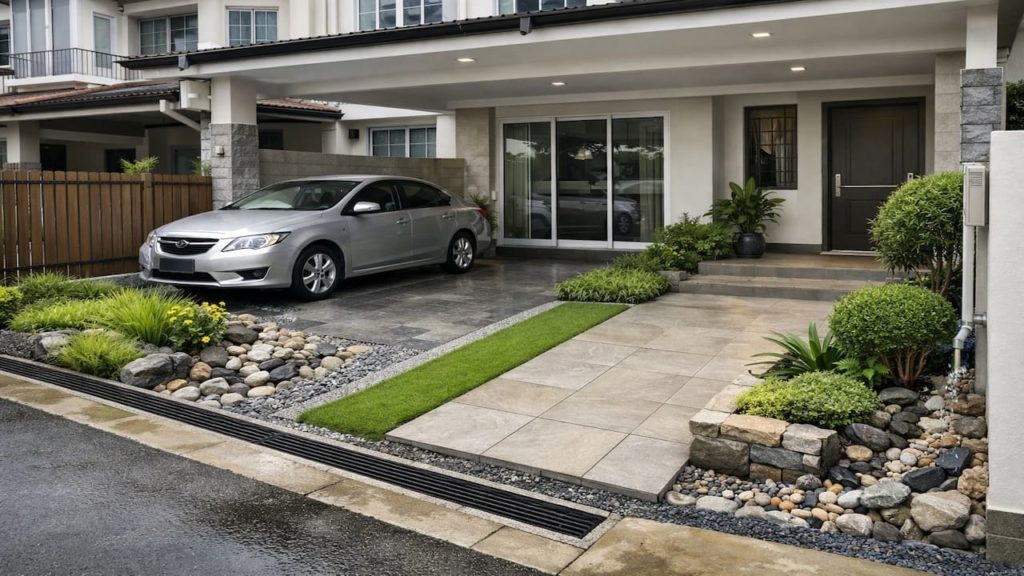
- Redirect downpipe outlet away from wall base
- Add gravel strip to stop soil splash
- Improve slope so water exits toward drain
- Remove mulch piled against external walls
- Schedule professional termite inspection if tubes appear
People say landscaping cannot affect termites and only chemicals work. Chemicals can help, but landscape fixes reduce moisture and access, so treatments last longer and problems shrink. Smarter.
5. FAQs
Q1. Are ants in the yard always a termite warning?
No, ants are common in Malaysia and often chase food or water, not wood. Still, heavy trails near wall cracks mean you should check moisture and entry points.
Q2. What are the most obvious termite signs near walls?
Mud tubes on concrete, hollow sounding timber, and persistent damp spots near the wall base are classic clues. If you see tubes, treat it as urgent.
Q3. Should I remove all mulch to stop termites?
Mulch is not always the enemy, but keep it away from walls and keep it thin so it dries fast. Dry wall bases reduce termite pressure in wet season.
Q4. Can gravel around the house help with pests?
A clear gravel strip improves visibility and reduces splash and damp soil contact. It does not replace inspection, but it supports a drier perimeter.
Q5. When should I call a licensed pest control company?
If you see mud tubes, repeated winged insects, or damage in timber near doors, call early. Licensed pros can confirm species and choose safe methods for your home.
Pro’s Tough Talk

I’ve been on site for 20+ years and handled hundreds of jobs, and pests love Malaysia weather like it is a free buffet. Warm nights and wet season runoff give them everything.
Three causes keep repeating. First, the wall base stays damp because water splashes and never exits clean. Second, plants and mulch touch the wall and create a hidden bridge. Third, tiny gaps become highways because nobody seals them.
Three steps you can do fast. Make a clear strip along the wall so you can see what is happening. Fix downpipe splash and slope so the base dries. Cut back plants so nothing touches walls.
You are not careless and not every contractor is a villain, but termites win when moisture and cover stay hidden. Think of it like a dark tunnel under your feet, you do not see it until it collapses. Same pattern.
Relatable moment one, you mop the porch and ants still parade like they own the place. Relatable moment two, you swear you cleaned the corner and it smells damp again tomorrow. Keep feeding them with wet mulch if you want, they will send you a thank you card with tiny bite marks.
Summary
Pest control around landscaping in Malaysia starts with moisture control and visibility at the wall base. Reduce damp soil contact, remove hidden bridges, and watch for termite signs.
If trails and damp corners keep returning after 2 storms, treat it as a drainage and access problem first. If you see mud tubes or timber damage, escalate to a licensed inspection immediately.
Tonight, clear one wall strip and redirect one splash zone, then recheck after the next downpour. Make the perimeter dry visible and boring for pests and your maintenance gets easier in high humidity.