You hang laundry indoors, and it still feels damp hours later, with that sour smell starting to creep in.
In Malaysia, humidity stays high, rainy weeks limit sun-drying, and condo or terrace-house airflow can be too weak for clothes to dry properly.
In this guide, you’ll learn 5 indoor drying tips that prevent slow-dry smells so laundry dries faster without turning your room into a damp odor box.

Hi, I’m Ken. I write practical home guides for Malaysia—no fluff, just what works.
I hold a formal building design qualification and have spent about 20 years on job sites across hundreds of projects. My goal is simple: help you avoid costly mistakes with clear, safe steps—a quick way to decide what to do next.
1. Laundry dries slowly from humidity: 5 tips
Indoor laundry dries fast only when you move air and remove moisture not when you simply wait.
High humidity slows evaporation, and Malaysia nights can keep fabric wet for a long time, especially in condos where windows stay closed and air gets trapped. Simple physics.
- Spin longer if your machine has it, because less water in fabric is the biggest speed boost.
- Space items wide and use hangers, because stacked fabric traps moisture inside folds.
- Aim a fan across the rack, not at one shirt, so air moves through everything evenly.
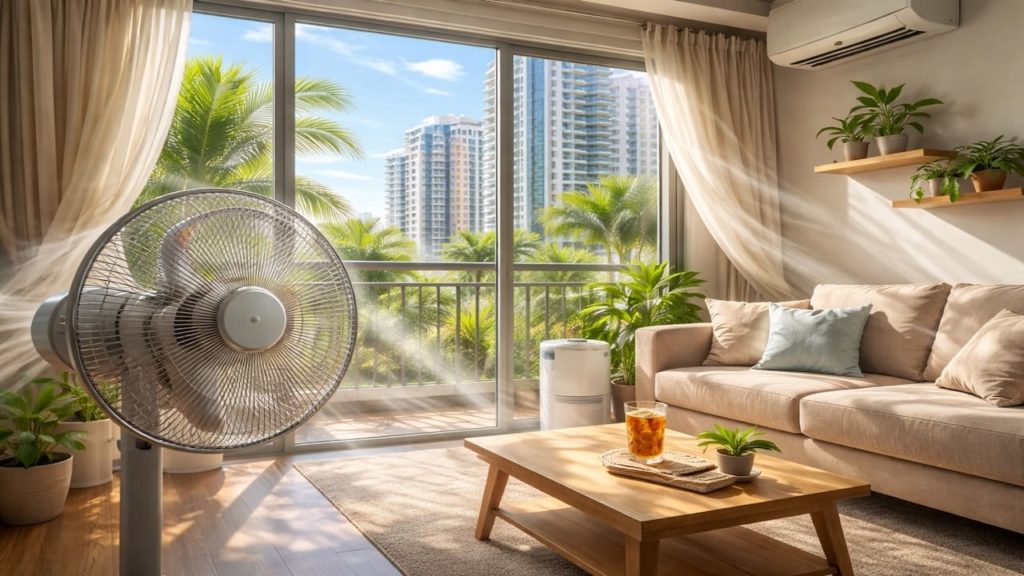
- Run aircond Dry mode or a dehumidifier in the drying room with the door closed.
- Remove finished items early so the remaining wet clothes get more airflow.
Some people try to dry laundry in the same room they cook, shower, and sleep, but that stacks moisture sources—separate the drying zone and results improve fast.
2. Dry indoors without bad smells
Prevent bacteria growth by drying fast in the first few hours because that is when odor starts.
Bad smells are not “normal laundry,” they are a drying-speed problem, and Malaysia humidity makes it easier for damp fabric to stay in the danger zone. Odor risk.
- Do not leave wet laundry sitting in the washer, because smell starts before you hang it.
- Use a rinse that clears detergent residue, because residue can hold moisture and odor.
- Turn thick items inside out and spread waistbands and collars for airflow.
- Dry towels separately, because they release moisture slowly and raise room humidity.
- Wash the drying rack area, because dusty corners can add musty smells to clean clothes.
People think adding extra perfume solves it, but perfume plus damp smells worse, so focus on drying speed first, then scent becomes optional.
3. Why laundry stays damp indoors in Malaysia
Humidity slows evaporation and indoor air hits saturation fast so clothes cannot release water.
In condos and terrace houses, moisture from showers, cooking, and breathing adds up, and rainy-season outdoor air can be too humid to help even with windows open. Reality.
- Rainy weeks keep outdoor air humid, so “fresh air” can bring moisture in.
- Small rooms fill with moisture quickly, especially with a full rack of wet clothes.
- Still air around fabric creates a wet boundary layer that blocks evaporation.
- Thick fabrics and towels hold water deep inside and dry slowly without airflow.
- Closed doors keep moisture trapped, and wardrobes can absorb that humidity too.
It is not that your washer is weak, it is the air environment, so fix airflow and moisture removal and drying time drops.
4. How to speed up indoor drying safely
Make a controlled drying room that removes moisture so you do not spread damp into bedrooms.
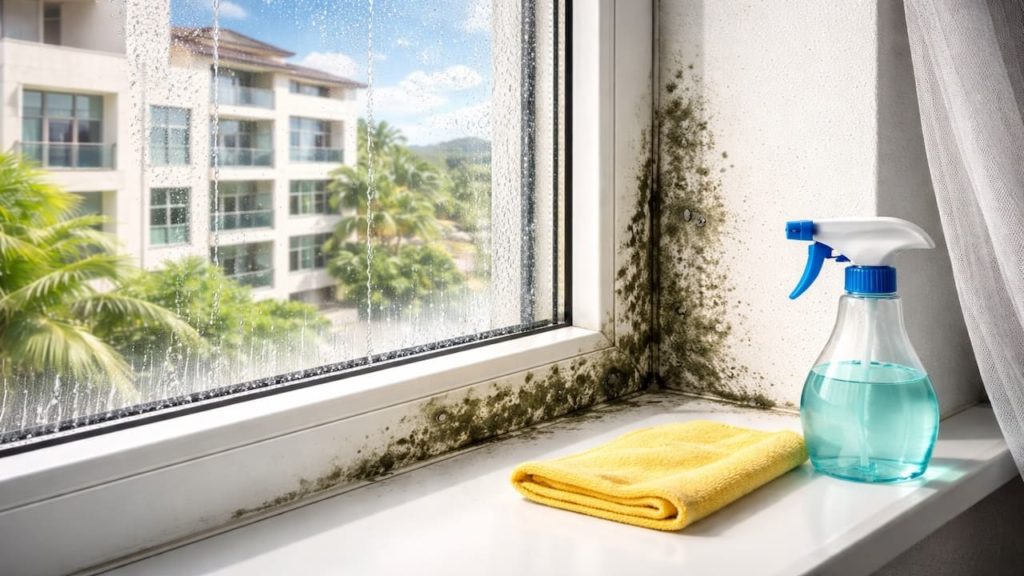
This is the best approach in Malaysia because it protects your home from musty smell and keeps humidity from feeding mold in closets and on walls. Strong payoff.
- Pick one room, close the door, and dry there, instead of hanging laundry all over the home.
- Use a fan plus Dry mode, because airflow alone just moves moisture around.
- Keep the rack away from walls and corners so damp air does not pool behind furniture.
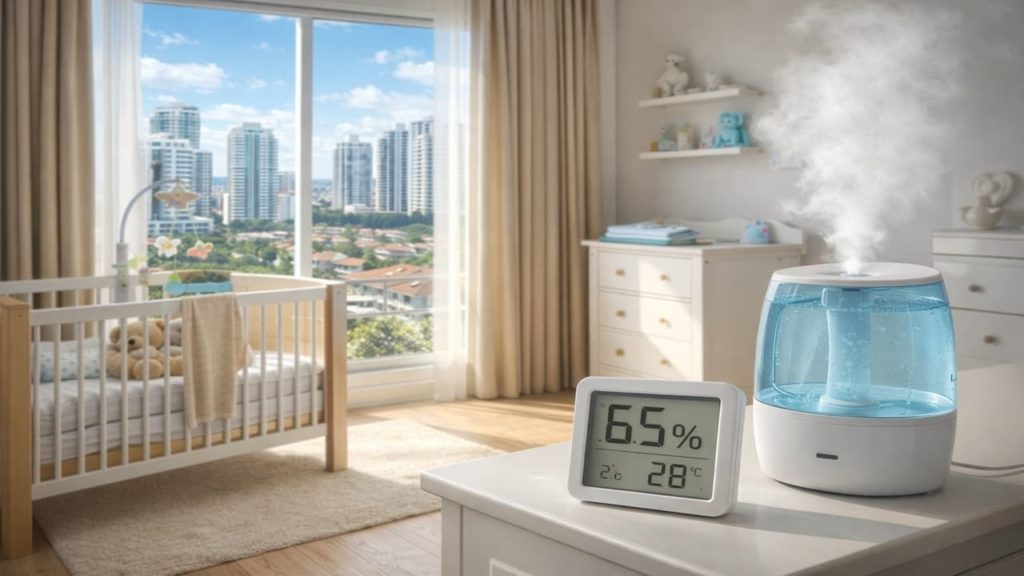
- Empty the water tank daily if you use a dehumidifier, and clean the filter regularly.
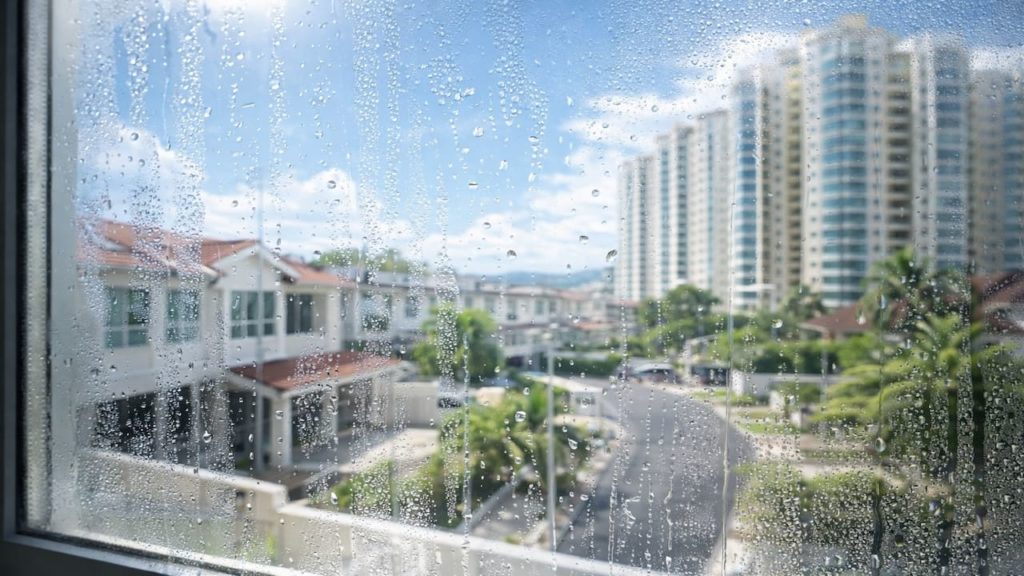
- Wipe window condensation in the drying room so moisture does not recycle overnight.
Some worry about electricity, but controlled drying can be cheaper than re-washing smelly clothes and dealing with musty rooms—efficiency comes from not repeating work.
5. FAQs
Q1. Is it okay to dry laundry in the bedroom?
It is possible, but it often raises humidity and can trigger musty smell in closets and bedding. If you must, use a fan and Dry mode and keep the door closed.
Q2. Does opening windows help indoor drying in Malaysia?
Sometimes, but during rainy season outdoor air is often just as humid. Test it by feel—if the outside air feels heavy, rely on airflow plus dehumidifying instead.
Q3. Why do towels smell bad even after washing?
Because towels dry slowly and stay damp inside the fibers, which lets bacteria grow. Fast drying is the real deodorizer so separate towels and increase airflow early.
Q4. Should I use hotter wash water to prevent smell?
It can help for some fabrics, but drying speed still matters most. A clean wash plus quick dry beats any temperature trick in humid weather.
Q5. What is the fastest setup for indoor drying?
A closed room with a fan blowing across the rack and Dry mode or a dehumidifier running. Space clothes out and remove dry items early to boost airflow.
Pro’s Tough Talk

Alright. I’ve been on site for 20+ years and handled hundreds of jobs, and indoor laundry in Malaysia is a classic trap: you think you’re saving time, then you end up re-washing because it smells like wet dog.
Cause is 3 buckets: too much water left in fabric, dead airflow around the rack, and humidity in the room hitting saturation. Fix it in 3 steps: spin hard so clothes start drier, spread them wide on hangers, then run a fan plus Dry mode in a closed room until the first big moisture drop happens—done. Hanging clothes in still air is like trying to dry a towel inside a sealed plastic bag, and expecting smell to disappear is like leaving food out and acting surprised later.
And the classic move is leaving wet clothes in the washer for “just a while,” then hanging them in the bedroom and blaming the detergent. Nah. Dry fast early or the smell will lock in. Now go set up a real drying zone, or keep doing laundry twice like it’s your hobby.
Summary
Laundry dries slowly indoors when Malaysia humidity keeps the air near saturation, so clothes cannot evaporate water fast enough in condos and terrace houses. Slow drying is what creates bad smells.
Speed comes from three levers: start drier with a strong spin, increase airflow through wide spacing and a fan, and remove moisture from the room with Dry mode or a dehumidifier. Avoid stacking moisture by drying in one controlled room instead of spreading racks across the home.
Make it repeatable—spin hard, space wide, fan plus dehumidify—fresh laundry is mostly about drying speed not fragrance.