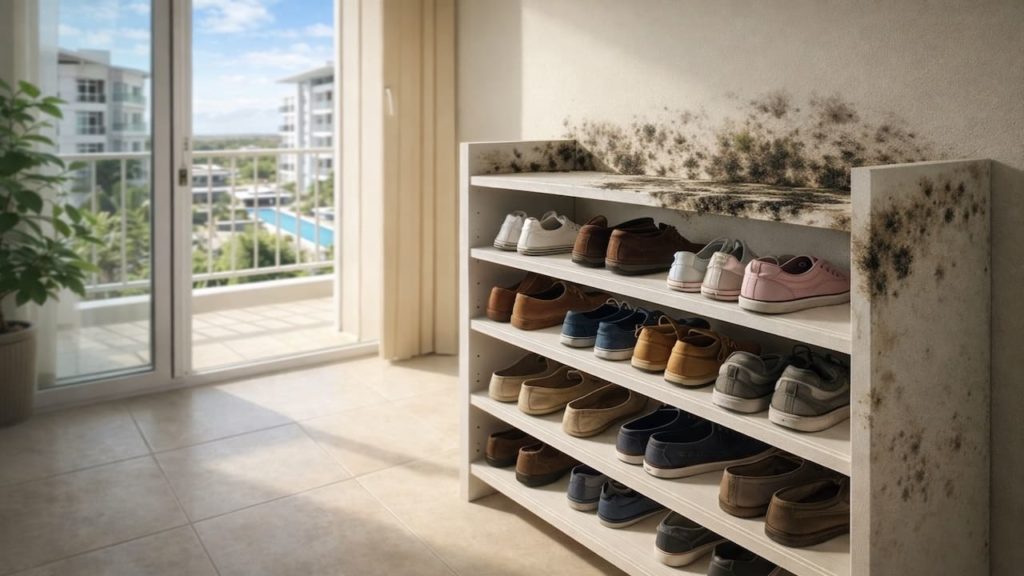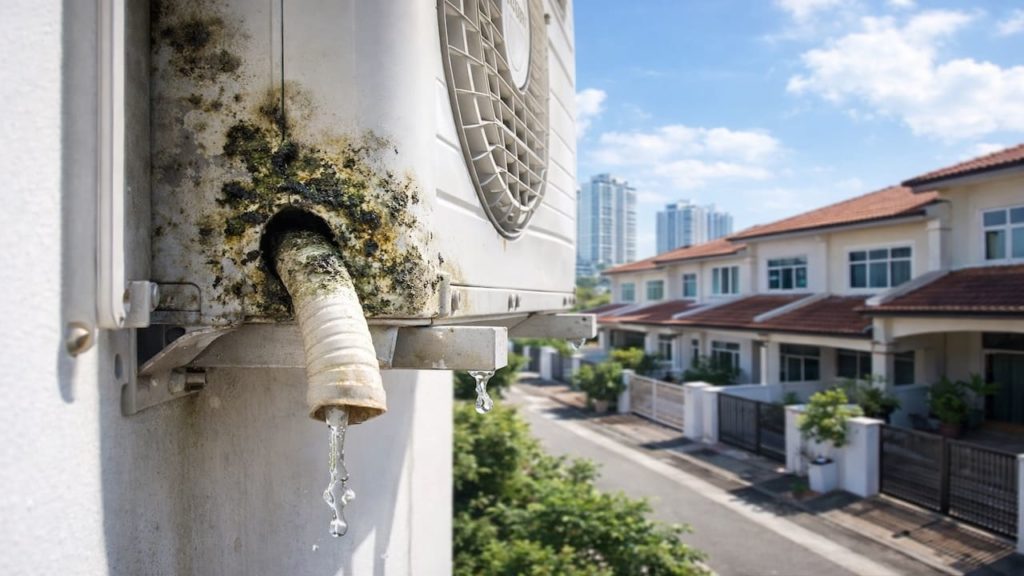
You searched because you suspect mold from a leaking aircond drain, and in humid Malaysia it can turn into stains and musty odor fast.
A leaking drain can look small at first, but trapped water behind panels or on walls feeds mold quietly, especially in condos and terrace houses during wet season.
In this guide, you’ll learn how to spot a leaking drain early and prevent stains and musty smells before the damp spreads in Malaysia’s warm, humid homes.

Hi, I’m Ken. I write practical home guides for Malaysia—no fluff, just what works.
I hold a formal building design qualification and have spent about 20 years on job sites across hundreds of projects. My goal is simple: help you avoid costly mistakes with clear, safe steps—a quick way to decide what to do next.
1. Mold from a leaking aircond drain: 5 signs
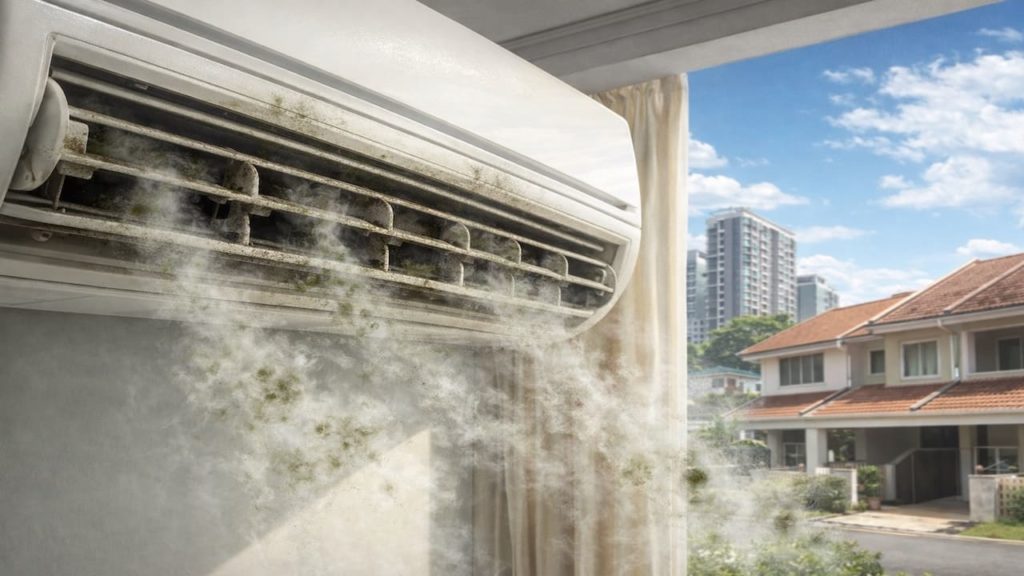
Drain leaks show up as repeat moisture near the indoor unit even when the aircond is cooling normally.
Malaysia humidity slows drying, so any drip that hits plaster or paint can stay damp long enough to grow mold—quick damage.
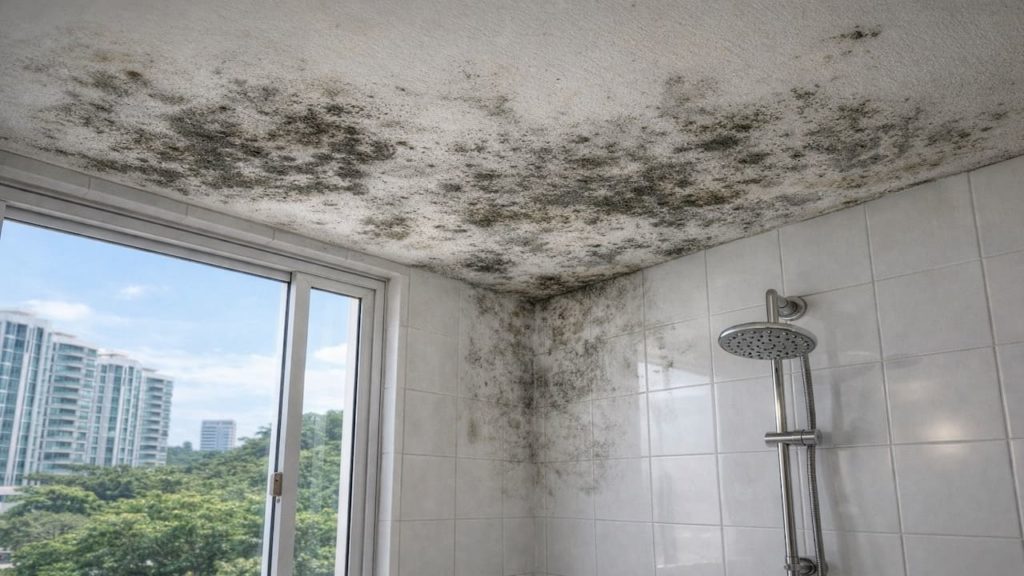
- Water marks or yellow rings on the wall or ceiling near the unit
- Musty smell that starts when cooling runs and lingers after shutdown
- Damp patch that feels cool and clammy around the drain line route
- Dripping indoors or wet floor below the indoor unit
- No steady drain drip outside even when cooling runs for 30+ minutes
Some people think indoor dripping is “normal condensation.” Condensation should go to the drain, not your wall. Treat it as a fault. Clear.
2. Prevent stains and musty odors early
Stop water contact with walls and dry the area immediately to prevent staining and mold growth.
In condos, water can seep into drywall and spread behind paint, and in terrace houses damp patches can grow during rainy weeks—same risk.
- Turn off cooling if you see active indoor dripping or wet ceiling
- Dry the visible area with towels and run a fan to speed drying
- Check the drain outlet outside for a steady drip during operation
- Inspect the indoor unit underside for wet seams or pooling
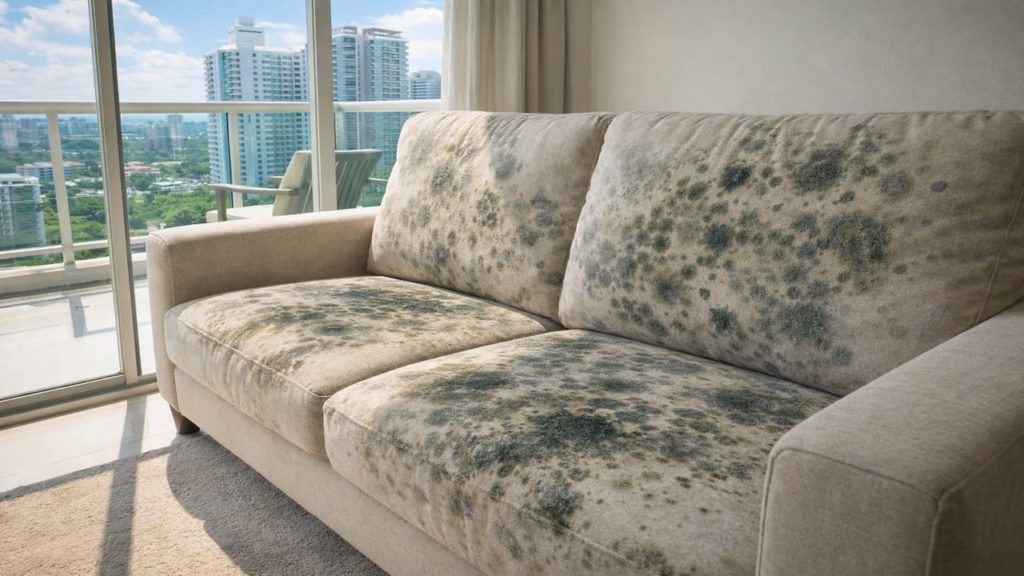
- Move furniture away so damp does not spread into fabric and wood
You might think “I will monitor it for a few days.” In Malaysia, a few days can be enough for mold to set in. Dry now, diagnose next. Fast move.
3. Why aircond drains leak in humid Malaysia
Drains leak when water cannot flow smoothly out and it finds another path.
Warm humid air produces lots of condensation, and small blockages or poor slope can push water back into the unit—classic condo issue.
- Drain pipe is clogged with slime or dust buildup
- Drain pipe slope is wrong so water pools instead of flowing
- Drain pan is dirty and overflows during long cooling runs
- Pipe joint is loose so water seeps at a hidden connection
- Air filter is clogged so coils freeze and water spills when thawing
Some renters assume “gas top-up will fix it.” Refrigerant is unrelated to drainage, so that is a costly detour. Fix the water path. Correct target.
4. How to reduce leak risk and mold return
Keep the drain system clear and the coil dry so water goes outside, not into your home.
These steps are renter-friendly and help a lot during wet season when condensation volume is high—steady pressure.
- Clean and dry the filter regularly so airflow stays strong
- Run Fan mode 15–30 minutes after cooling to dry the coil
- Ask for drain line flushing during servicing, not just filter washing
- Watch for steady outdoor dripping as a quick health check
- Act fast on any damp stain before it becomes a larger patch
People argue “it stopped dripping, so it is fine.” Leaks can stop and start as clogs shift, so check again during longer runs. Stay sharp.
5. FAQs
Q1. Is it normal for an aircond to drip water outside?
Yes, dripping outside is normal when cooling in Malaysia, because condensation volume is high. No outside drip can be a clue of a blockage. Indoor dripping is not normal.
Q2. Why do I see stains but no active dripping?
Slow seepage can soak drywall without obvious drops, especially if the leak is inside the casing. Humidity also slows drying, so stains remain. Track whether the patch grows after long cooling runs.
Q3. Can a clogged drain cause mold smell without visible leaks?
Yes, standing water in the drain pan grows slime and odor. You may smell musty air when the unit turns on. Drain flushing and coil drying help.
Q4. What should I do first if water drips indoors?
Stop cooling, protect the floor, and dry the area fast. Then check for outside dripping and call for drain inspection or servicing. Quick action prevents ceiling and wall damage.
Q5. When should I contact condo management or a technician?
If stains grow, ceiling panels soften, or leaks repeat, contact them immediately. Document photos and dates, because hidden moisture can damage building materials. Early reporting saves repairs.
Pro’s Tough Talk

Listen. I’ve been on site for 20+ years and handled hundreds of jobs, and a leaking aircond drain in Malaysia is the silent killer. You think it’s “just a little water,” then the wall stains, the smell starts, and mold moves in like it pays rent. That’s how it goes.
Cause is 3 parts. One, the drain is clogged with slime so the pan overflows. Two, the slope or joint is wrong, so water escapes at the weak point. Three, airflow is bad, coils freeze, then thaw, and you get a sudden water dump. Fix is 3 steps—stop cooling when you see indoor drip, confirm there is steady drip outside during operation, and demand drain flushing plus pan cleaning in the service scope.
Ignoring a drain leak is like ignoring a small hole in a boat because the sea is “already wet.” And the “it stopped dripping, so it’s fine” logic? Come on. Your ceiling gets yellow rings and your room smells like a swamp, two classics. Bottom line, stop the water early or you will pay for stains later, fix it now or enjoy watching your wall turn into modern art.
Summary
Drain-related mold starts when condensation water leaks indoors and keeps walls, ceilings, or floors damp in Malaysia’s humid climate.
If damp patches return, use a clear rule: treat missing outside dripping, repeat stains, or musty odor as a drain problem until proven otherwise.
Do this today: check for steady outside drip and dry any indoor damp spot immediately, then read the next guide on aircond mold prevention routines in Malaysia—early checks prevent big damage.