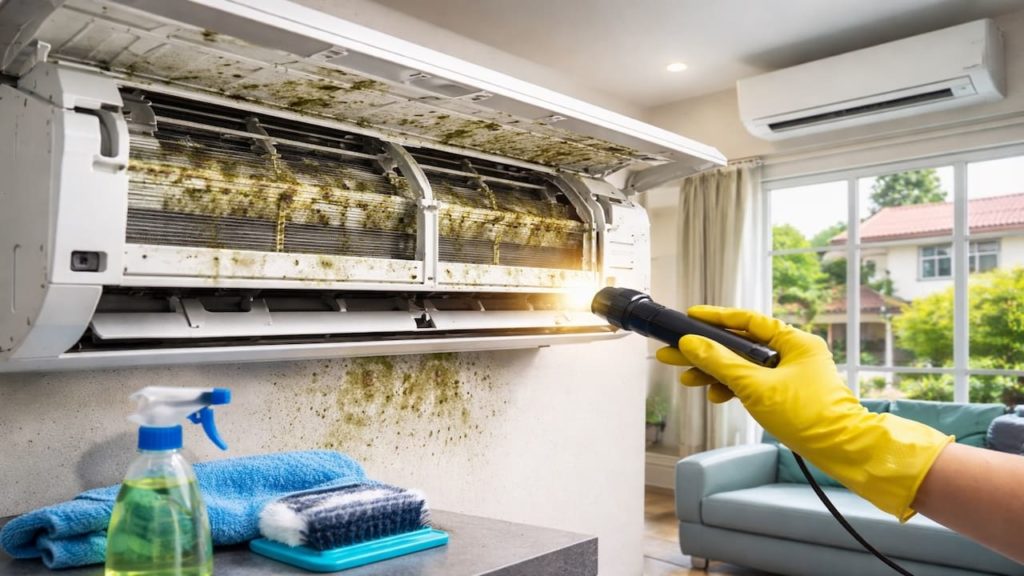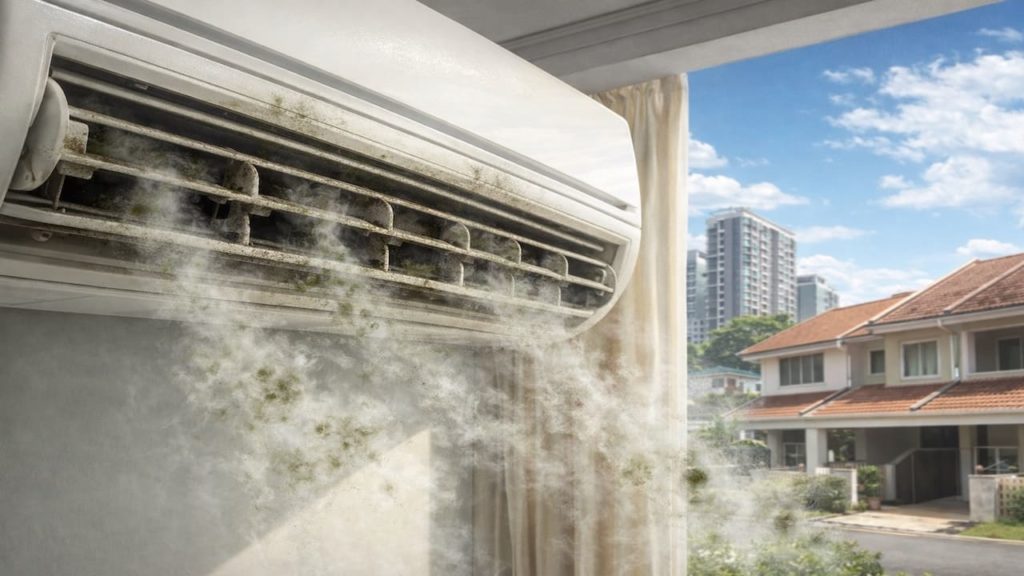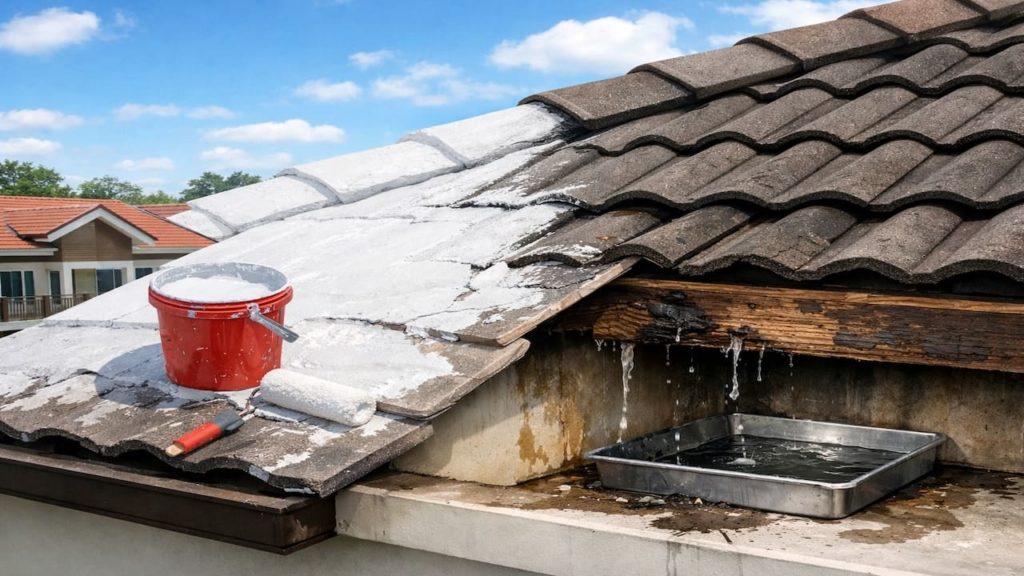
You searched because you found mold on your bedroom walls, and in humid Malaysia it can spread faster than you expect.
The cause might be trapped moisture from aircond use, poor airflow in a closed room, hidden leaks, or damp habits that feel normal during wet season.
In this guide, you’ll learn how to find the real damp source quickly and stop wall mold from spreading in condos and terrace houses in Malaysia’s hot, humid climate.

Hi, I’m Ken. I write practical home guides for Malaysia—no fluff, just what works.
I hold a formal building design qualification and have spent about 20 years on job sites across hundreds of projects. My goal is simple: help you avoid costly mistakes with clear, safe steps—a quick way to decide what to do next.
1. Mold on bedroom walls: 5 causes in humid Malaysia
Wall mold starts when moisture stays on surfaces long enough to feed spores in warm Malaysian nights.
Bedrooms are often sealed for aircond, and that turns corners and behind-furniture zones into moisture traps—silent.
- Condensation on cold walls from aircond cooling in a humid room
- Poor airflow behind wardrobes and headboards near exterior walls
- Hidden water leak from roof, window frame, or plumbing line
- Wet season habits like drying towels indoors without ventilation
- High indoor humidity from closed windows and weak exhaust flow
Some people say “it’s just a small patch, wipe it and move on.” That is how it spreads, because the moisture source stays. Find the cause first. Control.
2. Stop damp before they spread
Stop the damp by drying the room and removing moisture traps before you focus on scrubbing stains.
In Malaysia, the air can feel warm but still carry heavy moisture, so walls stay damp even when they look dry—deceptive.
- Move furniture 5–10 cm away from the wall to let air circulate
- Run aircond then finish with Fan mode to reduce lingering moisture
- Use a dehumidifier or Dry mode on wet nights if the room stays clammy
- Ventilate briefly when outdoor air is drier, not during heavy rain
- Dry wet fabrics fast and avoid indoor towel piles in the bedroom
You might think “dehumidifying costs too much.” It costs less than repainting and replacing moldy furniture. Start small. One room.
3. Why bedroom walls get mold so easily
Bedrooms grow mold because they are closed cold and slow to dry compared with living areas.
Condos often have limited cross-ventilation, and terrace houses can have hot exterior walls that pull moisture to cooler interior surfaces.
- Night cooling makes wall surfaces colder than the room air
- Corner areas have weaker airflow and stay damp longer
- Exterior walls and window edges collect condensation
- Mattresses and wardrobes release stored moisture into the room
- Small leaks keep feeding damp even when you cannot see water
Some assume mold means the home is “dirty.” Not really, because this is physics plus humidity. The fix is moisture control. Fact.
4. How to remove mold safely and prevent return
Clean the spot safely but fix the moisture source or it will return within weeks in Malaysia.
Bedrooms are sensitive spaces, so avoid harsh fumes in a closed room and prioritize ventilation and drying after cleaning—basic safety.
- Wear a mask and ventilate, then wipe with mild cleaner and dry fast
- Do not paint over damp patches, dry the wall fully first
- Check window seals, curtain rods, and aircond piping nearby for leaks
- Keep humidity lower at night with Dry mode or a dehumidifier
- Re-check the same spot after 3–5 days for returning damp feel
People argue “just repaint and it’s solved.” Paint hides stains but does not remove damp, so mold comes back. Fix the source, then finish. Clean result.
5. FAQs
Q1. Is wall mold common in Malaysian bedrooms?
Yes, because warm humid air plus cold aircond cooling creates condensation on walls. Closed rooms and blocked airflow make it worse. It is common in condos and terrace houses.
Q2. Why is mold often behind the wardrobe or bed?
Those areas get almost no airflow, so moisture stays trapped. Exterior walls are often cooler at night, which increases condensation. Move furniture slightly and improve airflow.
Q3. Can aircond cause wall mold?
Aircond does not create water out of nowhere, but it can chill surfaces and trigger condensation if humidity is high. If you stop cooling and the room stays damp, the wall stays wet. Coil-dry habits and humidity control help.
Q4. How do I know if it is a leak, not just humidity?
Look for peeling paint, swelling, soft plaster, or a damp patch that grows even when you dehumidify. Musty smell in one fixed spot is also a clue. If in doubt, inspect windows, roof lines, and nearby pipes.
Q5. When should I call a professional?
If mold spreads quickly, covers a large area, or you see ongoing damp patches and paint bubbling, get help. If you feel breathing irritation, stop sleeping in that room until it is controlled. Health matters.
Pro’s Tough Talk

Listen. I’ve been on site for 20+ years and handled hundreds of jobs, and bedroom wall mold in Malaysia is not a mystery. Hot humid air outside, sealed aircond room inside, and slow drying corners. If you keep feeding water to that wall, it will spread. Guaranteed.
Cause is 3 parts. One, condensation: you cool hard at night and the wall turns into a cold drink can, water beads up. Two, dead-air zones: wardrobes and headboards block airflow, so the wall never dries. Three, hidden water: window edges, piping, or tiny leaks that drip just enough. Fix is 3 steps—pull furniture off the wall, lower humidity at night, and confirm there is no leak by checking the same spot after drying.
Wiping mold but ignoring damp is like mopping a floor while the tap is still running. And the “small patch, no big deal” excuse? Yeah, I’m not buying it. Your pillow starts smelling sour and your wardrobe turns into a swamp, two classics. Bottom line, mold stops when the wall stops staying wet, dry it and fix the airflow or enjoy watching it crawl across your room.
Summary
The core problem behind bedroom wall mold is lingering moisture, whether from humidity condensation, blocked airflow, or a hidden leak.
If the damp returns after cleaning, treat it as a source issue and work in order: airflow gaps, humidity control, then leak inspection.
Do this today: move furniture off the wall and dry the room after cooling, then read the next guide on humidity routines for Malaysian bedrooms—one habit can stop mold spreading.