You want to protect your baby from mosquito bites, but you do not want harsh smells or sticky spray on sensitive skin.
In Malaysia’s hot humid weather, mosquitoes can stay active day and night, and condos or terrace houses can still have indoor bites near doors, drains, and balconies.
In this guide, you’ll learn safe baby repellent choices and correct use so you reduce bites while avoiding common application mistakes that irritate skin.

Hi, I’m Ken. I write practical home guides for Malaysia—no fluff, just what works.
I hold a formal building design qualification and have spent about 20 years on job sites across hundreds of projects. My goal is simple: help you avoid costly mistakes with clear, safe steps—a quick way to decide what to do next.
1. Mosquito repellent for babies: 5 tips
Use the safest option for your baby age and apply only what you need—more product does not mean more protection.
Babies have delicate skin and they touch their face often, so sloppy repellent use can cause eye and mouth contact. In Malaysia, parents also deal with sweat and damp air, which can make products feel heavier and increase irritation if you overapply. The goal is controlled protection, not coating the whole baby. Simple.
- For babies under 2 months use netting and covered clothing instead
- Choose a proven active ingredient and follow the label directions
- Use the lowest strength that matches the time you need protection
- Apply to exposed skin and outside clothing not under clothing
- Wash repellent off with soap and water when you return indoors
Some parents avoid repellents completely and hope fans alone work. Fans help, but they cannot cover every moment in Malaysia’s humid evenings. Use a safe plan and you stay consistent. No panic.
2. Safer choices and correct application
Pick a child appropriate repellent and apply it with adult hands—that keeps it away from eyes mouth and sticky fingers.
Most guidance focuses on using registered repellents with proven actives and avoiding risky ingredients for young children. DEET and picaridin are widely recommended when used correctly, and many pediatric sources suggest keeping DEET at 30% or less for children. Avoid oil of lemon eucalyptus or PMD for children under 3 years old. Also avoid combo sunscreen repellent products because sunscreen needs more frequent reapplication. Cleaner routine.
- Choose a lotion or wipe for control instead of a cloud spray
- Put sunscreen on first then apply repellent after it dries
- Spray or squeeze onto your hands then spread a thin layer
- Avoid hands face eyes mouth and any irritated skin patches
- Stop at a light film and do not reapply early without need
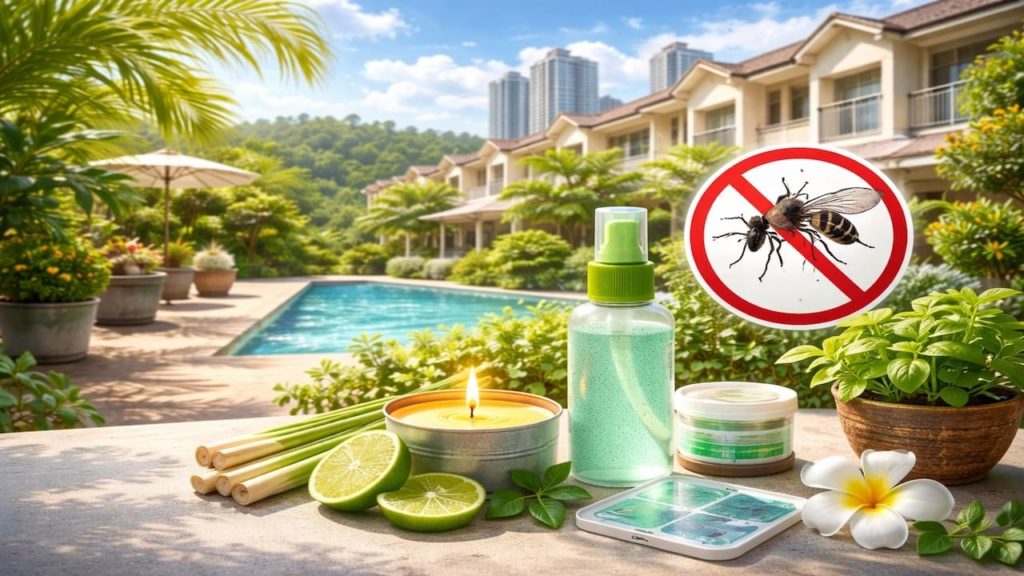
Some people think “natural essential oils” are always safer for babies. Skin reactions can happen, and protection may be short in Malaysian heat. Proven and careful use is usually the safer path. Done.
3. Why babies get bitten so easily
Babies get bitten fast because they cannot swat move or relocate—they are a still target in a warm room.
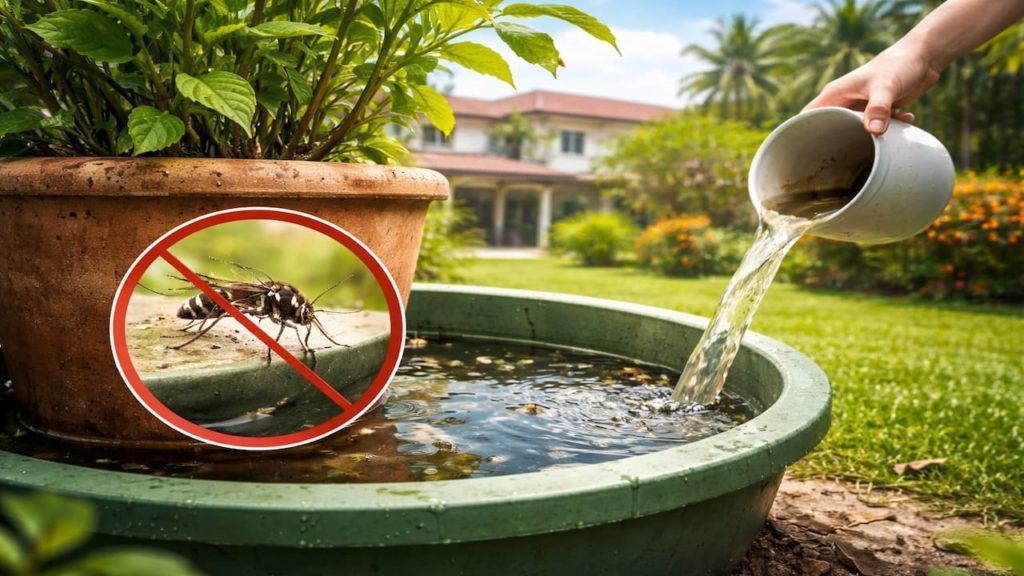
Mosquitoes track carbon dioxide, heat, and skin odors, and a baby sleeping or feeding is a steady source of cues. In Malaysia, indoor humidity helps mosquitoes stay alive longer, even with aircond, especially if airflow is weak near cribs and strollers. If your home has entry gaps under doors, wet drains, plant saucers, or gutters that refill after rain, mosquito pressure rises and the baby becomes the easiest target. Pattern.
- Still air pockets near cribs curtains and soft furniture corners
- Door gaps and window tracks that let mosquitoes enter at floor level
- Rainy season breeding outside that increases indoor mosquito traffic
- Damp zones like bathroom drains balcony trays and wet laundry areas
- Night lighting near doors that keeps activity and entry ongoing
Some parents blame only “bad luck” or one mosquito inside the room. The structure usually explains it, and structure can be changed. Good news.
4. How to protect babies without overusing repellent
Combine netting airflow and timing so you rely less on skin products—this works well in Malaysian homes.
Repellent is only one tool, and for babies you want layers that do not touch skin at all. Start with physical barriers like mosquito netting over a stroller or sleeping area, then add airflow so mosquitoes struggle to land. In Malaysia, a small fan aimed near the baby area can reduce landing attempts, but do not point strong wind directly at the baby’s face. Keep doors sealed at dusk and keep standing water away from the home. Routine beats drama.
- Cover strollers and baby carriers with mosquito netting outside
- Use light long sleeves and long pants when mosquitoes peak
- Run a fan to keep the baby zone gently moving and less bite friendly
- Close doors early and seal under door gaps to reduce entry
- Empty plant saucers and dry wet corners after every heavy rain
Some parents try to spray the whole room to avoid skin contact. That can irritate breathing and still misses entry and breeding. Use barriers and airflow first, then use repellent only when needed. Smart.
5. FAQs
Q1. Is mosquito repellent safe for newborns?
For babies under 2 months, many public health guides say to avoid insect repellent and use protective clothing and mosquito netting instead. Ask your pediatrician if your baby has skin conditions or you are unsure.
Q2. What repellent ingredients are commonly recommended for babies?
For babies older than 2 months, guidance often recommends registered repellents with proven actives like DEET or picaridin when used correctly. Do not use repellent under 2 months and focus on netting in Malaysia’s humid evenings.
Q3. Where should I not apply repellent on a baby?
Avoid hands, eyes, mouth, and any cuts or irritated skin. Apply a thin layer to exposed skin and the outside of clothing, then wash it off after you go indoors.
Q4. Can I apply repellent and sunscreen together?
Use separate products, apply sunscreen first, then apply repellent after—this keeps your routine cleaner and avoids overuse. Avoid combo products because they encourage too much repellent reapplication.
Q5. What if my baby still gets bitten indoors?
Check entry gaps under doors, fix window screen gaps, and look for water sources like drains, plant trays, or gutters that hold water after rain. Add netting and gentle airflow near the sleep area for extra protection.
Pro’s Tough Talk

Listen. I have been on site for 20+ years and handled hundreds of jobs, and baby mosquito problems are not random. In Malaysia humidity, small mistakes turn into bite storms fast.
Three causes show up every time. Parents overapply because they panic, they put product on hands so it goes straight to eyes and mouth, and they ignore the real source like door gaps and wet corners. Three steps fix it. Use netting first, use airflow next, and apply repellent with adult hands only when age allows.
Two relatable moments, yeah. You finally get the baby calm, then you slap on a “natural” oil and the skin gets cranky, and you leave the balcony door cracked because it feels hot. Here is the jab: that is like wearing a raincoat made of paper and calling it protection, like locking the front door but leaving the window wide open. Layer protection and stop guessing or the mosquitoes will clock in for night shift and laugh.
Summary
Baby mosquito repellent is about age rules, careful application, and using the minimum amount needed to avoid irritation.
In Malaysia’s humid climate, combine netting, airflow, sealed entry points, and water control so you do not depend on skin products alone—this is the steady approach.
Today, start with netting and airflow, then use an age appropriate repellent only on exposed areas—Safe layers reduce bites without sticky sprays and you can next read about door gap sealing or aircond drain breeding checks.