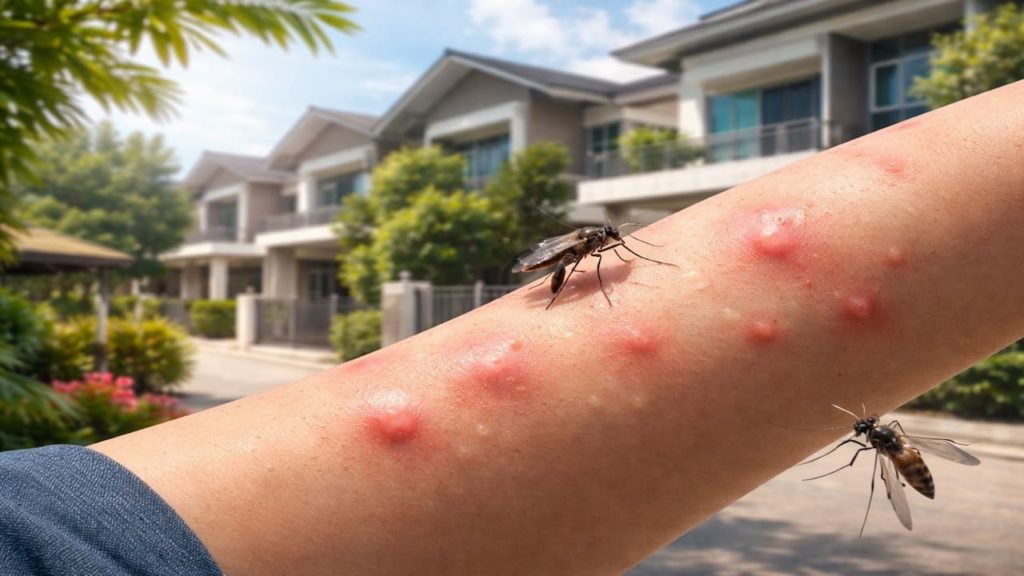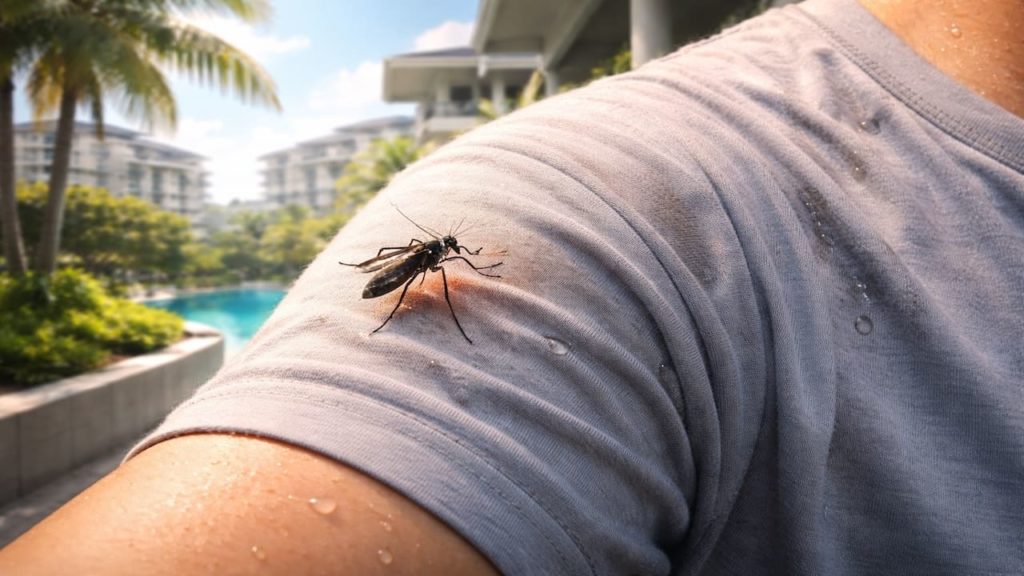
You wear clothes, you still get bitten, and it feels unfair because fabric should be protection.
In Malaysia’s hot humid weather, sweat and heat build under clothing fast, and mosquitoes use tiny gaps and tight spots to reach skin in condos and terrace houses.
In this guide, you’ll learn why mosquitoes bite through clothes and how fabric gaps, tight fits, and sweat cues make bites more likely than you think.

Hi, I’m Ken. I write practical home guides for Malaysia—no fluff, just what works.
I hold a formal building design qualification and have spent about 20 years on job sites across hundreds of projects. My goal is simple: help you avoid costly mistakes with clear, safe steps—a quick way to decide what to do next.
1. Mosquito bites through clothes: 5 causes
Mosquitoes bite through clothes when fabric lets skin sit close—it is about distance and access, not “strong teeth.”
Mosquito mouthparts are thin, so they cannot pierce thick fabric like denim, but they can reach skin through loose weaves and stretched areas. In Malaysia, you often wear lighter fabrics to stay cool, and those fabrics can be easy to penetrate. Sweat also soaks cloth and reduces the barrier effect, while heat and scent leak through. The result is bites that feel like they went “through” the shirt, but often the mosquito found an easy spot where cloth touched skin. Physics.
- Thin fabrics like jersey or light cotton have wider weave gaps
- Tight fits stretch cloth and reduce the distance to skin
- Sweat dampens fabric and makes it easier to push through
- Seams cuffs and waistbands trap heat and attract probing
- Dark clothing and still air make mosquitoes linger longer
Some people assume all fabric blocks bites equally. It does not. The weave, thickness, and how it sits on your skin matter more than the clothing label. Choose structure, not just coverage.
2. Fabric gaps tight fits and sweat cues
Small fabric gaps and sweaty tight spots are the real targets—mosquitoes probe where your skin is easiest to reach.
Look at the places where you get bitten most: shoulders under straps, thighs under tight shorts, ankles under socks, elbows under stretched sleeves. These are zones where fabric presses against skin, heat builds, and sweat collects. In Malaysia’s humidity, sweat does not evaporate quickly, so clothing stays damp and warm, which amplifies your scent signature. Mosquitoes track carbon dioxide and body odor, then they land and probe until they find a reachable spot. If the fabric is tight, they do not need a gap. They need contact.
- Switch from tight athletic fits to slightly looser cuts at night
- Pick thicker weaves or textured fabrics that hold off the skin
- Use a fan to dry sweat quickly before mosquitoes lock on
- Avoid damp clothes after workouts and change immediately
- Cover ankles with thicker socks when sitting near the floor
You might think loose clothes are cooler and should help. Loose helps airflow, yes, but if the fabric is thin and drapes onto skin, mosquitoes still win. Loose plus thicker weave is the sweet spot.
3. Why clothing protection fails in Malaysian homes
Heat and humidity weaken clothing as a barrier—your clothes become warm damp and close to skin.
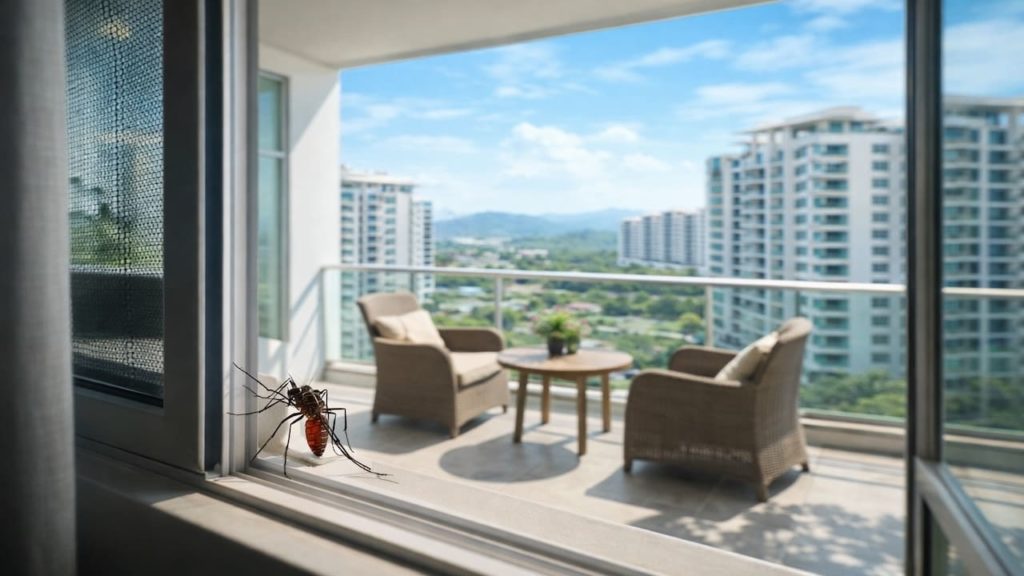
Malaysia’s climate pushes you toward lighter fabrics, and indoor living often means sitting still near doors, balconies, or car porch areas where mosquitoes enter. When you are still, mosquitoes have time to test multiple landing spots. Aircond can cool you, but if humidity stays high, sweat and dampness remain under fabric. At the same time, indoor mosquitoes may rest in curtains, laundry areas, or behind furniture, then bite whenever you sit down. The clothing issue is often an indoor environment issue. Connection.
- High humidity keeps sweat from drying under shirts and shorts
- Still evenings make mosquitoes hover and probe longer
- Thin lounge wear stretches at knees elbows and waist
- Open doors and unscreened windows increase indoor mosquito entry
- Indoor resting zones near laundry and bathrooms keep mosquitoes close
Some people blame only outdoor mosquitoes. Indoor mosquitoes are common in Malaysia, and indoor habits give them time. Fix entry and resting zones and clothing suddenly works better.
4. How to stop bites through clothes
Use fabric strategy plus airflow and sweat control—you need both to reduce bites reliably.
Think in layers: reduce mosquito entry, reduce mosquito resting spots, and reduce skin access through clothing. In Malaysia, airflow is a weapon because mosquitoes struggle in moving air. Sweat control matters because odor intensity drops when you are dry. Clothing choices matter because thicker weaves and looser cuts create distance between cloth and skin. Combine these and bites drop fast. Practical.
- Wear long sleeves with looser cuffs and thicker weave at dusk
- Run a fan toward your legs when sitting on a sofa or bed
- Change out of sweaty clothes as soon as you get home
- Use light colored thicker fabric instead of thin black tees
- Check window screens door gaps and balcony entry points weekly
Some people rely only on repellent. Repellent helps, but if your clothes are damp and tight, mosquitoes still find seams and edges. Fix the fabric and the room, then repellent becomes optional instead of daily.
5. FAQs
Q1. Can mosquitoes really bite through jeans?
Usually no. Thick denim creates too much distance and blocks the proboscis, but mosquitoes can still bite at openings like cuffs and waist. Most “through jeans” bites are actually from gaps.
Q2. Why do I get bitten on thighs under leggings?
Tight fabric presses against skin and stretches the weave, making it easier to reach you. Sweat and heat also collect there in Malaysia’s humidity, which increases probing.
Q3. Does sweat attract mosquitoes even through clothing?
Yes, sweat and skin bacteria create odors that pass through fabric, and heat rises through cloth too. Dry skin reduces mosquito focus fast especially right after work or exercise.
Q4. Are some fabrics better than others?
Yes, thicker and tighter weaves protect better, and textured fabrics can hold off the skin. Very thin jersey or stretched cotton tends to fail during humid evenings.
Q5. What is the fastest fix if I cannot change clothes?
Use a fan, dry sweat with a towel, and avoid sitting still near entry points. Moving air and less scent reduce bites even with the same outfit.
Pro’s Tough Talk

Listen. I have been on site for 20+ years and handled hundreds of jobs, and “bitten through clothes” is not mosquito superpowers. In Malaysia humidity, your shirt becomes a warm wet glove and that is the whole trick.
Three causes, every time. Thin fabric has gaps, tight fit presses cloth onto skin, and sweat turns everything into a scent amplifier. Three steps fix it: switch to thicker weave or looser fit at dusk, dry your body fast with a fan, and stop hanging out near doors and balconies where they enter.
Two relatable moments, yeah. You wear tight lounge shorts because it is “comfy,” and you sit still scrolling for 30 minutes like a statue. Here is the jab: you are basically wrapping yourself like a snack and wondering why they bite. Create distance and stay dry—or keep donating your legs like it is a mosquito charity event.
Summary
Mosquito bites through clothes happen when fabric is thin, stretched, or damp, letting mosquitoes reach skin where cloth touches you.
In Malaysia’s humid homes, sweat and still air amplify scent cues, so combine better fabric choices with airflow and entry point control.
Today, change out of sweaty clothes, switch to thicker loose fabric, and run a fan toward your legs—Dry skin and fabric distance stop bites then read your next article on laundry mosquito checks and post shower bite triggers.