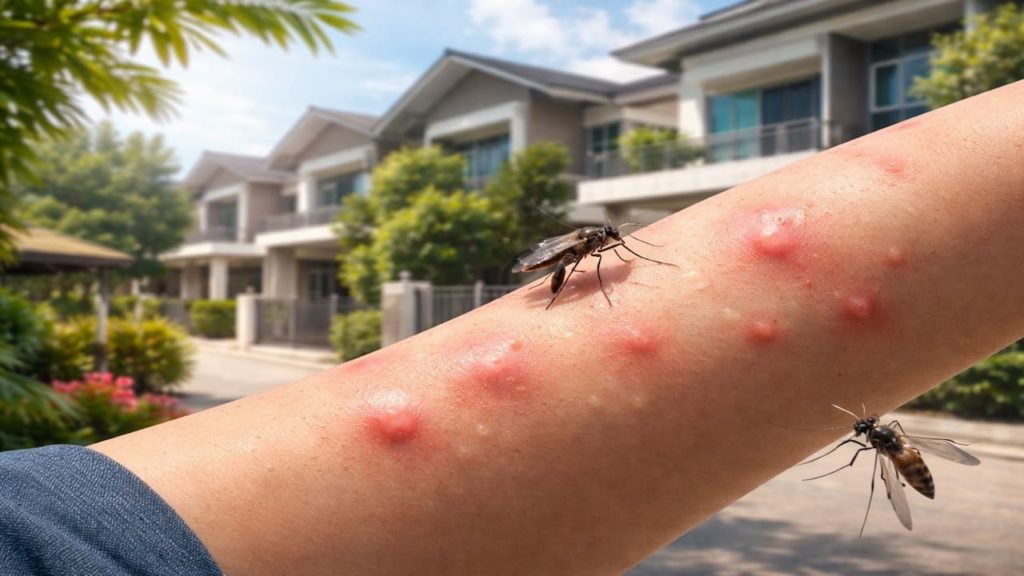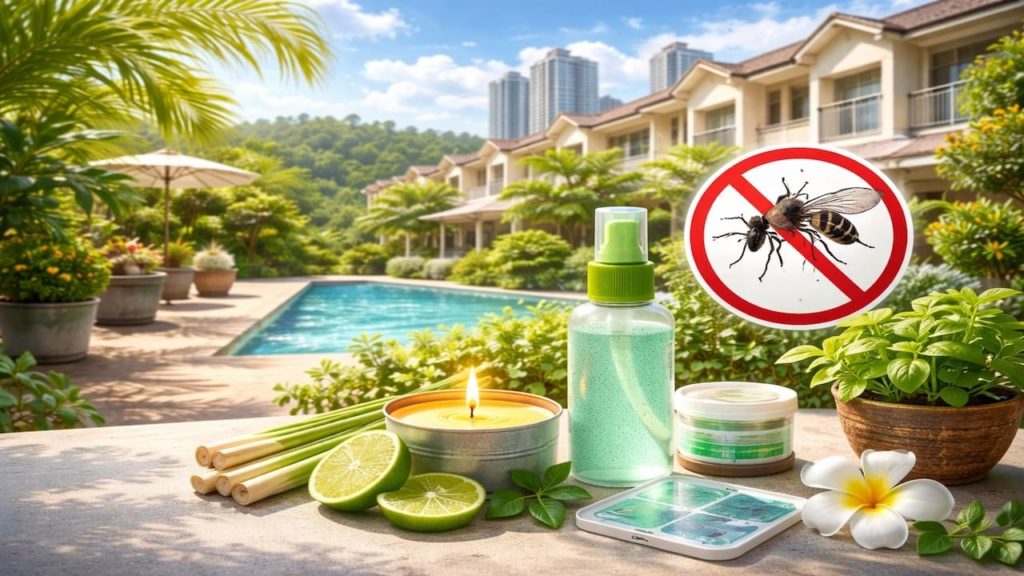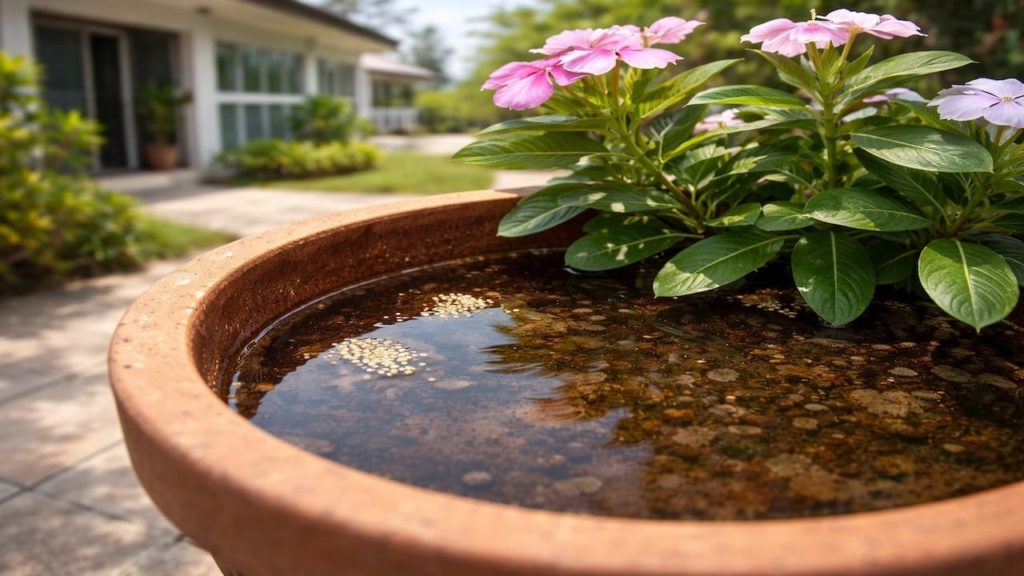
You spotted mosquito eggs in a flower pot and now you are thinking your balcony or porch is turning into a breeding spot.
In Malaysia, warm humidity and sudden rain can keep tiny water lines alive in pots, trays, and soil edges even when the surface looks dry.
In this guide, you’ll learn how to clean eggs reset the pot and stop repeat hatching using simple steps that fit condo balconies and terrace house porches.

Hi, I’m Ken. I write practical home guides for Malaysia—no fluff, just what works.
I hold a formal building design qualification and have spent about 20 years on job sites across hundreds of projects. My goal is simple: help you avoid costly mistakes with clear, safe steps—a quick way to decide what to do next.
1. Mosquito eggs in flower pot: 5 steps
Reset the pot completely so eggs cannot survive—quick wiping misses the hidden waterline where eggs cling.
In Malaysian heat, eggs can wait on a damp rim until the next watering or storm splash. No guesswork.
- Pour out all tray water and scrub the tray grooves
- Rinse the pot rim where a thin waterline forms after rain
- Scoop off the top 2 cm of soggy soil near the edge
- Flush the drainage holes until water runs clear and fast
- Dry the outer base where algae film holds moisture in shade
Some people say spray kills everything and you are done. Spray hits adults, not eggs stuck above the waterline, so the cycle restarts. Do the reset once, then keep it dry.
2. Clean soil edges and reset the pot
Break the wet soil edge because it acts like a sponge—that narrow gap feeds larvae when humidity stays high.
Soil often shrinks from the pot wall, leaving a hidden ring that stays damp in Malaysian condos with weak airflow. A moisture trap.
- Press soil gently against the pot wall to remove gaps
- Level the surface so puddles cannot sit near the rim
- Add a thin top layer of coarse sand to dry faster
- Water slowly and empty runoff within 10 minutes
- Trim dense leaves so air reaches the soil surface
You might worry a drier surface harms the plant. Most roots want deep moisture, not swampy edges, so water deeper and less often. Keep the edge dry, keep the plant steady.
3. Why mosquito eggs show up in potted soil
Mosquitoes choose pots because still water is easy there—shade plus waterline equals a safe nursery.
Malaysia stays warm day and night, so even small water pockets can support fast development during rainy season weeks. Biology wins.
- Tray water left overnight after a short evening shower
- Soil that stays wet because the pot sits in deep shade
- Drainage holes blocked by roots compacted mix or debris
- Algae slime on pot walls that holds moisture at the rim
- Corner placement where wind cannot dry the base
People think eggs only come from dirty water. Many mosquitoes use clean water too, as long as it stays still for days. Remove still water and you remove the invitation.
4. How to prevent eggs from coming back
Make the pot dry faster than mosquitoes can grow—that simple rule beats chasing adults around your room.
In Malaysia, heat and humidity shorten the timeline, so routines matter more than big one time cleaning. Consistency.
- Empty trays daily during wet weeks and after storms
- Lift pots on feet so the base dries and drains well
- Use smooth trays that scrub clean in seconds
- Check drainage holes weekly and clear them with a stick
- Water in the morning so drying happens before night
Some say more water means healthier plants. Overwatering weakens roots and feeds mosquitoes, so you lose twice. Water smart, then watch the eggs disappear.
5. FAQs
Q1. Are the eggs in the soil or only in water?
They are usually on damp surfaces near a waterline, like rims, tray edges, and wet soil borders. In Malaysia, humidity keeps these spots wet longer than you expect.
Q2. Do I need to replace all the soil?
Not always. Remove the wet top layer and fix drainage and tray habits first, then monitor for 7 days. Full replacement helps when the mix stays compacted and soggy.
Q3. Can boiling water kill eggs safely?
It can kill eggs on trays and pot walls, but it can also shock roots if poured into soil. Use hot water on hard surfaces, then rinse and dry well.
Q4. What if my plant needs moist soil all the time?
Keep moisture deep in the root zone, not sitting in a tray or on the surface edge. Empty runoff fast and keep the rim dry while you water deeper and less often.
Q5. Is bleach safe for cleaning a pot?
A mild solution can disinfect the pot wall, but rinse until there is no smell left. The real fix is removing standing water and improving airflow.
Pro’s Tough Talk

Listen. I have been on site for 20+ years and handled hundreds of jobs, and mosquito problems are never magic. In Malaysia humidity, a flower pot can turn into a hatchery overnight.
Three causes show up every time. Tray water stays, soil edges stay wet, and drainage holes clog. Three steps fix it fast: dump the tray within 10 minutes, press and level the soil edge, and clear the holes until flow is quick.
You know the two classics. You water at night because you are busy, then you forget the tray after a rain burst. Your pot is not a luxury condo for mosquitoes, so stop treating it like one. Dry edges kill the cycle and if you ignore that, congrats, you are the landlord of tiny vampires.
Summary
Mosquito eggs in flower pots usually come from trays, wet soil edges, and slow drainage that stays damp in Malaysia’s warm rainy weather.
Reset the pot once with a full clean, then run a small routine that keeps rims, trays, and edges dry before night falls.
Do this today: scrub the tray, fix the soil edge gap, and test drainage flow—Small daily dryness beats big cleanups then move on to your next read about indoor traps and rainy season prevention.