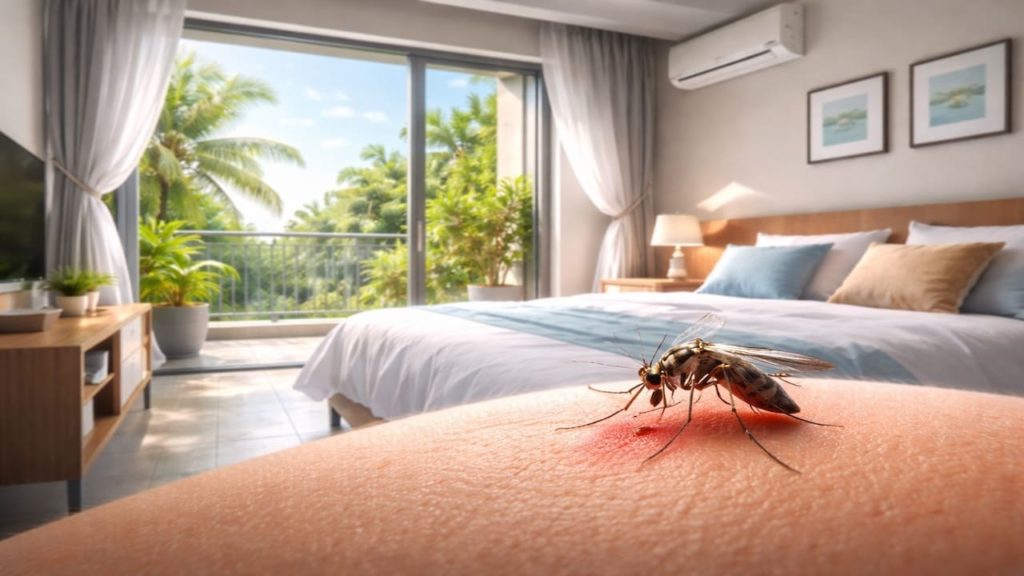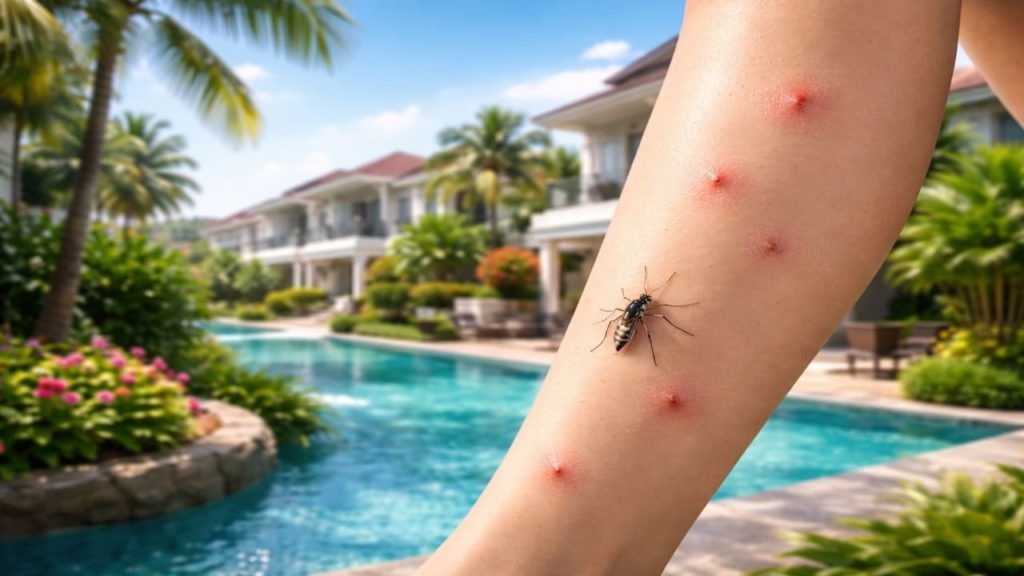
You apply mosquito repellent on your skin, but you still get bites, or your skin feels itchy, sticky, and irritated after a few hours.
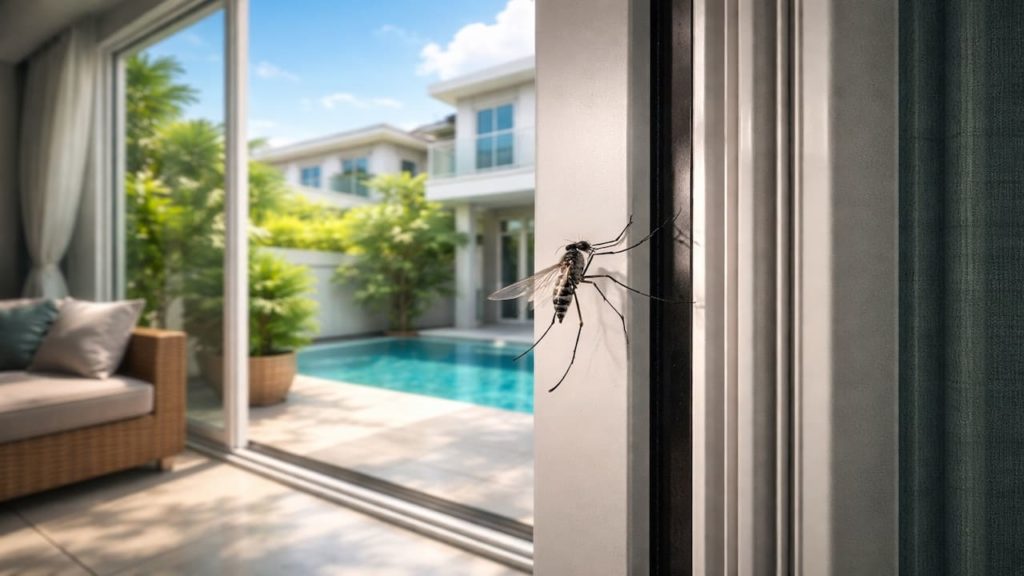
In Malaysia’s hot, humid weather, sweat and frequent showers can wash repellent off faster, and condos or terrace houses often have indoor mosquitoes too. Frustrating.
In this guide, you’ll learn the 5 repellent mistakes that cause irritation and reduce bite protection so you can stay comfortable and stop wasting product.

Hi, I’m Ken. I write practical home guides for Malaysia—no fluff, just what works.
I hold a formal building design qualification and have spent about 20 years on job sites across hundreds of projects. My goal is simple: help you avoid costly mistakes with clear, safe steps—a quick way to decide what to do next.
1. Mosquito repellent on skin: 5 mistakes
Most repellent fails because it is applied wrong or removed too fast—not because it is weak.
Repellent works best with consistent coverage and timing, but Malaysia humidity makes sweat and friction break that protection quickly. Simple mechanics.
- Applying too little on ankles wrists and calves where mosquitoes land first
- Rubbing it in then wiping sweat with a towel which removes the layer
- Only applying once in the morning then assuming it lasts all day
- Spraying on clothes only and leaving exposed skin untreated
- Using it indoors but ignoring breeding spots like drains and wet corners
“This brand doesn’t work for me” is the easy conclusion. But most failures are coverage and timing issues. Apply smarter and it works better.
2. Irritation risk and why it stops working
Overuse and mixing products is the fastest path to irritation—and weaker protection.
In hot weather, people reapply too often on sweaty skin, then stack sunscreen, lotion, and fragrance on top. That increases irritation and reduces even coverage. Messy.
- Applying on broken skin or fresh bite areas which stings and inflames
- Layering repellent over strong perfume deodorant or acids from skincare
- Using high concentration products daily without patch testing first
- Applying right after a hot shower when pores feel open and skin is sensitive
- Using too much then washing it off fast because it feels sticky in humidity
“More is better” sounds logical—until your skin turns red and you stop using it at all. Use targeted amounts and your skin stays calm. Better outcome.
3. Why repellent sometimes feels useless in Malaysia
Sweat friction and indoor airflow can erase the protective layer—fast.
Repellent is a surface layer, and Malaysia conditions break surface layers quickly. Aircond rooms can dry skin, but sweat during the day removes protection. Both matter.
- Sweat dissolves and moves the layer so coverage becomes patchy
- Clothing rubs ankles and wrists and wipes off product without you noticing
- Hand washing removes repellent from hands then you touch other skin areas
- Fans and movement can reduce local concentration near exposed skin
- Mosquito density near drains and entrances can overwhelm weak application
“Repellent should be set and forget” is not true in tropical humidity. Treat it like a layer that can be removed. Reapply with a plan.
4. How to use repellent safely and make it work again
Apply to key zones on clean dry skin then reapply by schedule—simple.
You want effective coverage without irritation, so keep it minimal, targeted, and consistent. In Malaysia, ankles and lower legs often matter most. Practical.
- Patch test on a small area first especially if you have sensitive skin
- Apply after sunscreen dries if you use both so layers do not mix badly
- Focus on ankles calves wrists and neck not random full body spraying
- Reapply after heavy sweating swimming or towel drying not by panic
- Wash off before sleep if you do not need overnight protection in aircond
“I hate the smell and stickiness” is fair. Use wipes or lotions and apply only where bites happen. Targeted use makes it livable and effective.
5. FAQs
Q1. Why does repellent burn on my skin?
It often burns if applied on broken skin, fresh bites, or after shaving. Try patch testing and avoid using it on irritated areas.
Q2. Should I apply repellent under clothes?
Apply on exposed skin and bite zones, and let it dry before dressing. Under tight clothing, friction can wipe it off and increase irritation.
Q3. Can I use repellent with sunscreen?
Yes but apply sunscreen first then repellent after it dries. This reduces mixing and helps keep both layers more stable in humid weather.
Q4. How often should I reapply in Malaysia humidity?
Follow the label, but reapply after heavy sweat, swimming, or towel drying. In high bite areas like entrances, schedule matters more than guessing.
Q5. What if I still get bitten even with repellent?
Check coverage on ankles and calves, and reduce mosquitoes at the source like drains and wet corners. Repellent helps, but density and breeding can beat it.
Pro’s Tough Talk

I’ve been on site for 20+ years and handled hundreds of jobs, and repellent drama is just bad process. Malaysia humidity makes lazy application fail fast.
Three causes. People apply on sweaty skin, they miss ankles and calves, and they think one spray lasts forever. Three steps. Clean dry skin, target bite zones, then reapply after sweat and towel wiping. Like painting a wall in the rain. Like wearing perfume and calling it armor.
And yeah, you spray once, then you wipe sweat, wash hands, sit under a fan, and wonder why you still got bitten. We all do the “more spray” panic and end up itchy and angry. Use less but use it correctly and it works again If you keep spraying like a fire extinguisher, don’t blame the product.
Summary
Repellent fails when coverage is weak, sweat and friction remove the layer, or irritation makes you stop using it consistently. That is the main pattern.
If bites continue, fix timing and reapplication after sweating, and reduce mosquito density near drains, entrances, and wet corners. Decide by bite hotspots.
Apply to key zones on dry skin and reapply after sweat and you stop wasting it Next, read the guide on indoor mosquito hiding spots near entrances and shoe racks.