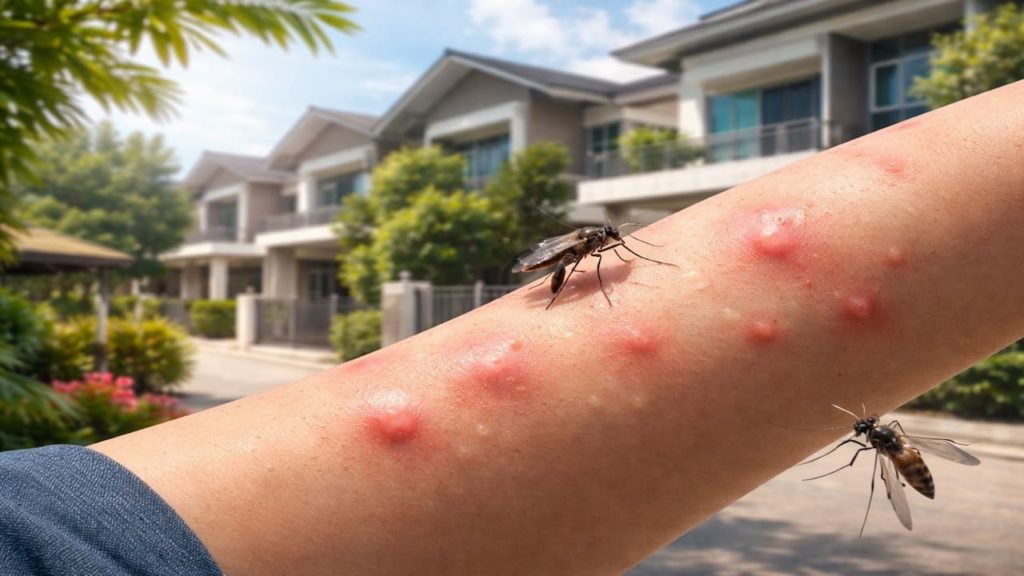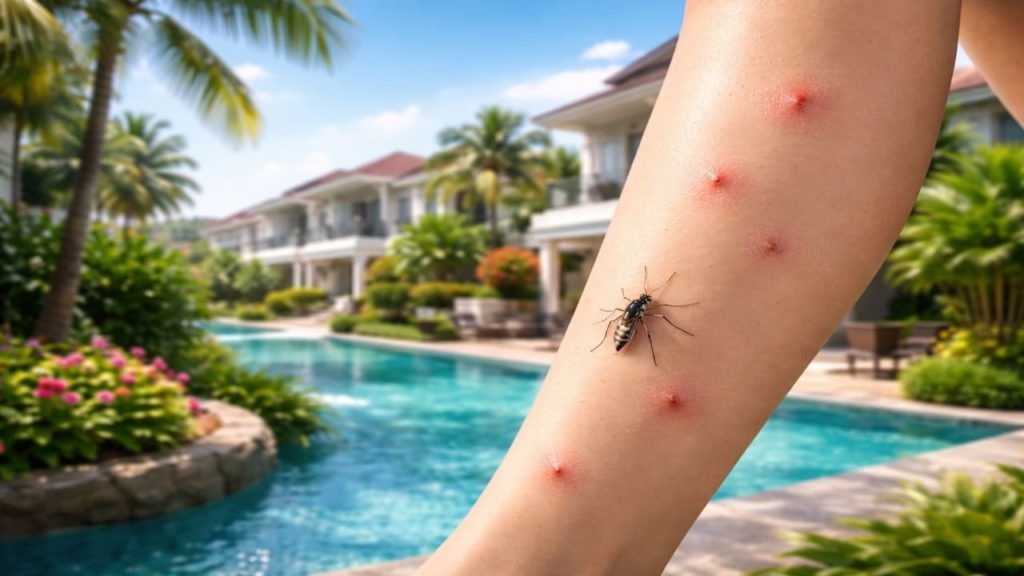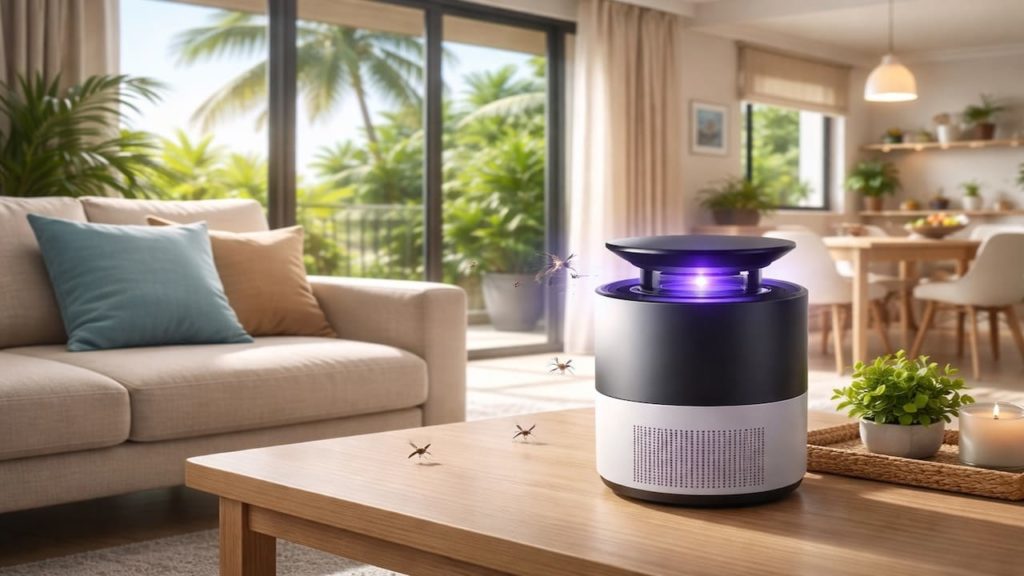
Mosquito traps at home can sound like an easy fix, yet you place one and still get bites in the same room.
In Malaysia, hot humid air and wet season rain keep mosquito pressure high, and condos or terrace houses often have airflow lanes and hidden entry gaps.
In this guide, you’ll learn how to test traps in real rooms and stop wasting money by checking placement, airflow, species cues, and simple home controls.

Hi, I’m Ken. I write practical home guides for Malaysia—no fluff, just what works.
I hold a formal building design qualification and have spent about 20 years on job sites across hundreds of projects. My goal is simple: help you avoid costly mistakes with clear, safe steps—a quick way to decide what to do next.
1. Mosquito traps at home: 5 checks
Most traps fail because the room conditions beat the device.
In Malaysian homes, humidity and daily entry points change results fast—so the first job is to check the room, not the label.
Reality check.
- Check if the trap has the right lure for mosquitoes, not only flies or moths
- Check placement height because many mosquitoes cruise low near ankles and sofa edges
- Check airflow because fans and aircond streams can push scent away from the trap
- Check competing cues like bright lights, food odors, and human breath near beds
- Check if mosquitoes are entering daily through door gaps or balcony tracks
It is tempting to blame the trap brand when bites continue. If the room keeps feeding entry and hiding spots, any trap stays weak, even expensive ones.
2. What works in real rooms not ads
What works is matching the trap type to your room and timing.
Small condos often trap smell and heat, while terrace houses have porch and balcony access, so one trap style rarely fits every Malaysian setup.
Fit matters.
- Sticky traps work best as monitors near entry lines, not as a full solution for bites
- UV light traps work better for some flying insects, and can pull more bugs indoors
- Fan suction traps need calm placement, away from strong aircond jets and door drafts
- CO2 style traps work better outdoors, because indoor use competes with your breath
- Larvae control works when the problem is breeding water, not only adult mosquitoes
Some people want one gadget to solve everything. In real rooms, results come from trap plus room control—otherwise the trap becomes decoration.
3. Why mosquito traps disappoint in Malaysia homes
Mosquitoes choose people over traps when cues are stronger.
Your breath and body heat are powerful signals, and Malaysia’s warm humid nights keep mosquitoes active even when the room feels cool—so traps lose easily.
Signal battle.
- Aircond cools the room but leaves still pockets where mosquitoes rest near curtains
- Wet season rain boosts numbers outside, so new mosquitoes arrive nightly
- Door bottom gaps and corridor airflow bring mosquitoes into condos at floor level
- Balcony drains and plant saucers increase pressure right beside the unit
- Traps placed near you can attract mosquitoes closer before they choose your skin
You may hear that traps are useless. They can help, but only when you remove competing cues and block entry, then the trap can do its job.
4. How to make traps actually help at home
Use traps as support while you cut entry and breeding pressure.
In Malaysia, the fastest improvement comes from sealing gaps and drying water spots, then using traps to catch leftovers rather than fighting an invasion.
Two-layer plan.
- Place traps near door and window lines, not beside the bed where your breath is strongest
- Run a fan across your body to reduce landing, then keep the trap in a calmer corner
- Seal door bottoms with a draft stopper and add foam tape to sliding frame gaps
- Remove standing water from balcony saucers and clear drains after daily storms
- Use a mosquito net for sleep when pressure is high, then rely less on chemicals
Some people worry sealing and routines feel like extra work. It is less work than nightly itching—traps work better when the room stops feeding mosquitoes.
5. FAQs
Q1. Should I put a trap next to my bed to catch mosquitoes faster?
It often backfires because your breath and heat are stronger than the trap lure. Put the trap near entry lines and keep your sleep zone protected.
Q2. Do UV mosquito traps work well indoors in Malaysia?
They can attract many insects and not all are mosquitoes. Use them carefully and avoid placing them near open windows or balcony doors—otherwise you may invite more flying bugs.
Q3. Why is my sticky trap catching moths but not mosquitoes?
Sticky cards catch what lands on them, and mosquitoes may rest elsewhere like curtains or under furniture. Move the trap closer to entry gaps and reduce still damp corners.
Q4. Can traps solve mosquito problems during rainy season?
Traps can reduce a small indoor population, but rainy season refills breeding water daily. You still need to dump water, clear drains, and seal door gaps.
Q5. What is the best simple rule for using traps at home?
Fix entry and water first then let traps catch leftovers so the room pressure drops. When the room is controlled, even basic traps start showing results.
Pro’s Tough Talk

Listen. I’ve been on site for 20+ years and handled hundreds of jobs, and most trap failures are not magic bugs. Malaysia humid nights turn one gap and one wet corner into a mosquito factory.
Cause is 3 parts: you keep letting them enter, you keep feeding them water, and you expect a gadget to beat your own breath. Fix it in 3 steps: seal the door bottom, dump balcony water after storms, then place the trap at the entry lane and keep airflow on you.
Two relatable moments: you check the trap and it is full of random tiny bugs, then you still hear buzzing near your ear at 2 AM. That is like fishing with no bait, like mopping during a flood, and here is the jab: stop worshipping shiny boxes. Control the room then the trap finally matters or keep paying for itch lessons every night.
Summary
Mosquito traps at home help only when you check lure type, placement, airflow, and daily entry points, which are common issues in Malaysia wet season living.
Use traps as support while you seal door and sliding gaps, dry drains and balcony tracks, and remove standing water—then bite pressure drops fast.
Tonight, start with door gap blocking plus water removal plus smart trap placement and then move to related fixes like mosquito nets and rainy season routines for steady sleep.