You open the storeroom and the air feels stale, cardboard feels soft, and papers seem to pick up that damp “old” smell.
In Malaysia, humidity stays high for long stretches, and storerooms in condos or terrace houses often have almost no airflow, so moisture builds quietly.
In this guide, you’ll learn 5 signs your storeroom humidity is damaging storage and what to do to protect cardboard boxes and documents before mold and warping start.

Hi, I’m Ken. I write practical home guides for Malaysia—no fluff, just what works.
I hold a formal building design qualification and have spent about 20 years on job sites across hundreds of projects. My goal is simple: help you avoid costly mistakes with clear, safe steps—a quick way to decide what to do next.
1. Humidity in storeroom: 5 signs
Storeroom humidity shows up first in paper and cardboard.
Paper materials absorb moisture fast, and Malaysia wet weeks can keep a storeroom damp even when the rest of the home feels okay. Silent damage.
- Cardboard boxes feel soft, sag, or lose shape at the bottom.
- Documents and books feel wavy, and pages stick slightly when you flip them.
- A musty smell hits when you open the door, then fades after a few minutes.
- Metal items like staples, clips, and tools show light rust or dull spots.
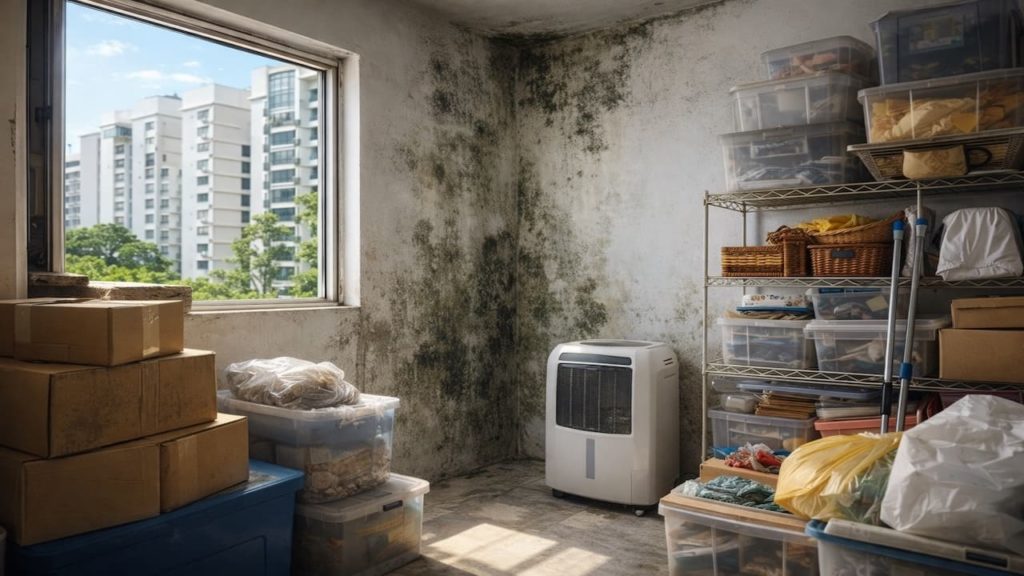
- White or dark speckling appears on box corners, paper edges, or fabric stored inside.
Some people think this is “normal storage smell,” but softness and waviness mean moisture is actively soaking in—wait long enough and mold follows.
2. Protect cardboard boxes and documents
Stop paper storage from touching damp air and damp surfaces.
In Malaysia condos and terrace houses, storerooms can be the dampest space, so you need barriers and airflow, not just stacking boxes higher. Storage strategy.
- Move documents into plastic bins with tight lids, then add silica packs inside.
- Keep boxes off the floor with shelves or pallets, because floors hold moisture.
- Leave gaps from walls, because cool wall surfaces can create damp pockets.
- Avoid sealing damp items inside bins, because trapped moisture becomes a mold incubator.
- Label and rotate boxes, opening them briefly during drier hours to air them out.
It feels safer to pack everything tightly, but packed storage blocks airflow—space and barriers keep paper dry in the long run.
3. Why storerooms get humid in Malaysia
Storerooms trap still air and absorb moisture from the home.
Storerooms are often windowless, tucked in corners, and kept closed, so they become humidity reservoirs, especially during Malaysia rainy spells. Still air problem.
- No ventilation means humidity rises and stays high for days.
- Boxes and fabric absorb moisture, then release it back into the air slowly.
- Cool corners and back walls can trigger condensation in humid weather.
- Nearby bathrooms, kitchens, or laundry areas leak moisture into the home.
- Outdoor humidity stays high, so quick window airing elsewhere does not fully help.
People blame the storeroom “design,” but the real cause is trapped moisture plus absorbent materials, so you fix it by managing air and contact surfaces.
4. How to dry a storeroom and prevent damage
Lower humidity in the room and stop moisture from sitting on surfaces.
This matters in Malaysia because storeroom damage compounds over time, and a small daily routine can prevent major losses in documents, bags, and boxes. Prevention pays.
- Open the storeroom door during a dehumidifying session in the nearby room to pull damp air out.
- Use a small dehumidifier inside the storeroom with the door shut for a controlled test.
- Place moisture absorbers low and deep, and replace them before they saturate.
- Clean and dry the floor and corners, because hidden damp spots feed regrowth.
- Switch to plastic bins for long-term storage and keep cardboard only for short-term use.
Some people try to spray deodorizer, but smell returns because moisture remains—dryness is what protects paper, not fragrance.
5. FAQs
Q1. Is it okay to store documents in cardboard boxes in Malaysia?
It can be okay short-term, but for long-term storage plastic bins with silica packs are safer. Cardboard absorbs moisture and can mold during wet weeks.
Q2. Where should I place moisture absorbers in a storeroom?
Put them low and toward the back where air is most still. Replace them regularly because they saturate quickly in humid weather.
Q3. Why do papers feel wavy even without visible water?
Paper absorbs humidity from air and swells, which creates waviness. Waviness is a humidity warning sign so lower storeroom humidity before mold appears.
Q4. Should I keep the storeroom door open all the time?
Not always, because humid air from the home can still feed it. Open it during dehumidifying or during drier hours, then close to keep humidity stable.
Q5. When should I worry about mold in a storeroom?
If musty smell is persistent, boxes soften, or speckling appears on paper edges, act immediately. In Malaysia, mold can spread quickly in closed storage spaces.
Pro’s Tough Talk

Listen. I’ve been on site for 20+ years and handled hundreds of jobs, and storerooms in Malaysia are where humidity hides and quietly eats your stuff.
Cause is 3 buckets: no airflow, absorbent cardboard soaking up moisture, and damp corners or floors feeding it nonstop. Fix it in 3 steps: move documents into sealed plastic bins with silica, get boxes off the floor and away from walls, then dehumidify the room in controlled sessions so the air actually dries—done. Leaving papers in damp cardboard is like storing bread in a wet paper bag, and hoping “closed door” equals protection is like putting valuables in a box inside a swamp.
Two classics. Stacking boxes tight to the wall, and never opening the room for months. Of course everything smells like old socks. Cardboard loses every time against humidity. Switch to bins and dry the air, or keep donating your documents to mold like it’s a tradition.
Summary
Storeroom humidity shows up first in cardboard and paper, with soft boxes, wavy documents, and musty odor, which is common in Malaysia condos and terrace houses during wet weeks. These signs mean moisture is already being absorbed.
Protect storage by lifting items off the floor, leaving wall gaps, and switching important documents to sealed plastic bins with silica packs. Reduce room humidity with controlled dehumidifying and replace absorbers before they saturate.
Keep it repeatable—bins for paper, airflow and dehumidify sessions, no damp corners—your storeroom stays safe when moisture cannot sit and soak.